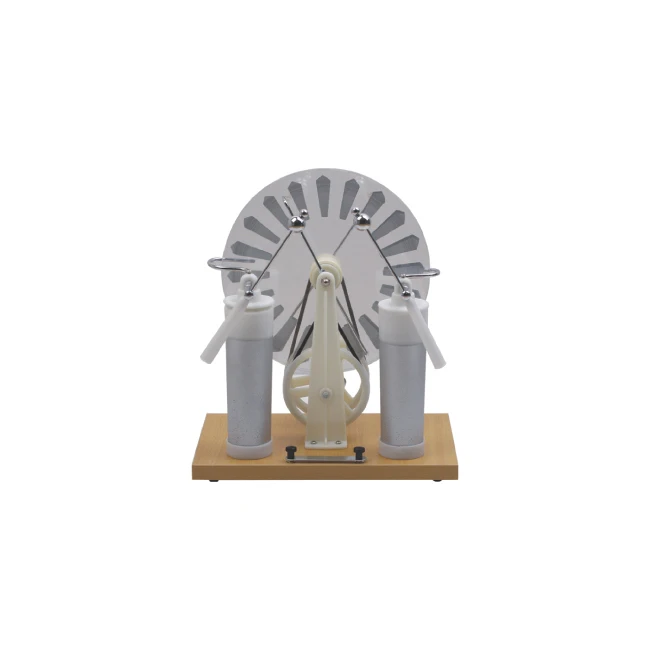
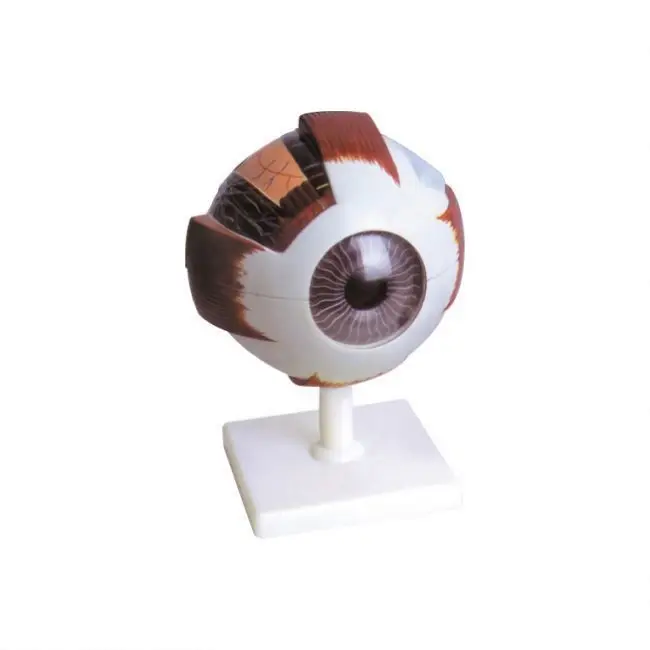
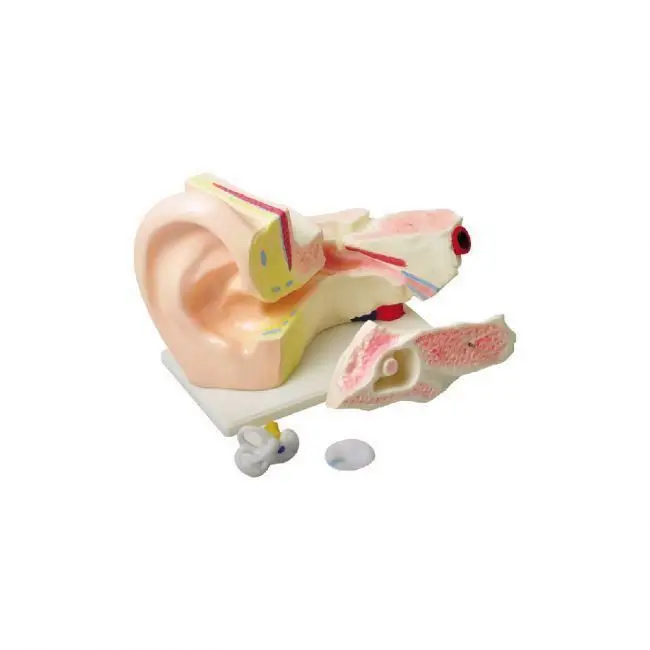
science teaching instrument
Science teaching instruments represent cutting-edge educational technology designed to transform traditional classroom experiences into dynamic, interactive learning environments. These sophisticated devices combine multiple scientific measurement capabilities with user-friendly interfaces, making complex scientific concepts accessible to students across various educational levels. Modern science teaching instruments integrate digital sensors, data logging systems, and wireless connectivity to provide real-time measurements of physical, chemical, and biological phenomena. The primary functions include temperature monitoring, pH measurement, electrical conductivity testing, motion analysis, light intensity detection, and pressure measurement. These versatile tools enable educators to conduct live demonstrations while students observe immediate data collection and analysis. Advanced models feature touchscreen displays, cloud-based data storage, and compatibility with educational software platforms. The technological architecture incorporates high-precision sensors calibrated for educational use, ensuring accurate readings while maintaining safety standards appropriate for classroom environments. Many science teaching instruments now include built-in experiment guides, step-by-step tutorials, and curriculum alignment features that support teachers in delivering comprehensive science education. The applications span multiple disciplines including physics, chemistry, biology, and environmental science. Students can investigate concepts such as thermodynamics, chemical reactions, photosynthesis, and ecosystem monitoring through hands-on experimentation. The instruments facilitate inquiry-based learning methodologies, encouraging students to formulate hypotheses, collect empirical data, and draw evidence-based conclusions. Laboratory integration capabilities allow seamless connection with existing equipment while portable designs enable field studies and outdoor investigations. The data visualization features present complex information through graphs, charts, and interactive displays that enhance student comprehension and engagement with scientific methodology.


 EN
EN