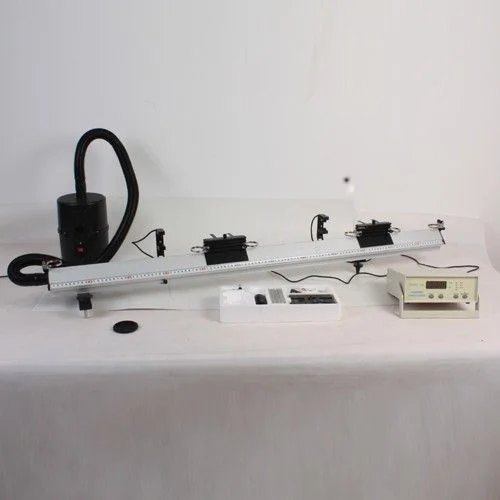
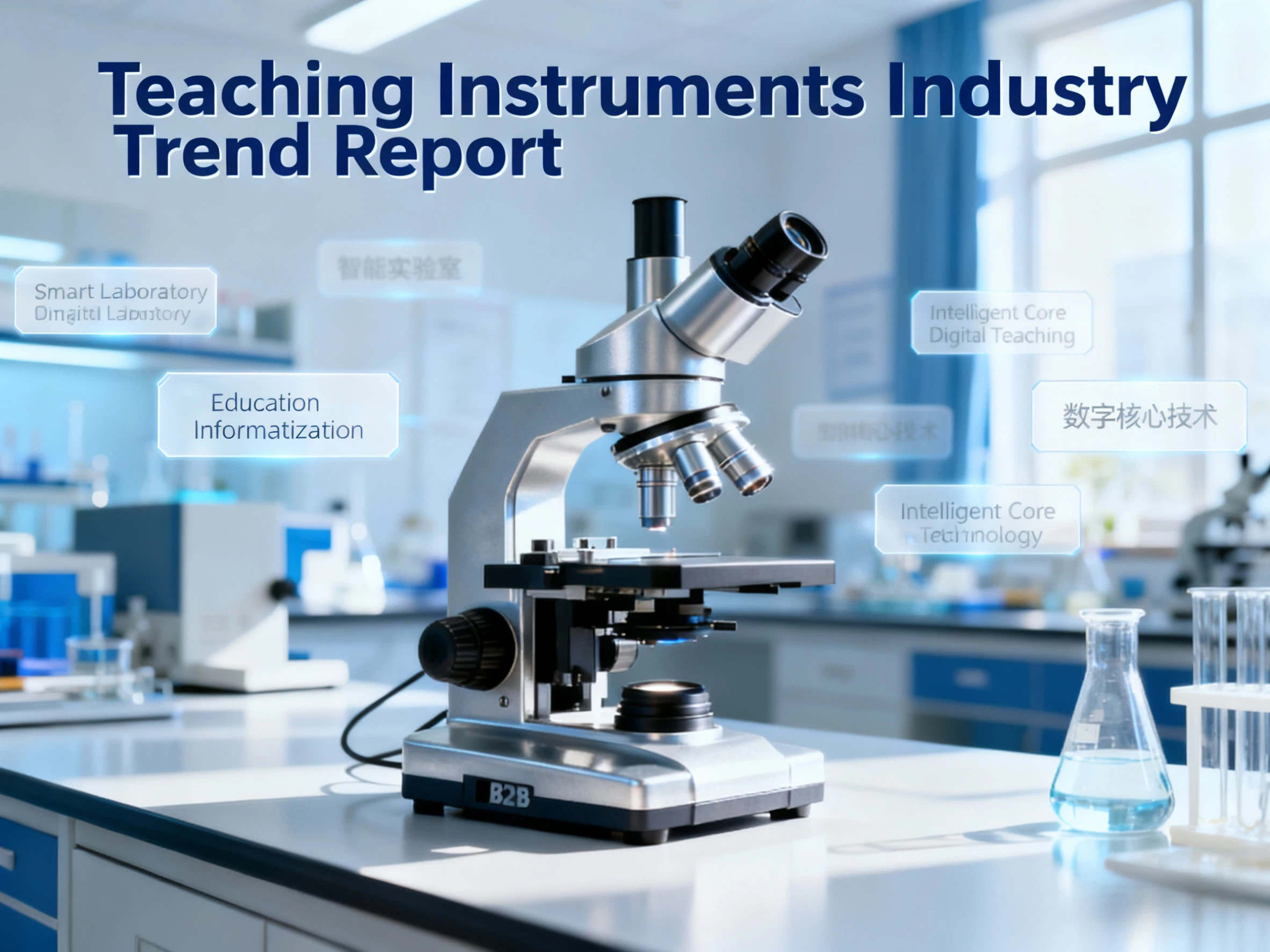
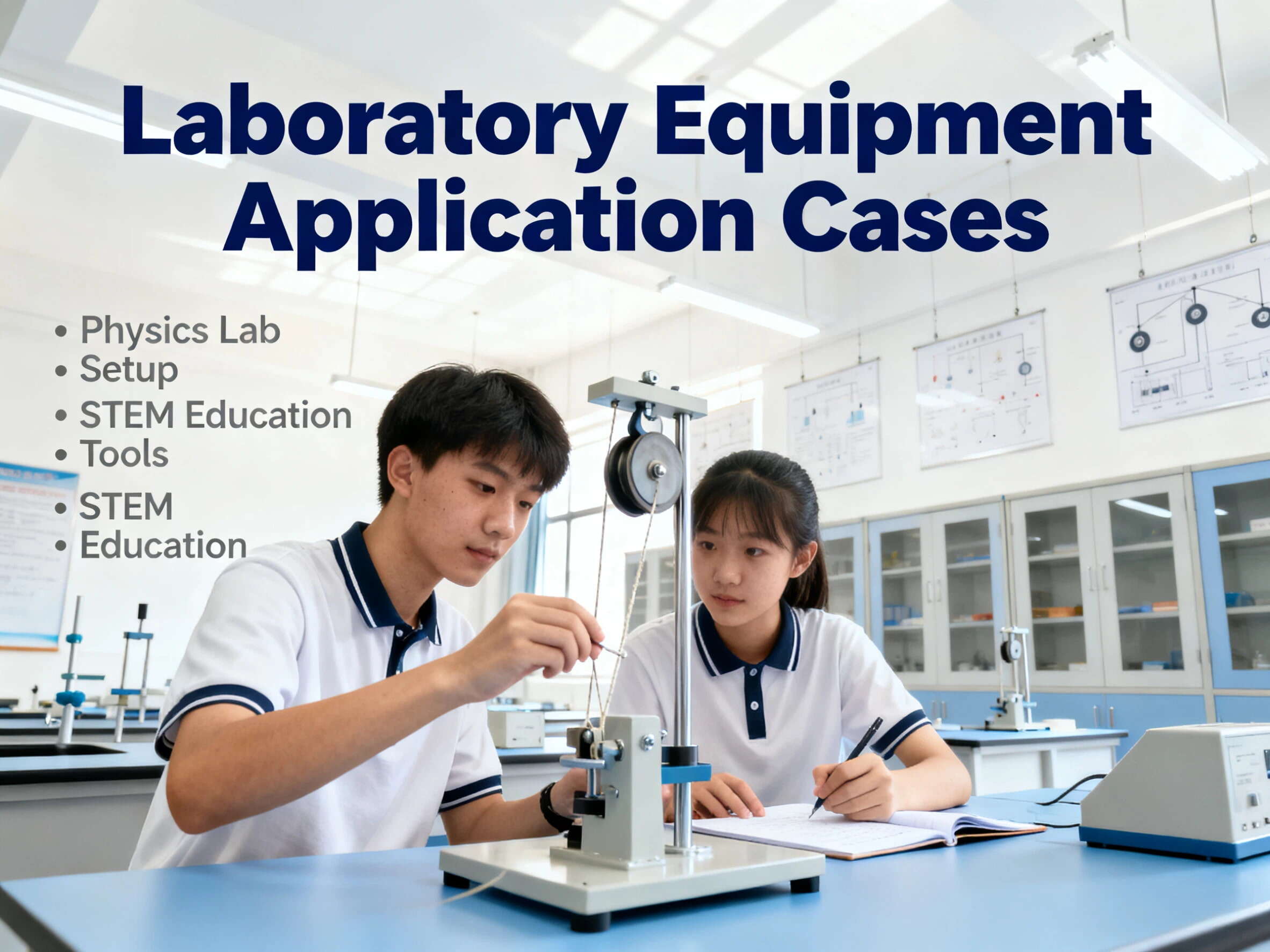
experiment teaching instrument
The experiment teaching instrument represents a revolutionary approach to modern educational methodology, transforming traditional classroom learning into dynamic, interactive experiences. This sophisticated educational technology serves as a comprehensive platform designed to facilitate hands-on learning across multiple scientific disciplines, including physics, chemistry, biology, and engineering. The experiment teaching instrument integrates cutting-edge digital capabilities with practical laboratory functions, creating an immersive learning environment that bridges theoretical knowledge with real-world applications. At its core, this innovative system combines precision measurement tools, data acquisition modules, and intuitive software interfaces to deliver unparalleled educational experiences. The instrument features advanced sensor technologies capable of capturing minute changes in temperature, pressure, electrical conductivity, and chemical reactions, providing students with accurate, real-time data for analysis and interpretation. The technological architecture of the experiment teaching instrument incorporates wireless connectivity, cloud-based data storage, and compatibility with various operating systems, ensuring seamless integration into existing educational infrastructures. Its modular design allows educators to customize experiments according to curriculum requirements and student proficiency levels. The applications of this versatile experiment teaching instrument span numerous educational contexts, from elementary science demonstrations to advanced university research projects. In physics education, students can explore concepts such as wave propagation, electromagnetic fields, and thermodynamics through interactive simulations and practical measurements. Chemistry educators utilize the instrument to demonstrate molecular behavior, reaction kinetics, and analytical techniques with precision and safety. Biology instructors leverage its capabilities to study cellular processes, physiological responses, and environmental monitoring. The experiment teaching instrument also supports interdisciplinary learning, enabling students to understand complex relationships between different scientific fields and fostering critical thinking skills essential for future scientific endeavors.


 EN
EN