 EN
EN

Introduction
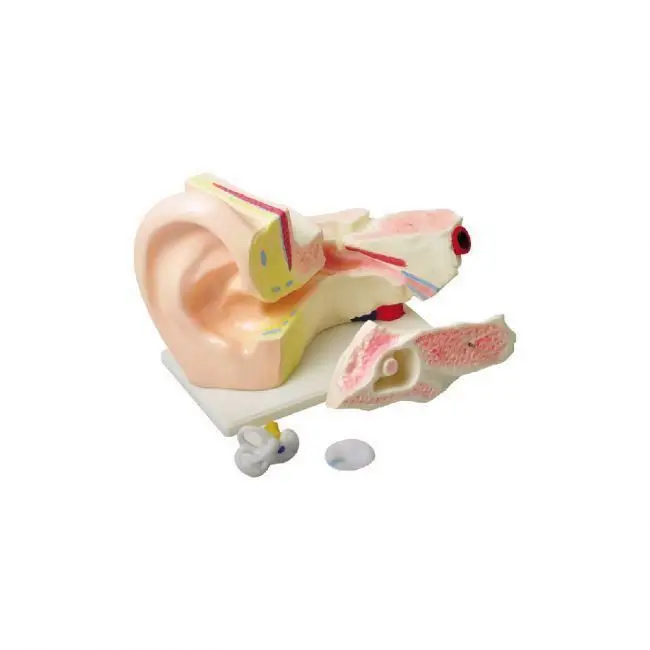
The 50105.03 Human Ear Model represents a breakthrough in anatomical education and medical training, offering healthcare professionals, educators, and students an exceptionally detailed representation of human auditory anatomy. This sophisticated educational tool combines scientific accuracy with practical functionality to deliver an unparalleled learning experience in otolaryngology and general medical studies. Designed to meet the demanding requirements of modern medical education, this anatomical model serves as an indispensable resource for understanding the complex structures and mechanisms of human hearing.
Educational institutions worldwide recognize the critical importance of high-quality anatomical models in developing comprehensive medical knowledge. The 50105.03 Human Ear Model addresses this need by providing an accurate, durable, and pedagogically effective tool that enhances traditional textbook learning through hands-on exploration. Whether used in medical schools, nursing programs, or continuing education settings, this model facilitates deeper understanding of auditory system anatomy and physiology.
Product Overview
This premium anatomical model showcases the intricate structures of the human ear with remarkable precision and attention to detail. Crafted from high-grade materials specifically selected for educational environments, the model demonstrates both external and internal ear components in their natural anatomical relationships. The construction methodology ensures long-term durability while maintaining the fine detail necessary for effective medical education.
The 50105.03 Human Ear Model features removable components that allow students and professionals to examine individual structures while understanding their integration within the complete auditory system. This interactive design philosophy promotes active learning and enables users to explore anatomical relationships that would be impossible to observe in traditional two-dimensional educational materials. The model's design reflects current understanding of ear anatomy based on contemporary medical research and clinical observations.
Color-coded elements within the model correspond to different anatomical structures, facilitating quick identification and systematic study. This visual organization system helps learners develop pattern recognition skills essential for clinical practice while reducing the cognitive load associated with complex anatomical memorization. The thoughtful use of contrasting colors ensures accessibility for users with varying visual capabilities.
Features & Benefits
Advanced Anatomical Accuracy
The model's construction is based on extensive anatomical research and medical imaging data, ensuring that every structure is represented with scientific precision. This attention to anatomical accuracy makes the 50105.03 Human Ear Model suitable for advanced medical education where detailed knowledge of ear anatomy is essential. The proportional relationships between different ear components are maintained to provide realistic spatial understanding that translates directly to clinical situations.
Interactive Learning Components
Removable sections and modular design elements enable comprehensive exploration of the ear's internal mechanisms. Students can disassemble and reassemble the model multiple times, reinforcing their understanding through repetitive hands-on practice. This interactive approach accommodates different learning styles and helps visual, tactile, and kinesthetic learners grasp complex anatomical concepts more effectively than passive observation alone.
Durable Construction Materials
The model utilizes advanced polymer materials specifically engineered for educational applications, ensuring resistance to wear, discoloration, and damage from repeated handling. These materials maintain their appearance and functionality even under intensive classroom use, making the investment sustainable for long-term educational programs. The surface treatments applied during manufacturing provide easy cleaning and sanitization capabilities essential in medical training environments.
Enhanced Visual Learning
Strategic color differentiation and texture variations help students distinguish between different anatomical structures and understand their functional relationships. The visual design incorporates pedagogical principles that support memory formation and recall, making the learning process more efficient and effective. Clear labeling options accommodate various educational approaches and institutional preferences.
Applications & Use Cases
Medical schools and universities worldwide integrate the 50105.03 Human Ear Model into their anatomy curricula to provide students with comprehensive understanding of auditory system structure and function. The model serves as a central teaching tool during lectures, laboratory sessions, and independent study periods, enabling educators to demonstrate complex concepts that are difficult to convey through textbooks or digital presentations alone.
Healthcare training programs utilize this anatomical model to prepare nurses, physician assistants, and other medical professionals for clinical encounters involving ear-related conditions. The detailed representation helps trainees develop the visual recognition skills necessary for identifying normal and abnormal ear structures during patient examinations. This practical preparation enhances diagnostic capabilities and improves patient care outcomes.
Continuing medical education programs benefit from incorporating this model into their training modules, particularly for specialists in otolaryngology, audiology, and family medicine. The model facilitates discussion of complex cases and serves as a reference tool during professional development sessions. Healthcare professionals can refresh their anatomical knowledge and stay current with evolving understanding of ear anatomy and pathophysiology.
Research institutions employ the model for educational outreach programs and public health initiatives designed to increase awareness of hearing health and ear-related conditions. The visual impact and educational effectiveness of the model make it an excellent tool for community education programs and health fairs where complex medical concepts must be communicated to general audiences.
Quality Control & Compliance
Manufacturing processes for the 50105.03 Human Ear Model adhere to stringent quality control standards that ensure consistency across production batches and long-term reliability in educational settings. Each model undergoes comprehensive inspection procedures that verify anatomical accuracy, structural integrity, and visual quality before shipment. These quality assurance measures guarantee that educational institutions receive products that meet their high standards for teaching excellence.
The materials used in construction comply with international safety standards for educational products, ensuring that the model is safe for use in various learning environments. Non-toxic formulations and allergen-free components make the model suitable for diverse user populations, including those with sensitivities to common materials. Environmental considerations are incorporated throughout the manufacturing process to minimize ecological impact while maintaining product quality.
Documentation accompanying each model includes detailed information about proper care, maintenance, and cleaning procedures that help institutions maximize their investment while ensuring hygiene standards appropriate for medical education environments. Regular quality audits and feedback collection from educational institutions contribute to continuous improvement in manufacturing processes and product design.
Customization & Branding Options
Educational institutions can enhance their learning environments through customization options that align the 50105.03 Human Ear Model with specific curricular requirements and institutional branding preferences. Custom labeling solutions accommodate multiple languages and terminology preferences, making the model suitable for international educational programs and diverse student populations.
Specialized packaging solutions protect the model during transport while reinforcing institutional identity through custom branding elements. These packaging options ensure that the model arrives in optimal condition while creating positive first impressions that reflect the quality standards of receiving institutions. Sustainable packaging materials align with environmental responsibility initiatives common in modern educational settings.
Technical documentation can be customized to include institution-specific information, curriculum alignment guides, and suggested teaching activities that maximize the educational value of the model. These personalized materials help educators integrate the model more effectively into their existing teaching programs and assessment strategies.
Packaging & Logistics Support
Protective packaging systems safeguard the 50105.03 Human Ear Model during international shipping while minimizing packaging waste through efficient design and material selection. Multi-layer protection ensures that delicate components arrive undamaged regardless of shipping conditions or handling procedures. Custom-fitted inserts prevent movement during transport while facilitating easy unpacking and setup procedures.
Logistics coordination services accommodate the complex shipping requirements of international educational institutions, including documentation preparation for customs clearance and coordination with institutional receiving procedures. Flexible shipping options allow institutions to balance cost considerations with delivery timeline requirements, ensuring that models arrive when needed for curriculum implementation.
Inventory management support helps institutions plan their procurement activities and coordinate model availability with academic scheduling requirements. Advance planning services enable bulk ordering advantages while ensuring adequate lead times for educational planning and budget allocation processes.
Why Choose Us
Our company brings decades of experience in developing and manufacturing premium educational products for the global medical education market, with established relationships spanning universities and healthcare institutions across multiple continents. This extensive experience in international collaboration ensures deep understanding of diverse educational requirements and cultural considerations that influence successful product adoption.
As a recognized custom tin box supplier and metal packaging manufacturer, we leverage advanced manufacturing capabilities and quality control systems that extend beyond our primary packaging operations to ensure excellence in all product categories. Our comprehensive approach to product development incorporates feedback from educators and medical professionals to create solutions that truly enhance learning outcomes.
Multi-industry expertise enables us to apply innovative materials science and manufacturing techniques from various sectors to educational product development, resulting in superior durability, functionality, and value. This cross-pollination of technologies and approaches creates competitive advantages that benefit our educational institution partners through enhanced product performance and longevity.
Conclusion
The 50105.03 Human Ear Model represents the convergence of scientific accuracy, educational effectiveness, and manufacturing excellence in anatomical education tools. Its comprehensive design addresses the complex requirements of modern medical education while providing the durability and functionality necessary for intensive institutional use. Through careful attention to anatomical detail, interactive learning features, and quality construction, this model supports educational excellence in otolaryngology and related medical fields. Educational institutions investing in this anatomical model gain a versatile teaching tool that enhances student learning outcomes while supporting diverse pedagogical approaches and curriculum requirements.
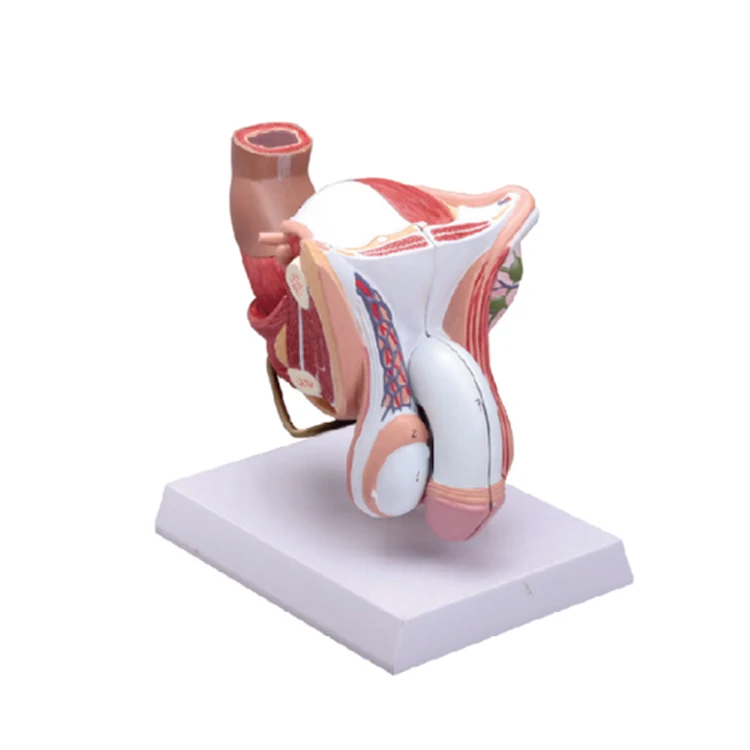
Human Ear Model Art No. 50105.03 About 5 times enlarged. |