
 EN
EN

Sourcing quality teaching equipment for educational institutions, training centers, and research facilities requires careful vetting of suppliers and thorough evaluation of product reliability. With the proliferation of online marketplaces and B2B platforms, educators and procurement managers face the challenge of distinguishing reputable vendors from unreliable sources while ensuring that teaching equipment meets safety standards, performance requirements, and budgetary constraints. This comprehensive guide explores proven strategies for identifying trustworthy suppliers, accessing genuine product reviews, and making informed purchasing decisions that support educational excellence.
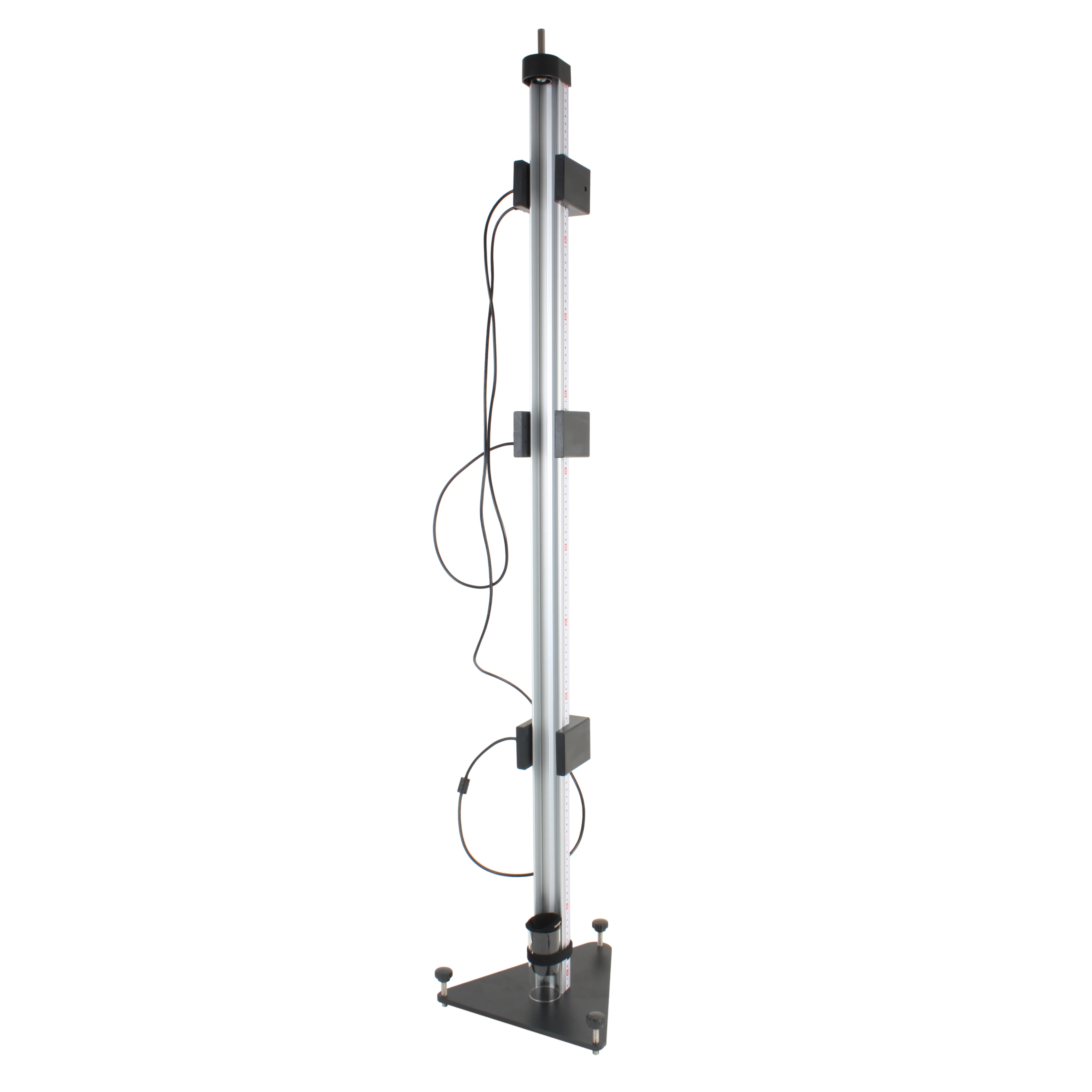
The modern procurement landscape for teaching equipment has shifted dramatically toward digital channels, creating both opportunities and challenges for educational buyers. While online platforms offer unprecedented access to global suppliers and competitive pricing, they also require sophisticated evaluation methods to ensure product quality, supplier credibility, and post-purchase support. Understanding where to search, what criteria to prioritize, and how to interpret supplier information becomes essential for institutions seeking to equip laboratories, classrooms, and training facilities with reliable instructional tools that deliver long-term value.
Identifying Reputable B2B Platforms Specializing in Educational Supplies
Established International Trade Platforms for Teaching Equipment
Major B2B marketplaces serve as primary discovery channels for teaching equipment suppliers worldwide, offering extensive catalogs, supplier verification systems, and transaction protection mechanisms. Platforms such as Alibaba, Global Sources, and Made-in-China maintain dedicated categories for educational and laboratory equipment, connecting buyers with manufacturers and authorized distributors. These platforms typically implement supplier verification programs that assess business licenses, production capabilities, and quality management systems, providing initial screening that helps buyers narrow their search to credible vendors.
When navigating these platforms for teaching equipment, procurement professionals should prioritize suppliers displaying verification badges such as Gold Supplier status, Trade Assurance eligibility, or Assessed Supplier designations. These certifications indicate that third-party agencies have conducted on-site inspections, verified legal registration, and evaluated manufacturing facilities. Beyond platform badges, examining supplier profiles for detailed company information, production capacity data, and export history provides additional context for assessing operational maturity and market experience in the teaching equipment sector.
Regional B2B platforms also merit consideration, particularly when sourcing teaching equipment from specific manufacturing hubs or seeking suppliers familiar with regional educational standards. European directories like Europages and Asian-focused platforms like EC21 offer specialized access to regional manufacturers who may have expertise in particular categories of teaching equipment or familiarity with specific certification requirements. Cross-referencing suppliers across multiple platforms often reveals consistency in their market presence and helps validate their legitimacy as established vendors rather than temporary intermediaries.
Specialized Educational Equipment Directories and Industry Portals
Industry-specific directories dedicated to educational products provide curated access to teaching equipment suppliers who focus exclusively on the academic market. Platforms like Educational Equipment Network and Science Lab Supply directories aggregate vendors specializing in instructional materials, laboratory apparatus, and classroom technology, often categorizing suppliers by equipment type, educational level, and subject specialization. These focused portals typically attract suppliers with deeper domain expertise in teaching equipment compared to general industrial marketplaces.
Professional associations for science educators, vocational training organizations, and technical education institutions frequently maintain supplier directories as member resources. These association-affiliated listings often include suppliers who participate in educational conferences, contribute to curriculum development initiatives, or collaborate with academic institutions on pilot programs. Suppliers featured in these specialized directories generally demonstrate commitment to the educational sector beyond transactional sales relationships, indicating potential for ongoing technical support and application guidance.
Government procurement portals in various countries maintain approved vendor lists for teaching equipment used in publicly funded educational institutions. While primarily serving domestic procurement needs, these official registries provide valuable insights into suppliers who meet stringent quality standards, safety certifications, and compliance requirements. International buyers can reference these lists to identify manufacturers with proven track records in delivering teaching equipment that satisfies rigorous institutional standards, even when purchasing through alternative channels.
Evaluating Supplier Credibility Through Multiple Verification Methods
Corporate Background Research and Business Registration Verification
Thorough due diligence on teaching equipment suppliers begins with verifying corporate registration, operational history, and legal standing. Most legitimate manufacturers and distributors readily provide business license numbers, tax registration certificates, and incorporation documents upon request. Cross-referencing these credentials through official business registries in the supplier's jurisdiction confirms that the company maintains active legal status and has not been subject to significant regulatory actions or business suspensions.
Investigating a supplier's operational history provides context for assessing stability and market reputation in the teaching equipment sector. Companies with five or more years of continuous operation typically demonstrate market viability and have navigated economic cycles, technological changes, and competitive pressures. Examining corporate evolution through archived website versions, historical product catalogs, and trade publication mentions reveals whether a supplier has maintained consistent focus on teaching equipment or frequently shifts business focus, which may indicate less specialized expertise.
Financial stability indicators, while sometimes challenging to obtain for privately held companies, offer valuable insights into supplier reliability. Publicly available credit reports, trade credit references, and payment history data from commercial credit agencies help assess whether a teaching equipment supplier maintains sound financial practices. Suppliers willing to provide bank references or evidence of trade insurance further demonstrate transparency and financial responsibility, reducing risks of production delays or inability to fulfill warranty obligations.
Manufacturing Capability Assessment and Quality System Verification
Validating a supplier's actual manufacturing capabilities prevents misrepresentation by trading companies claiming to be manufacturers of teaching equipment. Requesting detailed facility photographs, production process videos, and equipment inventories helps confirm that a supplier possesses the machinery, technical staff, and quality control infrastructure necessary for producing reliable teaching equipment. Legitimate manufacturers typically maintain comprehensive documentation of their production environments and willingly share evidence of their manufacturing capabilities.
Quality management system certifications provide standardized evidence of a supplier's commitment to consistent production standards for teaching equipment. ISO 9001 certification indicates implementation of quality management processes covering design, production, inspection, and customer service. For teaching equipment involving measurement precision or safety-critical components, additional certifications such as ISO 17025 for laboratory competence or product-specific safety certifications demonstrate specialized quality capabilities relevant to educational applications.
Third-party factory audits conducted by independent inspection agencies offer objective assessments of supplier capabilities beyond self-reported claims. Services like SGS, Bureau Veritas, and Intertek provide detailed audit reports evaluating production capacity, quality control procedures, and compliance with international standards for teaching equipment. While these audits require investment, they significantly reduce procurement risks for substantial teaching equipment orders or when establishing long-term supplier relationships.
Accessing Genuine Product Reviews and User Feedback
Professional Educational Networks and Institutional References
Direct feedback from educational institutions currently using specific teaching equipment provides the most reliable product performance insights. Requesting reference lists from suppliers and contacting listed institutions enables procurement professionals to ask detailed questions about equipment reliability, supplier responsiveness, and real-world performance versus specifications. Established suppliers of quality teaching equipment typically maintain relationships with satisfied customers willing to provide candid assessments to fellow educators.
Professional forums for science teachers, laboratory managers, and educational technology coordinators serve as valuable information sources for unfiltered teaching equipment reviews. Communities like the National Science Teachers Association forums, laboratory management LinkedIn groups, and subject-specific educator networks host discussions where practitioners share experiences with various equipment brands, supplier interactions, and problem-solving approaches. These peer-to-peer exchanges often reveal practical considerations not apparent in marketing materials or formal specifications.
Academic procurement consortia and cooperative purchasing organizations aggregate institutional experiences with teaching equipment suppliers across multiple member institutions. Organizations like E&I Cooperative Services, OMNIA Partners, and regional educational procurement alliances conduct supplier evaluations, negotiate framework agreements, and collect performance feedback from participating schools and universities. Leveraging these collective purchasing resources provides access to vetted suppliers and compiled user experiences that individual institutions would find difficult to gather independently.
Digital Review Platforms and Verification Strategies
Online review ecosystems for teaching equipment require careful interpretation to distinguish authentic user feedback from promotional content or competitor manipulation. B2B platforms increasingly implement verified purchase badges and authenticated reviewer systems that confirm reviewers have actual transaction history with suppliers. Prioritizing reviews marked as verified purchases and examining reviewer profiles for evidence of genuine institutional affiliation increases confidence in feedback authenticity.
Analyzing review patterns helps identify suspicious activity that may indicate fabricated testimonials for teaching equipment. Authentic reviews typically display variation in writing style, mixed positive and constructive feedback, and specific details about application contexts and performance characteristics. Clusters of brief, uniformly positive reviews posted within short timeframes often signal inauthentic feedback, while detailed reviews discussing both strengths and limitations generally reflect genuine user experiences.
Independent product testing reports and educational technology evaluation publications provide objective assessments of teaching equipment performance. Organizations like EdReports, Education Week's Product Playground, and subject-specific journals sometimes publish comparative evaluations of instructional equipment. While coverage may not extend to all teaching equipment categories, these independent assessments offer evidence-based performance analysis free from commercial influence when available.
Protecting Your Institution Through Strategic Procurement Practices
Sample Evaluation and Pre-Purchase Verification
Requesting product samples before committing to bulk orders of teaching equipment enables hands-on evaluation of build quality, functionality, and suitability for intended educational applications. Most reputable suppliers accommodate sample requests for reasonable fees or offer sample programs with credits toward future purchases. Physical examination reveals manufacturing quality, material durability, and operational characteristics that specifications alone cannot fully convey, particularly for complex teaching equipment involving mechanical components or precision measurement functions.
Conducting pilot testing with sample teaching equipment in actual instructional environments provides practical performance data before scaling procurement. Engaging faculty members, laboratory technicians, and students in evaluation processes yields diverse perspectives on usability, instructional effectiveness, and maintenance requirements. Documenting pilot experiences through structured evaluation forms creates objective comparison data when assessing multiple suppliers or deciding between teaching equipment alternatives.
Third-party product inspection services verify that teaching equipment shipments match approved samples and meet specified quality standards before shipment or upon delivery. Pre-shipment inspections catch manufacturing defects, specification deviations, or packaging inadequacies before equipment leaves the supplier's facility, significantly reducing the cost and disruption of managing defective deliveries. For substantial teaching equipment investments, the modest cost of professional inspection services provides valuable risk mitigation.
Contractual Protections and Payment Security
Comprehensive purchase agreements for teaching equipment should explicitly define product specifications, acceptance criteria, delivery schedules, warranty terms, and remedies for non-conformance. Detailed contracts reduce ambiguity and provide enforcement mechanisms if suppliers fail to meet obligations. Including specific technical standards, certification requirements, and performance benchmarks in contractual language ensures mutual understanding of expectations for teaching equipment quality and functionality.
Payment structures that align with delivery milestones and verification checkpoints protect buyers while maintaining reasonable supplier security. Arrangements such as letters of credit, escrow services, or staged payments tied to production completion, pre-shipment inspection, and final acceptance distribute risk appropriately. Trade assurance programs offered by major B2B platforms provide additional payment protection by holding funds until buyers confirm satisfactory receipt of teaching equipment matching order specifications.
Warranty provisions and after-sales support commitments require clear definition in procurement agreements for teaching equipment. Specifying warranty duration, coverage scope, response times for technical support, and availability of replacement parts establishes service expectations. Suppliers confident in their teaching equipment quality typically offer substantial warranty periods and maintain responsive support infrastructure, while reluctance to provide clear warranty terms may signal potential quality concerns.
Building Long-Term Supplier Relationships for Sustained Quality
Performance Monitoring and Continuous Improvement
Implementing supplier scorecards that track delivery performance, product quality, responsiveness, and service quality creates objective foundations for ongoing supplier management. Regular performance reviews with teaching equipment suppliers identify improvement opportunities and reinforce accountability for maintaining quality standards. Data-driven supplier evaluation enables informed decisions about expanding relationships with high-performing vendors while addressing issues with underperforming suppliers before they escalate.
Collaborative relationships with teaching equipment suppliers that extend beyond transactional exchanges often yield superior outcomes for educational institutions. Suppliers invested in customer success provide valuable application support, customization options, and insights into emerging educational technologies. Engaging suppliers in curriculum planning discussions, facility design projects, or equipment demonstration events deepens mutual understanding and positions suppliers as educational partners rather than mere vendors.
Periodic site visits to supplier facilities strengthen relationships and provide ongoing verification of manufacturing capabilities for teaching equipment. Visiting production environments during active manufacturing runs offers direct observation of quality control practices, workforce competency, and operational efficiency. These visits also facilitate technical discussions about product improvements, customization possibilities, and alignment of teaching equipment specifications with evolving educational requirements.
Diversification and Risk Management
While cultivating strong relationships with proven teaching equipment suppliers offers efficiency benefits, maintaining qualified alternative sources mitigates supply chain vulnerabilities. Developing relationships with secondary suppliers for critical teaching equipment categories ensures continuity if primary suppliers face production disruptions, capacity constraints, or business challenges. Strategic diversification balances the efficiency of consolidated purchasing with resilience against supply interruptions.
Monitoring market developments, emerging suppliers, and technological innovations in teaching equipment prevents over-reliance on incumbent vendors and ensures access to advancing educational technologies. Periodically evaluating new suppliers and alternative products maintains competitive pressure on existing vendors while identifying opportunities for performance improvements or cost optimization. Structured new supplier evaluation processes enable controlled introduction of alternative sources without disrupting established supply relationships.
Participating in educational equipment exhibitions, industry conferences, and supplier open houses provides exposure to new teaching equipment options and emerging suppliers. These events facilitate direct interaction with manufacturer representatives, hands-on equipment evaluation, and networking with peer institutions facing similar procurement challenges. The collective intelligence gathered through industry participation enhances decision-making quality and expands awareness of supplier options beyond online search results.
FAQ
How can I verify that an online teaching equipment supplier is actually a manufacturer and not just a trading company?
Request detailed factory photographs showing production equipment, quality control facilities, and work-in-progress inventory specific to the teaching equipment you're sourcing. Ask for videos demonstrating actual manufacturing processes rather than just finished product displays. Legitimate manufacturers can provide documentation of their production machinery, quality certifications specific to their facilities, and often welcome third-party factory audits. Additionally, checking business registration documents should indicate manufacturing as a primary business activity, and the supplier should be able to discuss technical production details that traders typically cannot address with authority.
What are the most important certifications to look for when sourcing teaching equipment internationally?
Priority certifications depend on your equipment category and jurisdiction, but ISO 9001 quality management certification provides baseline assurance of systematic quality processes. For teaching equipment used in laboratory settings or involving safety considerations, look for product-specific safety certifications such as CE marking for European markets, UL certification for North American applications, or relevant IEC standards compliance. Educational institutions should also verify that equipment meets applicable educational safety standards and that suppliers can provide certification documentation from accredited testing laboratories rather than self-declared compliance statements.
How many supplier references should I contact before making a significant teaching equipment purchase?
Contact at least three to five institutional references for substantial teaching equipment investments, selecting references that represent similar application contexts, scale, and equipment complexity to your intended use. Request references from recent customers within the past two years rather than only long-established relationships, as recent experiences better reflect current supplier performance. When possible, include references from institutions in your geographic region or educational system to ensure relevance of feedback regarding shipping, customs processes, and after-sales support accessibility.
What payment methods offer the best protection when ordering teaching equipment from overseas suppliers?
Letters of credit through established banking channels provide strong buyer protection by requiring suppliers to meet specified documentation and shipment conditions before receiving payment. Trade assurance programs on major B2B platforms offer dispute resolution mechanisms and payment protection for verified transactions. For initial orders or when testing new suppliers, consider using escrow services that hold payment until you verify receipt and acceptance of teaching equipment. Avoid wire transfers without delivery verification or payment methods that bypass documented transaction records, as these offer minimal recourse if disputes arise regarding product quality or delivery fulfillment.
Table of Contents
- Identifying Reputable B2B Platforms Specializing in Educational Supplies
- Evaluating Supplier Credibility Through Multiple Verification Methods
- Accessing Genuine Product Reviews and User Feedback
- Protecting Your Institution Through Strategic Procurement Practices
- Building Long-Term Supplier Relationships for Sustained Quality
-
FAQ
- How can I verify that an online teaching equipment supplier is actually a manufacturer and not just a trading company?
- What are the most important certifications to look for when sourcing teaching equipment internationally?
- How many supplier references should I contact before making a significant teaching equipment purchase?
- What payment methods offer the best protection when ordering teaching equipment from overseas suppliers?