
 EN
EN
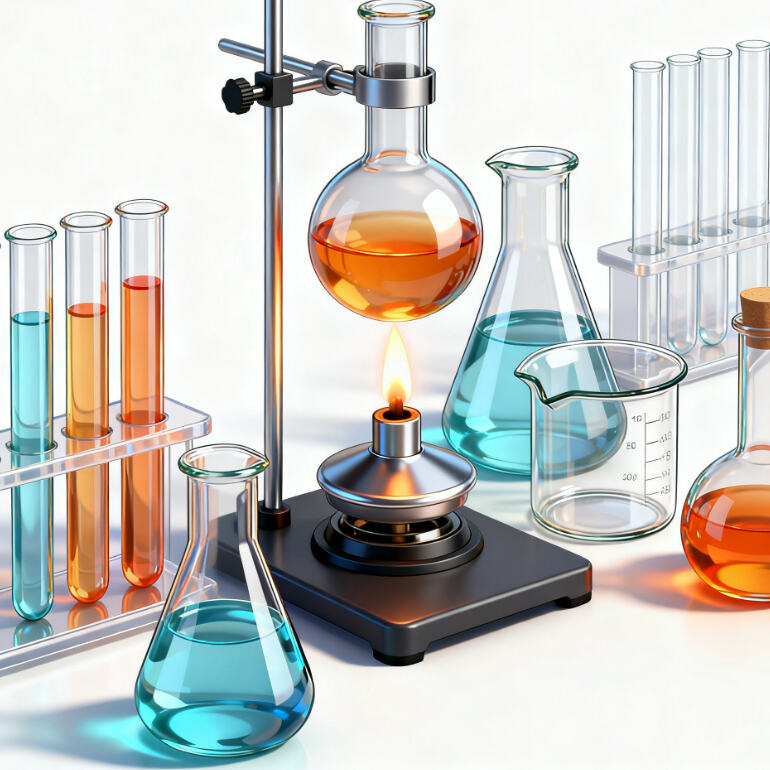
In educational environments, the distinction between teaching instruments and general classroom tools often remains unclear, yet understanding this difference is essential for educators, curriculum developers, and institutional procurement teams. Teaching instruments are specialized educational devices designed to demonstrate specific scientific principles, conduct controlled experiments, and enable hands-on learning experiences that transcend passive observation. Unlike general classroom tools such as whiteboards, projectors, or basic stationery, teaching instruments serve as precision-engineered apparatus that transform abstract concepts into tangible, measurable phenomena. This article explores the fundamental characteristics that distinguish teaching instruments from conventional classroom equipment, examining their design philosophy, functional capabilities, pedagogical applications, and the critical role they play in modern STEM education.
The evolution of educational methodology has increasingly emphasized experiential learning and inquiry-based instruction, creating growing demand for equipment that bridges theoretical knowledge with practical application. While general classroom tools facilitate information delivery and basic student activities, teaching instruments enable direct interaction with scientific phenomena, allowing learners to test hypotheses, collect empirical data, and develop critical analytical skills. This fundamental distinction shapes not only the physical design and manufacturing standards of these devices but also their integration into curriculum frameworks and their impact on learning outcomes. By examining the specific attributes that separate teaching instruments from everyday classroom supplies, educational institutions can make informed decisions about resource allocation and instructional strategy development.
Defining Characteristics of Teaching Instruments
Precision Engineering and Measurement Capabilities
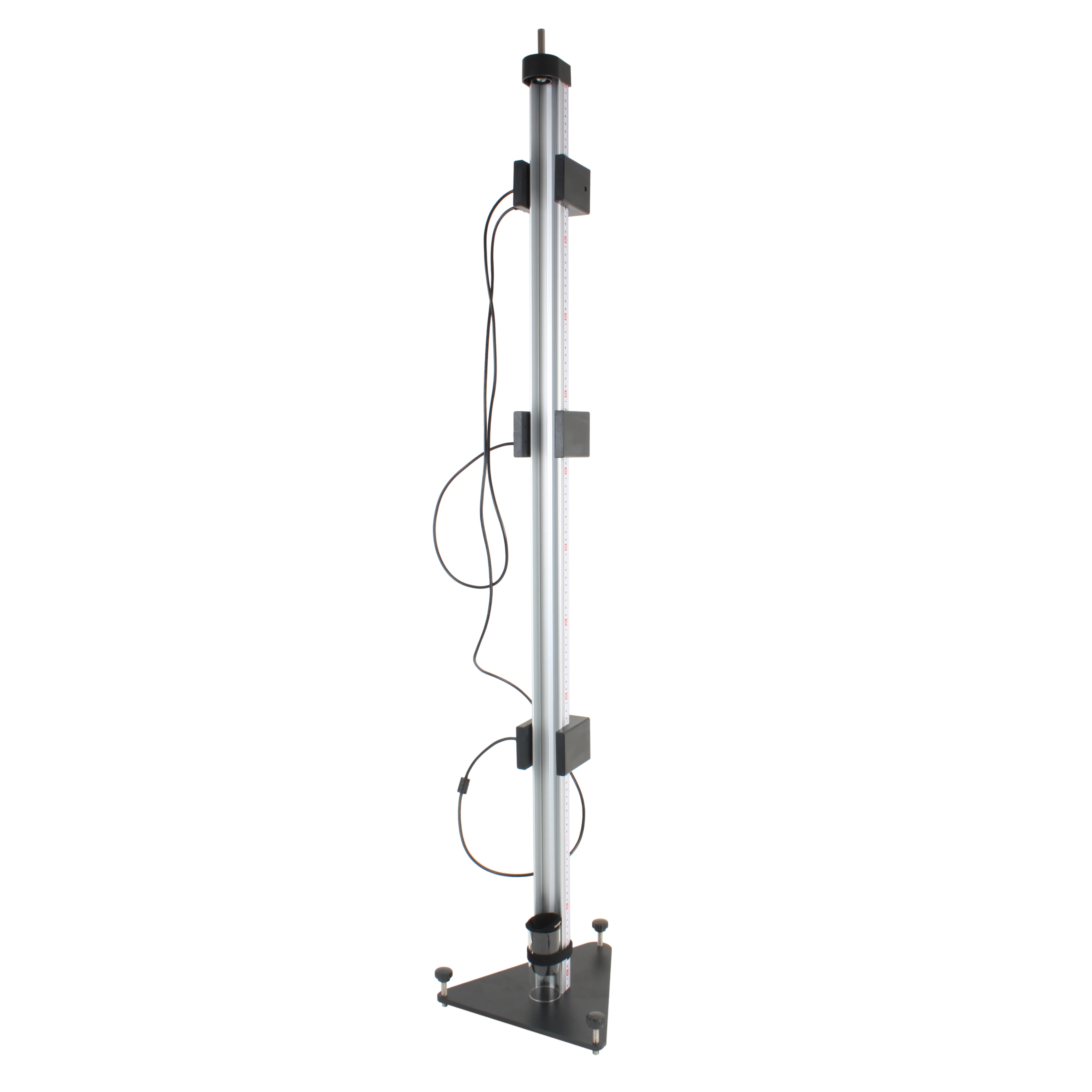
Teaching instruments are distinguished by their precision engineering, incorporating calibrated measurement systems that allow students to obtain quantifiable, reproducible results during laboratory exercises. Unlike general classroom tools that serve basic organizational or presentation functions, these specialized devices feature accurate gauges, sensors, and recording mechanisms designed to meet specific tolerance standards. For instance, an impact dropping test apparatus used as part of teaching instruments demonstrates gravitational acceleration and kinetic energy transfer through precisely controlled free-fall conditions, enabling students to verify theoretical calculations with actual measurements. This level of accuracy transforms classroom demonstrations from qualitative observations into rigorous scientific investigations.
The manufacturing standards applied to teaching instruments reflect their role in producing valid experimental data rather than simply supporting classroom management. Components undergo quality testing to ensure dimensional accuracy, material consistency, and functional reliability across repeated use cycles. This attention to precision enables educators to conduct demonstrations that yield consistent results semester after semester, building student confidence in scientific methodology. General classroom tools, conversely, prioritize durability and cost-effectiveness over measurement precision, as their primary function centers on content delivery rather than empirical investigation. The distinction becomes particularly evident when comparing a standard ruler used for drawing with a precision linear measurement tool designed for physics experiments measuring wavelength or displacement with sub-millimeter accuracy.
Demonstration of Specific Scientific Principles
Each category of teaching instruments is purposefully designed to illuminate particular scientific concepts, natural laws, or technical processes that form core elements of educational curricula. This targeted functionality differentiates them from multipurpose classroom tools that serve administrative or generic presentation needs. A calorimeter, for example, exclusively demonstrates thermal energy transfer and specific heat capacity, providing visual and quantifiable evidence of thermodynamic principles. Similarly, optical benches with adjustable lens holders enable precise investigation of refraction, focal length, and image formation, directly corresponding to specific learning objectives in physics education. This specialization means teaching instruments cannot be easily substituted or repurposed for unrelated activities without compromising their educational effectiveness.
The relationship between teaching instruments and curriculum standards is deliberately maintained through alignment with established educational frameworks. Manufacturers and educational committees collaborate to ensure that apparatus specifications match the experimental requirements outlined in national and international syllabi. When students use a pendulum apparatus to investigate periodic motion, the instrument's design parameters including length adjustment range, angular measurement precision, and timing accuracy directly support the specific learning outcomes defined in physics standards. General classroom tools lack this curricular specificity, functioning instead as universal aids applicable across diverse subjects and grade levels. This fundamental difference in purpose explains why teaching instruments require specialized training for proper operation, while general tools can be intuitively used by educators and students with minimal instruction.
Safety Standards and Risk Management Features
Teaching instruments incorporate comprehensive safety features that reflect the potentially hazardous nature of scientific experimentation, distinguishing them from conventional classroom equipment designed for passive information transfer. These safety considerations encompass material selection, protective barriers, emergency shutdown mechanisms, and clear operational protocols that minimize risk during student interaction. Electrical teaching instruments, for instance, employ low-voltage power supplies, insulated terminals, and current-limiting circuits that prevent dangerous exposure while still demonstrating electromagnetic principles effectively. Chemical demonstration apparatus includes spill containment features, ventilation compatibility, and materials resistant to corrosive substances, ensuring that laboratory activities remain within acceptable risk parameters.
The regulatory environment surrounding teaching instruments involves compliance with educational safety standards that do not apply to general classroom tools. Organizations such as ASTM International, ISO, and national education authorities establish specifications for laboratory equipment used in instructional settings, covering aspects from mechanical stability to electrical isolation. A microscope designated as a teaching instrument undergoes different certification processes than a document camera used for general classroom presentation, despite both serving visual magnification purposes. These standards address foreseeable misuse scenarios, age-appropriate handling capabilities, and long-term exposure considerations that reflect the hands-on nature of experimental learning. General classroom tools, operating in lower-risk contexts, face less stringent regulatory oversight, allowing for simpler designs and broader manufacturing tolerances.
Functional Distinctions in Educational Applications
Active Learning Versus Passive Content Delivery
The pedagogical function of teaching instruments centers on active learning methodologies where students directly manipulate variables, observe outcomes, and construct understanding through empirical investigation. This contrasts sharply with general classroom tools that primarily facilitate teacher-led instruction and passive information reception. When students operate a force measurement apparatus, adjusting loads and recording spring displacement, they engage in hypothesis testing and data interpretation that develops higher-order cognitive skills. This hands-on interaction with teaching instruments creates memorable learning experiences that enhance knowledge retention and conceptual understanding far beyond what traditional lecture-based approaches achieve using only projectors and presentation software.
Research in educational psychology consistently demonstrates that experiential learning through teaching instruments produces superior outcomes in STEM subjects compared to instruction relying solely on general classroom tools. The kinesthetic engagement, immediate feedback, and problem-solving demands inherent in laboratory work activate multiple cognitive pathways, strengthening neural connections associated with scientific reasoning. A student who personally conducts an experiment with teaching instruments to verify Ohm's law develops deeper comprehension than one who merely views circuit diagrams on a whiteboard. This fundamental difference in learning modality explains why institutions committed to excellence in science education allocate significant resources to laboratory equipment rather than investing exclusively in general presentation technology.
Curriculum Integration and Learning Objective Alignment
Teaching instruments are explicitly mapped to specific learning objectives within structured curricula, serving as essential tools for achieving defined educational outcomes rather than optional enhancements. Curriculum developers identify which scientific concepts require hands-on demonstration and select or design teaching instruments that provide the necessary experimental capabilities. A unit on collision physics necessitates apparatus capable of demonstrating elastic and inelastic impacts with measurable momentum transfer, directly informing the selection of appropriate teaching instruments. General classroom tools, lacking this tight coupling to specific learning objectives, function as generic facilitators applicable across diverse subjects and activities without fundamentally changing the nature of content delivery.
The assessment frameworks used in science education further highlight this distinction, as practical examination components specifically evaluate student competency in operating teaching instruments and interpreting experimental results. These performance-based assessments require students to demonstrate proficiency with specialized equipment, conduct procedures according to established protocols, and analyze data using appropriate scientific methods. Such evaluations cannot be conducted using general classroom tools alone, as they fail to provide the experimental context necessary for authentic skill assessment. The alignment between teaching instruments, instructional objectives, and evaluation methods creates an integrated educational system where equipment selection directly impacts measurable learning outcomes and student preparedness for advanced scientific study.
Durability and Maintenance Requirements
Teaching instruments are engineered for sustained operational use under conditions that would quickly degrade general classroom tools, incorporating robust construction, replaceable components, and maintainable systems that extend functional lifespan. Laboratory environments subject equipment to repeated setup and breakdown cycles, exposure to various substances, mechanical stress from student handling, and continuous adjustment of precision components. Quality teaching instruments address these demands through reinforced housings, corrosion-resistant materials, modular designs allowing component replacement, and clear maintenance documentation. A properly maintained spectrometer or oscilloscope can provide decades of reliable service in educational settings, justifying the higher initial investment compared to consumable classroom supplies.
The maintenance protocols for teaching instruments require specialized knowledge and periodic calibration procedures that general classroom tools do not demand. Science departments typically maintain equipment inventories, schedule regular inspection and servicing, and train designated personnel in proper care and adjustment procedures. This systematic approach ensures that teaching instruments remain within specified operational tolerances, preserving their educational effectiveness and safety compliance. A balance used for precise mass measurement requires regular calibration verification and environmental control that a standard classroom scale does not need. This maintenance complexity reflects the critical role teaching instruments play in producing valid scientific results, where equipment accuracy directly affects the educational value of laboratory activities and student confidence in experimental methodology.
Design Philosophy and Manufacturing Differences
Educational Ergonomics and User Interface Considerations
The user interface design of teaching instruments prioritizes student accessibility, clear visual feedback, and intuitive operation that accommodates varying skill levels while maintaining scientific rigor. Manufacturers recognize that these devices must serve dual purposes: demonstrating sophisticated scientific principles while remaining comprehensible to learners encountering concepts for the first time. Control layouts employ logical organization, clearly labeled adjustments, and immediate visual or auditory confirmation of operational changes. Teaching instruments often feature oversized displays, color-coded components, and simplified adjustment mechanisms that reduce cognitive load during experimental procedures, allowing students to focus on scientific observations rather than equipment operation. This pedagogical emphasis in design separates teaching instruments from professional laboratory equipment or general classroom tools, both of which prioritize different user requirements.
The transparency principle guides teaching instruments design, making internal mechanisms visible or providing clear diagrams that reveal how the apparatus functions. Unlike sealed consumer electronics or general classroom tools that conceal internal workings, teaching instruments often feature transparent housings, exposed mechanical linkages, or cutaway sections that transform the device itself into a learning object. When students observe how a vacuum pump creates low pressure conditions or how a transformer steps voltage up or down through visible coil windings, the teaching instruments become multidimensional educational resources. This design approach acknowledges that understanding the experimental apparatus enhances comprehension of the phenomena being investigated, creating learning opportunities beyond the immediate experiment being conducted. General classroom tools, designed purely for functional utility, offer no such instructional transparency.
Material Selection for Repeated Demonstrations
Teaching instruments utilize materials selected for their ability to withstand thousands of demonstration cycles while maintaining consistent performance characteristics essential for valid scientific investigation. The material science underlying quality teaching instruments considers factors including chemical resistance, thermal stability, mechanical wear patterns, and safety under student handling conditions. Aluminum alloys, stainless steel, borosilicate glass, and engineered plastics dominate construction specifications due to their favorable combinations of durability, safety, and appropriate physical properties. A mechanics demonstration set might employ hardened steel bearings and precision-ground shafts to ensure minimal friction losses across years of use, while chemical apparatus uses borosilicate glass resistant to thermal shock and most reagents encountered in educational settings.
The contrast with general classroom tools becomes evident when examining material requirements: a presentation pointer can employ lightweight, cost-optimized plastics sufficient for occasional use, while a rheometer measuring fluid viscosity requires precision-machined cylinders with specific surface finishes and dimensional tolerances measured in micrometers. This material specification rigor ensures that teaching instruments produce consistent, curriculum-relevant results regardless of environmental variations or handling by successive student cohorts. The investment in premium materials reflects the fundamental purpose difference: teaching instruments must reliably demonstrate natural laws and scientific principles, where equipment inconsistency would undermine educational objectives, while general classroom tools simply need sufficient durability for their assistive functions.
Modularity and Experimental Flexibility
Advanced teaching instruments incorporate modular design principles that enable configuration changes to support multiple experiments and diverse demonstration scenarios within a single equipment investment. This adaptability extends the educational utility of teaching instruments beyond single-purpose demonstrations, allowing institutions to address broader curriculum requirements with optimized resource allocation. An optics bench system, for example, accepts interchangeable components including various lenses, mirrors, light sources, and measurement scales, enabling investigations of reflection, refraction, interference, diffraction, and polarization using a common base platform. This modularity encourages experimental creativity and allows educators to design custom demonstrations addressing specific student misconceptions or advanced topics.
General classroom tools lack comparable flexibility, as their designs optimize for specific, unchanging functions. A projector displays content but cannot be reconfigured to perform alternative classroom support roles. Teaching instruments, conversely, are conceived as platforms supporting inquiry-based learning where experimental parameters require adjustment to test hypotheses and explore variable relationships. The ability to modify teaching instruments configurations teaches valuable lessons about experimental design, variable control, and systematic investigation methodology that extend beyond the immediate scientific content being studied. This pedagogical dimension of modularity represents sophisticated educational thinking embedded in teaching instruments design, reflecting understanding that learning processes often prove as valuable as specific content knowledge in developing scientifically literate graduates.
Investment Considerations and Institutional Decision-Making
Cost-Benefit Analysis in Educational Procurement
Educational institutions face complex procurement decisions when allocating limited budgets between teaching instruments and general classroom tools, requiring analysis that extends beyond simple price comparison to encompass educational impact, longevity, and learning outcome contributions. Teaching instruments typically command significantly higher unit costs than general classroom tools, reflecting their specialized design, precision manufacturing, compliance with educational safety standards, and sustained performance requirements. A comprehensive free-fall apparatus demonstrating gravitational acceleration and impact dynamics represents an investment often exceeding the combined cost of multiple projectors, document cameras, and presentation equipment. However, the educational value proposition differs fundamentally: teaching instruments enable experiential learning and skill development impossible to achieve through passive content delivery systems.
The return on investment calculation for teaching instruments must account for factors including student engagement improvement, practical skill development, curriculum compliance, accreditation requirements, and competitive positioning in attracting quality students and faculty. Institutions emphasizing STEM excellence recognize that laboratory capabilities directly influence program reputation and graduate employability, justifying premium allocations for teaching instruments despite budget pressures. The cost-per-student-use metric over equipment lifespan often reveals that quality teaching instruments deliver superior economic value compared to frequently replaced general classroom tools, particularly when accounting for the irreplaceable educational experiences they provide. Procurement decisions guided by comprehensive value assessment rather than initial price comparison tend to produce stronger educational outcomes and more satisfied stakeholders.
Vendor Selection and Quality Assurance
Selecting suppliers for teaching instruments requires evaluation criteria substantially different from those applied to general classroom tool procurement, emphasizing technical expertise, educational sector experience, compliance documentation, and long-term support capabilities. Reputable teaching instruments manufacturers maintain deep understanding of curriculum requirements, safety regulations, pedagogical best practices, and the practical realities of educational environments. They provide detailed technical specifications, operation manuals, safety documentation, maintenance guidelines, and often training resources that enable effective integration into instructional programs. The vendor relationship for teaching instruments typically extends beyond simple equipment supply to include consultation on laboratory design, experimental procedure development, and ongoing technical support addressing operational questions.
Quality assurance processes for teaching instruments procurement involve verification of compliance certifications, review of manufacturing standards, evaluation of component specifications, and often direct inspection or demonstration of equipment performance. Educational institutions should request documentation of calibration procedures, material certifications, safety testing results, and conformity with relevant international standards. The complexity of teaching instruments procurement contrasts sharply with general classroom tool acquisition, where standardized commodity products require minimal technical evaluation. Establishing relationships with specialized educational equipment suppliers who understand the unique requirements of teaching instruments ensures access to appropriate products, technical expertise, and support services that maximize educational value from laboratory investments.
Lifecycle Management and Replacement Planning
Effective management of teaching instruments requires strategic lifecycle planning that addresses acquisition, deployment, maintenance, calibration, upgrading, and eventual replacement within frameworks that ensure continuous instructional capability. Unlike general classroom tools that follow simple replacement cycles based on physical deterioration, teaching instruments demand proactive management accounting for technological advancement, curriculum evolution, changing safety standards, and shifting pedagogical approaches. A comprehensive equipment inventory system tracks each instrument's acquisition date, maintenance history, calibration status, utilization rates, and condition assessment, informing data-driven decisions about refurbishment versus replacement and prioritization of capital expenditures.
The typical operational lifespan of quality teaching instruments extends from ten to thirty years depending on technology type, maintenance quality, and usage intensity, far exceeding the replacement cycles of general classroom tools. This durability creates both opportunities and challenges: properly maintained teaching instruments deliver exceptional long-term value, but aging equipment may gradually diverge from current curriculum requirements or safety expectations. Progressive institutions implement rolling replacement programs that systematically update laboratory capabilities while maintaining core instructional functionality, balancing fiscal constraints against educational innovation demands. The lifecycle perspective recognizes teaching instruments as long-term institutional assets requiring investment in proper care, periodic upgrading, and strategic renewal rather than disposable supplies subject to frequent replacement.
Impact on Learning Outcomes and Educational Quality
Development of Practical Laboratory Skills
Teaching instruments serve as essential platforms for developing practical laboratory competencies that distinguish scientifically trained graduates from those with purely theoretical knowledge. The hands-on operation of specialized equipment cultivates technical skills including proper measurement technique, equipment setup procedures, systematic observation methods, data recording practices, and safety protocol adherence. Students who regularly engage with teaching instruments develop tactile familiarity with scientific apparatus, confidence in experimental procedures, and problem-solving abilities applicable across diverse technical contexts. These practical competencies represent crucial elements of scientific literacy that cannot be acquired through lectures, textbook study, or use of general classroom tools alone.
The transferable skills developed through teaching instruments operation extend beyond immediate subject content to encompass critical thinking, analytical reasoning, attention to detail, and systematic methodology valuable in numerous professional contexts. Employers in technical industries consistently identify laboratory experience as a differentiating qualification when evaluating candidates, recognizing that familiarity with teaching instruments indicates practical capability beyond abstract knowledge. Educational programs incorporating extensive laboratory work using appropriate teaching instruments produce graduates better prepared for research positions, industrial roles, and advanced study compared to programs relying primarily on theoretical instruction supported only by general classroom tools. This workforce preparation dimension elevates teaching instruments from optional enhancements to essential educational infrastructure components.
Enhancement of Conceptual Understanding Through Empirical Validation
The opportunity to personally verify theoretical principles through controlled experiments using teaching instruments profoundly strengthens conceptual understanding and retention compared to passive acceptance of presented information. When students use apparatus to measure physical constants, observe predicted phenomena, or test scientific laws, they develop internalized conviction about scientific truth built on direct evidence rather than authority. This empirical validation process transforms abstract equations and diagrams into tangible reality, bridging the gap between mathematical formalism and physical phenomena that challenges many learners. Teaching instruments make science real in ways that general classroom tools cannot achieve, creating memorable learning experiences that shape long-term scientific understanding.
The constructivist learning theory underlying modern science education emphasizes that students build knowledge through active engagement with phenomena rather than passive reception of information. Teaching instruments provide the material basis for constructivist pedagogy, offering concrete experiences around which conceptual understanding develops. When experimental results align with theoretical predictions, students gain confidence in scientific methodology and mathematical modeling; when discrepancies arise, productive discussions about measurement error, experimental limitations, and model assumptions deepen understanding of scientific practice. These rich learning opportunities distinguish education utilizing appropriate teaching instruments from programs dependent on general classroom tools that support only observational learning without personal empirical engagement.
Preparation for Advanced Study and Professional Practice
Comprehensive exposure to teaching instruments during foundational education establishes essential preparation for advanced academic study and professional scientific practice where sophisticated experimental capabilities become routine requirements. Students entering graduate programs or research positions must demonstrate facility with laboratory techniques, measurement methodologies, and experimental design principles best developed through extensive undergraduate experience with teaching instruments. The transition from educational to professional contexts involves scaling up complexity and precision rather than learning fundamentally new approaches when students have solid grounding in experimental practice. Programs providing robust laboratory experiences using quality teaching instruments position graduates for success in competitive academic and industrial environments.
The professional credibility of science and engineering programs depends substantially on laboratory infrastructure quality and the extent to which teaching instruments enable authentic experimental experiences. Accreditation bodies, professional societies, and industry partners evaluate programs based on laboratory capabilities recognizing that practical skills development requires appropriate equipment. Institutions investing strategically in teaching instruments demonstrate commitment to comprehensive education that balances theoretical and practical elements, attracting motivated students, qualified faculty, and research opportunities. The competitive advantage conferred by superior laboratory capabilities extends beyond immediate educational outcomes to influence institutional reputation, partnership opportunities, and long-term program viability in increasingly competitive higher education markets.
FAQ
What makes teaching instruments different from regular classroom equipment?
Teaching instruments are specialized educational devices designed for hands-on scientific experimentation and demonstration of specific principles, featuring precision measurement capabilities, safety compliance, and alignment with curriculum standards. Regular classroom equipment like projectors or whiteboards facilitates content delivery but does not enable direct empirical investigation or development of laboratory skills that teaching instruments provide through controlled experimental conditions and quantifiable results.
How do institutions justify the higher cost of teaching instruments compared to general classroom tools?
Educational institutions justify teaching instruments investments by evaluating long-term educational impact including enhanced learning outcomes, practical skill development, improved student engagement, accreditation compliance, program competitiveness, and graduate employability. Quality teaching instruments offer decades of reliable service supporting experiential learning impossible to replicate with general classroom tools, delivering superior value when assessed through comprehensive metrics beyond initial purchase price alone.
Can general classroom technology replace the need for physical teaching instruments?
General classroom technology cannot fully replace physical teaching instruments because scientific literacy requires hands-on experimental experience, tactile engagement with equipment, direct observation of phenomena, and development of practical laboratory skills. While simulation software and multimedia presentations serve valuable supplementary roles, they lack the empirical authenticity, unexpected results, troubleshooting demands, and kinesthetic learning dimensions that physical teaching instruments provide through actual experimentation with real materials and measurable outcomes.
What factors should educators consider when selecting teaching instruments for their programs?
Educators should consider curriculum alignment with specific learning objectives, safety certification compliance, measurement precision requirements, durability under repeated student use, maintenance demands and costs, vendor support availability, modularity for multiple experiments, student accessibility features, and long-term educational value when selecting teaching instruments. These criteria ensure equipment purchases support defined pedagogical goals while providing reliable performance throughout extended operational lifespans in educational environments.
Table of Contents
- Defining Characteristics of Teaching Instruments
- Functional Distinctions in Educational Applications
- Design Philosophy and Manufacturing Differences
- Investment Considerations and Institutional Decision-Making
- Impact on Learning Outcomes and Educational Quality
-
FAQ
- What makes teaching instruments different from regular classroom equipment?
- How do institutions justify the higher cost of teaching instruments compared to general classroom tools?
- Can general classroom technology replace the need for physical teaching instruments?
- What factors should educators consider when selecting teaching instruments for their programs?