
 EN
EN

In educational laboratories and technical training environments, the integrity of measurement data depends entirely on the precision of teaching instruments. Whether students are learning fundamental electrical principles with multimeters or conducting chemistry experiments with analytical balances, the accuracy of these instruments directly impacts learning outcomes and safety protocols. Calibration for teaching instruments represents the systematic process of comparing measurement values against recognized standards to ensure reliability, establish traceability, and maintain educational credibility. Without proper calibration, teaching instruments can drift from their original specifications, introducing measurement errors that distort experimental results and compromise the validity of scientific education. This critical maintenance procedure not only preserves measurement accuracy but also instills quality assurance principles in students who will carry these practices into professional environments.
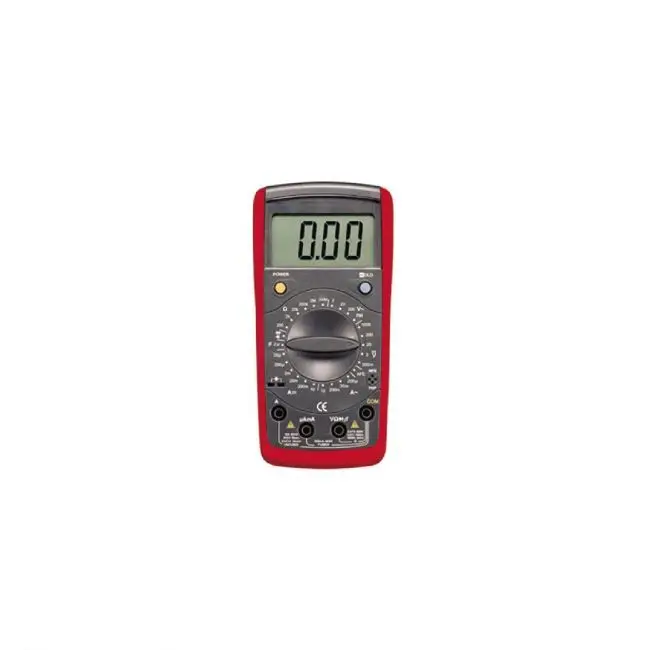
The consequences of neglecting calibration for teaching instruments extend beyond simple measurement inaccuracies. In physics laboratories, uncalibrated oscilloscopes can misrepresent waveform characteristics, leading students to draw incorrect conclusions about circuit behavior. In chemistry settings, improperly calibrated pH meters may indicate false acidity levels, potentially creating hazardous mixing conditions or invalidating entire experimental procedures. Educational institutions bear responsibility not only for delivering accurate scientific knowledge but also for maintaining safe learning environments where measurement reliability prevents dangerous miscalculations. Furthermore, when students consistently work with properly calibrated equipment, they develop an intuitive understanding of measurement confidence and experimental validity that becomes foundational to their scientific literacy. The investment in systematic calibration procedures pays dividends in educational quality, laboratory safety, and the professional preparedness of graduates entering technical fields.
Understanding the Fundamental Importance of Calibration in Educational Settings
Establishing Measurement Traceability and Educational Credibility
Calibration for teaching instruments creates an unbroken chain of measurement traceability that connects classroom experiments to international standards maintained by national metrology institutes. This traceability ensures that when a student measures voltage with a digital multimeter in a university laboratory, that measurement relates directly to the same voltage standard used in professional engineering facilities worldwide. Educational institutions that maintain rigorous calibration programs demonstrate commitment to measurement quality that enhances their academic reputation and accreditation standing. Accrediting bodies increasingly scrutinize laboratory quality assurance procedures, recognizing that calibration discipline reflects overall institutional commitment to scientific rigor. When teaching instruments carry valid calibration certificates with documented uncertainty values, students learn that measurement is never absolute but always accompanied by quantified confidence intervals.
The educational value of calibration for teaching instruments extends to teaching methodology itself. Instructors can use calibration procedures as practical demonstrations of quality management principles, showing students how professional laboratories maintain measurement integrity. By exposing students to calibration certificates, uncertainty budgets, and traceability chains, educators provide real-world context for abstract statistical concepts taught in separate coursework. This integrated approach helps students understand that scientific knowledge rests on a foundation of verified measurements rather than assumed accuracy. Furthermore, institutions that document calibration histories build confidence among external research partners and industry collaborators who may wish to validate student project data or replicate experimental conditions using comparable measurement capabilities.
Preventing Systematic Errors That Compromise Learning Outcomes
Uncalibrated teaching instruments introduce systematic measurement bias that corrupts experimental data in predictable but unrecognized patterns. Unlike random errors that average out across multiple measurements, systematic errors consistently shift all readings in one direction, creating false experimental relationships that students may mistakenly accept as scientific principles. For example, a thermometer with a constant positive offset might lead students to calculate incorrect thermal expansion coefficients that appear consistent across multiple trials but deviate significantly from published values. When such discrepancies arise, students may lose confidence in theoretical predictions or waste valuable laboratory time troubleshooting equipment problems that stem entirely from calibration drift. Regular calibration for teaching instruments eliminates these hidden biases, ensuring that when experimental results deviate from theoretical expectations, students can explore meaningful scientific questions rather than chasing phantom equipment problems.
The pedagogical impact of measurement accuracy becomes particularly critical in advanced laboratory courses where students conduct original research or validation experiments. Graduate students developing thesis projects or undergraduate teams participating in research competitions rely on teaching instruments to generate defensible data that can withstand peer review and scientific scrutiny. Inadequate calibration for teaching instruments in these contexts can invalidate months of experimental work, forcing students to repeat entire investigation sequences after discovering that baseline measurements lacked traceability. Beyond the practical waste of time and resources, such experiences can damage student motivation and confidence in scientific methodology. Conversely, when institutions maintain exemplary calibration programs, students develop professional-grade research habits that translate directly into career readiness and competitive advantage in graduate school applications or employment opportunities.
Safety Imperatives Driving Calibration Requirements for Teaching Instruments
Electrical Safety in Electronics and Engineering Laboratories
Calibration for teaching instruments takes on life-safety significance in electrical laboratories where students work with potentially lethal voltages and currents. Digital multimeters, clamp meters, and insulation testers must provide accurate readings that allow students to verify circuit de-energization before handling equipment or confirm that protective devices operate within safe parameters. A multimeter that reads zero volts on a circuit that actually carries dangerous potential creates an immediate electrocution hazard, while one that underreports current might fail to reveal overload conditions that could cause fires or equipment damage. Professional electrical safety standards require periodic verification of test equipment accuracy specifically because measurement reliability directly impacts worker protection. Educational institutions must apply these same standards to teaching environments, recognizing that student safety depends on measurement trust just as critically as in industrial settings.
The calibration for teaching instruments used in electrical measurements also ensures that protective features like overvoltage protection and input impedance remain within specification. These safety characteristics can degrade over time through component aging or mechanical stress, even when basic measurement accuracy appears acceptable during casual use. Comprehensive calibration procedures verify not only measurement linearity and resolution but also safety-critical parameters that protect users from transient voltages or unexpected circuit conditions. When students learn to check calibration status before using test equipment, they internalize safety protocols that will protect them throughout their careers. This habit formation represents one of the most valuable outcomes of rigorous calibration programs in educational settings, extending safety culture beyond the immediate classroom into professional practice.
Chemical Safety and Analytical Precision in Science Education
Chemistry and biology laboratories depend on calibration for teaching instruments to prevent dangerous chemical reactions and exposure incidents. pH meters that drift out of calibration may indicate safe neutrality when solutions actually remain acidic or alkaline, leading students to handle corrosive materials without appropriate precautions. Similarly, analytical balances that lose calibration accuracy can cause students to prepare solutions with incorrect concentrations, creating unexpected reaction rates or generating toxic byproducts. The safety margins built into educational experiments assume that measurement instruments provide readings within specified accuracy ranges. When calibration for teaching instruments lapses, these safety buffers erode unpredictably, exposing students to chemical hazards that experiment designers explicitly anticipated and controlled through proper measurement protocols.
Spectrophotometers, gas chromatographs, and other analytical instruments used in advanced chemistry instruction require calibration for teaching instruments to ensure that students can accurately identify unknown substances and verify reaction completeness. Misidentification of chemical compounds due to instrument drift can lead students to dispose of hazardous materials incorrectly or mix incompatible substances during cleanup procedures. These safety implications extend beyond the immediate experimental context into waste management and environmental compliance, where accurate chemical characterization determines appropriate handling protocols. Educational institutions that maintain rigorous calibration schedules demonstrate due diligence in protecting both student safety and environmental responsibility, creating laboratory cultures where measurement accuracy and safety awareness reinforce each other through consistent quality practices.
Technical Implementation of Effective Calibration Programs for Educational Instruments
Establishing Calibration Intervals Based on Usage Patterns and Drift Characteristics
Effective calibration for teaching instruments requires establishing appropriate calibration intervals that balance measurement reliability against resource constraints typical of educational budgets. Unlike industrial instruments that may operate continuously under controlled conditions, teaching instruments experience intermittent use with wide variations in handling quality as different student groups cycle through laboratory sessions. This usage pattern accelerates mechanical wear on switches, connectors, and adjustment controls while introducing greater risk of physical damage from accidental drops or improper storage. Calibration intervals must account for these stressors by implementing more frequent verification than might be necessary for identical instruments in professional laboratories. Many educational institutions adopt annual calibration cycles as baseline practice, with quarterly verification checks for instruments subject to heavy use or critical safety applications.
The technical foundation for calibration for teaching instruments includes maintaining detailed usage logs and historical performance records that reveal instrument-specific drift patterns. Some instruments demonstrate remarkable stability over multi-year periods, while others drift predictably within months of initial calibration. By analyzing historical calibration data, laboratory managers can optimize verification schedules to catch drift before it impacts educational outcomes while avoiding unnecessary calibration expense for exceptionally stable instruments. This data-driven approach to calibration scheduling represents best practice in measurement quality management, allowing institutions to allocate limited calibration budgets efficiently while maintaining measurement integrity across diverse instrument populations. Advanced programs may implement risk-based calibration strategies where instruments used in safety-critical applications or advanced research receive more frequent attention than those supporting basic demonstration experiments.
Selecting Appropriate Calibration Standards and Reference Materials
The technical validity of calibration for teaching instruments depends entirely on the quality and traceability of reference standards used during verification procedures. Educational institutions must source calibration standards from accredited suppliers who provide documentation linking their references to national measurement institutes through unbroken traceability chains. For electrical measurements, this typically means obtaining standard resistors, voltage references, and frequency sources with calibration certificates stating measurement uncertainty and conformance to ISO 17025 requirements. For dimensional measurements, gauge blocks and certified rulers must carry similar documentation demonstrating traceable accuracy. The uncertainty ratio between calibration standards and instruments under test should typically exceed 4:1, ensuring that reference uncertainty contributes negligibly to overall measurement confidence.
Chemical calibration for teaching instruments presents unique challenges in maintaining reference material stability and documenting shelf life limitations. Buffer solutions for pH meter calibration, standard solutions for spectrophotometer verification, and certified reference materials for chromatography all have finite stability periods that require careful inventory management. Educational institutions must implement formal programs for tracking reference material expiration dates and maintaining appropriate storage conditions that preserve certified accuracy. When calibration procedures use expired or improperly stored reference materials, the entire calibration exercise becomes meaningless regardless of procedural rigor, as the reference values themselves lack validity. This challenge becomes particularly acute in educational settings where budget constraints may tempt administrators to extend reference material use beyond certified periods, undermining the fundamental purpose of calibration programs.
Integrating Calibration Practices into Educational Curriculum and Laboratory Culture
Teaching Calibration Principles as Essential Scientific Methodology
Progressive educational programs incorporate calibration for teaching instruments directly into laboratory curriculum, treating measurement quality assurance as fundamental scientific methodology rather than invisible maintenance activity. Students who understand why instruments require calibration, how calibration procedures establish measurement confidence, and what calibration certificates communicate about measurement uncertainty develop more sophisticated scientific literacy. Laboratory exercises can include calibration verification activities where students compare instrument readings against certified references, calculate observed errors, and determine whether instruments remain within specification. These hands-on experiences demystify calibration processes while reinforcing statistical concepts related to measurement uncertainty and confidence intervals. When students actively participate in calibration verification, they develop intuitive understanding of measurement limitations that informs their interpretation of experimental data throughout their scientific careers.
Advanced courses can explore the economic and regulatory aspects of calibration for teaching instruments, preparing students for industrial environments where measurement quality directly impacts product compliance and business liability. Case studies examining measurement failures in manufacturing, healthcare, or environmental monitoring contexts illustrate real-world consequences of inadequate calibration programs. Students learn to appreciate that calibration represents not merely technical box-checking but fundamental due diligence that organizations must maintain to ensure product quality, regulatory compliance, and professional liability protection. This broader perspective helps students understand their future roles in maintaining quality systems and advocating for adequate measurement resources when they enter professional practice. Educational institutions that integrate calibration principles throughout their curriculum produce graduates who understand measurement quality as essential professional competency rather than specialized knowledge confined to metrology departments.
Building Institutional Culture Around Measurement Quality and Continuous Improvement
Sustainable calibration for teaching instruments requires institutional commitment that extends beyond individual faculty initiative to encompass administrative support, budget allocation, and cultural recognition of measurement quality importance. Laboratory managers need adequate resources to maintain calibration schedules, purchase reference standards, and train technical staff in proper verification procedures. Faculty must receive professional development opportunities that keep them current with calibration best practices and metrology standards relevant to their disciplines. Students need visible reinforcement that measurement quality matters, seeing calibration certificates posted on instruments, observing faculty checking calibration status before experiments, and hearing consistent messaging that accurate measurements depend on verified equipment. These cultural elements create environments where calibration for teaching instruments becomes normalized routine rather than occasional intervention triggered by obvious equipment malfunction.
Leading educational institutions implement formal quality management systems for their teaching laboratories, adopting frameworks from ISO 9001 or ISO/IEC 17025 that codify calibration requirements within broader quality assurance contexts. These systems establish document control for calibration procedures, maintain equipment inventories with scheduled verification dates, and implement nonconformance procedures when instruments fail calibration tests. While such formality may seem excessive for teaching environments, it provides valuable learning opportunities for students while ensuring that laboratory operations meet standards expected in professional practice. Students who experience well-managed laboratory quality systems understand organizational structures they will encounter in industry, recognizing that technical competence alone proves insufficient without supporting administrative frameworks that maintain continuous quality assurance. This systems-level perspective represents sophisticated professional preparation that distinguishes graduates from institutions with comprehensive quality cultures.
FAQ
How often should teaching instruments be calibrated in educational laboratories?
Calibration frequency for teaching instruments depends on several factors including instrument type, usage intensity, manufacturer recommendations, and historical drift patterns. As general practice, most educational institutions implement annual calibration cycles for precision measurement equipment like digital multimeters, oscilloscopes, and analytical balances. Instruments subjected to heavy student use or involved in safety-critical applications may require quarterly or semi-annual verification. Conversely, demonstration instruments used infrequently for basic concept illustration might operate on extended calibration intervals if historical data demonstrates exceptional stability. The key is establishing risk-based calibration schedules that prioritize frequent verification for instruments where accuracy directly impacts student safety or research data validity, while optimizing resource allocation for less critical applications. Institutions should maintain calibration records that document drift patterns over time, using this historical data to refine calibration intervals and identify instruments requiring more frequent attention or potential replacement due to chronic instability.
Can educational institutions perform calibration for teaching instruments internally or must they use external services?
Educational institutions can perform calibration for teaching instruments internally provided they maintain appropriate reference standards, qualified personnel, and documented procedures that ensure measurement traceability. Successful in-house calibration programs require investing in calibration standards with certified accuracy traceable to national metrology institutes, training technical staff in proper verification techniques, and maintaining environmental controls that support stable measurement conditions. Many institutions adopt hybrid approaches where simple verification procedures like pH meter buffer checks or balance linearity tests occur internally using certified reference materials, while complex calibrations requiring specialized equipment are outsourced to accredited calibration laboratories. This strategy optimizes cost efficiency while maintaining measurement integrity across diverse instrument populations. The critical requirement for internal calibration programs is maintaining rigorous documentation including calibration procedures, reference standard certificates, environmental condition records, and technician qualification evidence. Without these supporting elements, internal calibration activities lack the traceability and credibility necessary to support educational quality assurance and accreditation requirements.
What documentation should accompany calibrated teaching instruments?
Properly calibrated teaching instruments should carry visible calibration labels indicating calibration date, due date for next verification, and unique identification linking instruments to detailed calibration certificates. Complete calibration documentation includes certificates stating measurement uncertainty for each calibrated parameter, traceability statements linking measurements to national standards, listing of reference equipment used during calibration, environmental conditions during verification, and technician qualifications. These certificates provide essential information for interpreting measurement confidence and determining whether instruments meet accuracy requirements for specific experimental applications. Educational institutions should maintain centralized calibration records accessible to faculty and laboratory managers, enabling them to verify instrument status before assigning equipment to student experiments or research projects. Advanced programs may implement database systems that track calibration histories, generate automatic notifications when verification becomes due, and maintain usage logs correlating instrument performance with handling patterns. This documentation infrastructure supports not only measurement quality but also accreditation compliance and continuous improvement initiatives that enhance overall laboratory effectiveness.
What should be done when teaching instruments fail calibration verification?
When calibration for teaching instruments reveals measurements outside acceptable tolerance, institutions must immediately remove affected equipment from service and assess potential impact on recent experimental data. Laboratory managers should review usage logs to identify student groups or research projects that may have relied on compromised measurements during the period since last successful calibration. Depending on deviation severity and application criticality, affected experiments may require repetition using properly calibrated equipment. Failed instruments should undergo diagnostic evaluation to determine whether adjustment, repair, or replacement represents the most appropriate corrective action. Simple issues like discharged batteries, corroded connectors, or misaligned mechanical components may resolve through routine maintenance, restoring instruments to specification. Chronic calibration failures or instruments requiring repeated adjustment between verification intervals indicate fundamental reliability problems warranting replacement. Educational institutions should maintain clear policies defining acceptable calibration failure rates and circumstances triggering equipment retirement, ensuring that students consistently work with reliable measurement tools that support valid learning experiences and defensible research outcomes.
Table of Contents
- Understanding the Fundamental Importance of Calibration in Educational Settings
- Safety Imperatives Driving Calibration Requirements for Teaching Instruments
- Technical Implementation of Effective Calibration Programs for Educational Instruments
- Integrating Calibration Practices into Educational Curriculum and Laboratory Culture
-
FAQ
- How often should teaching instruments be calibrated in educational laboratories?
- Can educational institutions perform calibration for teaching instruments internally or must they use external services?
- What documentation should accompany calibrated teaching instruments?
- What should be done when teaching instruments fail calibration verification?