 EN
EN
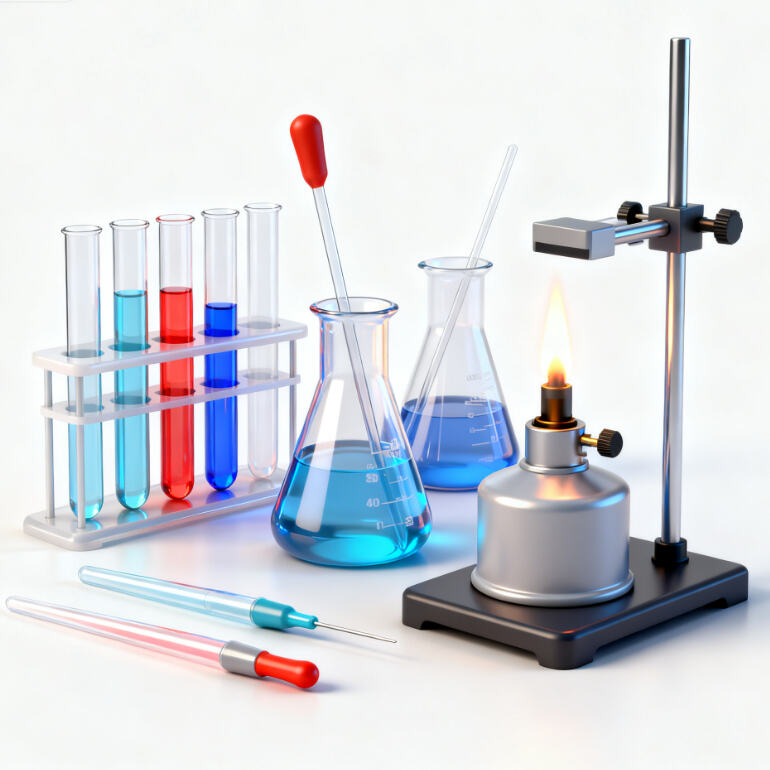
When the Riverside Unified School District faced declining student engagement in science and technology courses, administrators knew that traditional lectures and outdated resources were no longer sufficient to prepare students for a rapidly evolving world. The district embarked on a comprehensive initiative to modernize its teaching equipment, transforming classrooms into dynamic learning environments where theoretical concepts came alive through hands-on experimentation. This case study examines how strategic investment in quality teaching equipment not only revitalized student interest but also measurably improved learning outcomes, teacher satisfaction, and the district's reputation as an educational innovator.
The transformation began in 2021 when Riverside's education board allocated significant funding toward upgrading science laboratories, engineering classrooms, and technology centers across all twelve schools in the district. Rather than purchasing equipment haphazardly, the district formed a specialized committee of teachers, curriculum developers, and educational consultants to identify precisely which teaching equipment would deliver maximum pedagogical value. This deliberate approach ensured that every piece of equipment served a clear educational purpose, aligned with state standards, and could be integrated seamlessly into existing curricula. The results exceeded all expectations, demonstrating that thoughtful investment in teaching equipment can fundamentally reshape the educational experience.
The Educational Challenge That Sparked Change
Declining Engagement in STEM Subjects
Before the equipment upgrade, Riverside's science teachers reported widespread student disengagement during physics, chemistry, and engineering lessons. Students struggled to connect abstract concepts with real-world applications because they had limited opportunities to interact with physical phenomena. The existing teaching equipment was either outdated, insufficient in quantity, or too simplistic to demonstrate complex principles effectively. Teachers found themselves relying heavily on videos and diagrams, which failed to generate the curiosity and excitement that hands-on experimentation naturally produces. Standardized test scores in science subjects had plateaued, and fewer students were expressing interest in pursuing STEM careers despite growing demand in these fields.
Teacher Frustration and Resource Limitations
Educators throughout the district expressed frustration with the limitations imposed by inadequate teaching equipment. Many science teachers had been trained in inquiry-based learning methodologies but lacked the tools to implement these approaches effectively. When teachers attempted to conduct demonstrations, they often had to share single pieces of equipment among multiple classes, leading to scheduling conflicts and rushed lessons. The shortage of quality teaching equipment also meant that students rarely got to perform experiments themselves, reducing opportunities for developing critical thinking skills and scientific reasoning. This gap between pedagogical best practices and available resources created a sense of professional dissatisfaction among the teaching staff.
Competitive Pressure from Neighboring Districts
Riverside's administrators became increasingly aware that neighboring school districts were investing heavily in modern teaching equipment and promoting these upgrades as key differentiators in attracting students and families. Parents touring schools before enrollment decisions consistently asked about laboratory facilities, technology resources, and opportunities for experiential learning. The district risked losing students to competitors if it failed to demonstrate a commitment to providing contemporary educational tools. This competitive pressure, combined with genuine concern for student outcomes, created the imperative for comprehensive action. District leaders recognized that upgrading teaching equipment was not merely about keeping pace with trends but about fulfilling their fundamental responsibility to provide quality education.
Strategic Planning and Equipment Selection Process
Forming a Cross-Functional Equipment Committee
Riverside's approach to upgrading teaching equipment began with assembling a diverse committee that included classroom teachers, department heads, technology coordinators, and curriculum specialists. This group conducted a comprehensive needs assessment, surveying teachers across all grade levels to identify specific gaps in current resources and priority areas for investment. The committee established clear criteria for evaluating potential teaching equipment purchases, including alignment with learning objectives, durability for classroom use, safety features, and potential for multi-year curricular integration. They also researched best practices from high-performing districts and consulted with university education departments to understand which types of teaching equipment demonstrated the strongest correlation with improved learning outcomes.
Prioritizing Hands-On Scientific Apparatus
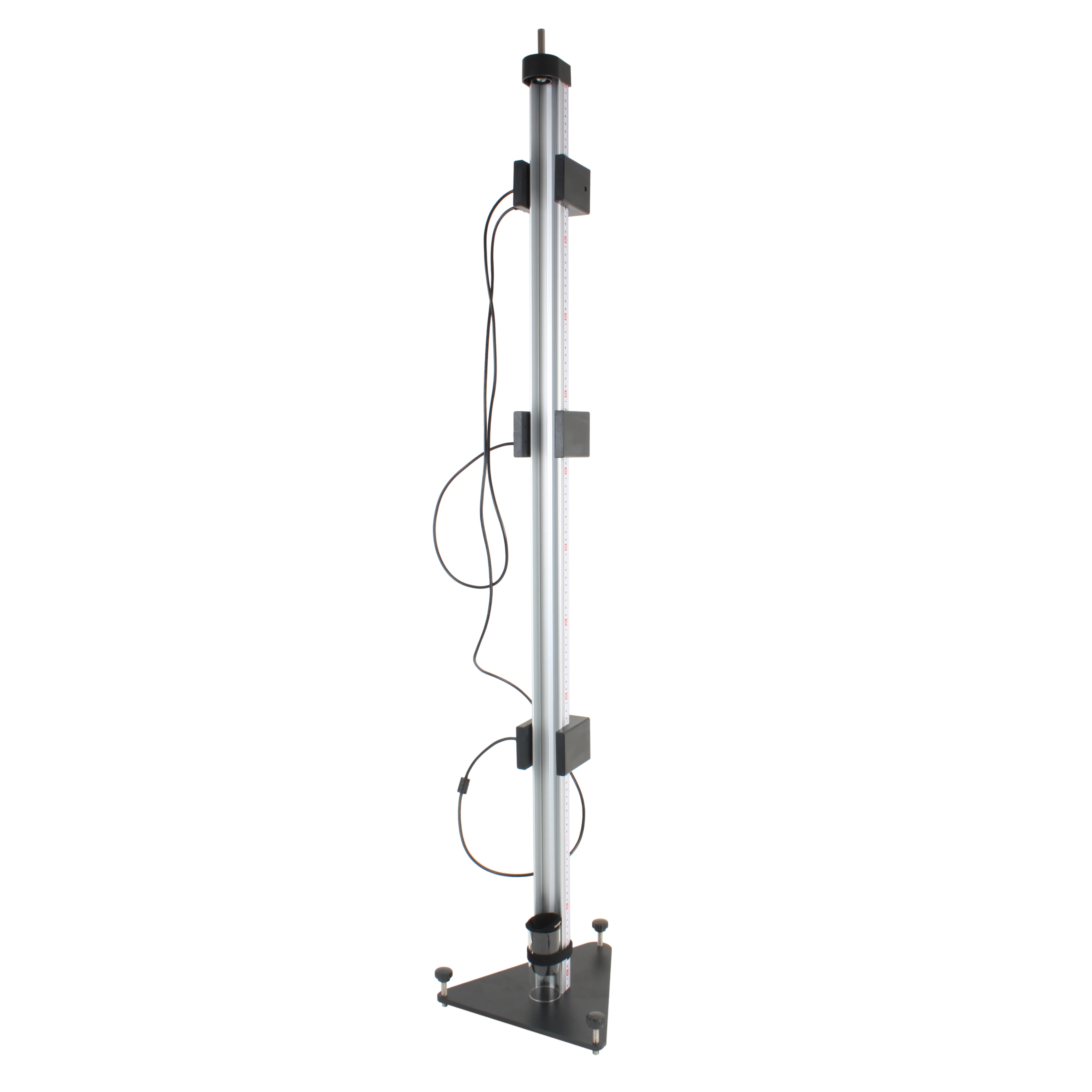
The committee determined that physics and engineering classrooms would receive priority attention because these subjects had shown the steepest declines in student performance and engagement. They identified several categories of essential teaching equipment, including apparatus for demonstrating mechanical principles, electronic measurement tools, materials testing instruments, and safety devices. One significant acquisition was specialized teaching equipment for conducting impact and free-fall experiments, which allowed students to explore concepts of gravity, acceleration, energy transfer, and material properties through direct observation and measurement. The committee ensured that all selected teaching equipment came with comprehensive instructional guides and aligned with state science standards.
Budget Allocation and Phased Implementation
Working within budgetary constraints, the district adopted a phased implementation strategy that prioritized high schools first, followed by middle schools, and finally elementary schools. This sequencing allowed teachers at advanced levels to begin developing expertise with new teaching equipment that could later be shared with colleagues at lower grade levels. The budget allocated approximately forty percent of funds to laboratory teaching equipment, thirty percent to technology and digital tools, twenty percent to engineering and maker-space resources, and ten percent to teacher training and professional development. District administrators also established a maintenance and replacement fund to ensure that teaching equipment would remain functional and up-to-date in subsequent years, avoiding the deterioration that had created problems previously.
Implementation and Teacher Professional Development
Comprehensive Training Programs
Recognizing that new teaching equipment would only be effective if educators knew how to use it properly, Riverside invested substantially in professional development. The district organized week-long summer workshops where teachers learned to operate each piece of teaching equipment, develop lesson plans incorporating the new resources, and troubleshoot common technical issues. Equipment manufacturers and educational consultants led these sessions, providing both technical training and pedagogical guidance. Teachers practiced conducting experiments themselves before introducing activities to students, building confidence and identifying potential challenges. This hands-on training approach ensured that teaching equipment would be used correctly and safely while maximizing its educational impact.
Creating Curriculum Integration Resources
The district curriculum team worked closely with teachers to develop detailed lesson plans, lab guides, and assessment rubrics specifically designed around the new teaching equipment. Rather than treating the equipment as optional enrichment, these resources embedded hands-on experimentation into the core curriculum as essential learning experiences. Each piece of teaching equipment was mapped to specific learning standards, with clear documentation of which concepts it could effectively demonstrate. Teachers received digital libraries of experiment protocols, safety checklists, student worksheets, and extension activities that differentiated instruction based on student readiness. This comprehensive support system removed barriers to implementation and ensured consistent quality across classrooms.
Establishing Collaborative Learning Communities
To sustain momentum and encourage innovation, Riverside created teacher learning communities focused on maximizing the value of new teaching equipment. These groups met monthly to share successful lesson implementations, discuss challenges, and collaboratively design new experiments. Teachers observed each other's classes to see different approaches to using the same teaching equipment, fostering a culture of continuous improvement. The district also created an internal online platform where educators could upload videos of successful demonstrations, share student work samples, and pose questions to colleagues. This collaborative infrastructure transformed the equipment upgrade from a one-time purchase into an ongoing process of pedagogical refinement.
Measurable Outcomes and Student Impact
Dramatic Improvements in Student Engagement
Within the first semester of implementing new teaching equipment, teachers reported noticeable increases in student participation and enthusiasm during science classes. Students who had previously seemed disengaged began asking questions, requesting additional lab time, and expressing genuine curiosity about scientific principles. The hands-on nature of working with professional-grade teaching equipment gave students a sense of conducting real scientific inquiry rather than simply following prescribed steps. Classroom observations documented more animated discussions, deeper questioning, and greater willingness to hypothesize and test ideas. Teachers noted that the quality teaching equipment lent credibility to lessons, helping students understand that they were learning authentic scientific methods rather than simplified school versions of science.
Quantifiable Academic Performance Gains
The impact of upgraded teaching equipment extended beyond engagement to measurable academic outcomes. In the year following implementation, Riverside students' scores on state science assessments increased by an average of twelve percentage points across tested grade levels. Physics course pass rates improved from seventy-three percent to eighty-nine percent, and the number of students earning advanced placement credit in science subjects rose by thirty-five percent. Teachers attributed these gains directly to students' deeper conceptual understanding developed through hands-on work with teaching equipment. When students could physically manipulate variables, observe outcomes, and collect data using calibrated instruments, abstract theories became concrete and memorable. The teaching equipment transformed passive reception of information into active knowledge construction.
Increased Interest in STEM Pathways
Perhaps the most encouraging outcome was a significant increase in students expressing interest in STEM careers and enrolling in advanced science courses. Surveys conducted two years after the teaching equipment upgrades showed that forty-eight percent of students reported increased interest in science-related careers, compared to twenty-seven percent before the initiative. Enrollment in optional advanced science courses grew by forty-two percent, and the district saw its first students qualify for state and national science competition finals in over a decade. Guidance counselors noted that students frequently cited hands-on laboratory experiences with sophisticated teaching equipment as pivotal moments that changed their perception of science from difficult and abstract to accessible and exciting. These long-term impacts validated the investment in quality teaching equipment as not merely improving test scores but genuinely expanding students' horizons.
Broader Benefits Beyond Academic Metrics
Enhanced Teacher Satisfaction and Retention
The availability of quality teaching equipment significantly improved teacher morale and job satisfaction throughout the district. Educators reported feeling more effective in their roles and better able to implement the instructional approaches they knew were most impactful. The frustration of trying to teach complex concepts without adequate teaching equipment gave way to the professional fulfillment of watching students genuinely grasp difficult material. Teacher retention rates in science departments improved notably, with fewer educators leaving for positions in better-resourced districts. When the district conducted exit interviews with teachers who did leave, none cited inadequate teaching equipment as a factor, whereas this had been a common complaint in previous years. The investment in teaching equipment demonstrated to educators that the district valued their professional expertise and was committed to providing the tools necessary for excellence.
Improved District Reputation and Enrollment
As word spread about Riverside's modernized facilities and innovative use of teaching equipment, the district's reputation improved markedly among parents and community members. School tour attendance increased by sixty percent as families specifically requested to see the upgraded science laboratories and teaching equipment in action. The district experienced net enrollment growth for the first time in five years, reversing a troubling trend of families choosing neighboring districts or private schools. Local media coverage of student science fair successes and unique laboratory capabilities generated positive publicity that enhanced community pride and support. Real estate agents began marketing homes in the district with explicit references to the quality of teaching equipment and educational facilities, demonstrating that the investment had broader economic impacts beyond the schools themselves.
Strengthened Community and Industry Partnerships
The visible commitment to quality teaching equipment helped Riverside forge new partnerships with local businesses, universities, and technical organizations. Engineering firms offered to sponsor additional teaching equipment purchases and provided employee volunteers to mentor students in using specialized apparatus. A nearby university invited Riverside students to use advanced research facilities and created a pipeline program for talented science students. Professional organizations in fields related to the teaching equipment applications offered internship opportunities and scholarship programs specifically for Riverside students. These partnerships created a virtuous cycle where investment in teaching equipment opened doors to additional resources, expertise, and opportunities that further enriched the educational experience and career prospects for students.
FAQ
What specific types of teaching equipment made the biggest difference in student outcomes?
The teaching equipment that produced the most significant impact included apparatus that allowed students to directly measure and manipulate physical phenomena, such as motion sensors, force meters, impact testing devices, and materials analysis tools. Equipment that provided immediate visual or numerical feedback proved especially valuable because students could instantly see the relationship between variables they controlled and outcomes they measured. Durable, professional-grade teaching equipment that students could operate independently without constant teacher supervision enabled more experimentation and discovery. The key factor was not necessarily technological sophistication but rather the equipment's ability to make abstract concepts tangible and give students genuine agency in the learning process.
How did Riverside ensure that expensive teaching equipment would be used consistently rather than sitting unused?
The district embedded the use of new teaching equipment directly into required curriculum units rather than treating it as optional enrichment, ensuring that all teachers would utilize the resources as part of standard instruction. Comprehensive professional development gave teachers the confidence and skills to use teaching equipment effectively, removing the intimidation factor that often prevents adoption of new resources. Department heads monitored usage through lesson plan reviews and classroom observations, providing support when teachers struggled with implementation. The district also created equipment checkout systems and scheduling protocols that prevented hoarding while ensuring access when needed. Most importantly, when teachers saw the positive impact teaching equipment had on student engagement and learning, they became intrinsically motivated to maximize its use.
What advice would Riverside administrators give to other districts considering similar teaching equipment upgrades?
District leaders emphasize the importance of involving classroom teachers in every stage of the selection process to ensure that chosen teaching equipment truly meets instructional needs rather than reflecting assumptions from administrators who are removed from daily teaching realities. They recommend starting with a thorough needs assessment that identifies specific learning objectives the teaching equipment should address rather than purchasing items simply because they seem impressive or modern. Budgeting for ongoing professional development and maintenance is equally important as the initial purchase because teaching equipment delivers value only when used correctly and kept in good working condition. Riverside administrators also stress the importance of patience, noting that measurable outcomes took several months to emerge as teachers developed expertise and refined their implementation approaches. Finally, they recommend establishing clear metrics for success before implementation so that the impact of teaching equipment investments can be objectively evaluated and communicated to stakeholders.
Can districts with smaller budgets achieve similar results with more modest teaching equipment investments?
Riverside's experience suggests that strategic, focused investment in teaching equipment can yield significant results even with limited budgets, provided districts prioritize quality over quantity and concentrate resources in areas of greatest need. Starting with one subject area or grade level allows for thorough implementation and visible results that can justify subsequent investments. Districts can also explore grant opportunities, educational foundation funding, and community partnerships to supplement budget allocations for teaching equipment. Purchasing durable, versatile teaching equipment that serves multiple curricular purposes maximizes return on investment compared to highly specialized apparatus with narrow applications. The key lesson is that thoughtful selection and comprehensive teacher support matter more than the absolute dollar amount spent. Even modest improvements in teaching equipment, when implemented strategically with proper training and curricular integration, can produce meaningful gains in student engagement and learning outcomes that build momentum for continued progress.
Table of Contents
- The Educational Challenge That Sparked Change
- Strategic Planning and Equipment Selection Process
- Implementation and Teacher Professional Development
- Measurable Outcomes and Student Impact
- Broader Benefits Beyond Academic Metrics
-
FAQ
- What specific types of teaching equipment made the biggest difference in student outcomes?
- How did Riverside ensure that expensive teaching equipment would be used consistently rather than sitting unused?
- What advice would Riverside administrators give to other districts considering similar teaching equipment upgrades?
- Can districts with smaller budgets achieve similar results with more modest teaching equipment investments?