
 EN
EN
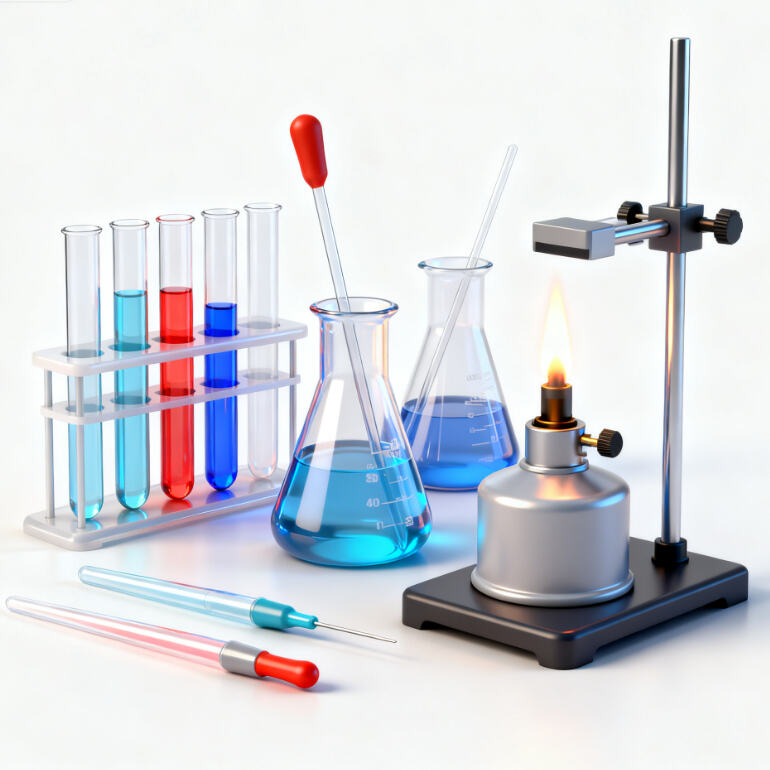
The quality and appropriateness of teaching equipment used in educational institutions have emerged as critical determinants of student academic performance, particularly when measured through standardized assessments and evaluation frameworks. Research across multiple educational contexts demonstrates that well-designed, functional teaching equipment creates tangible learning environments where students develop deeper conceptual understanding, practical competencies, and measurable skill retention that directly translates into improved assessment outcomes. The connection between properly selected teaching equipment and student success extends beyond superficial classroom aesthetics to fundamentally reshape how learners interact with educational content, conduct experiments, analyze phenomena, and demonstrate mastery of curriculum objectives during formal evaluations.
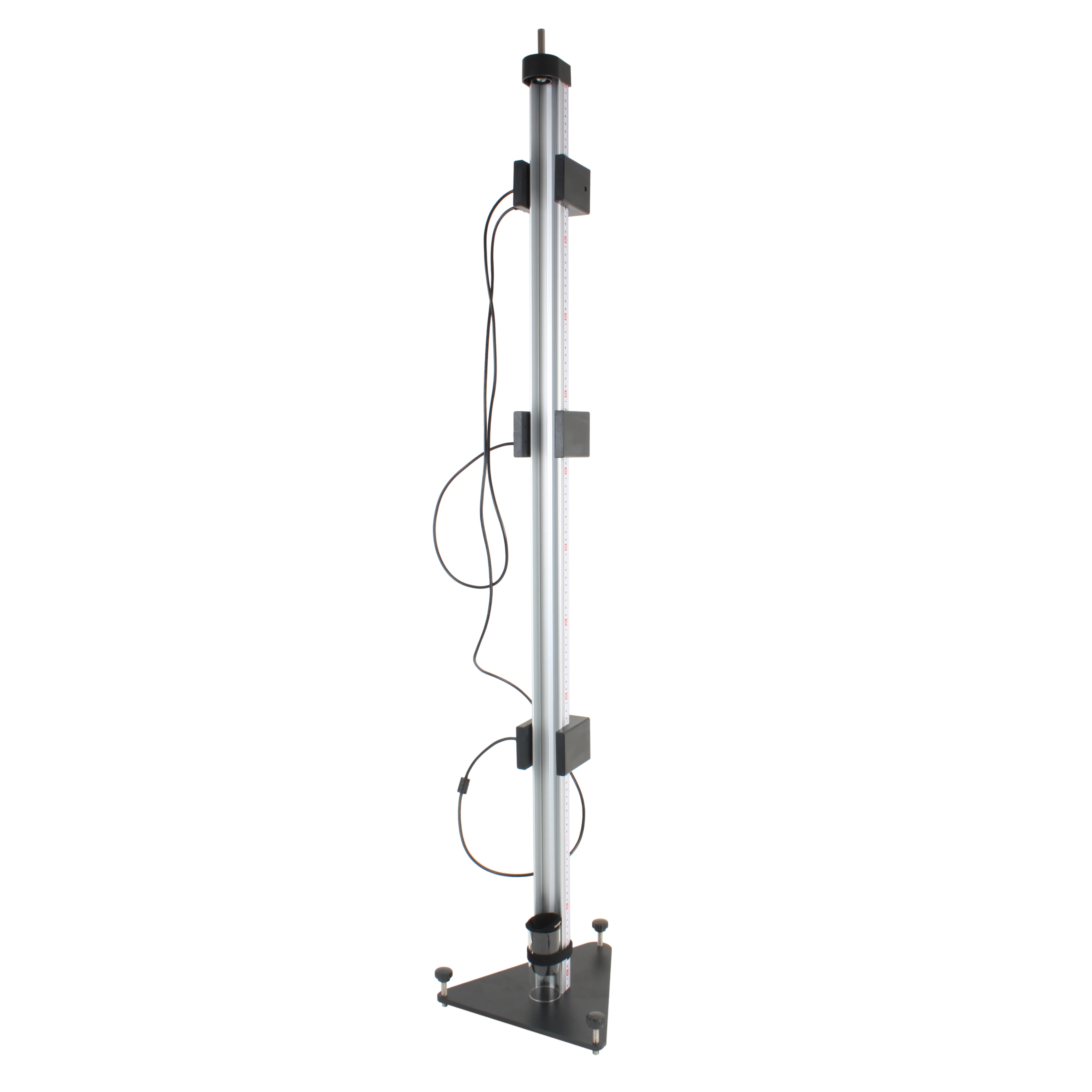
Educational administrators, curriculum coordinators, and institutional procurement specialists increasingly recognize that strategic investments in appropriate teaching equipment yield measurable returns in student achievement metrics, including test scores, practical examination results, project-based assessment outcomes, and competency demonstration evaluations. This recognition drives a fundamental shift from viewing teaching equipment as supplementary classroom accessories toward understanding them as essential pedagogical infrastructure that enables evidence-based instruction, supports diverse learning modalities, and creates assessment-aligned learning experiences. The relationship between equipment quality and student performance becomes particularly evident in science, technology, engineering, mathematics, and vocational education domains where hands-on learning experiences facilitated by proper teaching equipment directly mirror assessment requirements and professional competency standards.
The Cognitive Mechanisms Linking Teaching Equipment Quality to Assessment Performance
Enhanced Conceptual Understanding Through Direct Manipulation
Proper teaching equipment facilitates direct manipulation of physical materials, apparatus, and instruments that transform abstract concepts into tangible experiences students can observe, measure, and analyze systematically. When students interact with quality teaching equipment designed for specific learning objectives, they engage multiple sensory pathways simultaneously, creating robust neural connections that strengthen memory consolidation and conceptual retention far beyond what passive instruction achieves. This multisensory engagement proves particularly valuable during assessment situations where students must recall principles, apply methodologies, or demonstrate procedural knowledge under time constraints and evaluative pressure.
The cognitive advantages provided by appropriate teaching equipment manifest most clearly when students encounter assessment questions requiring application rather than mere recall. Laboratory apparatus, demonstration models, measurement instruments, and experimental setups allow learners to develop operational understanding of scientific principles, mathematical relationships, and technical processes through repeated practice with authentic tools. This experiential foundation enables students to visualize problems more effectively during examinations, reconstruct experimental procedures accurately, and apply learned principles to novel situations presented in assessment contexts. Educational neuroscience research confirms that learning experiences involving physical manipulation of teaching equipment create stronger memory traces and more flexible knowledge structures compared to exclusively verbal or visual instruction methods.
Development of Procedural Competencies Through Standardized Equipment
Quality teaching equipment establishes standardized procedural frameworks that align classroom learning experiences with formal assessment requirements and professional practice standards. When educational institutions invest in properly calibrated, professionally designed teaching equipment, students develop procedural competencies using the same methodologies, safety protocols, and technical specifications they will encounter during practical examinations and subsequent professional applications. This consistency between instructional tools and assessment instruments reduces cognitive load during evaluations, allowing students to focus mental resources on demonstrating understanding rather than adapting to unfamiliar equipment configurations or compensating for substandard apparatus limitations.
The procedural alignment facilitated by appropriate teaching equipment proves especially critical in technical education, laboratory sciences, and vocational training programs where assessment includes practical demonstrations, hands-on skill evaluations, and competency-based performance tasks. Students who learn using proper teaching equipment that matches industry standards and assessment specifications develop muscle memory, technical confidence, and operational fluency that directly enhance their performance during practical examinations. Furthermore, standardized teaching equipment creates equitable learning conditions across different class sections, laboratory periods, and academic terms, ensuring all students develop comparable competencies regardless of scheduling variations or instructor differences.
Cultivation of Scientific Reasoning and Analytical Skills
Proper teaching equipment supports the development of higher-order thinking skills including hypothesis formation, experimental design, data analysis, error identification, and evidence-based reasoning that constitute core competencies assessed across educational levels and disciplines. When students conduct investigations using quality teaching equipment that produces reliable, reproducible results, they learn to distinguish meaningful patterns from random variation, identify systematic errors, evaluate measurement uncertainty, and draw warranted conclusions from empirical evidence. These analytical competencies transfer directly to assessment contexts where students must interpret data presentations, evaluate experimental scenarios, critique methodological approaches, and demonstrate scientific reasoning.
The relationship between teaching equipment quality and analytical skill development becomes particularly evident when comparing student performance on assessments requiring data interpretation, graph analysis, or experimental evaluation. Students who regularly use calibrated, precision teaching equipment develop realistic expectations for measurement accuracy, understand practical limitations of experimental methods, and recognize the importance of controlling variables during investigations. This sophisticated understanding of experimental practice translates into more nuanced responses on assessment items, more accurate interpretation of presented data, and more realistic evaluation of hypothetical scenarios. Educational research consistently demonstrates that students with extensive hands-on experience using appropriate teaching equipment outperform peers with primarily theoretical instruction on assessment items requiring application of scientific method, experimental analysis, or technical problem-solving.
Equipment Design Features That Maximize Learning Effectiveness and Assessment Readiness
Alignment Between Equipment Capabilities and Curriculum Learning Objectives
The most effective teaching equipment demonstrates clear alignment between its functional capabilities and specific curriculum learning objectives that students must master for successful assessment performance. Well-designed teaching equipment enables students to conduct experiments, collect measurements, observe phenomena, and manipulate variables in ways that directly correspond to competencies assessed through examinations, practical tests, and performance evaluations. This purposeful alignment ensures that classroom activities using teaching equipment provide authentic preparation for assessment tasks rather than tangential experiences that fail to build directly relevant skills and knowledge.
Educational procurement specialists should evaluate potential teaching equipment acquisitions based on how precisely the apparatus addresses documented learning outcomes, supports required experimental procedures, and facilitates demonstration of assessment-aligned competencies. Equipment specifications should match the complexity level, measurement precision, operational requirements, and safety standards reflected in curriculum frameworks and associated assessment instruments. When teaching equipment capabilities align precisely with learning objectives, instructional time translates more efficiently into assessment-relevant skill development, reducing wasted effort on activities that fail to contribute meaningfully to measured student outcomes. This strategic alignment between teaching equipment selection and assessment preparation represents a fundamental principle of evidence-based educational resource allocation.
Reliability and Reproducibility for Consistent Learning Experiences
High-quality teaching equipment provides reliable, reproducible results that enable students to observe consistent relationships between experimental variables, verify theoretical predictions, and develop confidence in scientific methodology and technical procedures. When teaching equipment functions predictably and produces accurate measurements, students learn to trust empirical evidence, recognize meaningful patterns, and distinguish systematic relationships from experimental artifacts. This reliability proves essential for building the conceptual foundations and procedural confidence students require for successful assessment performance, particularly on evaluation items requiring prediction, explanation, or application of learned principles to novel contexts.
Conversely, poorly calibrated or unreliable teaching equipment undermines learning effectiveness by creating confusion about expected outcomes, generating frustration during experimental procedures, and teaching students to distrust empirical methods or rationalize inconsistent results. Equipment failures, measurement inaccuracies, and operational unpredictability force students to focus cognitive resources on troubleshooting apparatus problems rather than analyzing scientific phenomena or developing conceptual understanding. Educational institutions that invest in durable, professionally manufactured teaching equipment create learning environments where students can focus on mastering content and developing skills rather than compensating for inadequate tools. This investment in equipment reliability yields measurable returns through improved student confidence, more efficient skill acquisition, and enhanced performance on practical assessments and laboratory-based evaluation tasks.
Safety Features That Enable Active Engagement Without Risk Barriers
Proper teaching equipment incorporates comprehensive safety features that protect students during hands-on learning activities while maintaining authentic experimental capabilities and realistic operational characteristics. Well-designed safety mechanisms allow students to engage actively with potentially hazardous materials, energetic systems, or precision instruments without encountering unreasonable risk, enabling experiential learning that would otherwise require prohibitive supervision, complex liability management, or complete exclusion from curriculum implementation. The balance between safety protection and authentic learning experience represents a critical design consideration for teaching equipment intended to prepare students for assessment tasks and professional applications.
Teaching equipment with appropriate safety features enables broader student participation in hands-on learning activities, reduces instructional time lost to accident prevention and incident response, and creates psychological conditions where students feel comfortable exploring experimental variations, testing hypotheses, and developing technical proficiency through repeated practice. This expanded access to experiential learning directly benefits assessment performance by increasing the proportion of students who develop practical competencies, procedural confidence, and operational familiarity with equipment and methods they will encounter during evaluations. Educational research demonstrates that students who personally conduct experiments and manipulate apparatus achieve significantly higher scores on practical assessments compared to students who only observe demonstrations or study theoretical descriptions, making safety-enabled hands-on access a critical factor in assessment preparation.
Implementation Strategies That Maximize Teaching Equipment Impact on Student Outcomes
Integration of Equipment Use Throughout Curriculum Progression
Maximizing the assessment impact of teaching equipment requires systematic integration of hands-on activities throughout curriculum progression rather than isolated laboratory sessions or sporadic equipment demonstrations. When teaching equipment use becomes a regular component of instruction spanning entire academic terms, students develop cumulative competencies, progressive skill refinement, and deep familiarity with experimental methods that translate into confident, proficient performance during assessment situations. This sustained engagement with teaching equipment creates learning trajectories where students progress from basic operational proficiency through intermediate analytical applications toward advanced independent investigation and creative problem-solving capabilities.
Effective curriculum integration strategies schedule regular teaching equipment activities that build systematically on previous experiences, introduce progressively complex procedures, and connect equipment-based learning to theoretical content, mathematical applications, and real-world contexts. This scaffolded approach ensures students develop robust competencies rather than superficial familiarity, preparing them to handle diverse assessment formats including structured practical examinations, open-ended investigation tasks, troubleshooting scenarios, and design challenges. Educational institutions that embed teaching equipment use throughout curriculum frameworks rather than treating laboratory work as supplementary enrichment consistently demonstrate superior student performance on both practical and theoretical assessments, reflecting the synergistic relationship between hands-on experience and conceptual understanding.
Professional Development Supporting Effective Equipment-Based Instruction
The impact of teaching equipment on student assessment scores depends critically on instructor competency in designing effective equipment-based learning activities, facilitating productive student engagement with apparatus, and connecting hands-on experiences to assessment-relevant learning objectives. Professional development programs that enhance teacher capacity to utilize teaching equipment effectively multiply the educational value of equipment investments, ensuring apparatus capabilities translate into meaningful learning experiences rather than underutilized classroom fixtures. Comprehensive instructor training addresses equipment operation, safety protocols, experimental design principles, troubleshooting procedures, pedagogical strategies for hands-on learning, and assessment alignment techniques.
Institutions that prioritize professional development alongside teaching equipment acquisition demonstrate significantly stronger correlations between equipment availability and student assessment performance compared to schools that purchase apparatus without supporting instructor capacity development. Effective professional development programs include hands-on equipment training, collaborative lesson planning focused on equipment-based activities, peer observation opportunities, and ongoing technical support for troubleshooting and maintenance issues. These comprehensive support systems enable teachers to design learning experiences that maximize the pedagogical value of available teaching equipment, create assessment-aligned experimental activities, and develop student competencies that directly correspond to evaluation requirements. The synergistic relationship between quality teaching equipment and skilled instruction represents a fundamental principle for educational improvement strategies focused on measurable student outcomes.
Assessment Design That Reflects Equipment-Based Learning Experiences
Realizing the full potential of teaching equipment to improve assessment scores requires evaluation instruments that authentically reflect hands-on learning experiences and measure competencies developed through equipment-based instruction. When assessment tasks incorporate practical demonstrations, experimental analysis, equipment operation, data interpretation, and procedural applications that mirror classroom teaching equipment activities, students can leverage their experiential learning directly during evaluations. This alignment between instructional methods and assessment formats creates coherent learning systems where teaching equipment investments translate efficiently into measured student achievement rather than contributing to competencies that remain invisible to evaluation instruments.
Educational institutions should review assessment instruments to ensure they adequately capture the full range of competencies developed through teaching equipment use, including manipulative skills, observational acuity, measurement precision, experimental reasoning, troubleshooting capabilities, and technical communication abilities. Assessment formats might include practical examinations using teaching equipment, analysis of experimental data generated during equipment-based investigations, design challenges requiring selection and application of appropriate apparatus, and problem-solving tasks situated in authentic equipment operation contexts. When assessment methods authentically reflect the nature of equipment-based learning, student scores more accurately represent actual competency development, providing valid feedback for instructional improvement and meaningful recognition of student achievement across diverse learning modalities.
Evidence Linking Teaching Equipment Quality to Measurable Student Achievement Gains
Quantitative Research Demonstrating Assessment Score Improvements
Systematic educational research across multiple contexts, grade levels, and subject areas provides substantial empirical evidence that investments in quality teaching equipment correlate with measurable improvements in student assessment performance. Controlled studies comparing classrooms with access to appropriate, well-maintained teaching equipment against comparable groups using limited or inadequate apparatus consistently demonstrate statistically significant advantages in test scores, practical examination results, and competency demonstration outcomes. Effect sizes vary based on subject matter, student populations, implementation quality, and assessment characteristics, but meta-analyses reveal meaningful positive relationships between teaching equipment quality and academic achievement across diverse educational settings.
Particularly compelling evidence emerges from longitudinal studies tracking student cohorts before and after significant teaching equipment upgrades or implementation of comprehensive laboratory programs. These natural experiments demonstrate that improvements in teaching equipment availability, quality, and integration correspond to rising achievement trends that persist across multiple assessment cycles and extend beyond immediate instruction periods. The durability of achievement gains following teaching equipment improvements suggests that hands-on learning experiences create lasting competencies and robust knowledge structures rather than temporary performance boosts. Educational economists analyzing cost-effectiveness of various improvement interventions frequently identify strategic teaching equipment investments as generating favorable returns measured through standardized assessment gains, particularly in science, technology, and technical education domains.
Qualitative Evidence of Enhanced Student Engagement and Confidence
Beyond quantitative test score data, qualitative research examining student experiences with teaching equipment reveals important psychological mechanisms through which apparatus quality influences assessment performance. Student surveys, focus groups, and observational studies consistently identify enhanced engagement, increased confidence, reduced anxiety, and greater intrinsic motivation associated with regular use of quality teaching equipment during instruction. These affective dimensions of learning prove particularly relevant for assessment performance because student confidence, test anxiety levels, and self-efficacy beliefs significantly influence ability to demonstrate competencies under evaluative conditions.
Students report that hands-on experience with teaching equipment makes abstract concepts more accessible, reduces memorization burden through experiential understanding, and provides concrete reference points for recalling principles during examinations. The tangible nature of equipment-based learning creates memorable experiences that students can mentally revisit when encountering assessment questions, effectively serving as retrieval cues that enhance recall and application. Furthermore, successful manipulation of teaching equipment builds general academic confidence that extends beyond specific content mastery to influence test-taking persistence, problem-solving resilience, and willingness to attempt challenging assessment items. These motivational and psychological benefits complement direct skill development to create comprehensive advantages for students learning with appropriate teaching equipment compared to peers receiving primarily lecture-based or textbook-centered instruction.
Comparative Analysis Across Educational Contexts and Implementation Models
Comparative research examining teaching equipment implementation across diverse educational contexts reveals important nuances regarding how apparatus quality influences assessment outcomes under varying conditions. Studies comparing well-resourced schools with comprehensive laboratory facilities against under-resourced institutions using improvised or inadequate teaching equipment document substantial achievement gaps that persist even after controlling for student demographics, teacher qualifications, and other confounding variables. These disparities highlight the equity implications of teaching equipment access, suggesting that inadequate laboratory infrastructure creates systemic disadvantages that limit educational opportunities and constrain achievement potential for students in resource-poor settings.
International comparisons examining educational systems with different approaches to teaching equipment provision offer additional insights into optimal implementation models. Nations prioritizing standardized, quality teaching equipment across all schools demonstrate more equitable achievement distributions and higher overall performance levels compared to systems allowing wide variation in laboratory resources. Successful implementation models typically combine centralized quality standards for teaching equipment with local flexibility in pedagogical approaches, comprehensive technical support systems, regular maintenance protocols, and systematic replacement cycles ensuring apparatus remains functional and current. These evidence-based implementation frameworks provide actionable guidance for educational administrators seeking to maximize return on teaching equipment investments through measurable improvements in student assessment outcomes across entire school systems or institutional networks.
FAQ
How quickly can improvements in teaching equipment translate into measurable assessment score gains?
The timeline for observing assessment improvements following teaching equipment upgrades varies based on implementation quality, instructor preparation, curriculum integration depth, and assessment timing. Well-planned implementations with comprehensive teacher training typically demonstrate measurable gains within one to two academic terms as students complete curriculum units incorporating new teaching equipment and reach scheduled assessment points. More substantial, sustained improvements generally emerge over two to three years as instructional practices mature, teachers develop expertise with equipment-based pedagogy, and cumulative student cohorts benefit from consistent access throughout their educational progression. Institutions should establish realistic expectations recognizing that teaching equipment investments represent medium-term improvement strategies rather than immediate intervention solutions, though early indicators of enhanced engagement and skill development often appear within weeks of effective implementation.
What types of assessments show the strongest correlation with teaching equipment quality?
Practical examinations, laboratory-based assessments, and evaluation items requiring application of learned principles to novel contexts demonstrate the strongest correlations with teaching equipment quality, as these assessment formats directly measure competencies developed through hands-on learning experiences. Performance tasks involving equipment operation, experimental design, data interpretation, troubleshooting, and procedural demonstration particularly benefit from quality teaching equipment access during instruction. However, research also documents positive correlations between teaching equipment use and performance on traditional written examinations, especially questions requiring conceptual understanding, visualization of processes, or application of scientific reasoning rather than simple factual recall. The breadth of assessment types showing improvement suggests that teaching equipment influences multiple dimensions of learning including procedural skills, conceptual understanding, analytical capabilities, and problem-solving competencies.
Can digital simulations replace physical teaching equipment while maintaining assessment performance benefits?
Digital simulations offer valuable supplementary learning tools but generally cannot fully replace physical teaching equipment while maintaining equivalent assessment performance benefits, particularly for evaluations requiring hands-on skills, equipment operation proficiency, or real-world experimental competencies. Research comparing learning outcomes between physical apparatus and digital simulations reveals advantages for hands-on experience in developing tactile skills, understanding measurement limitations, recognizing experimental variability, and building confidence with authentic equipment that students encounter during practical assessments and professional applications. Optimal implementations combine physical teaching equipment for foundational skill development and authentic experience with digital simulations for exploring dangerous procedures, expensive scenarios, or phenomena requiring time compression or scale manipulation. This hybrid approach leverages complementary strengths of each modality while ensuring students develop the tangible competencies necessary for practical assessment success and professional readiness.
What maintenance and replacement considerations ensure teaching equipment continues supporting high assessment performance?
Sustaining the assessment benefits of teaching equipment requires systematic maintenance protocols, regular calibration procedures, proactive replacement planning, and technical support infrastructure ensuring apparatus remains accurate, safe, and pedagogically effective throughout its service life. Educational institutions should establish routine inspection schedules, preventive maintenance programs, and rapid repair systems minimizing equipment downtime that disrupts instructional continuity and reduces student access to hands-on learning opportunities. Calibration verification proves particularly critical for measurement instruments and precision apparatus where accuracy directly affects student understanding of experimental principles and data analysis practices. Replacement planning should anticipate typical equipment lifespans, technological obsolescence, curriculum evolution, and safety standard updates, ensuring teaching equipment inventory remains current, functional, and aligned with contemporary assessment requirements. Comprehensive equipment management systems that balance initial acquisition costs with lifecycle maintenance expenses and replacement timing optimize long-term educational value and sustain consistent support for student achievement across multiple cohorts and assessment cycles.
Table of Contents
- The Cognitive Mechanisms Linking Teaching Equipment Quality to Assessment Performance
- Equipment Design Features That Maximize Learning Effectiveness and Assessment Readiness
- Implementation Strategies That Maximize Teaching Equipment Impact on Student Outcomes
- Evidence Linking Teaching Equipment Quality to Measurable Student Achievement Gains
-
FAQ
- How quickly can improvements in teaching equipment translate into measurable assessment score gains?
- What types of assessments show the strongest correlation with teaching equipment quality?
- Can digital simulations replace physical teaching equipment while maintaining assessment performance benefits?
- What maintenance and replacement considerations ensure teaching equipment continues supporting high assessment performance?