
 EN
EN

Educational items have revolutionized the way teachers engage students and create dynamic learning environments in modern classrooms. These specialized tools and resources serve as catalysts for interactive learning experiences that go beyond traditional textbook-based instruction. From manipulative materials to digital learning aids, educational items provide students with hands-on opportunities to explore concepts, develop critical thinking skills, and participate actively in their educational journey. The integration of these tools has become essential for educators seeking to accommodate diverse learning styles and enhance student comprehension across all subject areas.
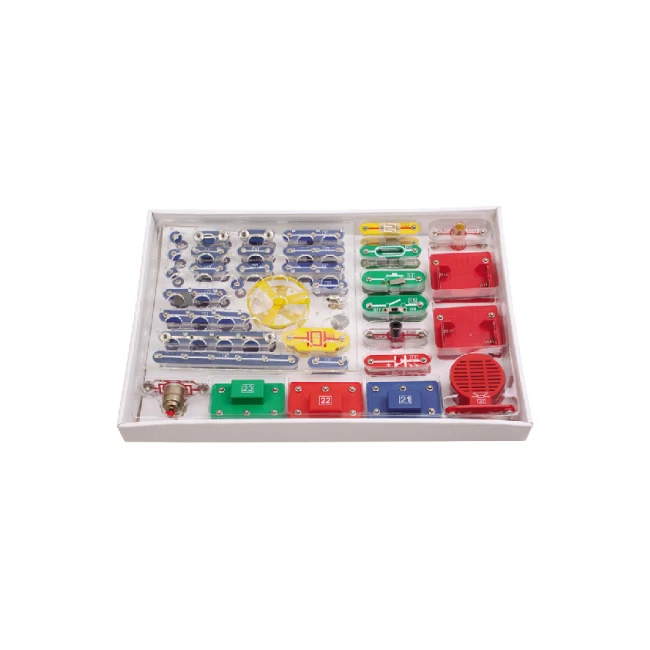
The effectiveness of educational items in supporting interactive learning stems from their ability to transform abstract concepts into tangible experiences. When students can touch, manipulate, and experiment with learning materials, they develop deeper understanding and retain information more effectively. Research consistently demonstrates that multi-sensory learning approaches, facilitated by appropriate educational items, lead to improved academic outcomes and increased student motivation. Teachers who incorporate these tools into their instruction report higher levels of student engagement and participation in classroom activities.
The Role of Educational Items in Modern Pedagogy
Transforming Traditional Teaching Methods
Educational items serve as bridges between theoretical knowledge and practical application, fundamentally changing how educators approach curriculum delivery. These resources enable teachers to move away from passive learning models toward more interactive and engaging instructional strategies. By incorporating physical manipulatives, visual aids, and interactive technologies, educators can create immersive learning experiences that capture student attention and maintain focus throughout lessons. The transformation from traditional chalk-and-talk methods to hands-on learning approaches has proven particularly effective in subjects that benefit from tactile exploration and experiential learning.
The strategic use of educational items allows teachers to differentiate instruction and accommodate various learning preferences within a single classroom setting. Visual learners benefit from colorful charts and diagrams, kinesthetic learners engage with manipulative materials, and auditory learners respond to interactive sound-based educational items. This multi-modal approach ensures that all students have opportunities to access content through their preferred learning channels, leading to more inclusive and effective educational experiences.
Supporting Collaborative Learning Environments
Educational items naturally promote collaboration and peer interaction, creating opportunities for students to work together toward common learning goals. Group activities centered around shared educational resources encourage communication, problem-solving, and teamwork skills that extend beyond academic content. When students collaborate using educational items, they learn to negotiate, share ideas, and build upon each other's contributions, developing essential social and emotional competencies alongside academic knowledge.
The collaborative nature of learning with educational items also helps teachers identify student strengths and areas for improvement through observation of group dynamics and individual contributions. This informal assessment opportunity provides valuable insights that inform future instructional decisions and support personalized learning approaches. Teachers can use these observations to form strategic groupings, assign specific roles, and provide targeted support where needed.
Types of Educational Items and Their Classroom Applications
Manipulative Learning Tools
Manipulative educational items encompass a wide range of physical objects designed to help students explore mathematical concepts, scientific principles, and language arts skills through hands-on interaction. These tools include counting blocks, geometric shapes, fraction tiles, algebra tiles, and phonics manipulatives that allow students to visualize abstract concepts and develop conceptual understanding through physical manipulation. The tactile nature of these educational items helps students internalize learning objectives and creates memorable experiences that enhance long-term retention.
In mathematics classrooms, manipulative educational items enable students to explore number relationships, practice operations, and understand geometric principles through direct experience. Students can physically group objects to understand addition and subtraction, use base-ten blocks to comprehend place value, and manipulate geometric shapes to explore spatial relationships. These concrete experiences provide the foundation for abstract mathematical thinking and help students develop number sense and spatial reasoning skills.
Technology-Enhanced Educational Items
Digital educational items have expanded the possibilities for interactive learning by incorporating multimedia elements, adaptive feedback, and personalized learning pathways. Interactive whiteboards, educational tablets, coding robots, and virtual reality headsets represent the evolution of traditional learning materials into sophisticated technological tools. These educational items provide immediate feedback, track student progress, and adjust difficulty levels based on individual performance, creating truly personalized learning experiences.
The integration of technology-enhanced educational items supports differentiated instruction by providing multiple ways for students to access and demonstrate their learning. Students can engage with interactive simulations, complete adaptive assessments, and create multimedia presentations that showcase their understanding in various formats. These tools also facilitate connections between classroom learning and real-world applications, helping students see the relevance of their education beyond the school environment.
Benefits of Interactive Learning Through Educational Items
Enhanced Student Engagement and Motivation
Educational items significantly increase student engagement by providing novelty, variety, and interactivity that traditional instructional methods often lack. When students have opportunities to manipulate objects, conduct experiments, and participate in hands-on activities, they become active participants in their learning rather than passive recipients of information. This increased engagement translates to improved attention spans, reduced behavioral issues, and greater enthusiasm for learning across all subject areas.
The motivational impact of educational items extends beyond immediate classroom benefits to influence students' overall attitudes toward education and learning. Students who regularly engage with interactive educational materials develop positive associations with school and academic tasks, leading to increased intrinsic motivation and self-directed learning behaviors. This motivation is particularly important for students who have previously struggled with traditional instructional approaches or who have developed negative attitudes toward specific subjects.
Development of Critical Thinking Skills
Educational items provide authentic contexts for students to practice critical thinking skills, problem-solving strategies, and analytical reasoning abilities. Through hands-on exploration and experimentation, students learn to formulate hypotheses, test ideas, analyze results, and draw conclusions based on evidence. These cognitive processes are essential for academic success and prepare students for lifelong learning and professional challenges they will encounter beyond the classroom.
The open-ended nature of many educational items encourages creative thinking and innovation, allowing students to approach problems from multiple perspectives and develop original solutions. This creative problem-solving experience builds confidence in students' abilities to tackle complex challenges and fosters the kind of flexible thinking that is increasingly valued in modern workplaces and society.
Implementation Strategies for Educational Items in Classrooms
Planning and Integration Considerations
Successful implementation of educational items requires thoughtful planning and strategic integration with existing curriculum objectives and instructional practices. Teachers must carefully select educational items that align with learning standards, support specific educational goals, and complement other instructional materials and methods. The selection process should consider factors such as age appropriateness, durability, safety, and potential for multiple uses across different lessons and units.
Effective integration of educational items also requires consideration of classroom management strategies, storage solutions, and distribution procedures that minimize disruptions and maximize instructional time. Teachers need to establish clear expectations for handling and caring for educational items, create efficient systems for accessing and returning materials, and develop procedures for maintaining and organizing resources to ensure their continued availability and effectiveness.
Professional Development and Training
The effective use of educational items requires ongoing professional development and training to help teachers understand how to maximize the potential of these resources. Training programs should focus on pedagogical strategies for incorporating educational items into lesson plans, methods for assessing student learning through hands-on activities, and techniques for managing classroom environments that support interactive learning experiences.
Professional development opportunities should also address the selection and evaluation of educational items, helping teachers make informed decisions about which resources will best support their instructional objectives and student needs. This training enables educators to become thoughtful consumers of educational materials and advocates for evidence-based practices that improve student outcomes through interactive learning approaches.
Assessment and Evaluation with Educational Items
Formative Assessment Opportunities
Educational items provide numerous opportunities for formative assessment that allow teachers to monitor student progress and adjust instruction in real-time. Through observation of student interactions with learning materials, teachers can identify misconceptions, assess understanding, and provide immediate feedback that supports continued learning. These informal assessment opportunities are particularly valuable because they occur naturally within the context of meaningful learning activities rather than through separate testing procedures.
The use of educational items in formative assessment also enables teachers to gather evidence of student learning through multiple modalities, including verbal explanations, physical demonstrations, and collaborative discussions. This multi-faceted approach to assessment provides a more comprehensive picture of student understanding and helps teachers make informed decisions about pacing, remediation, and enrichment activities.
Authentic Performance Assessment
Educational items facilitate authentic performance assessments that evaluate student learning within meaningful contexts that mirror real-world applications. Rather than relying solely on paper-and-pencil tests, teachers can assess student understanding through hands-on projects, problem-solving activities, and creative applications that demonstrate mastery of learning objectives through practical application.
These authentic assessment approaches using educational items provide students with opportunities to demonstrate their learning in ways that align with their strengths and interests while still meeting rigorous academic standards. Students can showcase their understanding through building projects, scientific investigations, artistic creations, and collaborative presentations that highlight both content knowledge and process skills.
Challenges and Solutions in Using Educational Items
Budget and Resource Constraints
One of the primary challenges schools face in implementing educational items is the cost associated with purchasing, maintaining, and replacing these resources over time. Budget constraints often limit the quantity and quality of educational items available to teachers and students, potentially creating inequitable learning opportunities within and across schools. School administrators and teachers must work together to identify funding sources, prioritize purchases, and maximize the value of available resources through strategic planning and creative solutions.
Solutions to budget challenges include seeking grants specifically designed to support educational technology and materials, partnering with community organizations and businesses, and implementing resource-sharing programs between schools and districts. Teachers can also create DIY educational items using low-cost materials, organize fundraising activities, and advocate for increased funding through parent and community engagement efforts that highlight the importance of interactive learning resources.
Storage and Organization Issues
The physical demands of storing, organizing, and maintaining educational items present ongoing challenges for classroom teachers and school administrators. Limited storage space, the need for easy accessibility, and concerns about damage or loss require systematic approaches to resource management that support efficient use while protecting investments in educational materials.
Effective solutions include implementing centralized resource libraries, creating mobile storage solutions that can be shared among classrooms, and establishing clear protocols for checking out and returning educational items. Digital inventory systems can help track resources and ensure accountability, while standardized storage containers and labeling systems can streamline organization and accessibility for teachers and students.
FAQ
What are the most effective types of educational items for elementary classrooms
The most effective educational items for elementary classrooms include manipulative materials like counting blocks, pattern tiles, and fraction pieces for mathematics instruction, along with hands-on science kits, phonics games, and interactive reading materials for language arts. These resources should be developmentally appropriate, durable enough for frequent use, and versatile enough to support multiple learning objectives across different subjects and grade levels.
How do teachers assess student learning when using educational items
Teachers assess student learning with educational items through observation, documentation of student work samples, performance rubrics for hands-on activities, and student self-reflection tools. Formative assessment occurs naturally as teachers observe student interactions with materials, while summative assessment can include project-based evaluations, portfolio collections, and authentic performance tasks that demonstrate mastery of learning objectives through practical application.
What training do teachers need to effectively use educational items
Teachers need professional development that covers pedagogical strategies for integrating educational items into curriculum, classroom management techniques for hands-on learning environments, assessment methods for interactive activities, and selection criteria for choosing appropriate resources. Training should also include opportunities to practice using specific educational items, collaborate with colleagues to share best practices, and reflect on the effectiveness of different approaches to interactive learning.
How can schools maximize their investment in educational items
Schools can maximize their investment in educational items by selecting versatile resources that support multiple subjects and grade levels, implementing sharing systems between classrooms, providing adequate storage and organization solutions, and establishing maintenance protocols that extend the lifespan of materials. Regular evaluation of resource effectiveness, teacher feedback collection, and strategic replacement planning help ensure that educational items continue to support student learning objectives efficiently and cost-effectively.
Table of Contents
- The Role of Educational Items in Modern Pedagogy
- Types of Educational Items and Their Classroom Applications
- Benefits of Interactive Learning Through Educational Items
- Implementation Strategies for Educational Items in Classrooms
- Assessment and Evaluation with Educational Items
- Challenges and Solutions in Using Educational Items
- FAQ