 EN
EN
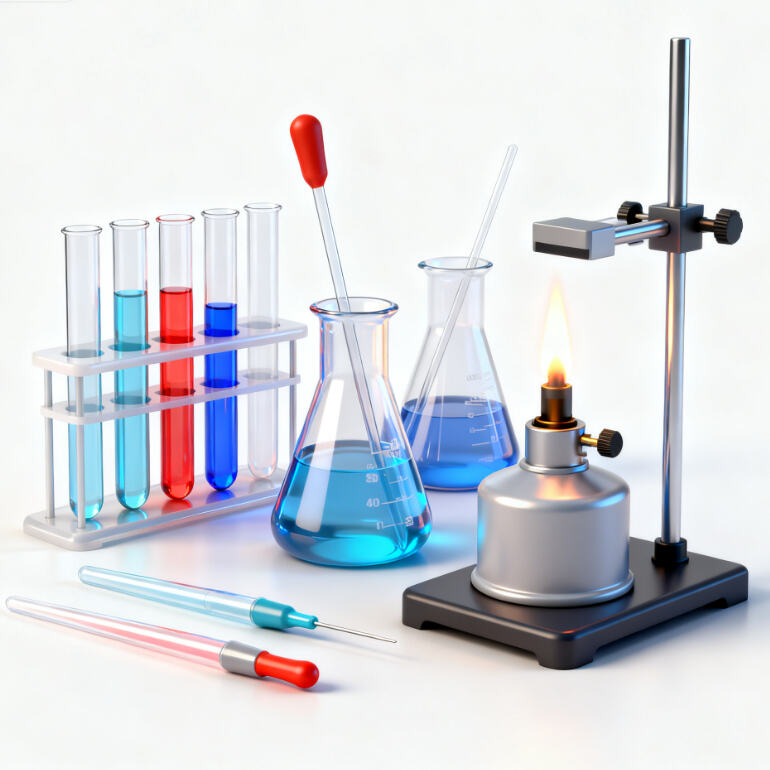
Modern educational environments require a comprehensive range of tools and resources to facilitate effective learning experiences across various disciplines. The integration of quality educational instruments has become increasingly crucial for schools seeking to provide students with hands-on learning opportunities that bridge theoretical knowledge with practical application. These specialized tools not only enhance student engagement but also prepare learners for real-world challenges in their future academic and professional endeavors. Educational institutions worldwide are recognizing the importance of investing in diverse educational instruments that cater to different learning styles and subject areas, ensuring that students receive a well-rounded education that prepares them for the complexities of the modern world.
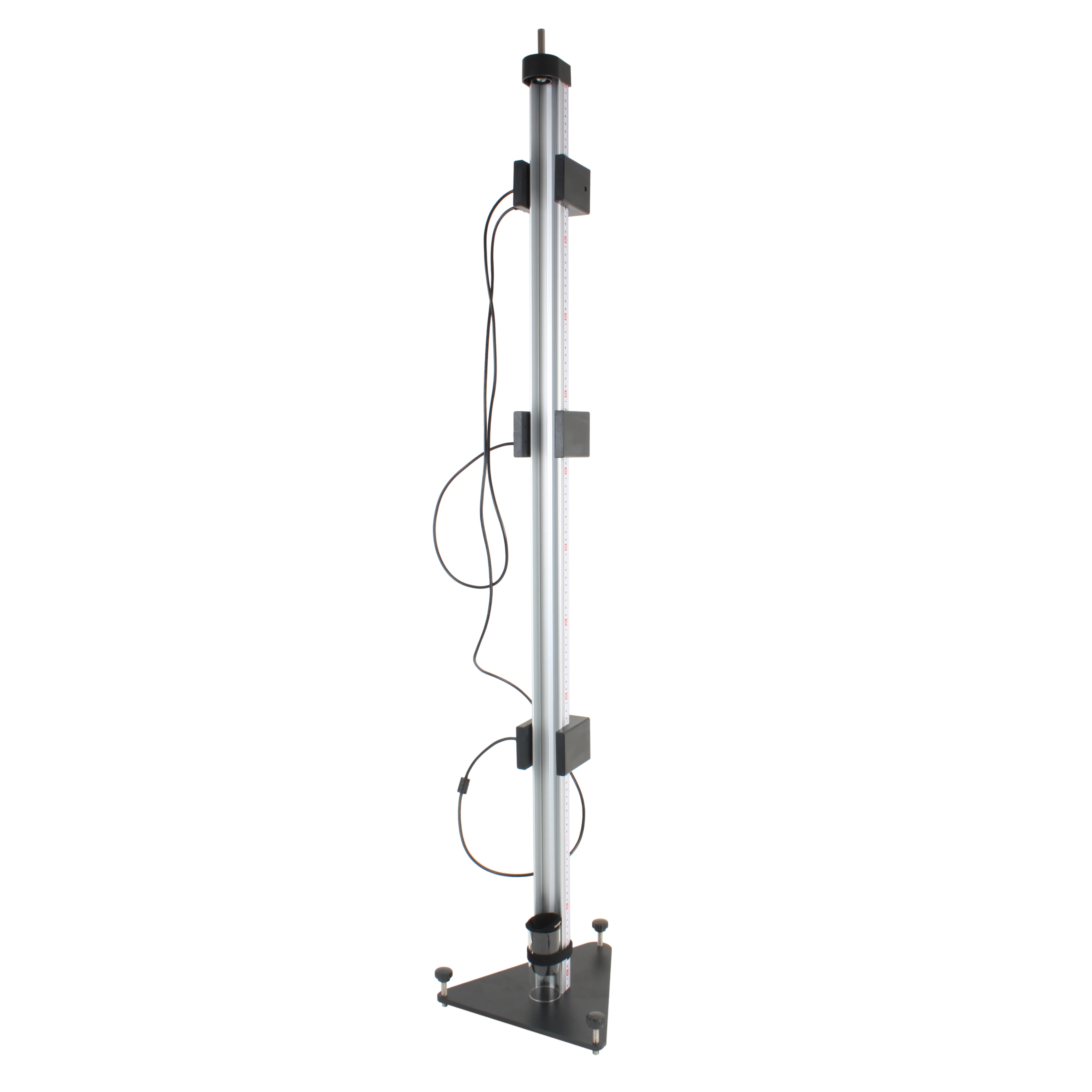
Core Laboratory Equipment for Scientific Discovery
Physics Teaching Apparatus
Physics education relies heavily on demonstration equipment that makes abstract concepts tangible for students. Essential educational instruments in this category include mechanics sets, optics benches, and electromagnetism kits that allow students to observe physical phenomena firsthand. These tools enable educators to demonstrate principles such as Newton's laws, wave properties, and electromagnetic induction through controlled experiments that students can replicate and analyze.
Modern physics educational instruments also encompass digital measurement tools such as electronic balances, digital oscilloscopes, and computer-interfaced sensors that provide precise data collection capabilities. These advanced tools help students understand the importance of accurate measurement in scientific research while developing technical skills that are increasingly valuable in STEM careers. The integration of technology with traditional physics apparatus creates learning experiences that mirror professional laboratory environments.
Chemistry Laboratory Essentials
Chemistry education requires specialized educational instruments that ensure both safety and effective learning outcomes. Essential equipment includes fume hoods, precision scales, pH meters, and molecular model sets that help students visualize chemical structures and reactions. These tools provide the foundation for understanding chemical principles through direct observation and manipulation of materials under controlled conditions.
Advanced chemistry educational instruments such as spectrophotometers and chromatography systems introduce students to analytical techniques used in professional laboratories. These sophisticated tools not only enhance the quality of chemistry education but also prepare students for advanced coursework and potential careers in chemical research, pharmaceuticals, or environmental science.
Technology Integration Tools for Modern Learning
Digital Microscopy Systems
Digital microscopy represents a significant advancement in educational instruments for biology and materials science education. These systems combine traditional optical microscopy with digital imaging capabilities, allowing students to capture, analyze, and share microscopic observations in real-time. The ability to project images for group viewing transforms individual observation into collaborative learning experiences.
Modern digital microscopy educational instruments often include specialized software for image analysis, measurement, and documentation. These features enable students to conduct quantitative studies of specimens while developing digital literacy skills that are essential in contemporary scientific research. The integration of these advanced tools demonstrates how educational instruments continue to evolve with technological advancement.
Computer-Aided Design Platforms
Engineering and design education benefits significantly from computer-aided design educational instruments that provide students with professional-grade software and hardware tools. These systems enable students to create, modify, and analyze complex designs while learning industry-standard practices and workflows. The hands-on experience with professional tools prepares students for engineering careers and technical problem-solving challenges.
Educational institutions investing in comprehensive CAD educational instruments often include 3D printers and prototyping equipment that allow students to transform digital designs into physical objects. This complete design-to-manufacture workflow provides invaluable experience in product development and helps students understand the relationship between theoretical design and practical manufacturing constraints.
Measurement and Testing Equipment
Precision Measurement Tools
Accurate measurement forms the foundation of scientific inquiry, making precision measurement educational instruments essential for quality education. These tools include digital calipers, micrometers, analytical balances, and coordinate measuring machines that teach students the importance of precision and accuracy in data collection. Understanding measurement uncertainty and calibration procedures helps students develop critical thinking skills about data reliability.
Advanced measurement educational instruments such as strain gauges, force transducers, and environmental monitoring sensors introduce students to modern data acquisition techniques. These sophisticated tools demonstrate how measurements are used in engineering applications and scientific research, providing context for theoretical concepts learned in classroom settings.
Materials Testing Systems
Understanding material properties requires specialized educational instruments designed for testing mechanical, thermal, and electrical characteristics. Tensile testing machines, hardness testers, and thermal analysis equipment provide students with hands-on experience in materials characterization. These tools help students understand how material selection impacts product performance and reliability in real-world applications.
Comprehensive materials testing educational instruments often include safety features and automated data collection systems that ensure student safety while providing professional-quality results. The experience gained from using these tools prepares students for careers in materials engineering, quality control, and product development where materials testing is a critical responsibility.
Safety and Compliance Equipment
Laboratory Safety Systems
Safety equipment represents a critical category of educational instruments that ensures student welfare while facilitating learning experiences. Emergency shower stations, eye wash facilities, and fume extraction systems create safe learning environments where students can conduct experiments with confidence. These safety measures are essential for maintaining compliance with educational safety standards and protecting student health.
Modern safety educational instruments include digital monitoring systems that track air quality, temperature, and chemical exposure levels in real-time. These advanced systems not only provide immediate safety alerts but also teach students about environmental monitoring and occupational health practices that are increasingly important in professional settings.
Personal Protective Equipment
Personal protective equipment forms an essential component of educational instruments in laboratory and workshop settings. Safety goggles, laboratory coats, gloves, and respiratory protection equipment must be readily available and properly maintained to ensure student safety during hands-on learning activities. Teaching proper use and maintenance of protective equipment instills important safety habits that students carry into their professional careers.
Educational institutions must regularly update and maintain personal protective educational instruments to ensure continued effectiveness and compliance with safety regulations. This ongoing commitment to safety equipment demonstrates institutional responsibility and helps create a culture of safety awareness among students and faculty.
Specialized Subject-Specific Tools
Mathematical Modeling Equipment
Mathematics education benefits from specialized educational instruments that make abstract concepts more concrete and understandable. Geometric construction sets, probability simulation tools, and graphing calculators provide students with hands-on ways to explore mathematical relationships and patterns. These tools help bridge the gap between theoretical mathematics and practical applications in engineering and science.
Advanced mathematical educational instruments include computer algebra systems and statistical analysis software that introduce students to computational approaches to mathematical problem-solving. These tools prepare students for advanced mathematics courses and provide valuable skills for data analysis in research and professional contexts.
Environmental Monitoring Instruments
Environmental science education requires specialized educational instruments for monitoring air quality, water parameters, and soil conditions. These tools include pH meters, dissolved oxygen sensors, turbidity meters, and atmospheric monitoring equipment that enable students to conduct field studies and laboratory analyses. Hands-on experience with environmental monitoring equipment helps students understand the complexity of environmental systems and the importance of data-driven environmental protection efforts.
Comprehensive environmental monitoring educational instruments often include data logging capabilities that allow students to conduct long-term studies and analyze trends over time. This experience with continuous monitoring systems prepares students for careers in environmental consulting, regulatory compliance, and sustainability management.
Maintenance and Calibration Considerations
Equipment Maintenance Protocols
Proper maintenance of educational instruments ensures their longevity, accuracy, and safety for student use. Regular cleaning, lubrication, and inspection procedures must be established for each type of equipment to prevent deterioration and maintain optimal performance. Educational institutions should develop comprehensive maintenance schedules that include both routine care and professional servicing requirements.
Training faculty and technical staff in proper maintenance procedures for educational instruments reduces long-term costs and ensures equipment availability when needed. Well-maintained equipment also provides more reliable results, enhancing the quality of educational experiences and teaching students the importance of proper equipment care in professional settings.
Calibration and Accuracy Standards
Regular calibration of precision educational instruments maintains measurement accuracy and ensures that student data collection activities produce reliable results. Calibration procedures must be documented and performed according to manufacturer specifications or industry standards. This attention to calibration teaches students about measurement traceability and quality assurance practices that are essential in scientific and engineering work.
Educational institutions should establish relationships with qualified calibration service providers to ensure that educational instruments meet accuracy requirements throughout their service life. Investment in proper calibration demonstrates institutional commitment to quality education and helps students understand the importance of measurement reliability in professional practice.
Future Trends in Educational Equipment
Integration of Artificial Intelligence
Artificial intelligence is beginning to transform educational instruments by providing intelligent tutoring systems, automated data analysis, and personalized learning experiences. AI-enhanced educational instruments can adapt to individual student learning styles and provide real-time feedback on experimental techniques and data interpretation. This technology promises to make laboratory experiences more efficient and effective while maintaining the hands-on learning benefits that are crucial for STEM education.
Future development of AI-integrated educational instruments will likely include predictive maintenance capabilities, automated calibration procedures, and intelligent safety monitoring systems. These advances will reduce the administrative burden on educational institutions while enhancing the reliability and safety of laboratory equipment.
Sustainability and Environmental Responsibility
Environmental consciousness is driving the development of more sustainable educational instruments that minimize energy consumption, reduce waste generation, and incorporate recyclable materials. Green laboratory initiatives are encouraging educational institutions to select equipment based on environmental impact as well as educational effectiveness. This trend reflects growing awareness of environmental responsibility in education and research.
Future educational instruments will likely incorporate renewable energy sources, biodegradable components, and closed-loop systems that minimize environmental impact. These developments will not only reduce the environmental footprint of educational institutions but also teach students about sustainable design and environmental stewardship.
FAQ
What factors should schools consider when selecting educational instruments?
Schools should evaluate educational instruments based on curriculum alignment, student safety features, maintenance requirements, and long-term cost of ownership. The equipment should support specific learning objectives while providing reliable performance throughout its expected service life. Additionally, institutions should consider the availability of technical support, replacement parts, and upgrade options when making purchasing decisions.
How often should educational instruments be calibrated or serviced?
Calibration frequency for educational instruments depends on the specific equipment type, usage intensity, and accuracy requirements. Precision measurement devices typically require annual calibration, while some specialized instruments may need more frequent attention. Schools should follow manufacturer recommendations and establish maintenance schedules based on actual usage patterns and performance monitoring results.
What training is required for faculty to use advanced educational instruments?
Faculty training requirements vary depending on the complexity and safety considerations of specific educational instruments. Basic equipment may require only orientation sessions, while sophisticated analytical instruments often need comprehensive training programs that include safety procedures, operation protocols, and troubleshooting techniques. Ongoing professional development ensures that faculty remain current with equipment capabilities and best practices.
How can schools maximize the educational value of their instrument investments?
Schools can maximize educational value by integrating instruments across multiple courses, developing interdisciplinary projects, and providing student training opportunities. Regular equipment utilization reviews help identify underused instruments and opportunities for broader application. Additionally, involving students in equipment maintenance and calibration activities provides valuable hands-on learning experiences while extending equipment life.
Table of Contents
- Core Laboratory Equipment for Scientific Discovery
- Technology Integration Tools for Modern Learning
- Measurement and Testing Equipment
- Safety and Compliance Equipment
- Specialized Subject-Specific Tools
- Maintenance and Calibration Considerations
- Future Trends in Educational Equipment
-
FAQ
- What factors should schools consider when selecting educational instruments?
- How often should educational instruments be calibrated or serviced?
- What training is required for faculty to use advanced educational instruments?
- How can schools maximize the educational value of their instrument investments?