
 EN
EN

In today's rapidly evolving educational landscape, the significance of quality educational items cannot be overstated. These carefully designed tools and resources play a pivotal role in transforming traditional learning environments into dynamic, interactive spaces that captivate students' attention and foster deeper understanding. Educational items serve as bridges between abstract concepts and tangible experiences, making complex subjects more accessible and engaging for learners of all ages. The strategic implementation of these resources has been shown to dramatically improve student participation, retention rates, and overall academic performance across diverse educational settings.
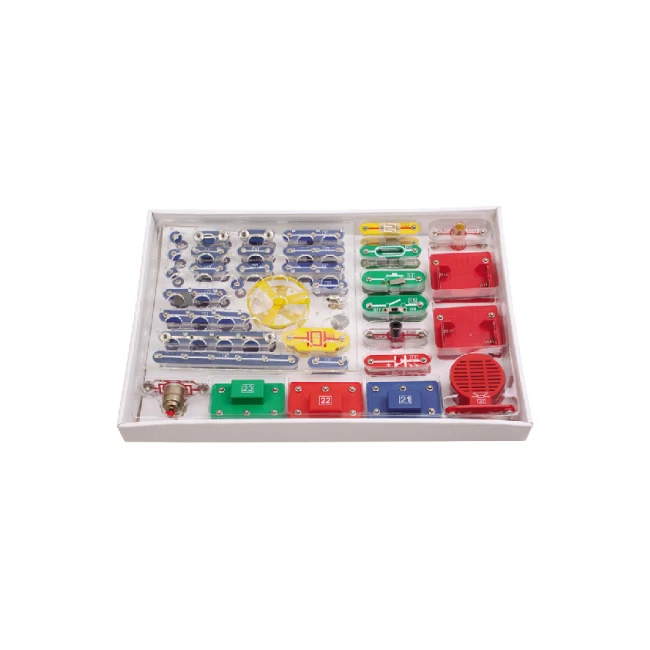
Modern educators increasingly recognize that passive learning methods alone are insufficient to meet the diverse needs of contemporary students. Quality educational items provide the interactive elements necessary to transform monotonous classroom experiences into vibrant learning adventures. These resources encourage active participation, critical thinking, and collaborative problem-solving skills that are essential for success in the 21st century. When students can physically manipulate, explore, and experiment with educational materials, they develop stronger neural pathways and retain information more effectively than through traditional lecture-based approaches alone.
Cognitive Development Through Interactive Learning Tools
Enhanced Memory Formation and Retention
The human brain is naturally wired to learn through multiple sensory channels, and educational items capitalize on this fundamental principle. When students engage with tactile learning materials, they activate multiple regions of the brain simultaneously, creating stronger memory networks and improving long-term retention. Research in cognitive neuroscience demonstrates that hands-on learning experiences with quality educational materials lead to more robust neural connections than passive information absorption. This multisensory approach to learning helps students develop comprehensive understanding while making abstract concepts concrete and memorable.
Interactive educational items also support different learning styles within the classroom environment. Visual learners benefit from colorful diagrams and manipulative materials, while kinesthetic learners thrive when they can physically handle and explore educational tools. Auditory learners gain from educational items that incorporate sound elements or encourage verbal discussion and explanation. By providing diverse sensory inputs, quality educational materials ensure that every student has the opportunity to engage with content in ways that match their natural learning preferences and cognitive strengths.
Critical Thinking and Problem-Solving Skills
Quality educational items are specifically designed to challenge students intellectually and encourage independent thinking. These resources often present problems or scenarios that require analysis, synthesis, and creative solutions, pushing students beyond mere memorization into higher-order thinking skills. When students work with well-designed educational materials, they learn to approach challenges systematically, consider multiple perspectives, and develop logical reasoning abilities that extend far beyond the classroom setting.
The iterative nature of many educational items allows students to experiment, make mistakes, and learn from their errors in a safe, supportive environment. This trial-and-error process builds resilience and confidence while teaching valuable lessons about persistence and adaptability. Students who regularly interact with challenging educational materials develop stronger analytical skills and become more comfortable with ambiguity and uncertainty, preparing them for complex real-world situations they will encounter in their academic and professional futures.
Social and Emotional Learning Benefits
Collaborative Learning Opportunities
Educational items frequently serve as catalysts for collaborative learning experiences that build essential social skills alongside academic knowledge. When students work together with shared educational materials, they learn to communicate effectively, negotiate differences, and support one another's learning processes. These collaborative interactions help develop empathy, leadership abilities, and cultural awareness as students from diverse backgrounds share perspectives and work toward common goals using the same educational tools and resources.
Group activities centered around educational items also teach valuable lessons about teamwork, delegation, and collective responsibility. Students learn to appreciate different strengths and contributions while developing patience and understanding for varying learning paces and approaches. These social skills are increasingly important in modern educational and professional environments where collaboration and teamwork are essential for success and innovation.
Confidence Building and Self-Efficacy
Quality educational items provide students with opportunities to experience success and build confidence in their learning abilities. When students successfully complete challenges or master concepts using educational materials, they develop a stronger sense of self-efficacy and belief in their capacity to learn and grow. This increased confidence often translates into greater willingness to take on new challenges and persist through difficulties in other areas of their academic journey.
The immediate feedback provided by many educational items helps students understand their progress and identify areas for improvement without the anxiety often associated with formal assessments. This continuous feedback loop allows students to adjust their approaches and celebrate small victories along the way, maintaining motivation and engagement throughout the learning process. Students who regularly experience success with educational materials develop more positive attitudes toward learning and greater resilience when facing academic challenges.
Academic Performance and Achievement Outcomes
Improved Test Scores and Assessment Results
Extensive research demonstrates that students who regularly engage with quality educational items show significant improvements in standardized test scores and formal assessments. The deep understanding fostered by interactive learning experiences translates directly into better performance on evaluations that measure comprehension, application, and analysis skills. Educational items help students move beyond surface-level knowledge to develop the conceptual understanding necessary for success on complex academic assessments and standardized examinations.
The hands-on nature of educational items also helps students develop better test-taking strategies and problem-solving approaches. When students have experience manipulating variables and exploring concepts through interactive materials, they become more comfortable with the types of analytical thinking required for challenging academic assessments. This improved performance often leads to increased opportunities for advanced coursework and higher education pathways.
Long-Term Academic Success and Career Preparation
The skills developed through engagement with quality educational items extend far beyond immediate academic improvements to support long-term success in higher education and professional careers. Students who regularly work with educational materials develop stronger analytical thinking, creative problem-solving, and collaborative skills that are highly valued in modern workplaces. These foundational abilities help students excel in advanced coursework and adapt successfully to changing academic and professional demands throughout their careers.
Educational items also help students develop technological literacy and comfort with complex systems and tools. As educational materials increasingly incorporate digital elements and sophisticated design features, students gain valuable experience with technology integration and innovation. This exposure prepares them for academic programs and career paths that require advanced technical skills and adaptability to emerging technologies and methodologies.
Implementation Strategies for Maximum Impact
Selection Criteria for Quality Educational Materials
Choosing appropriate educational items requires careful consideration of multiple factors including age appropriateness, curriculum alignment, and learning objectives. Effective educational materials should challenge students without overwhelming them, providing appropriate levels of complexity that promote growth while maintaining engagement. Quality educational items are also durable, safe, and designed to withstand regular classroom use while maintaining their educational value and appeal over time.
The best educational items align closely with established curriculum standards and learning goals while providing flexibility for differentiated instruction and diverse learning needs. These materials should support multiple learning modalities and offer various entry points for students with different skill levels and backgrounds. Educational items that encourage creativity and open-ended exploration often provide the greatest value for long-term learning and development.
Integration with Traditional Teaching Methods
Successful implementation of educational items requires thoughtful integration with existing curriculum and teaching approaches rather than complete replacement of traditional methods. The most effective educational programs combine direct instruction, guided practice, and independent exploration using quality educational materials to create comprehensive learning experiences. This balanced approach ensures that students receive structured support while having opportunities for discovery and self-directed learning.
Professional development and training for educators is essential to maximize the impact of educational items in classroom settings. Teachers need support in understanding how to effectively incorporate these materials into lesson plans, assess student progress, and troubleshoot common challenges. When educators are confident and skilled in using educational items, they can better guide students toward meaningful learning experiences and academic success.
Technology Integration and Future Trends
Digital Educational Items and Virtual Learning
The evolution of educational items increasingly includes digital components and virtual reality elements that expand learning possibilities beyond physical classroom boundaries. These technological innovations allow students to explore historical events, manipulate molecular structures, and conduct virtual experiments that would be impossible or impractical in traditional classroom settings. Digital educational items provide unprecedented opportunities for personalized learning experiences that adapt to individual student needs and preferences.
Virtual educational items also support remote learning initiatives and provide continuity of high-quality educational experiences regardless of physical location or circumstances. Students can access interactive simulations, collaborative platforms, and immersive learning environments from home or alternative learning spaces, ensuring consistent engagement with quality educational materials even during disruptions to traditional classroom instruction.
Sustainable and Environmentally Conscious Design
Modern educational items increasingly incorporate sustainable materials and environmentally conscious design principles that teach students about ecological responsibility while supporting their academic development. These materials demonstrate the connection between education and environmental stewardship, helping students understand their role in creating a more sustainable future. Educational items made from recycled or renewable materials provide tangible examples of innovative problem-solving and responsible resource management.
The durability and longevity of quality educational items also contribute to sustainable classroom practices by reducing waste and replacement costs over time. Well-designed educational materials can serve multiple generations of students while maintaining their educational value and appeal, making them excellent investments for schools and educational institutions committed to both academic excellence and environmental responsibility.
FAQ
How do educational items differ from regular toys or games
Educational items are specifically designed with learning objectives in mind, incorporating pedagogical principles and curriculum alignment that distinguish them from general entertainment products. While toys and games may have incidental learning benefits, educational items are created to target specific skills, concepts, or developmental milestones with measurable outcomes. They often include structured activities, assessment components, and instructional guidance that support systematic skill development and academic progress.
What age groups benefit most from interactive educational materials
Interactive educational items provide benefits for learners of all ages, from early childhood through adult education, with different materials designed to support age-appropriate developmental needs. Young children particularly benefit from sensory-rich educational items that support motor skill development and basic concept formation, while older students gain from materials that challenge critical thinking and problem-solving abilities. The key is selecting educational items that match the cognitive and physical developmental stage of the learners while providing appropriate challenges for continued growth.
How can parents support the use of educational items at home
Parents can enhance the impact of educational items by creating structured learning time, participating in activities alongside their children, and connecting educational materials to real-world experiences and family discussions. Establishing dedicated spaces for educational activities and maintaining consistent routines helps children develop positive associations with learning materials. Parents should also communicate with teachers about classroom educational items to ensure continuity between home and school learning experiences.
What factors should schools consider when budgeting for educational materials
Schools should evaluate educational items based on their alignment with curriculum standards, potential impact on student outcomes, durability and longevity, and versatility across multiple subjects or grade levels. Cost-effectiveness should include consideration of long-term value rather than just initial purchase price, including factors such as maintenance requirements, replacement needs, and the number of students who will benefit from each item. Schools should also consider storage requirements, safety certifications, and the availability of professional development resources to maximize the investment in quality educational materials.