
 EN
EN

Effective organization of educational items forms the foundation of successful teaching environments, whether in classrooms, homeschool settings, or specialized learning spaces. Teachers and educators worldwide face the daily challenge of managing countless resources while maintaining accessibility and engagement for students. The strategic arrangement of learning materials directly impacts instructional efficiency, student participation, and overall educational outcomes.
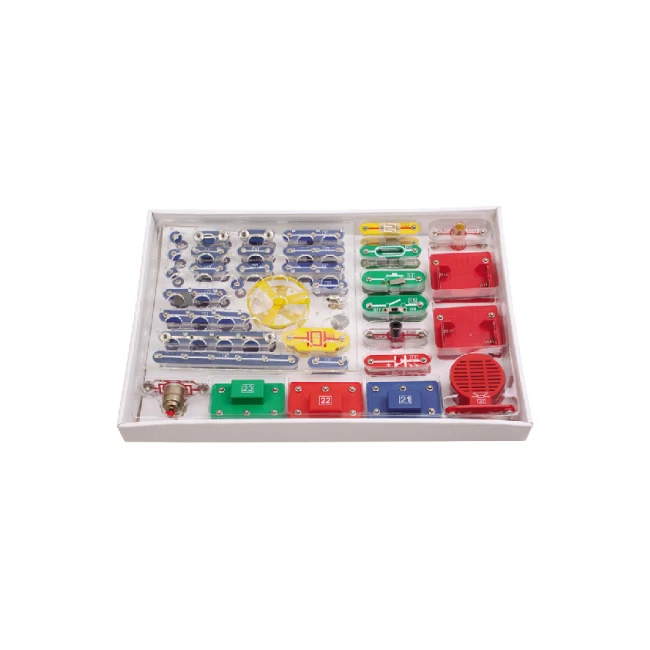
Modern educational environments require systematic approaches to material organization that promote seamless transitions between activities, reduce preparation time, and maximize learning opportunities. Research consistently demonstrates that well-organized educational items contribute to improved focus, reduced classroom disruptions, and enhanced academic performance across all age groups and subject areas.
Fundamental Principles of Educational Item Organization
Accessibility and Frequency-Based Arrangement
The cornerstone of effective educational items organization lies in prioritizing accessibility based on usage frequency. Daily-use materials such as writing instruments, basic manipulatives, and reference guides should occupy prime real estate within arm's reach of the primary instruction area. This strategic placement minimizes disruption during lessons while ensuring smooth workflow transitions.
Weekly and monthly educational items deserve secondary positioning in easily accessible storage solutions. Consider implementing a rotation system where seasonal or thematic materials move into primary positions as curricula shift throughout the academic year. This dynamic approach prevents overcrowding while maintaining organization integrity.
Visual Identification and Labeling Systems
Clear visual identification transforms educational items from potential chaos into organized learning resources. Implement color-coding systems that align with subject areas, grade levels, or activity types. Mathematics materials might utilize blue labels, while language arts educational items feature green identification markers.
Photographic labels prove particularly effective for younger learners and visual processors. Digital cameras or smartphones enable quick creation of reference images showing proper storage configurations for complex educational items. These visual guides support both students and substitute teachers in maintaining organizational standards.
Storage Solutions for Different Educational Item Categories
Manipulatives and Hands-On Learning Tools
Manipulative educational items require specialized storage solutions that protect materials while promoting easy distribution and collection. Clear, stackable containers with secure lids prevent mixing of different manipulative sets while allowing visual inventory checks. Consider drawer organizers or tackle boxes for smaller items like counting bears, pattern blocks, or fraction tiles.
Magnetic strips mounted on walls or cabinet doors provide excellent storage for metal manipulatives and tools. This vertical storage solution maximizes space efficiency while creating visually appealing displays of educational items. Magnetic containers can hold paper clips, geometric shapes, or small metal learning tools.
Technology and Digital Educational Items
Digital educational items present unique organizational challenges requiring careful consideration of charging needs, cable management, and device protection. Dedicated charging stations with individual compartments ensure tablets, calculators, and other electronic learning tools remain powered and organized between uses.
Cable management systems prevent the tangled mess that commonly accompanies technology integration. Velcro ties, cable channels, and dedicated cord storage keep educational items functional and accessible. Consider investing in mobile charging carts that can move between different learning spaces as needed.
Daily Organization Workflows and Maintenance
Morning Preparation Routines
Establishing consistent morning routines for educational items preparation sets the tone for successful teaching days. Create checklists that outline essential materials needed for each lesson, allowing quick verification of resource availability. This proactive approach prevents mid-lesson scrambles for missing educational items.
Pre-arranged activity stations with designated educational items enable smooth transitions between learning objectives. Set up materials the evening before or during planning periods to maximize instructional time. Consider preparing backup sets of frequently used educational items to handle unexpected breakage or loss.
End-of-Day Reset Procedures
Consistent reset procedures ensure educational items return to designated locations and remain ready for subsequent use. Implement student responsibilities for age-appropriate cleanup tasks, teaching organizational skills while maintaining classroom systems. Simple procedures like returning scissors to marked containers or placing books in designated bins create sustainable organization habits.
Weekly deep organization sessions address accumulated disarray and allow for inventory assessment. Use these opportunities to identify damaged educational items requiring replacement, reorganize seasonal materials, and adjust systems based on observed usage patterns.
Student-Centered Organization Strategies
Age-Appropriate Organization Systems
Elementary students benefit from simplified organization systems with clear visual cues and consistent locations for educational items. Picture labels, color-coding, and low shelving enable independent access while building responsibility skills. Create designated spaces for personal supplies alongside shared educational items to establish ownership concepts.
Middle and high school students can handle more sophisticated organizational systems involving detailed categorization and responsibility sharing. Implement checkout systems for expensive educational items while maintaining open access to basic materials. Student committees can assist with inventory management and organization maintenance.
Collaborative Organization Approaches
Student involvement in organizing educational items creates investment in maintaining systems while teaching valuable life skills. Assign rotating responsibilities for different material categories, allowing students to develop expertise in specific organizational areas. This approach distributes workload while creating learning opportunities.
Peer mentoring systems pair experienced students with newcomers to teach organizational expectations and procedures. These partnerships support smooth classroom function while building community connections around shared responsibility for educational items management.
Space Optimization and Layout Considerations
Vertical Storage Solutions
Maximizing vertical space dramatically increases storage capacity for educational items without requiring additional floor space. Wall-mounted cubbies, hanging organizers, and tower storage units transform unused vertical real estate into functional organization zones. Consider ceiling-mounted storage for seasonal or infrequently used educational items.
Pegboard systems offer flexible configuration options that adapt to changing storage needs throughout the academic year. Hooks, baskets, and shelves can be rearranged to accommodate different educational items as curriculum focus shifts. This modularity prevents organization systems from becoming obsolete.
Multi-Purpose Furniture and Storage
Storage benches, ottomans with interior compartments, and tables with built-in cubbies serve dual purposes while maintaining educational items organization. These multi-functional pieces maximize space efficiency in crowded classrooms while providing additional seating or work surfaces.
Rolling carts enable educational items to move between different learning zones or classrooms as needed. This mobility prevents duplicate purchases while ensuring materials reach students where learning occurs. Consider carts with multiple shelf levels and securing mechanisms for transport safety.
Inventory Management and Replacement Planning
Tracking Systems and Documentation
Systematic inventory tracking prevents educational items from disappearing into chaos while enabling proactive replacement planning. Simple spreadsheets or dedicated inventory software can monitor quantities, conditions, and usage patterns. Regular counts identify discrepancies before they impact instruction.
Digital photography creates visual records of educational items organization, supporting consistency when multiple staff members share resources. Time-stamped photos document seasonal arrangements and successful configurations for future reference. These visual records prove invaluable during setup periods or after extended breaks.
Budget-Conscious Replacement Strategies
Strategic replacement planning spreads costs across budget cycles while ensuring educational items remain functional and safe. Priority matrices help identify critical versus nice-to-have replacements when funding limitations require difficult decisions. Consider repair options before replacement to maximize resource utilization.
Bulk purchasing during sales cycles reduces per-unit costs for consumable educational items while ensuring adequate supplies. Storage considerations must balance cost savings with space limitations and expiration concerns for time-sensitive materials.
FAQ
What storage containers work best for small educational items like counting manipulatives?
Clear plastic containers with secure, snap-on lids provide excellent visibility while preventing spills and mixing of different educational items. Choose containers sized appropriately for the quantity of materials, leaving room for easy access without overcrowding. Stackable designs maximize storage efficiency in limited space.
How can teachers organize educational items when sharing classroom spaces with other educators?
Mobile storage solutions like rolling carts, portable totes, and collapsible organizers enable teachers to transport personal educational items between shared spaces. Establish clear agreements about shared resources and implement labeling systems that identify ownership while promoting collaboration when appropriate.
What organization strategies work best for seasonal educational items used only periodically?
Store seasonal educational items in labeled containers placed in less accessible areas like high shelves or storage closets. Create detailed inventories with contents lists attached to container exteriors for easy identification. Consider rotation schedules that bring seasonal materials into primary storage areas before anticipated use periods.
How should teachers handle organization of educational items when working with special needs students?
Simplify organization systems using consistent visual cues, reduced choices, and structured routines that support learning differences. Consider individual storage solutions for students who require personalized educational items or modifications. Collaborate with special education specialists to design organization approaches that support specific learning needs while maintaining classroom function.
Table of Contents
- Fundamental Principles of Educational Item Organization
- Storage Solutions for Different Educational Item Categories
- Daily Organization Workflows and Maintenance
- Student-Centered Organization Strategies
- Space Optimization and Layout Considerations
- Inventory Management and Replacement Planning
-
FAQ
- What storage containers work best for small educational items like counting manipulatives?
- How can teachers organize educational items when sharing classroom spaces with other educators?
- What organization strategies work best for seasonal educational items used only periodically?
- How should teachers handle organization of educational items when working with special needs students?