
 EN
EN

Selecting appropriate educational items for children requires careful consideration of developmental stages, learning objectives, and individual interests. Parents and educators face the challenge of choosing products that not only engage young minds but also contribute meaningfully to cognitive, social, and emotional growth. The right educational items can transform playtime into valuable learning experiences that support academic achievement and personal development throughout childhood.
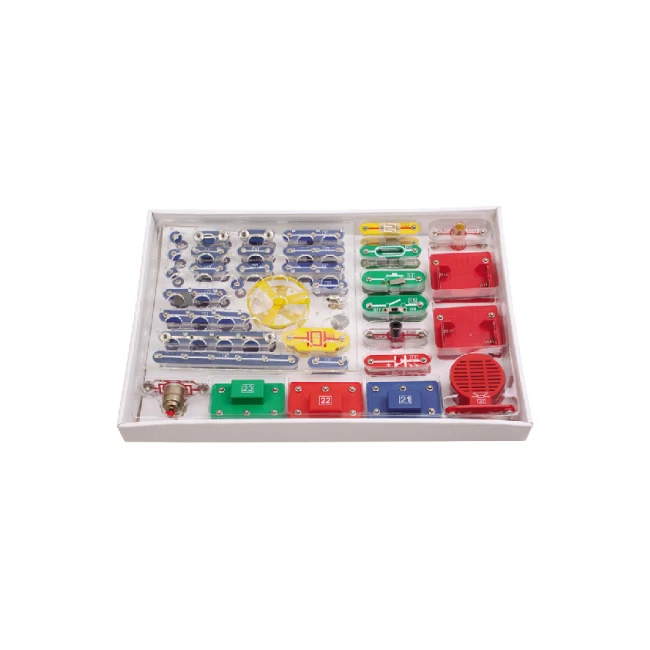
Understanding Developmental Stages and Learning Requirements
Early Childhood Development Patterns
Children progress through distinct developmental phases that influence their capacity to engage with different types of educational items. During the toddler years, sensory exploration dominates learning experiences, making tactile and visually stimulating materials particularly effective. Young children benefit from educational items that encourage hands-on manipulation, simple cause-and-effect relationships, and basic problem-solving activities.
The preschool period introduces more complex cognitive abilities, including symbolic thinking and early language development. Educational items for this age group should incorporate storytelling elements, imaginative play opportunities, and foundational academic concepts like letters, numbers, and shapes. These materials help bridge the gap between purely sensory learning and more structured educational activities.
School-Age Learning Capabilities
Elementary school children demonstrate increased attention spans and abstract thinking abilities, requiring educational items that challenge these developing skills. This age group benefits from materials that combine entertainment with academic content, promoting sustained engagement while reinforcing classroom learning. Science experiments, building sets, and logic puzzles become particularly valuable during this developmental stage.
Middle school students exhibit heightened social awareness and desire for independence, making collaborative educational items especially appealing. Group projects, competitive games with educational components, and technology-integrated learning tools align well with their developmental needs and preferences.
Age-Specific Selection Criteria for Educational Materials
Infants and Toddlers (0-3 Years)
Educational items for the youngest learners must prioritize safety, durability, and sensory stimulation. Soft textures, contrasting colors, and simple sounds create engaging experiences that support neural development and motor skill refinement. Materials should be large enough to prevent choking hazards while encouraging grasping, reaching, and exploratory behaviors.
Interactive toys that respond to touch, movement, or manipulation help infants and toddlers understand cause-and-effect relationships. Musical instruments, stacking toys, and shape sorters provide excellent foundations for later academic learning while supporting fine motor development and spatial reasoning skills.
Preschoolers (3-5 Years)
Preschool children require educational items that balance structure with creativity, supporting both guided learning and independent exploration. Art supplies, building blocks, and pretend play materials encourage imagination while developing fine motor skills and social interaction abilities. These educational items should introduce basic academic concepts through playful activities.
Puzzles, matching games, and simple board games help preschoolers develop concentration, pattern recognition, and turn-taking skills. Materials that combine physical manipulation with cognitive challenges prove particularly effective for this age group, as they support multiple developmental domains simultaneously.
Elementary Students (6-11 Years)
School-age children benefit from educational items that complement formal instruction while maintaining engaging, game-like qualities. Science kits, construction sets, and strategy games provide opportunities to apply classroom learning in practical contexts. These materials should challenge growing analytical abilities while remaining accessible and enjoyable.
Technology-enhanced educational items become increasingly appropriate for elementary students, offering interactive experiences that adapt to individual learning paces. Digital learning platforms, educational apps, and programmable devices introduce computational thinking while supporting traditional academic subjects.
Quality Indicators and Safety Considerations
Material Standards and Durability
High-quality educational items demonstrate superior construction, using non-toxic materials that withstand regular use and cleaning. Reputable manufacturers provide clear age recommendations, safety certifications, and detailed product information to help parents make informed decisions. Durable construction ensures long-term value and continued learning opportunities.
Educational items should meet or exceed industry safety standards, particularly regarding small parts, sharp edges, and chemical composition. Parents should verify compliance with relevant safety regulations and consider the specific needs of their children when evaluating potential hazards.
Educational Value Assessment
Effective educational items clearly align with specific learning objectives while maintaining child appeal and engagement. Quality products often include parent guides or instructional materials that explain developmental benefits and suggest extension activities. These resources help maximize the educational potential of each item.
Multi-purpose educational items that support various skill areas typically provide better value than single-function products. Materials that grow with children or offer multiple difficulty levels extend useful life and adapt to changing developmental needs.
Matching Learning Styles with Appropriate Materials
Visual and Kinesthetic Learners
Children who learn best through visual input benefit from educational items featuring bright colors, clear illustrations, and organized layouts. Charts, diagrams, and picture books support visual learners, while hands-on manipulatives and building materials appeal to kinesthetic learners who need physical movement and touch to process information effectively.
Interactive displays, microscopes, and art materials provide excellent options for visual learners, allowing them to observe, create, and analyze visual information. Kinesthetic learners thrive with educational items that require movement, construction, or physical manipulation to achieve learning goals.
Auditory and Social Learners
Auditory learners benefit from educational items incorporating music, sound effects, or verbal instructions. Audiobooks, musical instruments, and talking devices support these children's natural learning preferences while developing listening skills and auditory processing abilities.
Social learners prefer educational items that facilitate group activities and collaborative problem-solving. Board games, team-building exercises, and cooperative projects provide opportunities for peer interaction while achieving educational objectives through social engagement.
Budget Considerations and Value Optimization
Cost-Effective Selection Strategies
Smart purchasing decisions focus on educational items that offer multiple learning opportunities and extended use periods. Versatile materials that serve various functions or adapt to different skill levels provide better long-term value than specialized single-use products. Parents should consider the cost per educational benefit rather than simply the initial purchase price.
Quality educational items often justify higher initial costs through superior durability, safety features, and learning outcomes. Investing in well-constructed materials that last through multiple children or extended use periods typically proves more economical than repeatedly replacing inferior products.
Maximizing Educational Investment
Families can optimize their educational item purchases by researching product reviews, consulting educational professionals, and considering long-term learning goals. Seasonal sales, bulk purchasing, and educational discounts help reduce costs while maintaining quality standards.
Sharing educational items among families, participating in toy libraries, or organizing educational item exchanges can expand access to diverse learning materials while managing expenses. These collaborative approaches also introduce children to new educational items and learning experiences.
Technology Integration in Modern Educational Materials
Digital Learning Platforms
Contemporary educational items increasingly incorporate digital elements that enhance traditional learning experiences. Interactive tablets, programmable robots, and augmented reality applications provide immersive educational environments that adapt to individual learning preferences and progress rates.
Technology-enhanced educational items should complement rather than replace hands-on learning experiences. The most effective digital materials combine screen-based activities with physical manipulation, creative projects, and social interaction to support comprehensive development.
Balancing Screen Time and Traditional Play
Modern families must carefully balance digital educational items with traditional hands-on materials to ensure well-rounded development. Screen-based learning should be age-appropriate, time-limited, and supervised to maximize benefits while minimizing potential negative effects.
Hybrid educational items that combine digital and physical elements often provide optimal learning experiences. These materials leverage technology's adaptive capabilities while maintaining the tactile and social benefits of traditional educational items.
FAQ
How do I determine if educational items are age-appropriate for my child
Age-appropriateness depends on your child's individual development rather than chronological age alone. Observe your child's current skills, interests, and attention span to select educational items that provide appropriate challenge without causing frustration. Manufacturer recommendations provide starting points, but consider your child's unique abilities and preferences when making final decisions.
What safety features should I look for in educational items
Essential safety features include non-toxic materials, appropriate sizing to prevent choking hazards, smooth edges without sharp points, and sturdy construction that prevents breakage during normal use. Look for safety certifications from recognized organizations and avoid items with small detachable parts for young children who might put objects in their mouths.
How can I maximize the educational value of learning materials
Engage actively with your child during educational item use, asking open-ended questions and encouraging exploration beyond basic instructions. Rotate materials regularly to maintain interest, combine different educational items for extended projects, and connect learning activities to real-world experiences and classroom subjects for reinforcement.
Should I prioritize electronic or traditional educational items
The most effective approach combines both electronic and traditional educational items to support diverse learning styles and developmental needs. Traditional materials provide essential tactile experiences and social interaction, while electronic items offer adaptive learning and engaging multimedia content. Balance is key to comprehensive educational development.
Table of Contents
- Understanding Developmental Stages and Learning Requirements
- Age-Specific Selection Criteria for Educational Materials
- Quality Indicators and Safety Considerations
- Matching Learning Styles with Appropriate Materials
- Budget Considerations and Value Optimization
- Technology Integration in Modern Educational Materials
- FAQ