
 EN
EN

Modern educational institutions face increasing pressure to provide students with hands-on learning experiences that bridge theoretical knowledge with practical application. The demand for high-quality educational instruments has grown exponentially as schools recognize the importance of interactive learning in science, technology, engineering, and mathematics curricula. These specialized tools serve as the foundation for effective laboratory instruction, enabling students to conduct meaningful experiments and develop critical thinking skills through direct observation and manipulation of scientific principles.
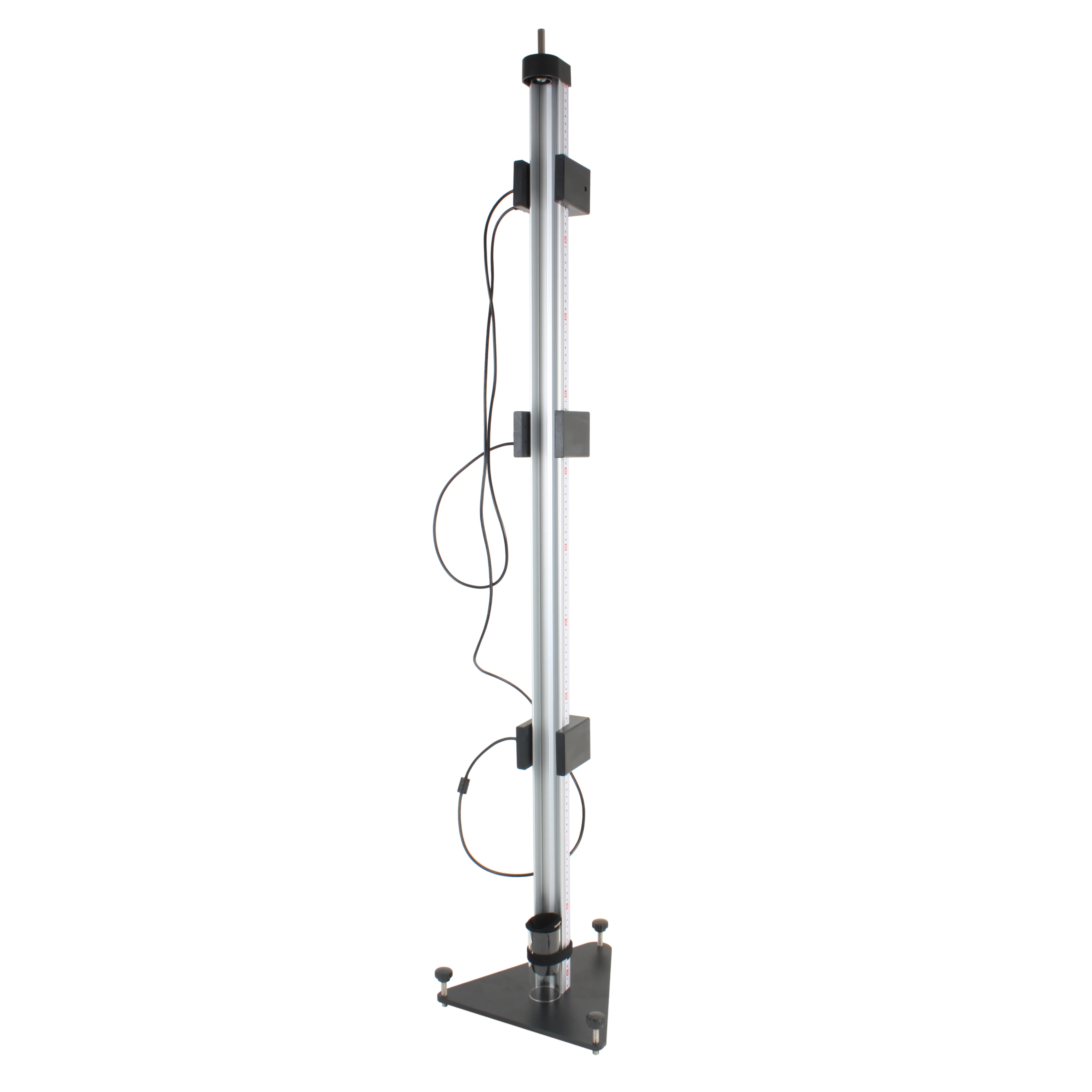
Educational administrators and procurement specialists must navigate a complex landscape of suppliers, quality standards, and budget constraints when sourcing educational instruments. The challenge extends beyond simply finding the lowest price, as the reliability, accuracy, and durability of these instruments directly impact the quality of education delivered to students. Understanding where to source high-quality educational items requires careful consideration of multiple factors, including supplier reputation, product certifications, after-sales support, and alignment with curriculum requirements.
Understanding the Educational Instrument Market
Market Structure and Key Players
The educational instrument market encompasses a diverse ecosystem of manufacturers, distributors, and specialized suppliers catering to different educational sectors. Major international manufacturers dominate the high-end segment, producing sophisticated educational instruments that meet stringent quality standards and regulatory requirements. These companies typically maintain extensive research and development departments, ensuring their products incorporate the latest technological advances and pedagogical insights.
Regional suppliers and local distributors play crucial roles in making educational instruments accessible to schools with varying budget constraints. These entities often provide customized solutions, bundled packages, and flexible payment terms that larger manufacturers cannot offer. Understanding this market structure helps educational buyers identify the most appropriate sourcing channels for their specific needs and circumstances.
Quality Standards and Certifications
Educational instruments must adhere to rigorous safety and performance standards to ensure student safety and measurement accuracy. International standards such as ISO certifications, CE markings, and country-specific educational equipment standards provide frameworks for evaluating product quality. Schools should prioritize suppliers who demonstrate compliance with these standards through proper documentation and third-party verification processes.
Quality educational instruments undergo extensive testing procedures to verify their accuracy, durability, and safety characteristics. Reputable suppliers maintain detailed quality control records and provide comprehensive technical specifications that allow educational buyers to make informed purchasing decisions. The investment in certified educational instruments ultimately protects schools from liability issues while ensuring consistent, reliable performance in laboratory settings.
Traditional Sourcing Channels for Educational Equipment
Established Educational Suppliers
Traditional educational suppliers have built their reputations through decades of serving school districts, universities, and research institutions. These established companies offer comprehensive catalogs of educational instruments, often providing complete laboratory setups and curriculum-aligned equipment packages. Their expertise in educational markets enables them to offer valuable consultation services, helping schools select appropriate instruments for their specific teaching objectives and student populations.
Working with established suppliers provides schools access to proven educational instruments that have been field-tested in numerous educational environments. These suppliers typically maintain extensive inventory levels, ensuring quick delivery times and consistent product availability. Additionally, they often provide training programs for educators, technical support services, and warranty coverage that extends beyond standard manufacturer guarantees.
Direct Manufacturer Relationships
Developing direct relationships with educational instrument manufacturers can offer significant advantages for large school districts and institutions with substantial purchasing power. Direct sourcing eliminates intermediary markups, potentially reducing overall acquisition costs while providing access to the latest product innovations and customization options. Manufacturers often welcome direct relationships with educational institutions, viewing them as valuable partners in product development and market feedback.
Direct manufacturer relationships enable schools to participate in beta testing programs, gaining early access to new educational instruments and influencing product development directions. This collaboration can result in customized solutions that address specific curriculum requirements or unique teaching methodologies. However, direct sourcing requires greater internal expertise and resources to manage procurement processes, quality assurance, and ongoing supplier relationships.
Modern Digital Sourcing Platforms
Online B2B Marketplaces
The digital transformation of procurement has introduced sophisticated online B2B marketplaces that connect educational institutions with global suppliers of educational instruments. These platforms provide unprecedented access to diverse product offerings, competitive pricing information, and supplier performance data. Advanced search capabilities and filtering options enable procurement professionals to quickly identify suitable educational instruments based on specific technical requirements, budget constraints, and delivery timelines.
Modern B2B marketplaces incorporate sophisticated verification systems that validate supplier credentials, product certifications, and customer feedback. These platforms often feature integrated communication tools, enabling direct dialogue between buyers and suppliers to clarify technical specifications, negotiate terms, and resolve potential issues before purchase commitments. The transparency and efficiency of digital marketplaces have revolutionized how educational institutions approach equipment procurement.
Specialized Educational Procurement Platforms
Specialized platforms designed specifically for educational procurement offer tailored solutions that address the unique requirements of schools and universities. These platforms curate selections of educational instruments from verified suppliers, ensuring all listed products meet relevant educational standards and safety requirements. The specialization enables more precise matching between educational needs and available products, reducing the time and effort required for supplier identification and evaluation.
Educational procurement platforms often integrate with school district purchasing systems, streamlining approval workflows and compliance documentation. They may offer additional services such as curriculum alignment verification, bulk purchasing programs, and professional development resources related to educational instruments. These value-added services differentiate specialized platforms from generic B2B marketplaces and provide comprehensive solutions for educational equipment procurement.
Evaluating Supplier Quality and Reliability
Supplier Assessment Criteria
Effective evaluation of educational instrument suppliers requires systematic assessment of multiple criteria that impact long-term satisfaction and value delivery. Technical capability represents a fundamental consideration, encompassing the supplier's manufacturing expertise, quality control processes, and ability to meet precise specifications. Suppliers with strong technical capabilities typically invest in advanced manufacturing equipment, maintain skilled technical staff, and demonstrate continuous improvement initiatives.
Financial stability and business continuity planning ensure suppliers can fulfill long-term commitments and provide ongoing support for educational instruments throughout their operational lifecycles. Educational institutions should evaluate supplier financial health, assess their market position, and understand their strategic plans for product development and market expansion. Suppliers with strong financial foundations are better positioned to honor warranties, provide replacement parts, and maintain technical support services over extended periods.
Quality Assurance and Testing Protocols
Comprehensive quality assurance programs distinguish superior suppliers from those offering basic educational instruments without adequate quality oversight. Leading suppliers implement rigorous incoming material inspection processes, in-process quality monitoring, and final product testing procedures that verify performance characteristics and safety compliance. These quality systems should be documented, regularly audited, and continuously improved based on performance data and customer feedback.
Testing protocols for educational instruments must address both performance accuracy and durability requirements, ensuring products will withstand repeated use in educational environments. Suppliers should provide detailed test reports, calibration certificates, and performance data that demonstrate product compliance with relevant standards. Transparency in quality assurance processes indicates supplier commitment to delivering reliable educational instruments that meet educational institution expectations.
Cost Optimization Strategies
Total Cost of Ownership Analysis
Educational institutions must consider total cost of ownership when evaluating different sourcing options for educational instruments, extending beyond initial purchase prices to encompass operating costs, maintenance requirements, and end-of-life considerations. High-quality educational instruments with premium initial costs often deliver superior long-term value through reduced maintenance needs, extended operational lifecycles, and enhanced measurement accuracy that improves educational outcomes.
Comprehensive cost analysis should include training requirements for staff, calibration and maintenance costs, spare parts availability and pricing, and potential upgrade pathways that extend useful life. Educational instruments with modular designs and upgrade capabilities can adapt to evolving curriculum requirements without complete replacement, providing significant long-term cost advantages. Suppliers who offer comprehensive lifecycle cost information demonstrate transparency and commitment to customer value creation.
Bulk Purchasing and Consortium Opportunities
Strategic aggregation of purchasing volumes can unlock significant cost savings and improved terms for educational instruments procurement. School districts can leverage bulk purchasing power to negotiate volume discounts, extended warranty coverage, and enhanced service levels that individual schools cannot achieve independently. Consortium purchasing programs enable smaller institutions to access enterprise-level pricing and services typically reserved for large customers.
Collaborative purchasing initiatives require careful coordination and standardization of requirements across participating institutions. Educational buyers must balance the benefits of volume purchasing with the need to maintain flexibility for institution-specific requirements. Successful consortium programs establish clear governance structures, standardized evaluation criteria, and equitable cost allocation mechanisms that ensure all participants realize appropriate benefits from their participation.
Quality Control and Inspection Processes
Pre-Delivery Verification Procedures
Implementing systematic pre-delivery verification procedures ensures educational instruments meet specified requirements before installation in educational facilities. These procedures should include visual inspection for physical damage, verification of included accessories and documentation, and functional testing to confirm operational performance. Educational institutions should establish clear acceptance criteria and inspection protocols that align with supplier quality standards and educational requirements.
Pre-delivery verification processes must be documented and consistently applied across all educational instruments purchases to maintain quality standards and provide accountability. Staff responsible for conducting inspections should receive appropriate training on technical specifications, safety requirements, and proper testing procedures. Systematic documentation of inspection results creates valuable data for supplier performance evaluation and continuous improvement initiatives.
Post-Installation Performance Monitoring
Ongoing performance monitoring of educational instruments provides critical feedback on supplier quality and helps identify potential issues before they impact educational activities. Monitoring programs should track key performance indicators such as measurement accuracy, reliability, maintenance requirements, and user satisfaction. Regular performance reviews enable educational institutions to make data-driven decisions about supplier relationships and future procurement strategies.
Performance monitoring data should be systematically collected, analyzed, and shared with suppliers to facilitate continuous improvement initiatives. Educational institutions that maintain detailed performance records can negotiate improved terms, enhanced service levels, and priority support based on documented supplier performance. This data-driven approach to supplier management creates mutual accountability and drives improvements in educational instruments quality and service delivery.
Building Long-Term Supplier Relationships
Partnership Development Strategies
Developing strategic partnerships with educational instrument suppliers creates mutual benefits that extend beyond transactional purchasing relationships. Educational institutions can provide valuable market feedback, participate in product development initiatives, and serve as reference customers for suppliers seeking to expand their educational market presence. These partnerships often result in preferential pricing, priority access to new products, and enhanced technical support services.
Successful partnerships require clear communication of expectations, regular performance reviews, and collaborative problem-solving approaches that address challenges constructively. Educational institutions should invest time in understanding supplier capabilities, market strategies, and development roadmaps to identify opportunities for deeper collaboration. Strategic partnerships with key suppliers can provide competitive advantages in terms of product access, pricing, and technical support that benefit both parties long-term.
Continuous Improvement Collaboration
Engaging suppliers in continuous improvement initiatives creates opportunities to enhance educational instruments performance, reduce costs, and develop innovative solutions that address evolving educational requirements. Educational institutions can share usage data, performance feedback, and curriculum development insights that inform supplier product development and quality improvement efforts. This collaboration often results in customized solutions and product enhancements that provide unique competitive advantages.
Continuous improvement collaboration requires structured communication processes, regular review meetings, and shared performance metrics that align supplier objectives with educational institution goals. Successful programs establish clear improvement targets, resource commitments, and success metrics that ensure both parties benefit from collaborative efforts. These partnerships often extend beyond individual educational instruments to encompass broader laboratory solutions and curriculum support services.
FAQ
What factors should schools consider when selecting educational instrument suppliers?
Schools should evaluate supplier technical expertise, quality certifications, financial stability, and customer support capabilities when selecting educational instrument suppliers. Key considerations include product quality and accuracy, compliance with safety standards, availability of technical documentation, training and support services, warranty coverage, and total cost of ownership. Additionally, schools should assess supplier experience in educational markets, ability to provide curriculum-aligned solutions, and capacity to deliver products within required timeframes.
How can educational institutions ensure they receive high-quality educational instruments?
Educational institutions can ensure high-quality educational instruments by working with certified suppliers, requiring detailed product specifications and test reports, implementing systematic inspection procedures, and monitoring long-term performance. Institutions should prioritize suppliers with relevant quality certifications, comprehensive quality assurance programs, and transparent documentation practices. Pre-delivery inspection protocols and post-installation performance monitoring help verify that educational instruments meet specified requirements and maintain acceptable performance over time.
What are the advantages of consortium purchasing for educational instruments?
Consortium purchasing enables educational institutions to leverage collective buying power for volume discounts, improved terms, and enhanced service levels that individual schools cannot achieve independently. Benefits include reduced procurement costs, standardized specifications across institutions, shared evaluation resources, and access to enterprise-level supplier relationships. Consortium arrangements also facilitate knowledge sharing, best practice development, and collaborative supplier performance management that benefits all participating institutions.
How do modern digital platforms change educational equipment procurement?
Modern digital platforms revolutionize educational equipment procurement by providing unprecedented access to global suppliers, comprehensive product information, competitive pricing data, and streamlined purchasing processes. These platforms offer advanced search and filtering capabilities, supplier verification systems, integrated communication tools, and procurement workflow automation that reduces administrative burden and improves efficiency. Digital platforms also enable data-driven supplier performance evaluation and facilitate collaborative purchasing initiatives among educational institutions.
Table of Contents
- Understanding the Educational Instrument Market
- Traditional Sourcing Channels for Educational Equipment
- Modern Digital Sourcing Platforms
- Evaluating Supplier Quality and Reliability
- Cost Optimization Strategies
- Quality Control and Inspection Processes
- Building Long-Term Supplier Relationships
-
FAQ
- What factors should schools consider when selecting educational instrument suppliers?
- How can educational institutions ensure they receive high-quality educational instruments?
- What are the advantages of consortium purchasing for educational instruments?
- How do modern digital platforms change educational equipment procurement?