
 EN
EN
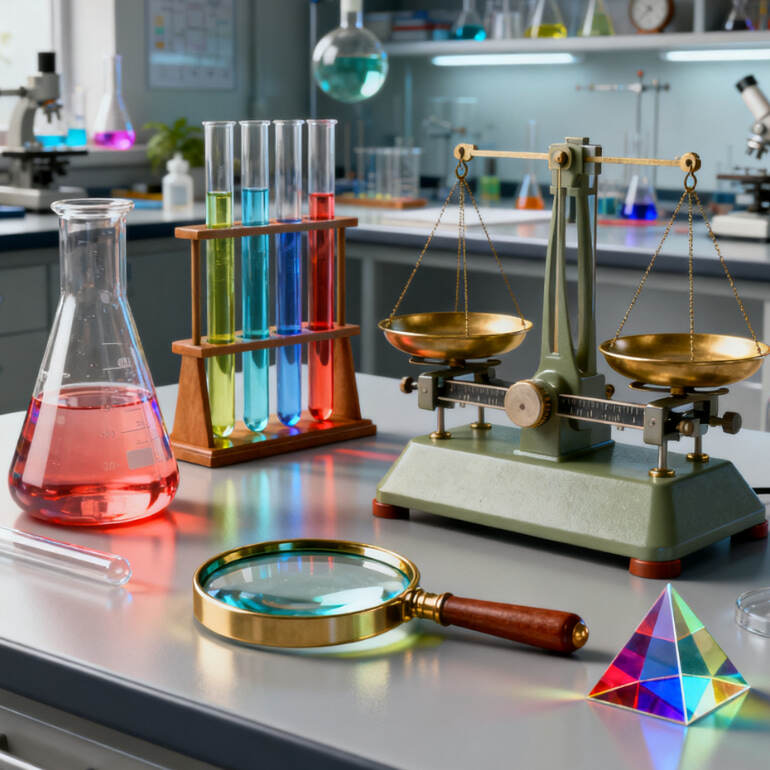
Modern educational institutions require comprehensive lab equipment to deliver effective science education programs. From elementary schools to high school advanced placement courses, having the right scientific instruments ensures students gain hands-on experience while developing critical analytical skills. Quality lab equipment forms the foundation of any successful science curriculum, enabling educators to demonstrate complex concepts through practical experimentation and observation.
Establishing a well-equipped science laboratory requires careful planning and consideration of various factors including budget constraints, curriculum requirements, and safety protocols. Schools must balance cost-effectiveness with quality when selecting essential lab equipment, ensuring investments serve multiple grade levels and subject areas. The diversity of scientific disciplines taught in educational settings demands versatile instruments that can support biology, chemistry, physics, and earth science experiments throughout the academic year.
Microscopy and Observation Equipment
Optical Microscopes for Biological Studies
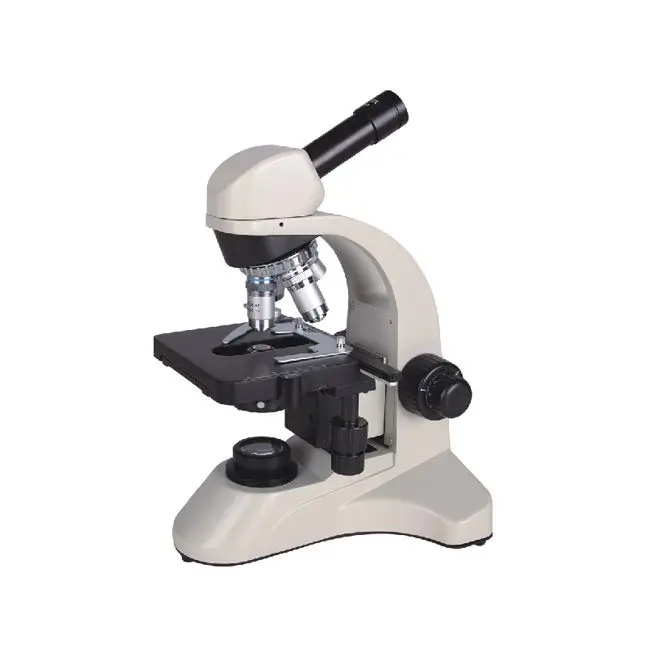
Compound microscopes represent fundamental lab equipment for biological science education, enabling students to explore cellular structures, microorganisms, and tissue samples. These instruments typically feature multiple objective lenses ranging from 4x to 100x magnification, providing versatility for various specimen examinations. Quality microscopes include adjustable illumination systems, fine focus mechanisms, and durable construction suitable for frequent student use in classroom environments.
Modern educational microscopes often incorporate LED lighting systems that provide consistent illumination while reducing heat generation and power consumption. Binocular eyepieces enhance viewing comfort during extended observation periods, while mechanical stages allow precise specimen positioning. Schools should prioritize lab equipment with robust construction and easy maintenance requirements to ensure longevity in educational settings where multiple students handle instruments daily.
Magnifying Tools and Stereo Microscopes
Stereo microscopes provide three-dimensional viewing capabilities essential for examining larger specimens, geological samples, and botanical materials. These instruments offer lower magnification ranges typically between 10x and 40x, making them ideal for dissection activities and surface structure analysis. The dual optical paths create depth perception that helps students understand spatial relationships in biological and physical specimens.
Hand-held magnifying glasses and digital microscopes complement traditional optical instruments by providing portable observation solutions. Digital microscopes connect to computers or interactive whiteboards, allowing entire classes to view specimens simultaneously while enabling image capture for documentation and further analysis. This lab equipment proves particularly valuable for collaborative learning experiences and remote education applications.
Measurement and Analysis Instruments
Balance and Scale Systems
Precision balances constitute critical lab equipment for accurate mass measurements in chemistry and physics experiments. Digital analytical balances with readability to 0.1mg enable students to perform quantitative analyses, while mechanical triple-beam balances provide reliable alternatives that help students understand measurement principles without electronic dependencies. Schools should maintain both types to accommodate different experimental requirements and educational objectives.
Electronic balances offer features like automatic calibration, data logging capabilities, and multiple weighing units that streamline laboratory procedures. Wind shields protect sensitive measurements from air currents, while built-in leveling systems ensure accuracy across different laboratory conditions. Proper calibration and maintenance of weighing lab equipment ensures consistent results and teaches students about measurement uncertainty and quality control procedures.
Volume Measurement Tools
Graduated cylinders, pipettes, and burettes form essential lab equipment for precise liquid volume measurements in chemistry experiments. Glass volumetric instruments provide superior accuracy compared to plastic alternatives, though plastic options offer safety advantages in introductory courses. Students learn proper measurement techniques through hands-on practice with various volumetric tools, developing skills transferable to advanced laboratory work.
Micropipettes and automatic dispensers represent advanced lab equipment suitable for upper-level courses requiring precise small-volume transfers. These instruments introduce students to professional laboratory techniques while demonstrating the importance of accuracy in scientific research. Volumetric flasks and measuring cylinders of various sizes accommodate different experimental scales and solution preparation requirements common in educational chemistry programs.
Safety and Protective Equipment
Personal Protective Equipment
Safety goggles, gloves, and aprons constitute fundamental protective lab equipment required for all science laboratory activities. Chemical-resistant safety goggles protect eyes from splashes and vapors, while disposable gloves prevent skin contact with hazardous substances. Laboratory aprons or coats protect clothing and skin from chemical spills and biological contamination during experimental procedures.
Emergency shower and eyewash stations provide critical safety infrastructure for laboratory facilities handling chemicals and potentially hazardous materials. Fume hoods remove harmful vapors and gases from the laboratory environment, protecting students and teachers from inhalation exposure. This essential lab equipment requires regular maintenance and inspection to ensure proper functioning during emergency situations.
Laboratory Safety Systems
Fire extinguishers, safety blankets, and spill cleanup kits represent essential emergency response lab equipment for educational laboratories. ABC-type fire extinguishers handle most laboratory fire scenarios, while specialized extinguishers may be required for specific chemical hazards. Spill control materials including absorbents and neutralizing agents enable rapid response to chemical accidents.
Gas leak detectors and ventilation monitoring systems provide continuous safety oversight in laboratories using natural gas or other hazardous gases. Emergency shut-off valves and master electrical switches allow rapid isolation of laboratory utilities during emergency situations. Schools must ensure all safety lab equipment receives regular inspection and maintenance while training staff and students in proper emergency procedures.
Chemistry Laboratory Essentials
Glassware and Containers
Beakers, flasks, and test tubes constitute fundamental chemistry lab equipment for solution preparation, mixing, and reaction containment. Borosilicate glass construction provides thermal shock resistance and chemical compatibility with most laboratory reagents. Various sizes accommodate different experimental scales, from small test-tube reactions to larger demonstration experiments requiring substantial volumes.
Specialized glassware including round-bottom flasks, condensers, and distillation apparatus enables more advanced chemistry experiments in upper-level courses. Volumetric glassware with certified accuracy supports quantitative analysis procedures, while graduated markings on general-purpose lab equipment facilitate approximate measurements. Proper cleaning and storage procedures extend glassware lifespan while maintaining measurement accuracy.
Heating and Cooling Equipment
Bunsen burners provide controlled flame heating for chemistry experiments requiring high temperatures or direct flame contact. Gas connections must meet safety standards with appropriate shut-off valves and leak detection measures. Hot plates offer safer alternatives for many heating applications, providing precise temperature control without open flames in laboratory environments with enhanced safety requirements.
Water baths and heating mantles represent specialized heating lab equipment for temperature-sensitive reactions requiring gentle, uniform heating. Ice baths and cooling systems enable temperature control for exothermic reactions and crystallization procedures. Temperature monitoring devices ensure precise control during heating and cooling operations, teaching students about thermal effects in chemical processes.
Physics Laboratory Instruments
Mechanical and Motion Analysis Tools
Dynamics carts, inclined planes, and pendulum apparatus constitute essential physics lab equipment for studying motion, forces, and energy concepts. Spring scales and force meters enable quantitative measurement of applied forces, while timers and motion sensors provide data for kinematic analysis. These instruments help students connect theoretical physics concepts with observable phenomena through hands-on experimentation.
Oscilloscopes and function generators represent advanced lab equipment suitable for electronics and wave physics studies. Digital multimeters measure voltage, current, and resistance in electrical circuits, while breadboards and electronic components enable circuit construction and analysis. This specialized physics lab equipment introduces students to measurement techniques used in engineering and advanced scientific research.
Optics and Wave Demonstration Equipment
Optical benches, lenses, and mirrors form essential lab equipment for studying light behavior, reflection, and refraction phenomena. Laser pointers and light sources provide coherent illumination for interference and diffraction demonstrations, while prisms and gratings separate white light into component wavelengths. These instruments make abstract optical concepts tangible through visual demonstrations and quantitative measurements.
Wave tanks and mechanical wave generators demonstrate wave properties including frequency, wavelength, and amplitude relationships. Sound level meters and frequency analyzers enable acoustic studies, while tuning forks and resonance tubes provide simple yet effective tools for wave physics education. This diverse physics lab equipment supports comprehensive coverage of wave phenomena across different energy forms.
Biology and Life Science Equipment
Specimen Preparation and Preservation
Microtomes and slide preparation materials enable students to create microscope specimens from biological tissues and plant materials. Staining solutions and mounting media enhance specimen visibility while preserving cellular structures for extended observation periods. This specialized lab equipment introduces students to histological techniques used in medical and biological research applications.
Dissection tools including scalpels, forceps, and scissors provide instruments necessary for anatomical studies and specimen examination. Dissection trays and preservation solutions maintain specimen quality throughout extended laboratory sessions. Proper handling and disposal procedures for biological lab equipment ensure safety while teaching students about ethical considerations in biological research.
Environmental Monitoring Instruments
pH meters, dissolved oxygen sensors, and conductivity meters constitute essential lab equipment for environmental science and ecology studies. These instruments enable water quality assessments and ecosystem monitoring activities that connect classroom learning with real-world environmental issues. Digital sensors provide accurate measurements while data logging capabilities support long-term monitoring projects.
Thermometers, barometers, and humidity sensors expand environmental monitoring capabilities to atmospheric studies and climate science education. Soil testing kits and nutrient analysis lab equipment support agricultural science and earth science curricula. These instruments demonstrate the interconnected nature of environmental systems while providing quantitative data for scientific analysis and interpretation.
Technology Integration and Digital Tools
Data Acquisition Systems
Computer interfaces and sensor systems transform traditional lab equipment into digital data collection platforms. Real-time graphing software displays experimental results immediately, enabling students to observe trends and relationships during active experiments. These technological enhancements increase engagement while teaching students about modern scientific instrumentation and data analysis techniques.
Wireless sensors eliminate cable clutter while providing mobility for field studies and collaborative experiments. Cloud-based data storage and sharing systems enable students to access experimental results from multiple locations, supporting remote learning initiatives. Integration of digital lab equipment with existing computer networks maximizes educational technology investments while preparing students for technology-rich scientific careers.
Virtual Reality and Simulation Tools
Virtual laboratory software provides safe alternatives to hazardous experiments while enabling exploration of phenomena impossible to demonstrate with physical lab equipment. Interactive simulations allow students to manipulate variables and observe outcomes without material costs or safety concerns. These digital tools complement hands-on experiences by providing unlimited experimental opportunities.
Augmented reality applications overlay digital information onto physical lab equipment, providing real-time guidance and enhanced visualization of scientific concepts. Mobile device applications extend laboratory learning beyond traditional classroom boundaries, enabling data collection and analysis in diverse environments. This integration of digital and physical lab equipment creates immersive learning experiences that engage modern students.
FAQ
What is the most important lab equipment for a basic school science laboratory
The most essential lab equipment includes microscopes for biological observations, basic glassware like beakers and test tubes, measuring instruments such as balances and graduated cylinders, and comprehensive safety equipment including goggles, gloves, and emergency shower stations. These fundamental tools support experiments across all science disciplines while ensuring student safety during hands-on learning activities.
How should schools prioritize lab equipment purchases within limited budgets
Schools should prioritize versatile lab equipment that serves multiple subjects and grade levels, focusing first on safety equipment, then basic measurement tools, followed by subject-specific instruments. Consider purchasing durable, professional-grade equipment that withstands heavy student use rather than cheaper alternatives requiring frequent replacement. Phased acquisition plans spread costs over multiple budget cycles while building comprehensive laboratory capabilities.
What maintenance requirements should schools consider for lab equipment
Regular calibration of measurement instruments, cleaning and inspection of glassware, and professional servicing of complex lab equipment ensures accuracy and longevity. Schools should establish maintenance schedules, train staff in basic equipment care, and budget for professional service contracts on expensive instruments. Proper storage, handling procedures, and inventory tracking systems prevent damage while extending equipment lifespan.
How can schools ensure lab equipment meets current safety standards
Schools must verify that all lab equipment carries appropriate safety certifications and meets current regulatory standards for educational use. Regular safety audits, staff training programs, and updated emergency procedures ensure compliance with evolving safety requirements. Consultation with safety professionals and adherence to manufacturer recommendations for installation and operation maintains safe laboratory environments for students and staff.