 EN
EN
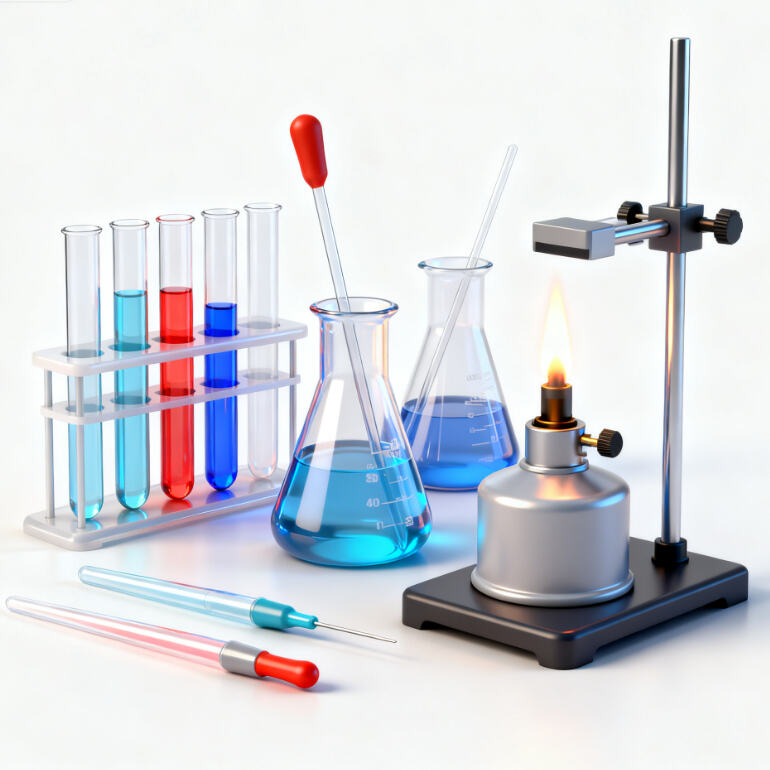
Modern educational institutions require a comprehensive array of educational instruments to deliver effective learning experiences across diverse academic disciplines. From elementary schools to advanced research universities, the selection and implementation of appropriate teaching tools directly impacts student engagement, comprehension, and academic success. Educational instruments serve as the bridge between theoretical concepts and practical understanding, enabling educators to demonstrate complex principles through hands-on experimentation and visual learning approaches.
The strategic acquisition of quality educational instruments transforms traditional classroom environments into dynamic learning laboratories where students actively participate in knowledge discovery. School administrators and curriculum coordinators must carefully evaluate various equipment categories to ensure optimal resource allocation while meeting diverse pedagogical requirements. Understanding the fundamental types of educational instruments and their applications enables institutions to make informed purchasing decisions that enhance long-term educational outcomes.
Core Categories of Educational Instruments for Academic Excellence
Scientific Laboratory Equipment for Hands-On Learning
Scientific educational instruments form the foundation of experimental learning in physics, chemistry, and biology curricula. These specialized tools enable students to conduct controlled experiments, observe natural phenomena, and validate theoretical principles through direct measurement and analysis. Essential scientific equipment includes precision measuring instruments, optical devices, electrical testing apparatus, and mechanical demonstration tools that support inquiry-based learning methodologies.
Physics laboratories require educational instruments such as oscilloscopes, function generators, digital multimeters, and force measurement devices to explore electromagnetic principles, wave mechanics, and thermodynamics. Chemistry departments depend on analytical balances, pH meters, spectrophotometers, and safety equipment to conduct qualitative and quantitative analysis experiments. Biology programs utilize microscopes, dissection tools, cell culture equipment, and physiological monitoring devices to investigate life sciences concepts at cellular and organism levels.
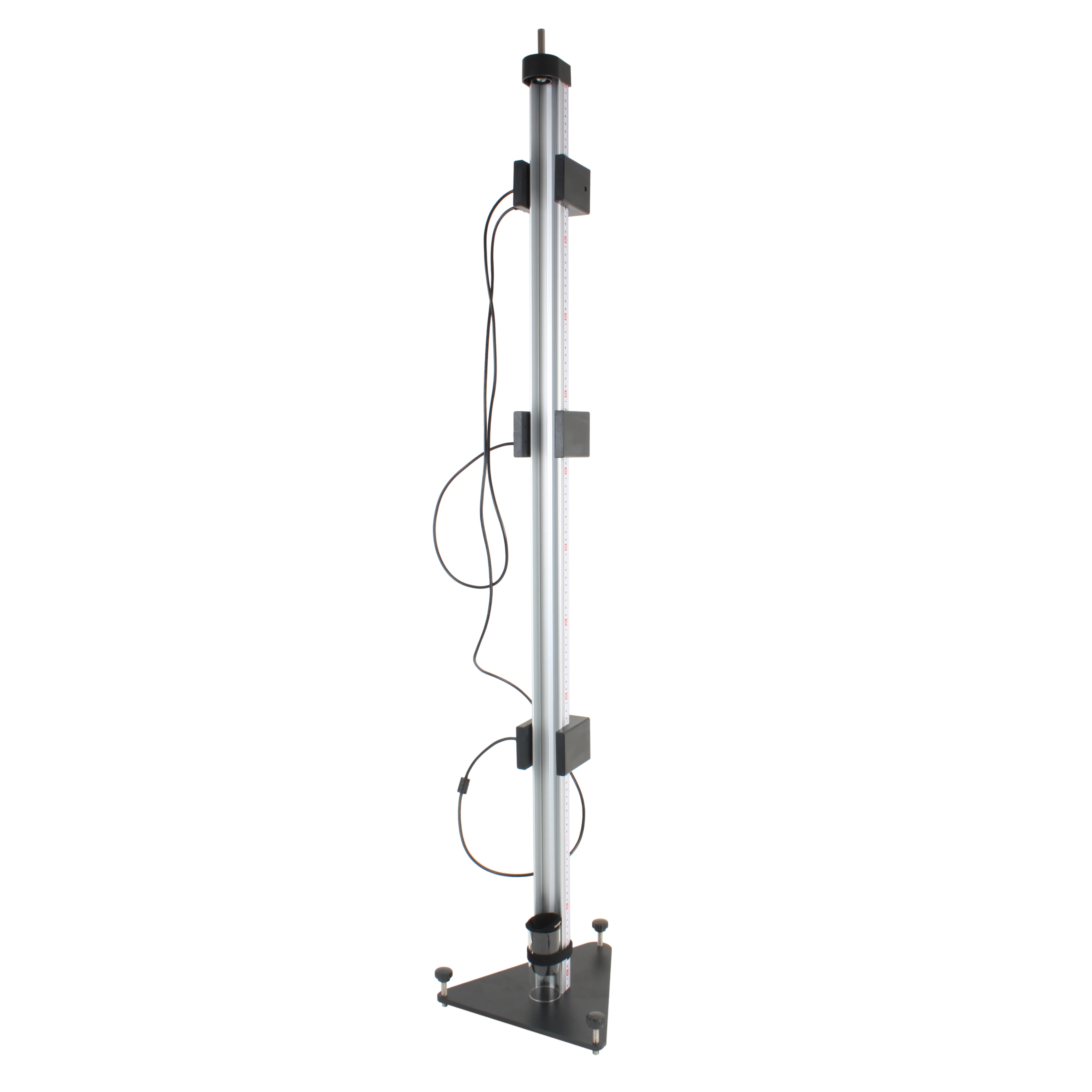
Advanced educational institutions often incorporate specialized testing equipment like impact dropping test apparatus and material testing machines to demonstrate engineering principles and quality control procedures. These sophisticated educational instruments provide students with exposure to industry-standard methodologies and prepare them for professional careers in technical fields. The integration of professional-grade equipment in academic settings bridges the gap between classroom theory and real-world applications.
Digital Technology Integration in Modern Classrooms
Contemporary educational environments increasingly rely on digital educational instruments to enhance interactive learning experiences and accommodate diverse learning styles. Interactive whiteboards, tablet computers, virtual reality headsets, and multimedia projection systems transform traditional lecture-based instruction into immersive educational experiences. These technological tools enable educators to present complex information through multiple sensory channels while fostering collaborative learning opportunities.
Data acquisition systems and sensor networks allow students to collect real-time measurements from physical experiments and analyze results using sophisticated software applications. Educational instruments equipped with wireless connectivity enable remote data monitoring and collaborative analysis across multiple classroom locations. This technological integration prepares students for increasingly digital professional environments while developing critical thinking and analytical skills.
Computer-controlled educational instruments provide precise parameter control and automated data collection capabilities that enhance experimental accuracy and repeatability. Students learn to operate complex systems while developing technical competencies required in modern scientific and engineering careers. The combination of traditional hands-on experimentation with digital analysis tools creates comprehensive learning experiences that address both practical skills and theoretical understanding.
Specialized Equipment for Technical Education Programs
Engineering and Applied Sciences Instrumentation
Technical education programs require specialized educational instruments that simulate real-world engineering challenges and manufacturing processes. Mechanical engineering curricula utilize strength testing machines, vibration analyzers, thermal imaging cameras, and precision measurement tools to explore material properties and system performance characteristics. These educational instruments enable students to understand design principles, failure analysis, and quality assurance methodologies essential for professional engineering practice.
Electrical and electronics programs depend on advanced educational instruments including network analyzers, signal generators, power supplies, and automated test equipment to investigate circuit behavior and system integration challenges. Students gain hands-on experience with industry-standard measurement techniques while developing troubleshooting skills and understanding complex electronic systems. The availability of current-generation educational instruments ensures graduates possess relevant technical competencies demanded by modern employers.
Materials science and testing programs utilize educational instruments specifically designed for mechanical property evaluation and quality control testing. Impact testing equipment, tensile testing machines, and hardness testers provide students with direct experience in material characterization and failure analysis. These specialized tools demonstrate the relationship between material properties and performance requirements in engineering applications.
Safety and Environmental Monitoring Equipment
Educational institutions must prioritize safety through the implementation of appropriate monitoring and protective educational instruments across laboratory and workshop environments. Gas detection systems, radiation monitors, noise level meters, and emergency response equipment ensure safe learning conditions while teaching students proper safety protocols and risk assessment procedures. These educational instruments serve dual purposes as both protective devices and instructional tools for occupational health and safety education.
Environmental monitoring educational instruments including air quality analyzers, water testing kits, and soil analysis equipment support environmental science curricula while promoting awareness of ecological issues and sustainability practices. Students learn to collect environmental data, interpret analytical results, and understand regulatory compliance requirements through hands-on experience with professional monitoring equipment. This practical exposure prepares students for careers in environmental consulting, regulatory compliance, and sustainability management.
Personal protective equipment and safety training devices constitute essential educational instruments for technical programs involving potential hazards. Safety shower systems, eyewash stations, fume hoods, and emergency communication devices protect students while providing opportunities to practice emergency response procedures. The integration of safety education with technical instruction develops responsible professional habits and risk management skills.
Procurement Strategies for Educational Institutions
Budget Planning and Resource Allocation
Effective procurement of educational instruments requires strategic budget planning that balances immediate needs with long-term institutional goals. Educational administrators must evaluate the total cost of ownership including initial purchase price, installation expenses, maintenance requirements, and training costs when selecting appropriate equipment. Comprehensive budget planning ensures sustainable equipment programs that support continuous curriculum improvement and student success.
Grant funding opportunities and government programs often provide financial support for educational institutions seeking to upgrade their educational instruments and laboratory facilities. Federal education grants, state funding initiatives, and private foundation support can significantly expand equipment acquisition budgets when properly pursued and managed. Successful grant applications typically demonstrate clear connections between proposed equipment purchases and improved student learning outcomes.
Collaborative purchasing agreements and consortium arrangements enable smaller educational institutions to access high-quality educational instruments at reduced costs through volume pricing and shared resources. Regional education cooperatives often negotiate favorable pricing terms and coordinate equipment maintenance services across multiple participating institutions. These collaborative approaches maximize purchasing power while ensuring access to current-generation educational technology.
Vendor Selection and Quality Assurance
Selecting reliable suppliers for educational instruments requires careful evaluation of vendor capabilities, product quality, technical support services, and long-term business stability. Established manufacturers with proven track records in educational markets typically provide superior product reliability, comprehensive documentation, and responsive customer service. Educational institutions should prioritize vendors who understand academic requirements and offer appropriate warranty coverage and technical support services.
Quality assurance processes for educational instruments should include thorough specification review, performance testing, and user training programs to ensure successful implementation. Pre-purchase evaluations may include equipment demonstrations, reference site visits, and pilot testing programs that validate performance claims and user satisfaction. Comprehensive acceptance testing procedures verify that delivered educational instruments meet specified requirements and function properly in the intended application environment.
Long-term vendor relationships facilitate ongoing technical support, equipment maintenance, and technology upgrade planning that extends the useful life of educational instruments. Preferred vendor programs often provide priority service response, favorable pricing for consumables and spare parts, and early access to new product developments. These relationships contribute to program continuity and cost-effective equipment management over extended operational periods.
Maintenance and Lifecycle Management
Preventive Maintenance Programs
Systematic maintenance programs ensure reliable operation and extended service life for educational instruments while minimizing unexpected downtime and repair costs. Preventive maintenance schedules should address calibration requirements, component replacement intervals, and environmental condition monitoring to maintain optimal performance standards. Well-maintained educational instruments provide consistent results and reduce safety risks associated with equipment failures.
Staff training programs for equipment maintenance and basic troubleshooting procedures reduce dependence on external service providers while building internal technical capabilities. Educational institutions benefit from developing maintenance expertise among faculty and technical staff who understand both equipment operation and curriculum requirements. This internal knowledge base supports rapid problem resolution and informed decision-making regarding equipment replacement and upgrade timing.
Documentation systems for maintenance activities, repair histories, and performance monitoring provide valuable data for lifecycle planning and budget forecasting. Comprehensive maintenance records help identify recurring problems, optimize maintenance schedules, and justify equipment replacement decisions based on objective performance data. These records also support warranty claims and insurance requirements while demonstrating proper equipment stewardship.
Technology Refresh and Upgrade Planning
Educational institutions must develop systematic approaches for technology refresh cycles that balance fiscal constraints with curriculum relevance and student preparation requirements. Regular evaluation of educational instruments ensures that academic programs remain current with industry standards and technological developments. Strategic upgrade planning prevents sudden obsolescence while maximizing return on investment from existing equipment.
Phased replacement strategies allow institutions to manage upgrade costs while maintaining operational continuity during transition periods. Educational instruments with modular designs and upgrade paths provide flexibility for incremental improvements that extend useful life and delay major capital expenditures. These approaches enable institutions to adopt new technologies gradually while preserving existing training investments and operational procedures.
Disposal and recycling programs for obsolete educational instruments should address environmental responsibilities and potential recovery of residual value through resale or donation programs. Proper disposal procedures ensure compliance with environmental regulations while supporting sustainability goals and corporate social responsibility initiatives. Educational institutions may also benefit from trade-in programs offered by equipment manufacturers during upgrade cycles.
FAQ
What factors should schools consider when selecting educational instruments for their programs
Schools should evaluate curriculum alignment, student enrollment levels, available space, budget constraints, and long-term educational goals when selecting educational instruments. The equipment must support specific learning objectives while providing flexibility for future curriculum modifications. Additionally, considerations should include maintenance requirements, training needs, safety features, and vendor support capabilities to ensure successful implementation and sustained operation.
How can educational institutions maximize the value of their equipment investments
Institutions can maximize equipment value through comprehensive staff training, regular maintenance programs, multi-course utilization, and strategic upgrade planning. Educational instruments should support multiple courses and programs whenever possible to increase utilization rates and justify investment costs. Developing internal expertise for operation and basic maintenance reduces ongoing costs while ensuring optimal equipment performance and extended service life.
What are the most important safety considerations for educational laboratory equipment
Safety considerations include proper installation and grounding, adequate ventilation systems, emergency shutdown capabilities, personal protective equipment availability, and comprehensive user training programs. Educational instruments must comply with relevant safety standards and regulations while providing appropriate protection against potential hazards. Regular safety inspections, maintenance of safety systems, and emergency response procedures ensure safe learning environments for students and faculty.
How should schools plan for equipment maintenance and replacement cycles
Schools should develop long-term equipment lifecycle plans that include annual maintenance budgets, replacement schedules based on expected service life, and contingency funds for unexpected repairs or early replacement needs. Educational instruments typically require 5-15 year replacement cycles depending on technology advancement rates and usage intensity. Systematic planning prevents sudden equipment failures from disrupting academic programs while optimizing budget allocation across multiple fiscal years.
Table of Contents
- Core Categories of Educational Instruments for Academic Excellence
- Specialized Equipment for Technical Education Programs
- Procurement Strategies for Educational Institutions
- Maintenance and Lifecycle Management
-
FAQ
- What factors should schools consider when selecting educational instruments for their programs
- How can educational institutions maximize the value of their equipment investments
- What are the most important safety considerations for educational laboratory equipment
- How should schools plan for equipment maintenance and replacement cycles