 EN
EN
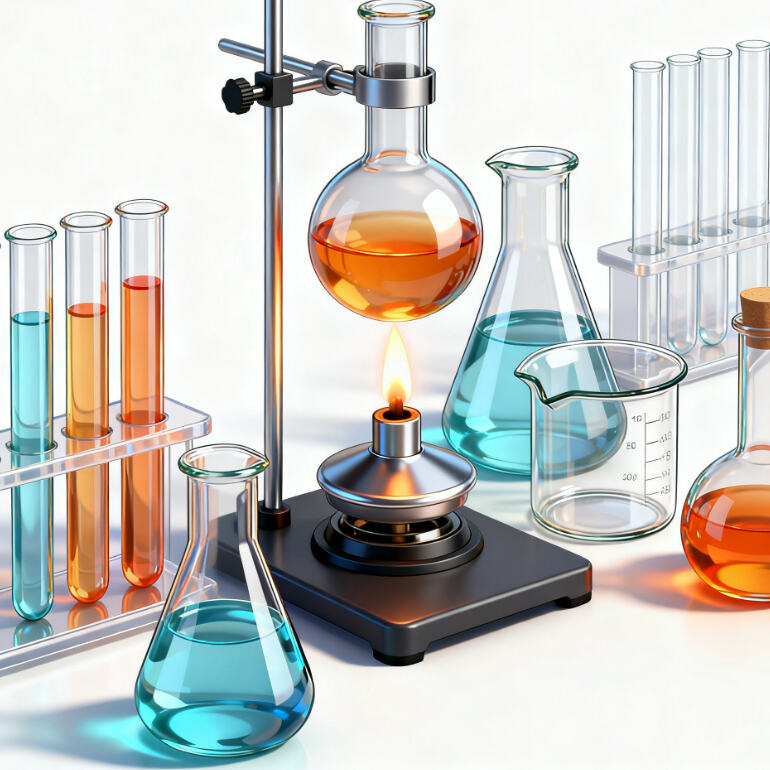
Educational institutions worldwide recognize that hands-on learning experiences significantly enhance student comprehension and retention of scientific concepts. When students interact directly with school laboratory equipment, they develop critical thinking abilities, problem-solving skills, and practical knowledge that traditional classroom lectures cannot provide. Modern educational facilities invest heavily in quality school laboratory equipment to ensure students receive comprehensive scientific training that prepares them for advanced studies and professional careers in science, technology, engineering, and mathematics fields.
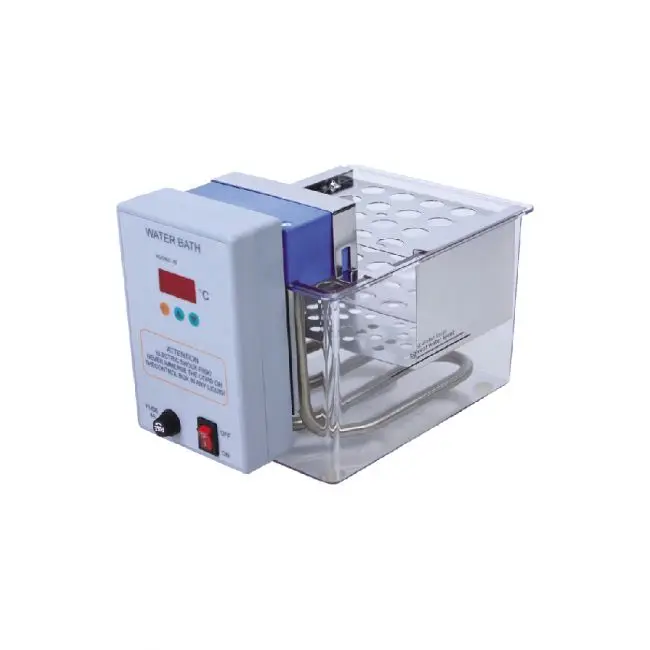
The integration of sophisticated school laboratory equipment transforms passive learning environments into dynamic spaces where students actively engage with scientific principles. Through direct manipulation of instruments and observation of phenomena, students develop deeper understanding of theoretical concepts while building confidence in their analytical abilities. This hands-on approach creates lasting educational impacts that extend far beyond the classroom setting.
The Foundation of Hands-On Scientific Education
Building Core Laboratory Competencies
Students who regularly work with school laboratory equipment develop essential competencies that serve as building blocks for advanced scientific understanding. These competencies include proper measurement techniques, data collection methodologies, and equipment operation protocols. When students learn to calibrate instruments, maintain precise conditions, and follow safety procedures, they acquire skills directly transferable to professional laboratory environments.
The development of laboratory competencies through school laboratory equipment usage creates systematic thinking patterns that enhance overall academic performance. Students learn to approach problems methodically, consider multiple variables, and draw evidence-based conclusions. These cognitive skills extend beyond science subjects and contribute to improved performance across all academic disciplines.
Establishing Scientific Methodology Understanding
Working with school laboratory equipment provides students with direct experience in implementing scientific methodology principles. They learn hypothesis formation, experimental design, variable control, and result interpretation through practical application rather than theoretical study alone. This experiential learning approach ensures students understand the interconnected nature of scientific inquiry and research processes.
Students who regularly engage with laboratory equipment develop appreciation for precision, accuracy, and reproducibility in scientific work. They understand the importance of following established protocols and recognizing potential sources of error in experimental procedures. This understanding forms the foundation for advanced scientific training and research participation.
Enhanced Cognitive Development Through Laboratory Practice
Critical Thinking Skill Development
Regular interaction with school laboratory equipment challenges students to analyze complex situations, evaluate evidence, and make informed decisions based on observed data. Students learn to question assumptions, consider alternative explanations, and develop logical reasoning abilities through practical experimentation. These critical thinking skills become integral components of their intellectual development and problem-solving approach.
The process of troubleshooting equipment malfunctions and unexpected experimental results further enhances critical thinking abilities. Students learn to identify potential causes, test hypotheses systematically, and implement solutions based on logical analysis. This problem-solving experience builds confidence and resilience when facing challenging situations in academic and professional contexts.
Analytical and Observational Skills Enhancement
School laboratory equipment usage requires students to develop keen observational skills and attention to detail. They learn to recognize subtle changes in experimental conditions, identify patterns in data, and make connections between cause and effect relationships. These analytical abilities enhance their capacity to process complex information and draw meaningful conclusions from available evidence.
Students working with precision instruments learn to appreciate the importance of careful measurement and accurate data recording. They develop skills in statistical analysis, error assessment, and result interpretation that prove valuable throughout their educational journey and future career endeavors.
Practical Application of Theoretical Knowledge
Bridging Theory and Practice
School laboratory equipment serves as the crucial link between abstract theoretical concepts and real-world applications. Students who have studied chemical reactions in textbooks gain deeper understanding when they observe these reactions firsthand using laboratory apparatus. This direct experience transforms theoretical knowledge into practical understanding that enhances long-term retention and comprehension.
The ability to manipulate variables and observe resulting changes provides students with concrete evidence supporting theoretical principles. This experiential learning approach helps students internalize scientific concepts and develop intuitive understanding of natural phenomena. The combination of theoretical study and practical application creates a comprehensive educational experience that prepares students for advanced scientific studies.
Real-World Problem Solving Applications
Modern school laboratory equipment enables students to tackle real-world problems and develop practical solutions using scientific principles. Students learn to apply their knowledge to environmental monitoring, quality control testing, and research investigations that mirror professional laboratory work. This exposure to authentic problem-solving scenarios builds confidence and demonstrates the relevance of scientific education to everyday life.
Through project-based learning using laboratory equipment, students develop project management skills, teamwork abilities, and communication competencies. They learn to collaborate effectively, share responsibilities, and present findings to diverse audiences. These transferable skills prove valuable in all areas of academic and professional development.
Technology Integration and Digital Literacy
Modern Laboratory Technology Adaptation
Contemporary school laboratory equipment increasingly incorporates digital interfaces, automated systems, and computer-controlled functions that require students to develop technological competencies. Students learn to operate sophisticated instruments, interpret digital displays, and utilize software applications for data analysis and result presentation. This technology integration prepares students for modern workplace environments where digital literacy is essential.
The experience of working with advanced school laboratory equipment helps students understand the relationship between technology and scientific advancement. They appreciate how technological innovations enhance measurement precision, increase efficiency, and expand research capabilities. This understanding motivates continued learning and adaptation to emerging technologies throughout their careers.
Data Management and Analysis Skills
Working with modern laboratory equipment teaches students essential data management and analysis skills that are increasingly important in all scientific disciplines. Students learn to collect, organize, and analyze large datasets using appropriate software tools and statistical methods. They develop competencies in data visualization, trend identification, and result interpretation that prove valuable in research and professional contexts.
The process of documenting experimental procedures and maintaining accurate laboratory records builds organizational skills and attention to detail. Students learn the importance of maintaining comprehensive documentation for reproducibility and quality assurance purposes. These skills transfer directly to professional laboratory environments and research settings.
Safety Awareness and Risk Management
Laboratory Safety Protocol Development
Regular use of school laboratory equipment teaches students essential safety awareness and risk management skills that extend beyond the laboratory environment. Students learn to identify potential hazards, implement appropriate safety measures, and respond effectively to emergency situations. This safety consciousness becomes an integral part of their approach to all activities involving potential risks.
The development of safety awareness through laboratory work builds responsible attitudes and careful consideration of consequences. Students learn to evaluate risks, implement preventive measures, and maintain awareness of their environment and activities. These skills prove valuable in all aspects of life and contribute to overall personal safety and responsibility.
Equipment Maintenance and Care
Working with school laboratory equipment teaches students the importance of proper maintenance, calibration, and care procedures. They learn to follow manufacturer guidelines, perform routine maintenance tasks, and recognize signs of equipment malfunction or degradation. This understanding builds appreciation for quality tools and systematic maintenance practices.
Students who learn equipment care and maintenance develop organizational skills and attention to detail that benefit all areas of their academic and professional lives. They understand the importance of following established procedures and maintaining high standards in all activities. These qualities contribute to success in educational programs and future career endeavors.
Career Preparation and Professional Development
Industry-Relevant Skill Development
Experience with school laboratory equipment provides students with industry-relevant skills that enhance their competitiveness in science, technology, engineering, and mathematics career fields. Students who have hands-on experience with professional-grade equipment demonstrate practical competencies that employers value highly. This experience often provides advantages in internship applications, job interviews, and career advancement opportunities.
The technical skills developed through laboratory work translate directly to many professional environments including research laboratories, quality control facilities, manufacturing operations, and healthcare settings. Students who have experience with diverse laboratory equipment possess versatile skill sets that open doors to multiple career pathways and professional opportunities.
Research and Innovation Preparation
Regular interaction with school laboratory equipment prepares students for participation in research programs and innovation initiatives. They develop familiarity with research methodologies, experimental design principles, and data analysis techniques that are essential for successful research participation. This preparation enables students to contribute meaningfully to research projects during their educational journey and beyond.
Students with strong laboratory backgrounds are better prepared to pursue advanced degrees, participate in undergraduate research programs, and contribute to scientific advancement. They possess the practical skills and theoretical understanding necessary for independent research and creative problem-solving in scientific contexts.
FAQ
What types of school laboratory equipment are most beneficial for student learning
The most beneficial school laboratory equipment includes basic analytical instruments such as microscopes, spectrophotometers, pH meters, and precision balances, along with specialized equipment for specific disciplines like water baths for biological studies, fume hoods for chemical safety, and data loggers for environmental monitoring. The key is selecting equipment that aligns with curriculum objectives and provides students with hands-on experience relevant to their field of study.
How does laboratory equipment usage improve student engagement in science subjects
Laboratory equipment usage transforms passive learning into active participation, allowing students to observe phenomena directly and manipulate variables to understand cause-and-effect relationships. This hands-on approach appeals to different learning styles, creates memorable experiences, and demonstrates the practical relevance of scientific concepts. Students become more invested in their learning when they can see immediate results from their experimental work.
What safety considerations are important when introducing students to laboratory equipment
Safety considerations include comprehensive training on equipment operation procedures, proper use of personal protective equipment, understanding of emergency protocols, and awareness of potential hazards associated with each instrument. Students must learn to read safety data sheets, follow established protocols, and maintain clean, organized work spaces. Regular safety assessments and ongoing training ensure students develop responsible laboratory practices.
How can schools maximize the educational impact of their laboratory equipment investments
Schools can maximize educational impact by aligning equipment purchases with curriculum objectives, providing adequate teacher training on equipment operation and maintenance, developing structured laboratory exercises that build progressively complex skills, and ensuring regular equipment maintenance and calibration. Integration with technology for data collection and analysis, along with project-based learning approaches, further enhances the educational value of laboratory equipment investments.
Table of Contents
- The Foundation of Hands-On Scientific Education
- Enhanced Cognitive Development Through Laboratory Practice
- Practical Application of Theoretical Knowledge
- Technology Integration and Digital Literacy
- Safety Awareness and Risk Management
- Career Preparation and Professional Development
-
FAQ
- What types of school laboratory equipment are most beneficial for student learning
- How does laboratory equipment usage improve student engagement in science subjects
- What safety considerations are important when introducing students to laboratory equipment
- How can schools maximize the educational impact of their laboratory equipment investments