laboratory teaching instrument
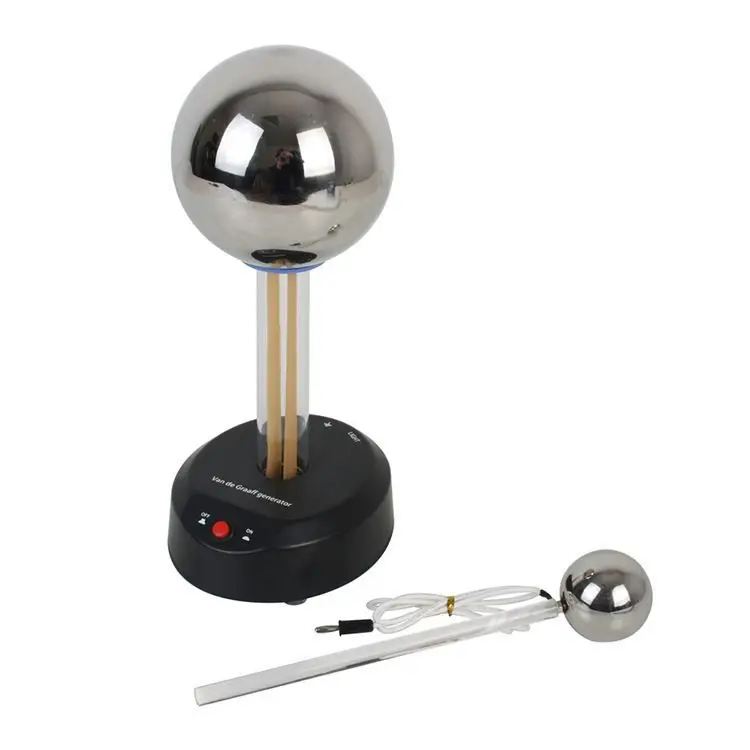
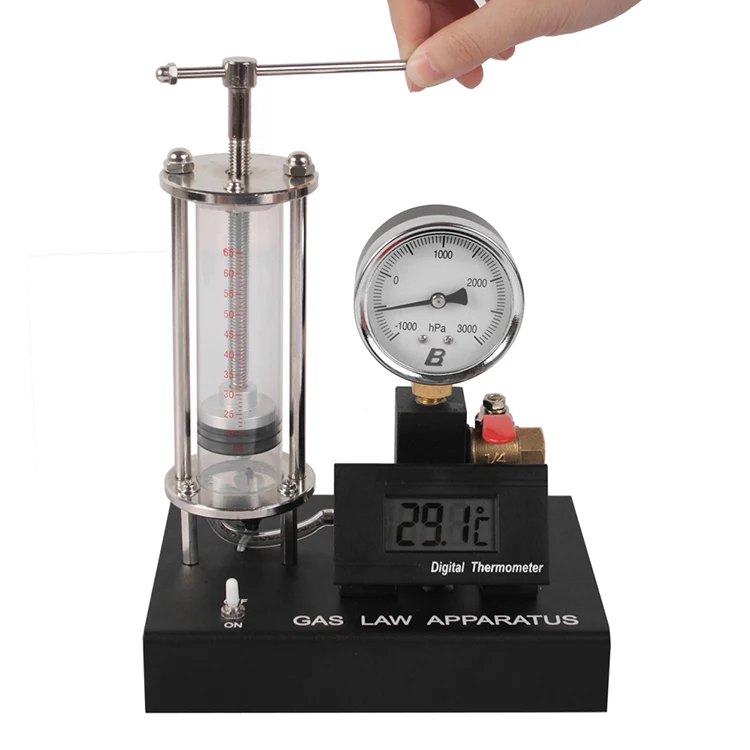
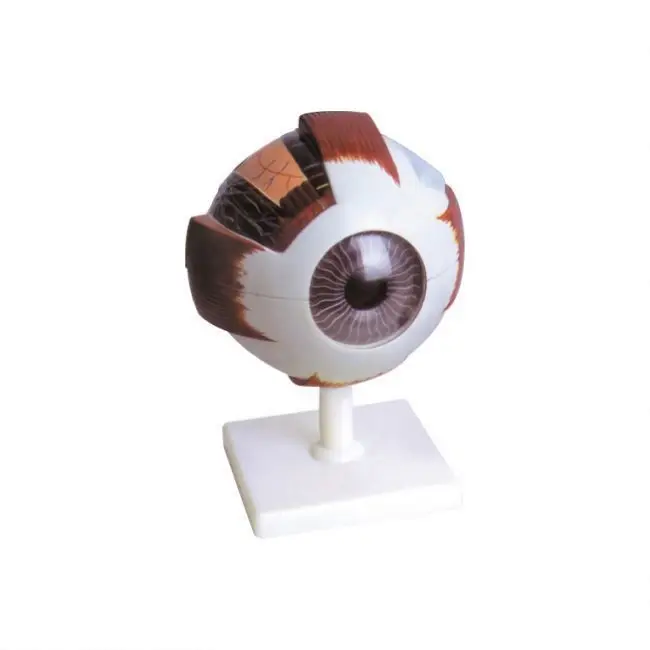
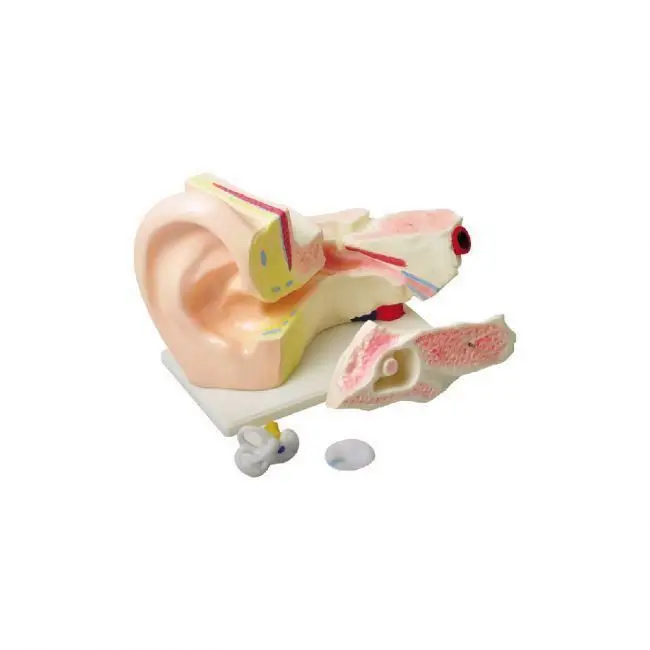
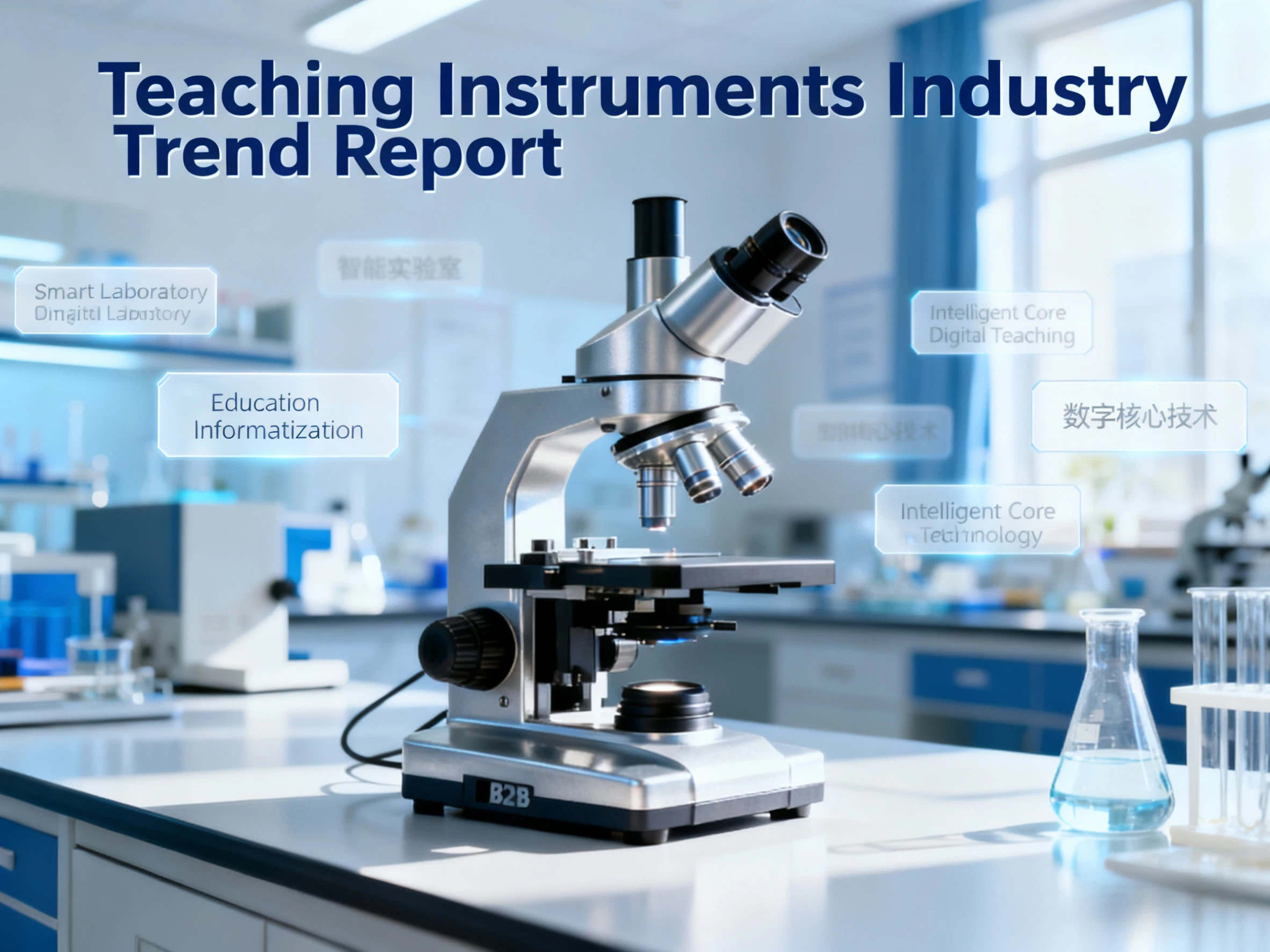
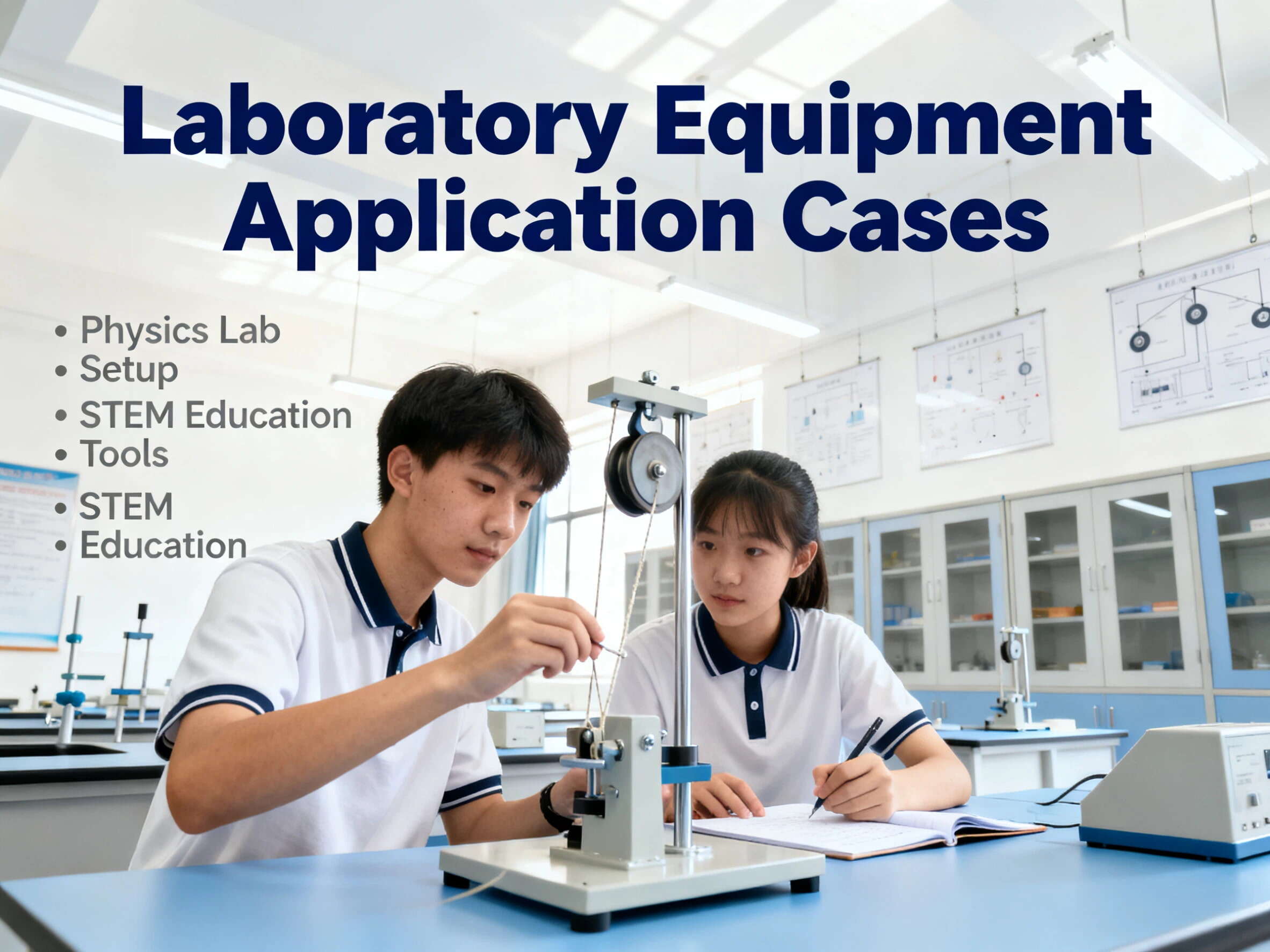
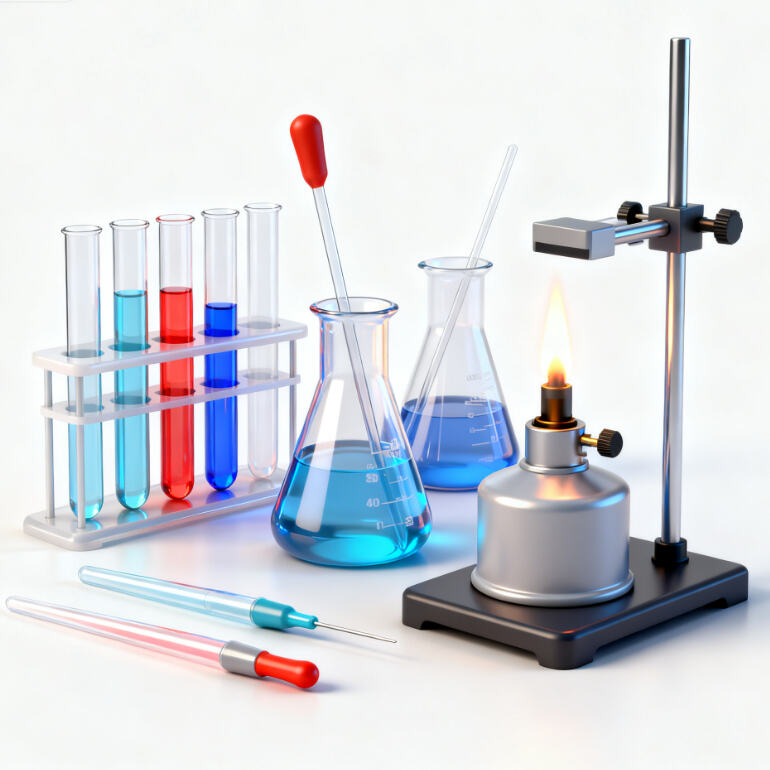
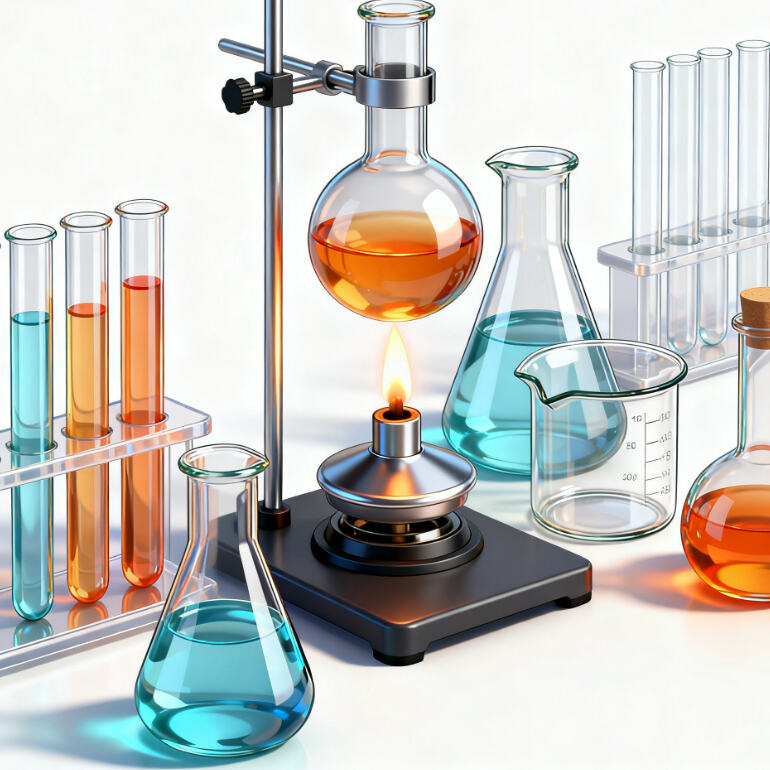
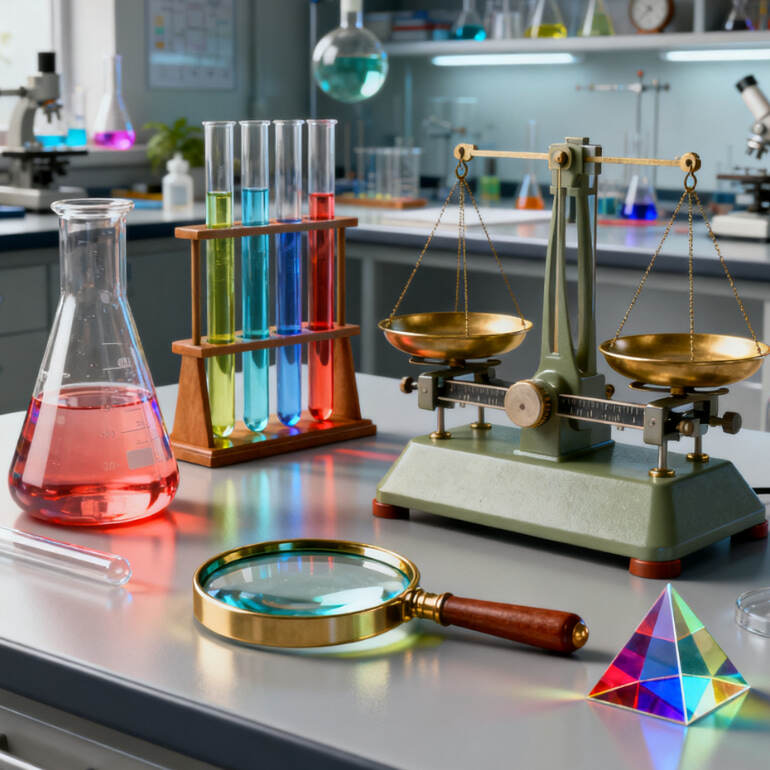
The laboratory teaching instrument represents a cornerstone of modern educational technology, designed to enhance practical learning experiences in academic and research environments. These sophisticated devices serve as essential tools that bridge theoretical knowledge with hands-on application, enabling students and researchers to conduct experiments, analyze data, and develop critical thinking skills through direct interaction with scientific equipment. Laboratory teaching instruments encompass a wide range of specialized apparatus, from basic measurement tools to advanced analytical systems, each engineered to support specific educational objectives and scientific methodologies. The primary functions of these instruments include data collection, sample analysis, measurement precision, experimental control, and result documentation. Modern laboratory teaching instruments incorporate cutting-edge technology such as digital interfaces, automated calibration systems, wireless connectivity, and integrated software platforms that streamline the learning process. These technological features enable real-time data visualization, remote monitoring capabilities, and seamless integration with existing laboratory information management systems. The applications of laboratory teaching instruments span across multiple disciplines including chemistry, physics, biology, engineering, and environmental science. In chemistry laboratories, these instruments facilitate titration procedures, spectroscopic analysis, and molecular characterization studies. Physics applications include motion analysis, electromagnetic field measurements, and thermodynamic property investigations. Biological sciences benefit from microscopy systems, cell culture monitoring equipment, and biochemical assay platforms. Engineering disciplines utilize these instruments for material testing, circuit analysis, and prototype validation. Environmental science applications encompass water quality assessment, air pollution monitoring, and soil composition analysis. The versatility of laboratory teaching instruments makes them indispensable assets for educational institutions seeking to provide comprehensive, practical learning experiences that prepare students for professional careers in scientific and technical fields.
 EN
EN