
 EN

Educational institutions face constant pressure to maximize budget efficiency while maintaining safe, effective learning environments. The decision to invest in durable school equipments represents one of the most strategic choices administrators make. Schools that prioritize school equipments built to withstand years of intensive use significantly reduce replacement costs, minimize safety risks, and create more stable learning conditions for students. This commitment to quality school equipments reflects a deeper understanding of how physical infrastructure directly impacts educational outcomes and institutional sustainability.
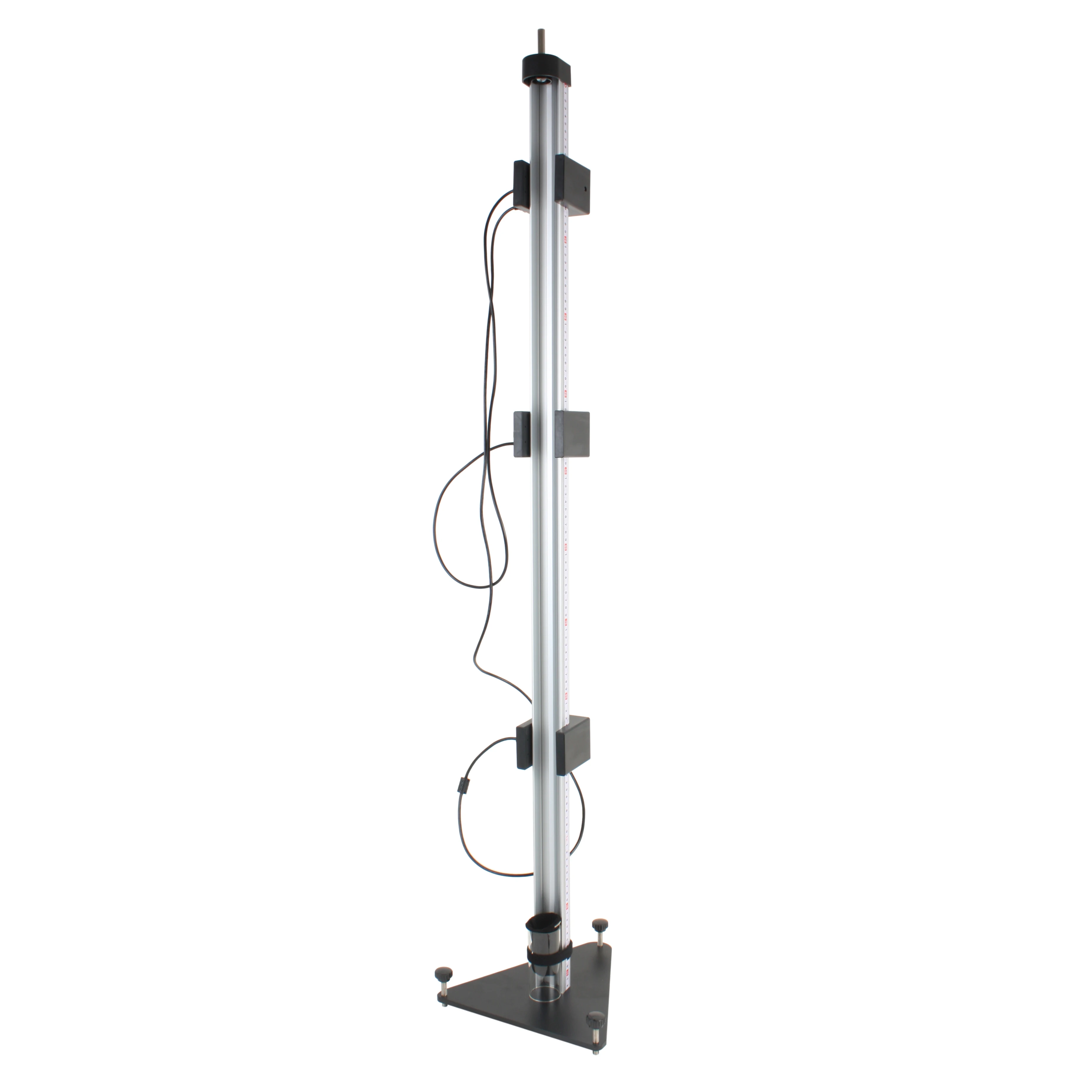
Beyond the obvious durability factor, schools recognize that investing in school equipments built for longevity delivers measurable financial and operational advantages. When institutions choose robust school equipments over cheaper alternatives, they fundamentally transform their long-term budget outlook and institutional reliability. The logic is straightforward: school equipments that fail frequently disrupt classes, drain emergency repair budgets, and create safety liabilities. Institutions committed to educational excellence understand that quality school equipments serve as the backbone of consistent, safe learning experiences.
Financial Benefits of Investing in Durable School Equipments
Reducing Lifecycle Costs Through Quality School Equipments
The true cost of school equipments extends far beyond the initial purchase price. When schools select school equipments designed for durability, they dramatically reduce total cost of ownership over five to ten years. Cheap school equipments may appear budget-friendly initially, but repeated repairs, frequent replacements, and emergency maintenance create hidden expenses that quickly exceed the premium for quality. Schools that track their maintenance spending consistently find that durable school equipments reduce annual operational costs by thirty to forty percent compared to lower-quality alternatives.
Budget planning becomes more predictable when institutions invest in reliable school equipments. Administrators can allocate resources with confidence, knowing that durable school equipments will not generate surprise repair bills or unexpected replacement needs. This financial stability allows schools to redirect savings toward educational programs, staff development, and other priorities that directly enhance teaching quality. The strategic choice to prioritize school equipments built for longevity transforms maintenance from a reactive crisis management exercise into a manageable, predictable expense line.
Long-Term Budget Allocation and Planning
School districts operating under tight budget constraints understand that every purchasing decision carries long-term implications. Durable school equipments enable more accurate multi-year financial forecasting because administrators can predict replacement cycles and maintenance needs with greater accuracy. Schools investing in quality school equipments typically extend equipment lifespan from three to five years for standard alternatives to eight to twelve years or more for premium durable options. This extended useful life means that school equipments investments made today will continue delivering value for an entire generation of students.
Facilities managers appreciate the planning advantages that durable school equipments provide. When school equipments perform reliably over extended periods, capital planning becomes strategic rather than reactive. Districts can schedule major equipment purchases alongside building renovations and infrastructure upgrades, optimizing the timing of significant capital expenditures. This coordinated approach to managing school equipments investments allows institutions to negotiate better prices, minimize disruption to learning, and maintain consistent facility conditions year after year.
Safety and Compliance Advantages of Quality School Equipments
Ensuring Student Safety Through Reliable School Equipments
Student safety represents the non-negotiable foundation of institutional policy in every school. Durable school equipments contribute directly to creating safer learning environments because well-maintained equipment reduces malfunction risks and structural failures. School equipments manufactured to higher durability standards undergo more rigorous testing and use superior materials that resist wear, corrosion, and mechanical stress. When schools prioritize durable school equipments, they actively reduce the likelihood of accidents caused by equipment failure, protecting students and limiting institutional liability exposure.
The relationship between school equipments quality and safety outcomes is well-documented in educational safety literature. Laboratory equipment, gym apparatus, playground installations, and classroom furniture all perform more reliably when schools select durable school equipments built by reputable manufacturers. Regular maintenance of quality school equipments becomes simpler because well-designed equipment degrades predictably and shows clear warning signs before critical failure occurs. This predictability allows custodial and maintenance staff to address issues proactively rather than reacting to dangerous situations that endanger students.
Meeting Regulatory Standards with School Equipments Investments
Educational institutions must comply with numerous safety regulations, building codes, and equipment standards established by federal, state, and local authorities. Durable school equipments manufactured by certified producers typically meet or exceed all applicable regulatory requirements, providing administrative confidence and legal protection. School equipments that meet documented safety standards simplify compliance verification during facility inspections and regulatory audits. Schools choosing quality school equipments reduce regulatory risk and demonstrate institutional commitment to operating within established safety frameworks.
Maintenance records for durable school equipments create valuable documentation that supports institutional compliance efforts. Schools can demonstrate that their school equipments investments reflect deliberate choices to maintain safe facilities and follow best practices in equipment management. When regulatory bodies evaluate institutional compliance, they recognize that durable school equipments represent institutional responsibility and commitment to student welfare. This documentation becomes particularly valuable during insurance audits and legal proceedings, where evidence of preventive maintenance and equipment quality decisions protects schools from liability claims.
Educational Impact and Classroom Consistency
Supporting Learning Continuity Through Dependable School Equipments
Educational effectiveness depends on consistent, predictable classroom conditions that allow teachers to implement planned curricula without frequent disruptions. Durable school equipments provide the reliability that teachers require to conduct experiments, demonstrations, and activities that students need. When school equipments function reliably, teachers maintain instructional momentum and students experience uninterrupted learning sequences. Poor-quality school equipments that fail frequently force teachers to improvise, cancel lessons, or postpone activities, disrupting learning continuity and reducing educational quality.
Science laboratories, technology classrooms, and specialized learning spaces depend heavily on reliable school equipments to deliver hands-on instruction. Durable school equipments in these critical areas enables teachers to design engaging lessons that require functional equipment for demonstration and student practice. Schools investing in quality school equipments signal to educators that the institution prioritizes instructional support and recognizes the importance of reliable tools for effective teaching. This institutional commitment often correlates with higher educator satisfaction and stronger teacher retention in schools prioritizing school equipments investments.
Building Institutional Reputation Through Equipment Quality
Parents and families evaluating schools consider facility conditions as a visible indicator of institutional quality and management competence. Durable school equipments that appear well-maintained, function reliably, and support rich instructional experiences positively influence family perception and institutional reputation. Schools with visibly deteriorating or malfunctioning school equipments convey institutional neglect and lack of investment in student experience. By prioritizing durable school equipments, schools communicate that they value student success, maintain facilities professionally, and operate with administrative competence.
Community trust in educational institutions strengthens when families observe that schools maintain quality school equipments and create conditions supporting learning. Durable school equipments investments become visible markers of institutional excellence that attract higher-quality families and support fundraising efforts. Schools known for maintaining exceptional facilities and reliable school equipments build stronger community relationships and enjoy enhanced reputational advantages in competitive educational markets.
FAQ
What specific durability factors should schools evaluate when selecting school equipments?
Schools should examine material composition, manufacturing standards, warranty coverage, maintenance requirements, and design features when evaluating school equipments durability. Durable school equipments typically incorporate corrosion-resistant materials, reinforced structural components, and design elements that reduce stress concentration points. Institutions should request detailed product specifications, inspect sample school equipments firsthand, and review maintenance documentation provided by school equipments manufacturers. Consulting with other schools using identical school equipments provides valuable real-world performance insights and realistic durability expectations.
How can schools balance durable school equipments costs with limited budgets?
Schools can implement phased purchasing approaches that prioritize replacing the highest-use school equipments first, spreading costs across multiple budget cycles while maximizing return on investment. Grant funding, community donations, and equipment leasing programs offer alternatives that reduce upfront capital requirements while securing durable school equipments. Schools should calculate total cost of ownership, including maintenance and replacement expenses, to demonstrate that quality school equipments actually cost less over time despite higher initial prices. Collaborative purchasing with other school districts leverages bulk discounts and makes durable school equipments more financially accessible.
What role does maintenance play in extending durable school equipments lifespan?
Proper maintenance is absolutely critical to maximizing school equipments lifespan and preventing premature failure. Durable school equipments designed with maintenance accessibility and documented maintenance procedures allows facilities staff to perform preventive care that extends equipment life significantly. Regular cleaning, lubrication, inspection, and minor adjustments protect school equipments investments and maintain safe operating conditions. Schools that establish systematic maintenance programs for their school equipments typically achieve equipment lifespans fifty to seventy percent longer than institutions neglecting preventive maintenance protocols.