
 EN
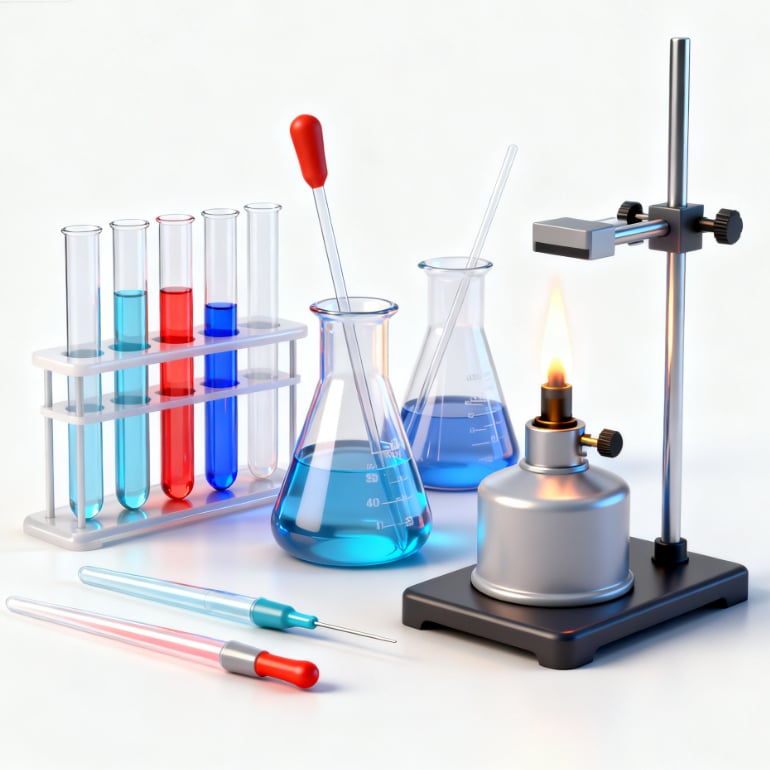
Hands-on learning stands as one of the most effective teaching methodologies in modern education, and lab equipment for school plays a central role in making this approach work. When students interact directly with lab equipment for school, they transition from passive observation to active participation in scientific discovery. This shift fundamentally changes how students absorb concepts, retain information, and develop critical thinking skills that extend far beyond the classroom walls.
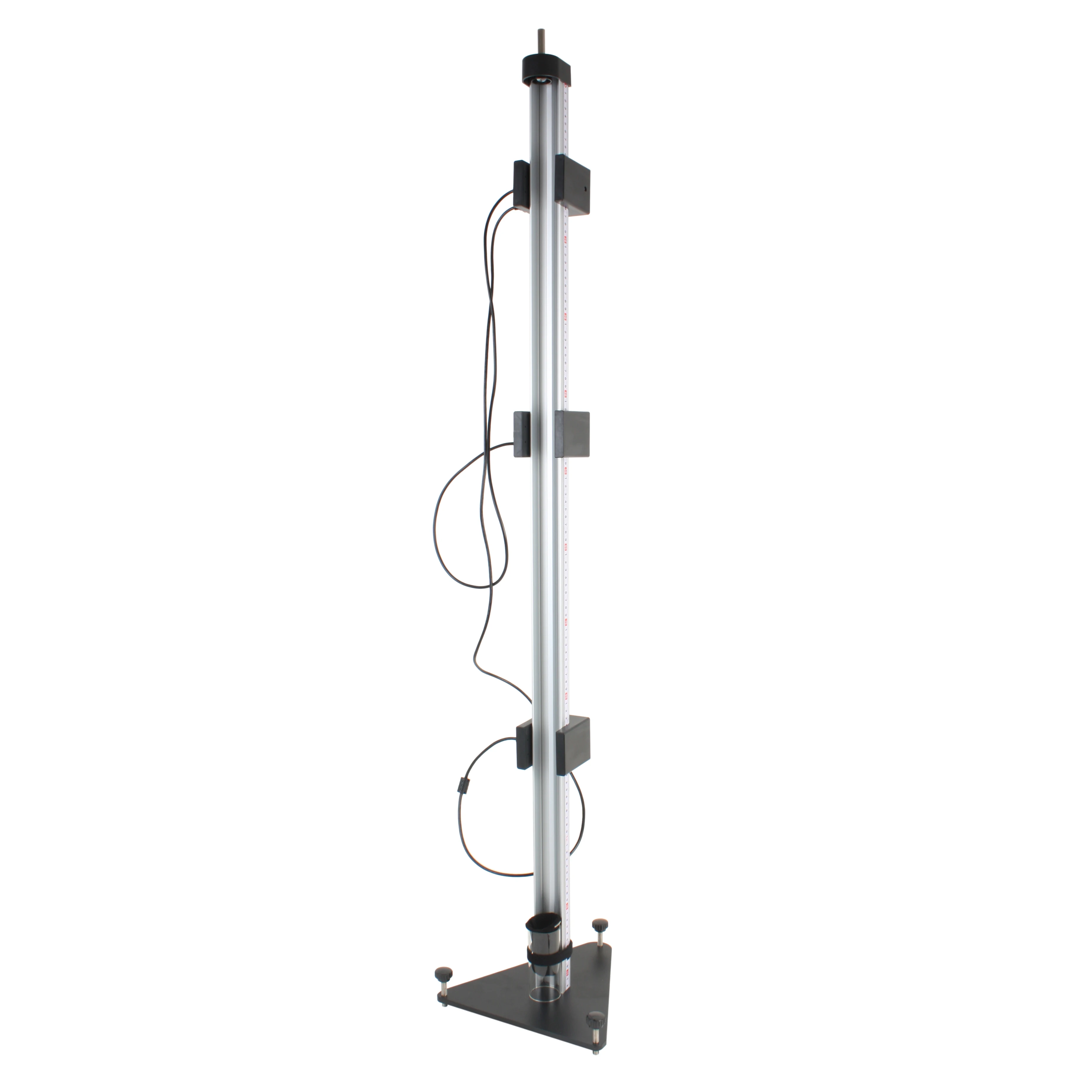
The integration of quality lab equipment for school directly addresses a persistent challenge in science education: bridging the gap between theory and practice. When educators invest in proper lab equipment for school, they create an environment where abstract concepts become tangible experiences. Students no longer rely solely on textbook diagrams and instructor explanations; instead, they manipulate variables, observe outcomes, and draw conclusions grounded in real experimental data. This experiential learning model transforms the classroom into a dynamic research space where curiosity drives engagement and understanding deepens through direct observation.
Understanding the Impact of Lab Equipment on Student Engagement
Creating Memorable Learning Experiences
Lab equipment for school generates intrinsic motivation by making science feel relevant and exciting. When students use specialized instruments to measure, analyze, and experiment, the learning experience becomes memorable rather than forgettable. The tactile interaction with lab equipment for school creates neural pathways that strengthen retention. Students remember not just the concepts they learned but the feeling of discovery itself. This emotional connection to the material translates into higher engagement rates and increased willingness to pursue advanced science coursework.
The presence of quality lab equipment for school also signals institutional commitment to rigorous science education. Students perceive schools with well-maintained lab equipment for school as places where science matters, where their scientific questions deserve serious investigation. This perception cultivates a culture of intellectual curiosity that extends beyond individual classroom sessions.
Building Confidence in Scientific Methodology
When students work with authentic lab equipment for school, they develop confidence in their ability to conduct scientific investigations independently. Rather than following cookbook procedures, students learn to formulate hypotheses, design experiments, and troubleshoot problems using actual lab equipment for school. Each successful experiment reinforces their sense of capability, while each failure becomes a valuable learning opportunity. This iterative process builds resilience and scientific thinking skills that remain valuable throughout their educational journey and professional careers.
Practical Applications and Classroom Implementation
Subject-Specific Advantages Across Disciplines
Lab equipment for school serves different pedagogical purposes depending on the discipline. In physics, specialized lab equipment for school enables students to explore mechanics, energy, and wave properties through direct measurement and manipulation. In chemistry, lab equipment for school allows students to conduct safe, controlled reactions that demonstrate molecular behavior and bonding principles. In biology, lab equipment for school provides tools for microscopic observation, sample analysis, and living system investigation. Each discipline benefits from tailored lab equipment for school that addresses subject-specific learning objectives while maintaining safety standards.
The selection of appropriate lab equipment for school requires careful consideration of curriculum alignment. Educators must choose instruments that directly support learning outcomes rather than accumulating equipment for its own sake. Strategic deployment of lab equipment for school ensures that every piece serves educational purpose and contributes meaningfully to student understanding.
Fostering Collaborative Problem-Solving
Lab work inherently requires collaboration, and quality lab equipment for school facilitates group dynamics that develop essential workplace skills. When multiple students share lab equipment for school, they negotiate roles, communicate findings, and resolve disagreements about procedure and interpretation. These interactions model real scientific practice, where collaboration and peer review shape knowledge production. Students using shared lab equipment for school learn to articulate their reasoning, listen to alternative perspectives, and collectively troubleshoot experimental challenges.
The shared access model for lab equipment for school also teaches resource management and responsibility. Students understand that equipment requires careful handling and proper maintenance. This ownership mentality extends beyond the laboratory, cultivating respect for institutional resources and appreciation for the investment schools make in their educational infrastructure.
Advancing Student Understanding Through Direct Investigation
Transforming Abstract Concepts into Observable Phenomena
Abstract scientific concepts often confuse students when presented only through lectures and diagrams, but lab equipment for school converts these abstractions into concrete, observable phenomena. Consider physics concepts like acceleration, wave behavior, or energy transformation. Without lab equipment for school, these remain theoretical constructs. With appropriate instruments, students see these principles manifested in real-time measurements and visible effects. The combination of sensory experience and data collection creates robust mental models that persist long after the course concludes.
Lab equipment for school also reveals the complexity underlying seemingly simple phenomena. When students investigate gravity using precision measurement lab equipment for school, they discover that real-world conditions introduce variables absent from simplified textbook scenarios. This recognition that science involves nuance and complexity develops sophisticated scientific thinking that moves beyond surface-level understanding.
Developing Data Literacy and Analytical Skills
Working with lab equipment for school requires students to collect data systematically, record observations carefully, and analyze results critically. These practices build quantitative reasoning skills increasingly important in modern education and employment. Students learn to recognize patterns in data, calculate uncertainties, and draw evidence-based conclusions. The consistent use of lab equipment for school across multiple experiments reinforces these analytical practices until they become habitual ways of thinking.
Data from lab equipment for school also provides concrete material for statistical analysis instruction. Rather than working with artificial datasets, students analyze results from their own experiments. This connection between their actions and the data strengthens understanding of both experimental design and statistical interpretation. Students recognize how procedural variations affect outcomes and how data quality depends on careful technique and instrument precision.
FAQ
What types of lab equipment for school are most essential for effective science instruction?
Essential lab equipment for school includes items like microscopes, spectrophotometers, graduated cylinders, precision balances, and thermometers for foundational observation and measurement. Physics-specific lab equipment for school might include dynamics carts, force sensors, and dropping apparatus for mechanics investigation. The ideal selection of lab equipment for school depends on curriculum priorities, available budget, and safety considerations. Schools should prioritize quality and precision over quantity, ensuring that lab equipment for school selected actually supports documented learning objectives.
How does lab equipment for school improve student retention of scientific concepts?
Lab equipment for school improves retention through multiple mechanisms. Direct sensory engagement with lab equipment for school creates stronger memory traces than passive reading. The procedural knowledge developed through repeated use of lab equipment for school becomes automatic, freeing cognitive resources for conceptual understanding. Additionally, the emotional satisfaction of successful experiments using quality lab equipment for school strengthens motivation, which predicts long-term retention. Students remember experiences with lab equipment for school more vividly than textbook passages, and memory strength translates into more persistent knowledge.
Can lab equipment for school be used effectively in large classroom settings?
Yes, lab equipment for school works well in large classrooms when organized strategically through station-based learning or group rotations. Educators can design experiments where multiple groups work with lab equipment for school simultaneously on different investigations or the same investigation in sequence. Demonstration-based approaches using lab equipment for school visible to the entire class can introduce concepts, with follow-up small-group lab equipment for school investigations allowing deeper engagement. The key is intentional design of lab protocols and clear instruction that maximizes the value each student gains from direct contact with lab equipment for school.