
 EN
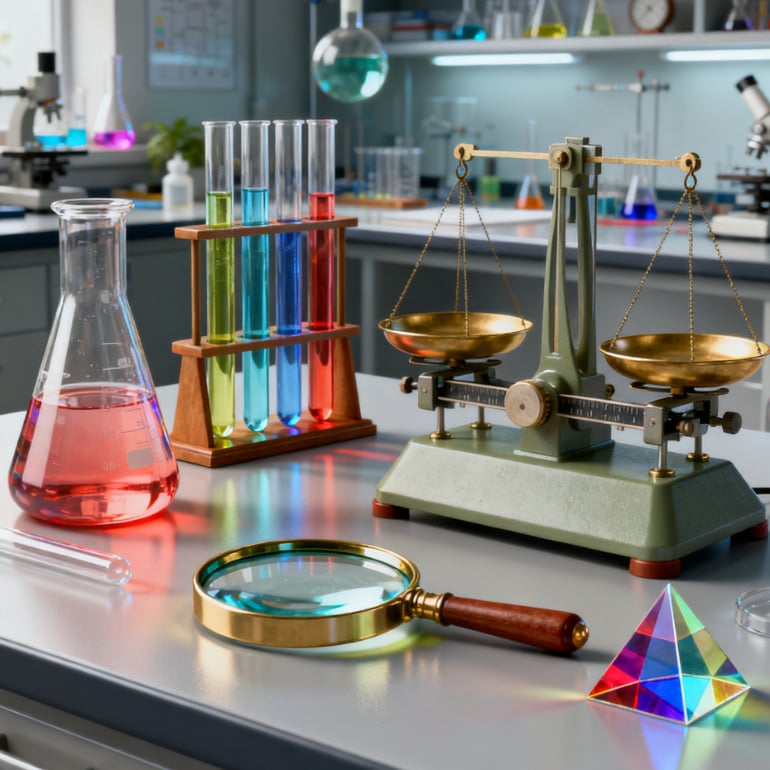
Choosing the right lab equipment for school environments requires careful consideration of multiple factors beyond simple cost comparison. Schools must balance educational value, student safety, developmental appropriateness, and long-term durability when selecting lab equipment for school settings. The process involves understanding age groups, curriculum standards, and practical classroom constraints that differ significantly from professional laboratory environments. Selecting quality lab equipment for school use ensures students gain hands-on experience while minimizing risks and maximizing learning outcomes across science disciplines.
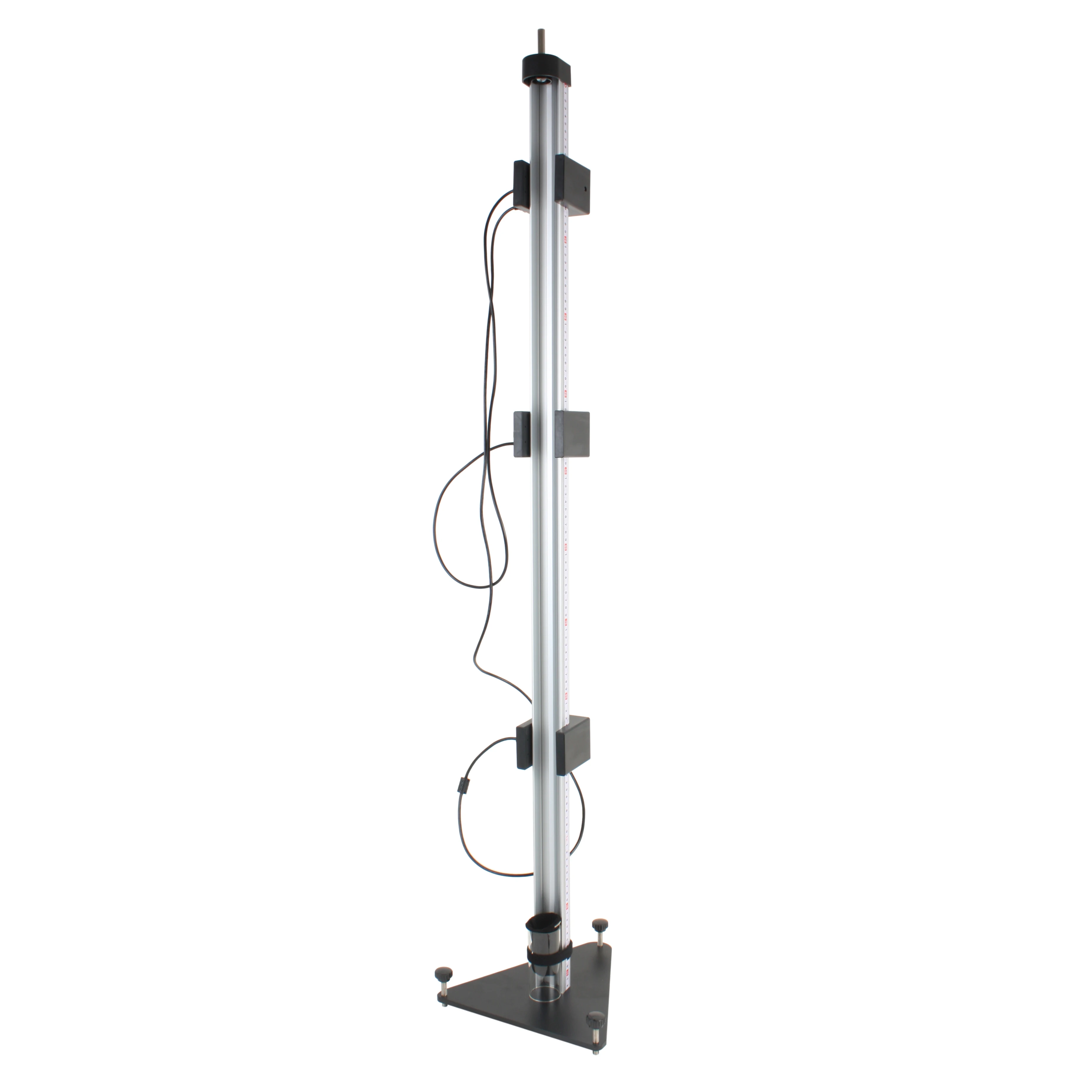
Educational institutions face unique challenges when procuring lab equipment for school use. Unlike commercial laboratories, schools must accommodate varying skill levels, ensure equipment withstands repeated student handling, and meet strict safety regulations applicable to minors. The selection process for lab equipment for school requires input from science teachers, administrators, and safety officers who understand both pedagogical goals and institutional constraints. Proper evaluation ensures that lab equipment for school investments support curriculum objectives while protecting student welfare and extending equipment lifespan.
Understanding Age-Appropriate Selection Criteria
Elementary and Middle School Considerations
Elementary and middle school students require lab equipment for school that emphasizes basic scientific observation and simple manipulation. Age-appropriate lab equipment for school at this level focuses on visual demonstrations, supervised hands-on activities, and intuitive understanding of fundamental concepts. Young students benefit from robust lab equipment for school designed with safety features, larger components for easier handling, and clear operational instructions. The selected lab equipment for school must withstand frequent use, accidental drops, and enthusiastic student interaction without compromising educational value or safety performance.
Middle school lab equipment for school introduces more complex measurement and data collection while maintaining safety as the paramount concern. Equipment selections should enable students to develop hypothesis-testing skills and quantitative reasoning. Lab equipment for school at this stage can incorporate digital displays, electronic sensors, and measurement tools that build competency with modern scientific instruments. However, lab equipment for school must still feature substantial safety margins, clear warning labels, and design elements that prevent misuse or injury during exploratory learning activities.
High School and Advanced Placement Levels
High school students using lab equipment for school need instruments supporting chemistry, physics, and biology experiments with greater sophistication and precision. Advanced lab equipment for school should match the complexity of college-preparatory curricula while remaining durable and economical for school budgets. Lab equipment for school at advanced levels can incorporate specialized functions, sensitive measurements, and chemical compatibility requirements not suitable for younger students. Professional-grade lab equipment for school maintains educational accessibility while providing preparation for higher education laboratory experiences.
Selecting lab equipment for school at the AP and honors level requires alignment with standardized testing frameworks and laboratory protocol standards. Lab equipment for school in advanced programs should support experimental design, data analysis, and scientific communication skills. Equipment choices must balance sophisticated capability with maintenance feasibility and cost-effectiveness across school budgets. Lab equipment for school investments at this level should remain functional for five to ten years while supporting evolving curriculum requirements and emerging scientific methodologies.
Safety Standards and Regulatory Compliance
Essential Safety Features for School Lab Equipment
Safety regulations fundamentally shape selection decisions for lab equipment for school across all age groups. Lab equipment for school must comply with American National Standards Institute (ANSI) guidelines, Consumer Product Safety Commission (CPSC) standards, and state education department regulations specific to school laboratory operations. When evaluating lab equipment for school, institutional buyers must verify certifications, review material safety data sheets, and confirm that equipment design prevents common student injuries. Lab equipment for school procurement processes should include safety documentation review and compatibility assessment with existing school safety protocols.
Specific hazard considerations shape lab equipment for school selection across different subject areas. Chemistry lab equipment for school requires secondary containment features, stable bases, and materials resistant to common solvents and acids. Physics lab equipment for school involving motion, heat, or electricity demands proper grounding, insulation, and protective guards. Biology lab equipment for school necessitates biohazard containment, sterilization capability, and materials preventing biological contamination. Choosing lab equipment for school requires understanding discipline-specific risks and implementing corresponding safety engineering controls.
Maintenance and Inspection Protocols
Long-term safety depends on selecting lab equipment for school with maintenance requirements matching institutional capacity. Lab equipment for school should feature accessible components, documented service procedures, and readily available replacement parts. Schools evaluating lab equipment for school options should assess whether equipment requires specialized technicians or supports in-house maintenance by science department staff. Lab equipment for school manufacturers should provide clear maintenance schedules, inspection checklists, and training materials supporting safe operation throughout equipment lifespan.
Documentation requirements significantly influence lab equipment for school selection decisions. Institutional protocols should include regular safety inspections, maintenance logs, and incident reporting systems for lab equipment for school. Schools selecting lab equipment for school must establish clear responsibility assignments, training requirements for student users, and procedures for identifying equipment damage or malfunction. Lab equipment for school tracking systems help administrators monitor usage patterns, identify maintenance needs, and plan equipment replacement cycles based on condition assessment rather than calendar dates alone.
Curriculum Alignment and Pedagogical Effectiveness
Connecting Equipment Selection to Learning Objectives
Effective lab equipment for school selection begins with clear curriculum mapping linking equipment capabilities to specific learning standards. Lab equipment for school should directly support hands-on experimentation supporting textbook concepts and state science standards. Science educators selecting lab equipment for school must evaluate whether equipment enables inquiry-based learning, supports collaborative student work, and provides immediate feedback facilitating understanding. Lab equipment for school that aligns with curriculum objectives increases student engagement, demonstrates practical application of concepts, and builds scientific reasoning skills foundational to future STEM education.
Equipment versatility influences long-term value when schools select lab equipment for school supporting multiple courses and grade levels. Lab equipment for school serving dual purposes—supporting both introductory and advanced courses—maximizes institutional investment and extends equipment utility. Flexible lab equipment for school configurations enable educators to adapt experimental activities as curriculum evolves without requiring complete equipment replacement. Schools evaluating lab equipment for school options should prioritize instruments supporting cross-disciplinary applications, enabling physics equipment to assist chemistry instruction, and biological instruments to demonstrate ecological principles.
Budget Considerations and Cost-Benefit Analysis
Budget constraints typically influence lab equipment for school procurement more than any other factor, requiring strategic prioritization and value assessment. Lab equipment for school selection should balance initial purchase costs against operational expenses, maintenance requirements, and pedagogical return on investment. Schools analyzing lab equipment for school options should calculate total cost of ownership including consumables, replacement parts, calibration services, and technician training. Lab equipment for school investments demonstrating measurable improvements in student performance, standardized test results, or college readiness justify higher initial expenditures within budget parameters.
Consortium purchasing and shared equipment arrangements expand access to sophisticated lab equipment for school within limited budgets. Regional laboratories, university partnerships, and equipment-sharing agreements enable schools to provide high-quality lab equipment for school experiences without duplicating expensive instruments. Grant funding, donations, and phased implementation strategies help schools acquire essential lab equipment for school over multiple budget cycles. Strategic planning for lab equipment for school procurement builds institutional capacity progressively while maintaining educational continuity and maximizing available resources.
FAQ
What factors should drive lab equipment for school selections across different grade levels?
Grade-level appropriateness drives lab equipment for school selection, requiring age-matched complexity, safety features, and learning scaffolding. Elementary school lab equipment for school emphasizes safe observation and simple hands-on activities, middle school focuses on measurement and data collection, high school demands experimental design and quantitative analysis, and AP courses require college-preparatory sophistication. Developmental psychology research demonstrates that mismatched difficulty—either too simple or overwhelmingly complex—reduces student engagement and learning outcomes. Lab equipment for school must support the specific cognitive and manipulative abilities of each grade, ensuring students experience appropriate challenge and success within supportive learning environments.
How can schools ensure lab equipment for school meets safety compliance requirements?
Schools should verify that lab equipment for school carries relevant certifications from ANSI, CPSC, and national/state educational agencies before purchase. Requesting detailed safety documentation, material composition, and hazard assessment data helps schools evaluate lab equipment for school safety thoroughly. Consulting with state education department laboratory safety specialists ensures selected lab equipment for school complies with local regulations and institutional policies. Regular safety training for students and staff using lab equipment for school, combined with documented maintenance and inspection protocols, sustains compliance throughout equipment lifespan while modeling responsible laboratory practice.
What strategies maximize return on investment when schools purchase lab equipment for school?
Schools maximize lab equipment for school value by selecting versatile instruments supporting multiple courses and grade levels, prioritizing equipment with strong curricular alignment demonstrating measurable learning improvements. Implementing comprehensive maintenance programs extending lab equipment for school lifespan and ensuring consistent performance reduces replacement costs. Professional development for science staff maximizes pedagogical effectiveness of lab equipment for school, enabling educators to integrate equipment into engaging experimental activities rather than isolated demonstrations. Strategic phasing of lab equipment for school acquisitions, pursuing grant funding, and participating in equipment-sharing partnerships help schools access quality instruments within realistic budgets while building sustainable laboratory science programs.