
 EN
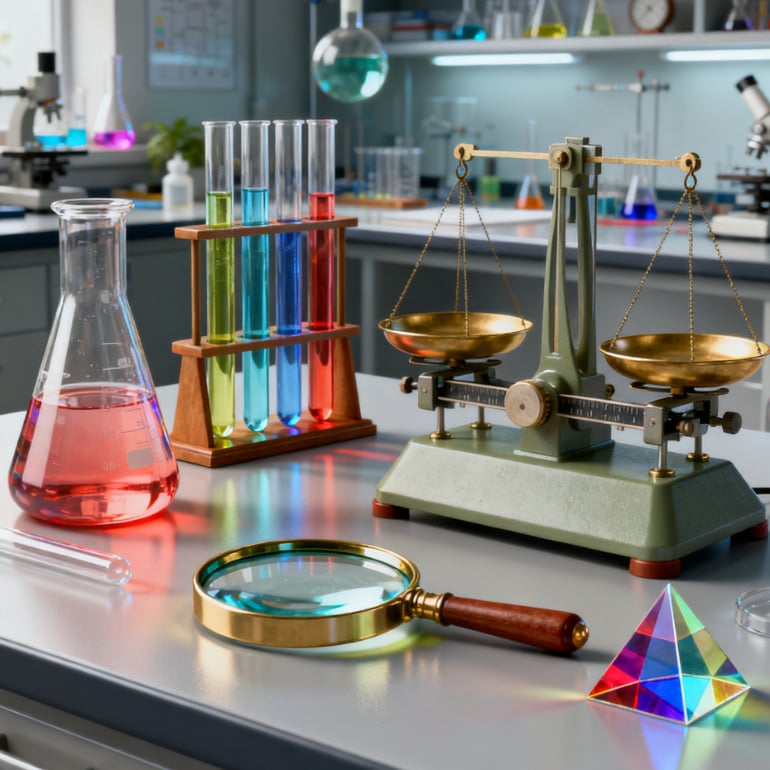
STEM education succeeds when students can test ideas, observe outcomes, and explain evidence rather than only memorize concepts. Lab equipment for school makes that process tangible: it gives learners tools to investigate scientific questions and connect classroom explanations with real results. Its role is not simply to fill a room, but to shape what students can safely and meaningfully learn.
The value of lab equipment for school becomes clear when lessons move from demonstration to participation. With appropriate instruments, students can collect observations, compare results, and refine explanations. Thoughtful choices also help teachers plan practical work across age groups and subjects, making lab equipment for school part of a dependable learning environment rather than an occasional classroom extra.
Making STEM concepts visible and testable
Connecting abstract ideas to observable evidence
Many STEM ideas are difficult to grasp when they remain diagrams or equations. Lab equipment for school lets learners see how forces, energy, matter, and measurement behave under controlled conditions. When students handle lab equipment for school, they can link a prediction to an observation and discuss why the evidence supports, challenges, or changes their first explanation.
This connection matters because understanding grows through interpretation, not just exposure. A classroom investigation can ask students to observe motion, record intervals, or compare materials, then explain patterns using relevant concepts. Lab equipment for school supports these steps, while well-chosen lab equipment for school makes the observed effect accessible enough for learners to focus on reasoning rather than struggling with an unsuitable tool.
Building reliable investigation habits
Practical work also introduces the habits behind sound science. Students learn to follow a procedure, identify variables, use instruments consistently, and record results clearly. Lab equipment for school gives teachers a practical way to model these routines, and lab equipment for school helps students repeat a process so they can distinguish a meaningful pattern from an accidental result.
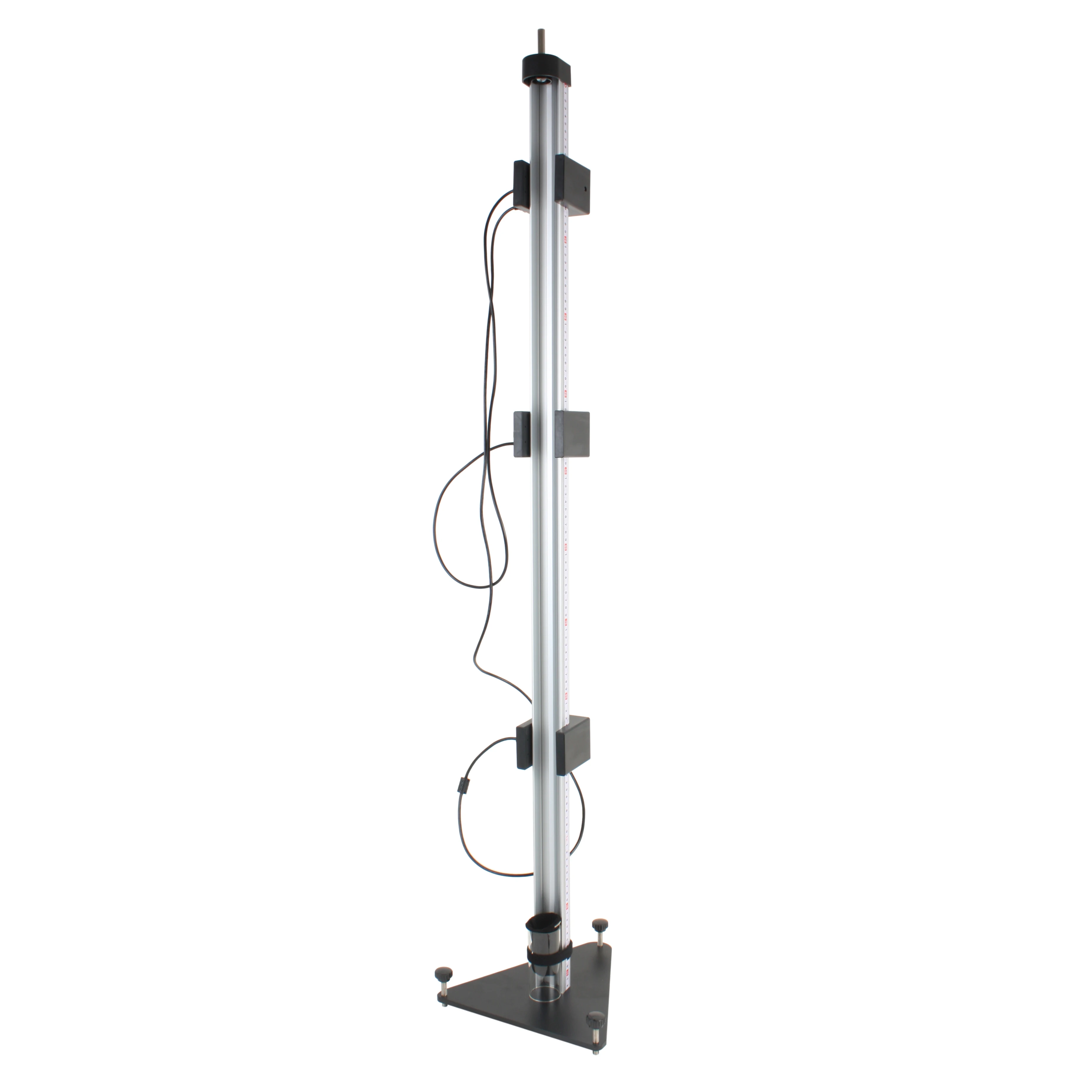
For example, a free-fall demonstration can prompt discussion about distance, time, and the effect of gravity. Students can make predictions, watch the apparatus operate, and compare what they expected with what they observed. In this kind of lesson, lab equipment for school turns a familiar physical event into a structured investigation, while lab equipment for school supports discussion grounded in shared evidence.
Developing skills through hands-on learning
Strengthening measurement and data literacy
STEM learning depends on careful measurement as much as on curiosity. Lab equipment for school helps students practice reading scales, recording units, organizing data, and noticing uncertainty. With repeated use, lab equipment for school can make measurement a normal part of classroom thinking, not a separate exercise performed only before an assessment or practical examination.
Teachers can reinforce this skill by asking students to explain how they gathered a result and what could affect its reliability. The discussion may include instrument limits, inconsistent technique, or environmental conditions. Lab equipment for school provides the context for these questions, and lab equipment for school helps turn data literacy into a practical habit students can transfer to later science and engineering tasks.
Encouraging collaboration and problem solving
A shared experiment creates useful roles for learners: one student may operate an instrument, another may record observations, and others may check procedure or interpret findings. Lab equipment for school gives groups a common task and a concrete basis for discussion. When lab equipment for school is suited to the activity, learners can spend more time reasoning together and less time resolving avoidable setup confusion.
Hands-on work can also make setbacks productive. If results differ from predictions, students can revisit their method, check measurements, and propose a fair test. Lab equipment for school supports this cycle of trial and adjustment, while lab equipment for school encourages students to treat a surprising result as a question to investigate rather than a reason to abandon the task.
Choosing equipment that supports lasting success
Matching tools to curriculum and learner readiness
The educational value of an instrument depends on the learning objective it serves. Schools should consider curriculum coverage, student age, lesson frequency, setup demands, and the level of guidance required. Lab equipment for school is most useful when teachers can connect it to clear learning goals, and lab equipment for school should suit both the intended investigation and the learners expected to use it.
A useful planning question is whether the equipment enables students to do something they could not learn as effectively through explanation alone. A demonstration instrument may be appropriate where direct observation is the goal, while group work may call for tools students can operate themselves. The right lab equipment for school supports the chosen format, and lab equipment for school should fit available time, storage, and supervision.
Maintaining safe, accessible practical learning
Successful practical teaching depends on preparation as well as purchasing. Teachers need clear operating instructions, suitable storage, routine checks, and procedures that reflect the activity’s risks. Lab equipment for school works best when learners know how to handle it, and lab equipment for school should be introduced with age-appropriate safety guidance before students begin independent tasks.
Accessibility also deserves attention during lesson planning. Teachers can explain procedures in stages, provide visual prompts, assign meaningful group roles, and adapt tasks so different learners can participate. Lab equipment for school can support inclusive investigation when instructions and classroom arrangements account for varied needs; lab equipment for school then serves the whole learning group instead of only students already confident with practical work.
A practical evaluation should consider whether equipment is durable enough for its intended use, straightforward to maintain, and compatible with the school’s teaching plan. A product page for lab equipment for school can help educators assess whether a teaching instrument fits a particular demonstration. The decision should still be guided by learning objectives, safe use, and available support.
FAQ
Why is lab equipment important in STEM education?
It helps students investigate concepts through observation, measurement, and evidence-based discussion. Lab equipment for school makes abstract ideas testable, while lab equipment for school gives teachers practical ways to develop inquiry and reasoning.
How should schools choose lab equipment?
Start with curriculum goals, learner readiness, safety, setup requirements, and how often an instrument will be used. Lab equipment for school should serve a clear learning purpose, and lab equipment for school should fit the classroom’s practical constraints.
Can practical activities support different learners?
Yes, when teachers provide clear steps, appropriate roles, and suitable adaptations. Lab equipment for school can make participation more concrete, while lab equipment for school supports collaborative ways to observe, measure, and discuss results.