
 EN

Selecting the right suppliers for school equipments is one of the most critical decisions an educational institution must make. The quality, durability, and safety of school equipments directly impact student learning outcomes, staff efficiency, and institutional reputation. Schools face significant pressure to find reliable suppliers who can deliver school equipments that meet educational standards, comply with safety regulations, and fit within budget constraints. A strategic approach to sourcing school equipments ensures that institutions receive products that support teaching objectives while protecting both students and staff from risk.
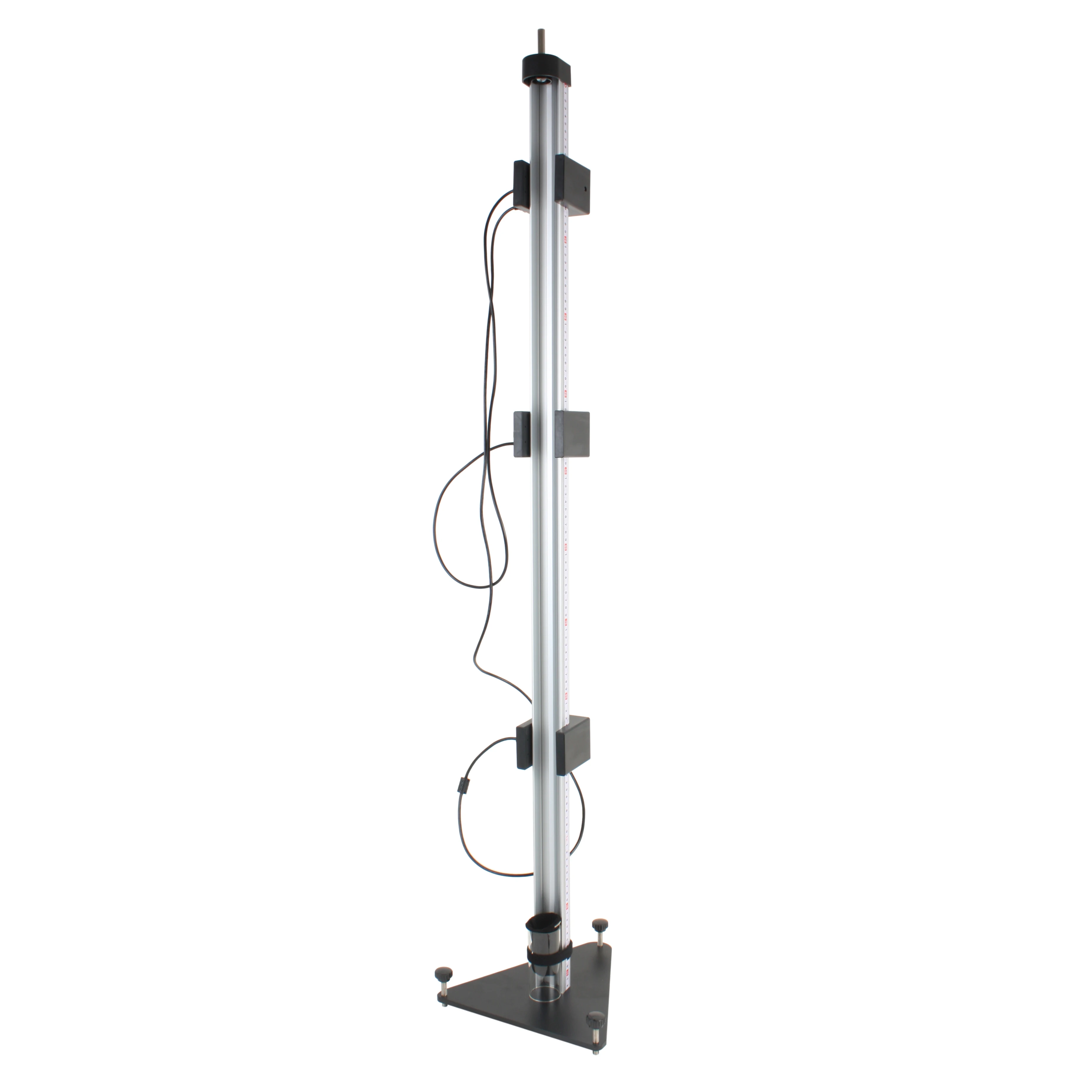
The process of acquiring school equipments extends far beyond placing an order. Schools must evaluate supplier credentials, verify product compliance, assess delivery timelines, and establish long-term partnerships that provide ongoing support. Whether purchasing laboratory instruments, computer technology, sports equipment, or classroom furniture, the fundamentals of sourcing school equipments remain consistent. This guide outlines the essential steps schools should follow to identify and work with reliable suppliers of school equipments.
Establishing Vendor Evaluation Criteria for School Equipments
Understanding Supplier Certification and Compliance
Reliable suppliers of school equipments must hold relevant industry certifications and compliance documentation. Before engaging any vendor for school equipments procurement, schools should request proof of ISO certifications, educational product compliance certificates, and safety testing documentation. Suppliers who provide school equipments should demonstrate familiarity with educational standards specific to your region or country. This verification step protects the institution and ensures that all school equipments meet regulatory requirements. Certified suppliers are more likely to maintain consistent quality standards and address issues promptly when problems arise with school equipments.
Evaluating Financial Stability and Business Reputation
A supplier's financial health directly affects their ability to deliver school equipments reliably. Schools should investigate vendor background, check business registration records, and review how long the supplier has been operating in the school equipments market. Requesting references from other schools who have purchased school equipments from the same vendor provides valuable insight. Speaking directly with educational institutions about their experience with specific suppliers of school equipments reveals patterns in service quality, delivery reliability, and responsiveness to issues. Established suppliers of school equipments typically have documented case studies and verifiable client lists within the education sector.
Conducting Technical and Quality Assessments
Product Specifications and Performance Standards
Every school equipments purchase requires detailed technical review before commitment. Schools should request detailed product specifications, performance data, and technical documentation from suppliers offering school equipments. Compare specifications against your institution's requirements and educational curriculum objectives. Samples or demonstrations of school equipments provide hands-on evaluation before large-scale orders. Quality assessment of school equipments should include durability testing, ease of use, maintenance requirements, and warranty terms. Suppliers who offer comprehensive technical documentation for school equipments demonstrate professionalism and confidence in their products.
Safety Compliance and Risk Management
Safety is paramount when sourcing school equipments for student environments. All school equipments must comply with relevant safety standards and certifications required in your jurisdiction. Suppliers should provide safety certifications, material composition reports, and hazard documentation for school equipments. Review recall history and any documented incidents involving the specific school equipments or similar products from that supplier. Ensure that school equipments have undergone third-party testing and received appropriate safety approvals. Risk management protocols should be established in writing with suppliers before receiving school equipments.
Negotiating Terms and Building Supplier Relationships
Pricing, Payment, and Delivery Arrangements
Transparent pricing is essential when sourcing school equipments on a school budget. Request detailed quotations that itemize costs for school equipments, shipping, installation, and training services. Compare pricing from multiple suppliers to identify fair market rates for school equipments without sacrificing quality. Negotiate payment terms that align with school budget cycles and fiscal year planning. Delivery timelines for school equipments should be clearly documented with penalties for delays. Suppliers who offer volume discounts for school equipments should provide discount schedules upfront, allowing schools to plan larger equipment purchases strategically.
Warranty, Support, and Long-Term Partnership
Post-purchase support significantly impacts the success of school equipments investments. Comprehensive warranties on school equipments protect institutional investments and reduce unexpected maintenance costs. Reliable suppliers should offer technical support, training for staff and students using school equipments, and readily available replacement parts. Establish service level agreements with suppliers that outline response times and support commitments for school equipments issues. Building long-term relationships with school equipments suppliers creates stability, improves communication, and often leads to better pricing on future purchases. Suppliers who demonstrate commitment to customer success beyond the initial sale are valuable strategic partners for ongoing school equipments needs.
FAQ
What certifications should I look for when choosing suppliers for school equipments?
Look for ISO certifications, educational product compliance certificates, safety testing documentation, and industry-specific accreditations relevant to the type of school equipments you are purchasing. Suppliers should provide evidence that their school equipments meet safety standards, environmental regulations, and educational guidelines established by your region. Ask suppliers to provide documentation proving that school equipments have been tested by recognized third-party testing organizations.
How can schools verify that suppliers provide quality school equipments?
Request references from other educational institutions who have purchased school equipments from the same supplier. Ask for product samples or arrange demonstrations before committing to large orders of school equipments. Review the supplier's experience in the education sector and examine case studies demonstrating how their school equipments performed in similar institutional environments. Check online reviews, accreditation status, and any industry recognition the supplier has received for school equipments quality.
What should be included in a contract with school equipments suppliers?
Contracts for school equipments should specify product specifications, delivery dates, pricing terms, payment conditions, warranty coverage, and technical support commitments. Include clauses defining penalties for late delivery of school equipments, quality standards, and dispute resolution procedures. Establish service level agreements that outline response times for issues with school equipments and requirements for spare parts availability. Document training requirements, safety certifications for school equipments, and post-sale support expectations clearly.