 EN
EN
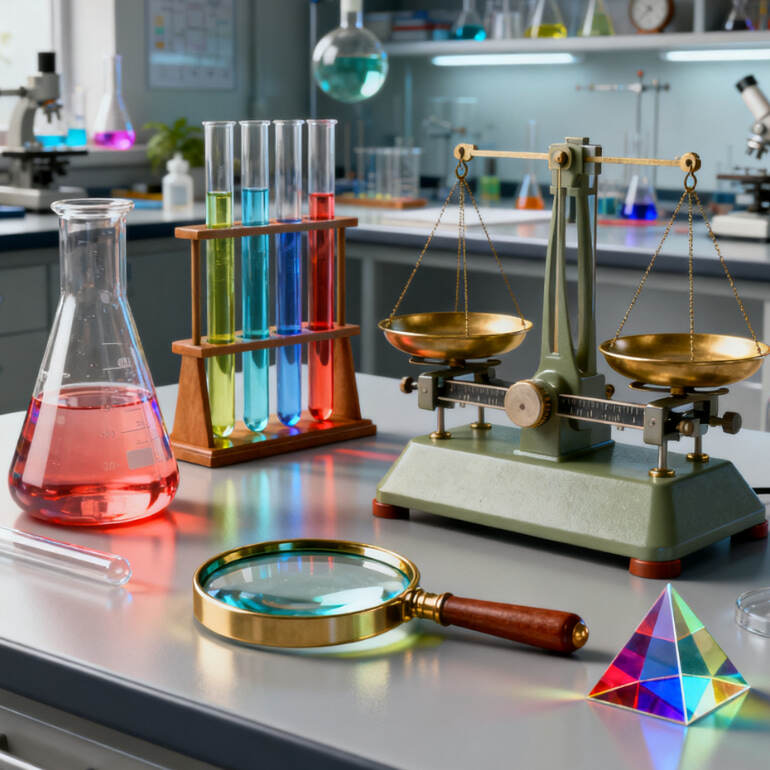
Modern educational institutions are increasingly adopting inquiry-based learning approaches that transform traditional science classrooms into dynamic environments where students actively explore scientific concepts through hands-on experimentation. The success of these educational methodologies heavily depends on access to quality school laboratory equipment that enables students to conduct meaningful investigations and develop critical thinking skills. When educational facilities invest in comprehensive laboratory setups, they create opportunities for students to engage with scientific principles in ways that textbook learning alone cannot provide.
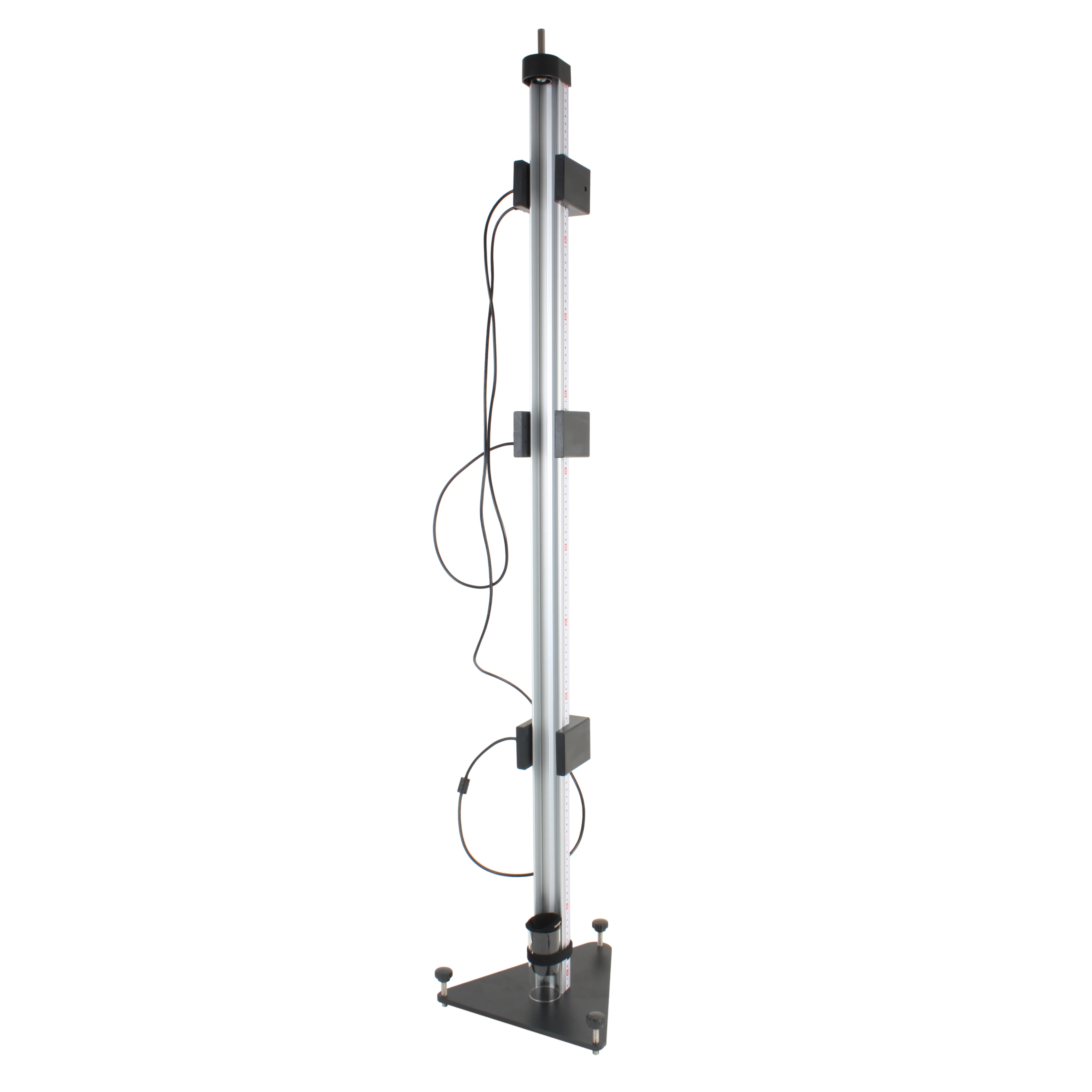
The foundation of effective science education lies in providing students with authentic research experiences that mirror real-world scientific practices. Quality school laboratory equipment serves as the bridge between theoretical knowledge and practical application, allowing educators to design experiments that challenge students to formulate hypotheses, collect data, and draw evidence-based conclusions. This approach transforms passive learners into active participants in the scientific process, fostering deeper understanding and retention of complex concepts.
Educational research consistently demonstrates that students who engage with well-designed laboratory experiences develop stronger problem-solving abilities and show increased interest in pursuing science-related careers. The availability of appropriate school laboratory equipment directly impacts the quality of these experiences, making it essential for educational institutions to prioritize investments in comprehensive laboratory resources that support diverse learning objectives and accommodate various learning styles.
Understanding Inquiry-Based Learning Methodologies
Principles of Student-Centered Investigation
Inquiry-based learning represents a fundamental shift from traditional teacher-centered instruction to student-driven exploration where learners take ownership of their educational journey. This pedagogical approach encourages students to ask questions, design investigations, and construct their own understanding through direct interaction with scientific phenomena. The methodology requires careful scaffolding and access to appropriate school laboratory equipment that supports open-ended exploration while maintaining safety standards and educational objectives.
Successful implementation of inquiry-based learning depends on creating classroom environments where students feel comfortable taking intellectual risks and exploring multiple pathways to understanding. Teachers serve as facilitators who guide students through the investigative process, helping them develop essential skills in observation, data collection, analysis, and communication. The quality and variety of available school laboratory equipment directly influence the scope and depth of investigations students can undertake, making equipment selection a critical factor in program success.
The integration of technology and traditional laboratory instruments creates opportunities for students to engage with both digital and analog measurement tools, developing proficiency across multiple platforms. Modern school laboratory equipment often incorporates digital interfaces and data logging capabilities that allow students to focus on analysis and interpretation rather than spending excessive time on data collection, thereby maximizing the educational value of each laboratory session.
Cognitive Development Through Hands-On Learning
Research in cognitive science reveals that hands-on learning experiences activate multiple neural pathways, leading to more robust memory formation and deeper conceptual understanding. When students manipulate physical objects and observe real-time changes during experiments, they develop mental models that connect abstract scientific principles to concrete experiences. Access to diverse school laboratory equipment enables educators to design activities that engage multiple senses and accommodate different learning preferences within the same classroom setting.
The process of setting up experiments, troubleshooting unexpected results, and adapting procedures based on observations develops metacognitive awareness that extends beyond science education. Students learn to monitor their own thinking processes, evaluate the effectiveness of their approaches, and adjust strategies when initial attempts prove unsuccessful. High-quality school laboratory equipment supports this developmental process by providing reliable, predictable responses that allow students to focus on higher-order thinking skills rather than struggling with malfunctioning or inadequate tools.
Collaborative laboratory work using shared school laboratory equipment fosters communication skills and teamwork abilities that prepare students for future academic and professional endeavors. Students learn to negotiate roles, share resources, communicate findings clearly, and build upon each other's ideas while working toward common investigative goals. These social aspects of laboratory learning contribute significantly to overall educational outcomes and personal development.
Essential Categories of Laboratory Equipment
Measurement and Data Collection Instruments
Accurate measurement forms the foundation of scientific inquiry, making precision instruments one of the most critical categories of school laboratory equipment for educational institutions. Digital balances, graduated cylinders, thermometers, pH meters, and various electronic sensors enable students to collect quantitative data that supports rigorous analysis and comparison across different experimental conditions. The availability of age-appropriate measurement tools allows educators to introduce concepts of precision, accuracy, and uncertainty while building students' confidence in handling scientific instruments.
Modern data collection systems integrate seamlessly with computer interfaces, allowing students to visualize trends in real-time and explore relationships between variables through graphical representations. These technological enhancements to traditional school laboratory equipment expand the range of investigations possible within typical class periods while introducing students to contemporary research methodologies used in professional scientific settings. The combination of traditional and digital measurement tools provides comprehensive exposure to the full spectrum of scientific instrumentation.
Calibration procedures and quality control measures associated with precision school laboratory equipment teach students important concepts about measurement reliability and the need for standardized procedures in scientific research. Students learn to assess the limitations of their instruments, account for sources of error, and make appropriate judgments about the significance of their results. These skills prove invaluable in developing scientific literacy and critical thinking abilities that extend well beyond the laboratory environment.
Safety Equipment and Protective Devices
Safety considerations must remain paramount in any discussion of school laboratory equipment, as creating secure learning environments enables students to engage confidently in experimental activities. Proper ventilation systems, eye wash stations, fire extinguishers, first aid supplies, and personal protective equipment establish the foundation for safe laboratory practices while teaching students the importance of risk assessment and hazard mitigation in scientific work.
Safety protocols associated with school laboratory equipment provide opportunities to discuss broader themes of workplace safety, environmental responsibility, and ethical considerations in scientific research. Students develop habits of careful observation, systematic preparation, and thoughtful evaluation of potential consequences that serve them well in future academic and professional pursuits. The integration of safety education with hands-on laboratory experiences creates lasting impressions that influence behavior long after students leave the classroom.
Regular maintenance and inspection of safety-related school laboratory equipment demonstrates the ongoing commitment required to maintain secure learning environments while teaching students about the importance of preventive measures and systematic care of scientific instruments. Students who participate in equipment maintenance activities develop deeper appreciation for the complexity and value of laboratory resources while gaining practical experience in instrument care and troubleshooting procedures.
Impact on Student Engagement and Learning Outcomes
Motivation and Interest Development
The presence of engaging school laboratory equipment transforms science classrooms into environments that naturally capture student curiosity and sustain interest throughout extended learning sequences. When students have access to professional-grade instruments and can conduct investigations that yield meaningful results, they develop intrinsic motivation to pursue deeper understanding and explore advanced concepts independently. This transformation from passive recipients of information to active investigators creates lasting enthusiasm for scientific learning that extends well beyond required coursework.
Research demonstrates strong correlations between hands-on laboratory experiences using quality school laboratory equipment and increased student enrollment in advanced science courses and science-related career paths. Students who engage regularly with laboratory investigations develop confidence in their ability to tackle complex problems and contribute meaningfully to scientific discussions. This confidence translates into willingness to pursue challenging academic opportunities and consider science-related career options that might otherwise seem inaccessible or intimidating.
The social dynamics created around shared school laboratory equipment foster collaborative learning environments where students support each other's investigations and celebrate collective discoveries. These positive associations with scientific learning create emotional connections that enhance memory formation and increase the likelihood that students will seek additional opportunities to engage with science throughout their academic careers and beyond.
Skill Development and Academic Achievement
Regular interaction with diverse types of school laboratory equipment develops technical skills that prove valuable across multiple academic disciplines and professional contexts. Students learn to follow complex procedures, troubleshoot technical problems, maintain detailed records, and communicate results effectively through various media. These transferable skills contribute to improved performance in mathematics, technology education, and communication arts while building general academic confidence and competence.
Longitudinal studies tracking students with extensive laboratory experience using quality school laboratory equipment reveal higher retention rates in science courses, improved performance on standardized assessments, and increased likelihood of pursuing post-secondary education in science, technology, engineering, and mathematics fields. The hands-on nature of laboratory learning accommodates diverse learning styles and provides multiple pathways to understanding that benefit students who might struggle with traditional lecture-based instruction methods.
The process skills developed through regular use of school laboratory equipment, including observation, classification, measurement, prediction, and inference, form the foundation for scientific literacy that enables informed participation in democratic decision-making processes. Students who develop strong process skills through laboratory experiences become more effective consumers of scientific information and more capable of evaluating claims based on evidence rather than authority or popular opinion.
Implementation Strategies for Educational Institutions
Budget Planning and Resource Allocation
Strategic planning for school laboratory equipment acquisition requires careful consideration of curricular objectives, student population growth projections, and long-term maintenance requirements to ensure sustainable program development. Educational institutions must balance the desire for cutting-edge technology with practical considerations of durability, ease of use, and alignment with pedagogical goals. Successful implementation often involves phased acquisition plans that prioritize essential equipment while building capacity for more specialized investigations over time.
Collaborative purchasing arrangements with other educational institutions can provide access to more expensive school laboratory equipment while sharing costs and maintenance responsibilities. Regional consortiums and shared laboratory facilities enable smaller schools to offer advanced experimental opportunities that would otherwise be financially prohibitive while fostering professional collaboration among educators from different institutions. These partnerships often lead to curriculum alignment and resource sharing that benefits all participating schools.
Grant funding opportunities from government agencies, private foundations, and corporate sponsors can significantly enhance school laboratory equipment budgets when institutions demonstrate clear connections between proposed acquisitions and improved educational outcomes. Successful grant applications typically include detailed implementation plans, assessment strategies, and evidence of institutional commitment to supporting inquiry-based learning initiatives. The process of applying for external funding often clarifies institutional priorities and strengthens program planning efforts.
Professional Development and Training Requirements
Effective utilization of advanced school laboratory equipment requires comprehensive professional development programs that prepare educators to integrate new technologies and methodologies into their existing curricula. Training programs must address both technical competencies related to equipment operation and pedagogical strategies for maximizing educational impact through inquiry-based learning approaches. Ongoing support and mentoring help teachers develop confidence and creativity in designing laboratory experiences that fully utilize available resources.
Collaborative professional learning communities focused on laboratory instruction enable teachers to share successful strategies, troubleshoot common challenges, and develop innovative approaches to curriculum integration. Regular meetings and online forums provide platforms for continuous improvement and peer support while building institutional capacity for sustained program excellence. These professional networks often extend beyond individual schools to include regional and national organizations dedicated to science education improvement.
Student training programs that teach proper use and care of school laboratory equipment create opportunities for peer mentoring while reducing equipment damage and maintenance costs. Advanced students can serve as laboratory assistants who help maintain equipment, support younger students during investigations, and contribute to the overall laboratory culture. These programs develop student leadership skills while ensuring that knowledge about equipment operation and safety procedures is preserved and transmitted across grade levels and academic years.
Technology Integration and Future Trends
Digital Enhancement of Traditional Equipment
The integration of digital technologies with traditional school laboratory equipment creates hybrid learning environments that combine the benefits of hands-on manipulation with the power of data analysis and visualization tools. Sensors and data loggers connected to computers enable real-time monitoring of experimental conditions while automated data collection frees students to focus on higher-order thinking skills such as analysis, synthesis, and evaluation. These technological enhancements expand the scope of possible investigations while introducing students to contemporary research methodologies.
Cloud-based data storage and analysis platforms enable students to access their experimental results from multiple locations while facilitating collaboration with peers and experts beyond the immediate classroom environment. Mobile applications designed to work with school laboratory equipment provide guidance for experimental procedures, safety protocols, and data interpretation while accommodating different learning paces and styles. The portability and accessibility of these digital tools extend learning opportunities beyond traditional laboratory spaces and scheduled class times.
Virtual reality and augmented reality technologies are beginning to complement physical school laboratory equipment by providing immersive experiences that would be impossible or impractical to create using traditional methods alone. Students can explore molecular structures, visualize abstract concepts, and conduct virtual experiments that prepare them for hands-on work while expanding their understanding of complex scientific phenomena. These emerging technologies promise to further enhance the educational value of laboratory experiences while reducing costs and safety concerns associated with certain types of investigations.
Sustainability and Environmental Considerations
Modern approaches to school laboratory equipment selection increasingly emphasize environmental sustainability, energy efficiency, and waste reduction as important factors in purchasing decisions. Green chemistry initiatives promote the use of safer chemicals and more efficient procedures while teaching students about environmental responsibility and sustainable practices in scientific research. Equipment manufacturers are responding to these concerns by developing products that minimize environmental impact while maintaining high standards of performance and reliability.
Modular design approaches to school laboratory equipment enable institutions to upgrade components selectively rather than replacing entire systems, reducing waste and extending the useful life of major investments. Standardized interfaces and communication protocols facilitate integration of equipment from different manufacturers while providing flexibility to adapt to changing curricular requirements and technological advances. These design philosophies support both financial sustainability and environmental stewardship while maintaining educational effectiveness.
Energy-efficient school laboratory equipment reduces operational costs while teaching students about the importance of resource conservation in scientific research and industrial applications. Solar-powered instruments, low-power electronics, and intelligent power management systems demonstrate practical applications of sustainable technology while supporting institutional goals for environmental responsibility. Students who learn to consider environmental impact as an integral part of experimental design develop awareness that influences their future academic and professional decisions.
FAQ
What factors should schools consider when selecting laboratory equipment for inquiry-based learning
Schools should prioritize equipment that aligns with curriculum standards, supports multiple investigation types, and accommodates diverse student needs and abilities. Safety features, durability, ease of maintenance, and compatibility with existing systems represent critical selection criteria. Additionally, schools must consider the total cost of ownership, including training requirements, consumable supplies, and long-term support services when evaluating different options for school laboratory equipment acquisition.
How can schools maximize the educational impact of limited laboratory equipment budgets
Strategic purchasing focusing on versatile, multi-purpose instruments provides maximum flexibility for diverse investigations while minimizing total equipment needs. Collaborative arrangements with other institutions, phased implementation plans, and creative scheduling can extend access to expensive equipment across multiple programs and grade levels. Schools can also explore partnerships with local businesses, universities, and community organizations that may provide access to specialized school laboratory equipment for particular projects or investigations.
What role does maintenance play in sustaining effective laboratory programs
Regular maintenance ensures that school laboratory equipment functions reliably and safely while extending useful life and protecting institutional investments. Preventive maintenance programs, proper storage procedures, and systematic calibration schedules minimize unexpected failures that can disrupt instructional activities. Training students to participate in basic maintenance activities teaches responsibility and technical skills while building appreciation for the value and complexity of scientific instruments.
How do modern technologies enhance traditional laboratory equipment capabilities
Digital sensors, computer interfaces, and mobile applications expand the analytical capabilities of traditional school laboratory equipment while providing new opportunities for data visualization and interpretation. Automated data collection systems enable more sophisticated investigations within typical class periods while introducing students to contemporary research methodologies. Integration with online resources and collaborative platforms extends learning opportunities beyond physical classroom boundaries while facilitating connections with experts and peers from other institutions.
Table of Contents
- Understanding Inquiry-Based Learning Methodologies
- Essential Categories of Laboratory Equipment
- Impact on Student Engagement and Learning Outcomes
- Implementation Strategies for Educational Institutions
- Technology Integration and Future Trends
-
FAQ
- What factors should schools consider when selecting laboratory equipment for inquiry-based learning
- How can schools maximize the educational impact of limited laboratory equipment budgets
- What role does maintenance play in sustaining effective laboratory programs
- How do modern technologies enhance traditional laboratory equipment capabilities