
 EN
EN
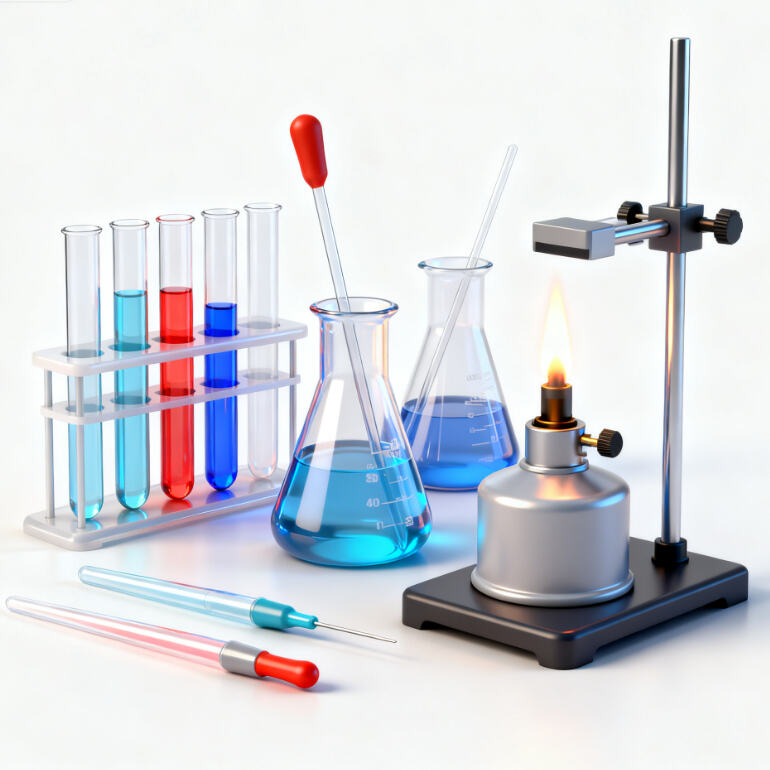
Selecting appropriate teaching equipment represents one of the most critical decisions educators face when designing effective learning environments. Modern classrooms require carefully chosen tools that align with curriculum objectives, student developmental stages, and pedagogical approaches. The right teaching equipment can transform abstract concepts into tangible learning experiences, fostering deeper understanding and engagement across diverse subject areas. Educational institutions must navigate numerous factors including budget constraints, safety requirements, durability standards, and technological integration when making these essential investments.
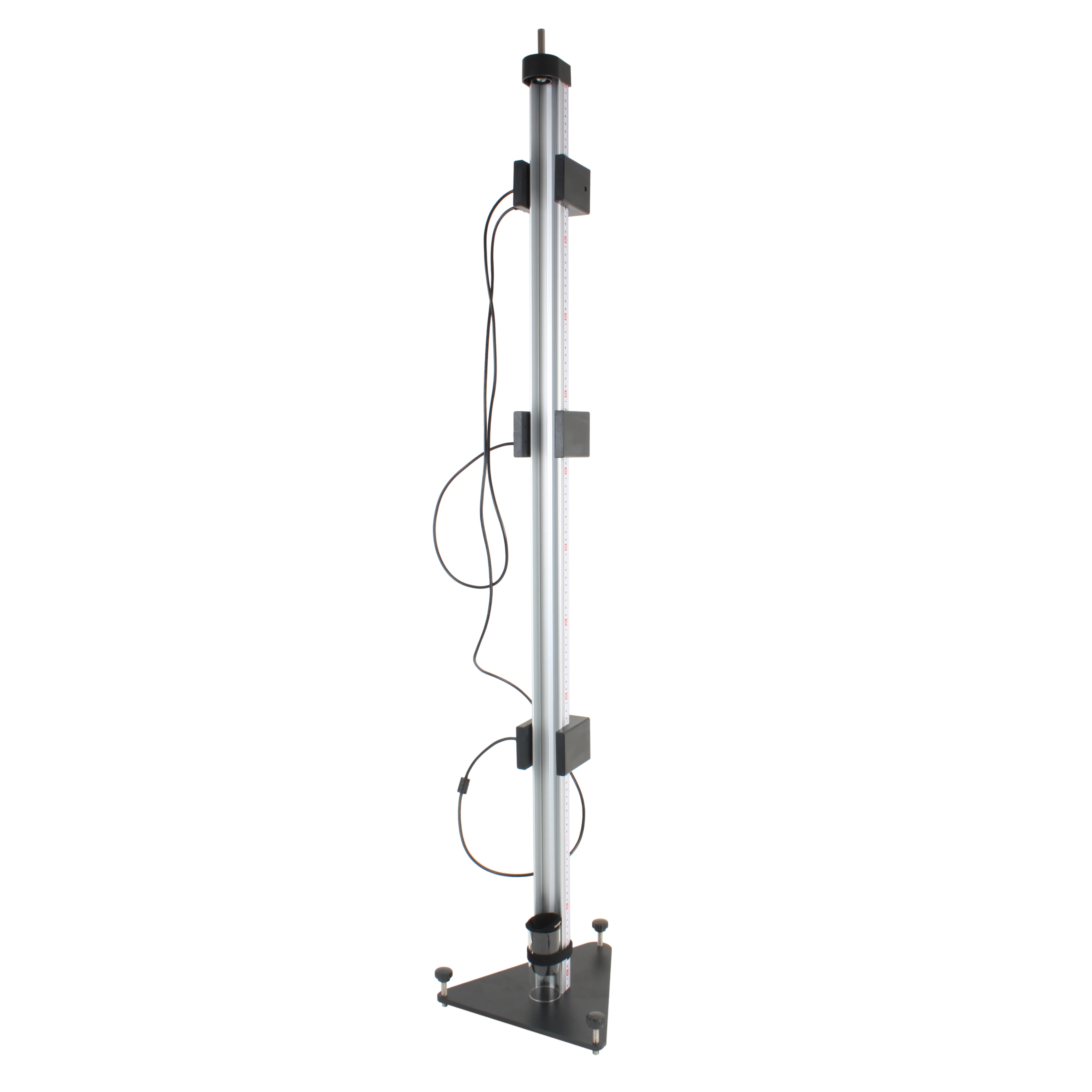
Understanding Age-Appropriate Teaching Equipment Selection
Elementary Level Equipment Considerations
Elementary students require teaching equipment that emphasizes hands-on exploration and sensory learning experiences. At this foundational stage, educational tools should prioritize safety features, durability against frequent handling, and intuitive operation that allows young learners to focus on content rather than complex mechanics. Visual aids, manipulatives, and interactive teaching equipment serve as bridges between concrete and abstract thinking, supporting cognitive development through tactile engagement.
Effective elementary teaching equipment often incorporates bright colors, clear labeling, and size-appropriate dimensions that match small hands and developing fine motor skills. Science kits, measurement tools, and demonstration apparatus must feature robust construction to withstand enthusiastic use while maintaining accuracy and functionality. The selection process should prioritize teaching equipment that encourages collaborative learning and supports multiple learning modalities within the elementary classroom environment.
Middle School Equipment Requirements
Middle school students benefit from more sophisticated teaching equipment that introduces scientific methodology and analytical thinking skills. This transitional period requires tools that bridge elementary manipulation with high school theoretical concepts, fostering intellectual curiosity through structured experimentation. Teaching equipment at this level should incorporate measurement precision, data collection capabilities, and technology integration that prepares students for advanced coursework.
The complexity of middle school teaching equipment should reflect students' growing cognitive abilities while maintaining safety protocols appropriate for adolescent learners. Laboratory instruments, digital measurement devices, and computer-integrated systems provide authentic research experiences that mirror professional scientific practices. Selection criteria must balance educational value with practical considerations including maintenance requirements, storage solutions, and compatibility with existing classroom infrastructure.
High School Advanced Equipment Needs
High school teaching equipment demands professional-grade accuracy and functionality that prepares students for post-secondary education and career applications. Advanced laboratory instruments, precision measurement tools, and industry-standard software create authentic learning environments that mirror professional practices. Students at this level require exposure to sophisticated teaching equipment that develops technical competencies and analytical reasoning skills essential for college readiness.
Investment in high-quality teaching equipment for advanced courses reflects institutional commitment to student preparation and academic excellence. Equipment selection should consider compatibility with college laboratory standards, industry certification requirements, and emerging technological trends that shape professional practice. The procurement process must evaluate long-term educational value, maintenance support, and upgrade pathways that ensure sustained relevance throughout equipment lifecycles.
Subject-Specific Equipment Selection Strategies
Science Laboratory Equipment Essentials
Science education requires specialized teaching equipment that demonstrates fundamental principles through controlled experimentation and observation. Laboratory balances, microscopes, measurement instruments, and safety apparatus form the foundation of effective science instruction across multiple disciplines. Each piece of teaching equipment must meet accuracy standards appropriate for educational objectives while incorporating safety features that protect student users and maintain regulatory compliance.
Modern science teaching equipment increasingly integrates digital capabilities that enhance data collection, analysis, and documentation processes. Sensors, probes, and computer interfaces expand experimental possibilities while teaching students contemporary research methodologies. The selection process should prioritize teaching equipment that supports inquiry-based learning and develops scientific reasoning skills through authentic laboratory experiences.
Mathematics Teaching Tools and Manipulatives
Mathematics instruction benefits significantly from teaching equipment that visualizes abstract concepts and provides concrete representations of numerical relationships. Geometric models, fraction manipulatives, graphing tools, and measurement devices help students develop mathematical reasoning through physical interaction and visual demonstration. Effective mathematics teaching equipment bridges the gap between abstract theory and practical application through engaging, hands-on learning experiences.
Technology-enhanced teaching equipment for mathematics includes graphing calculators, computer algebra systems, and interactive geometry software that expand problem-solving capabilities and analytical visualization. The integration of digital tools with traditional manipulatives creates comprehensive learning environments that accommodate diverse learning preferences and mathematical ability levels. Selection decisions should evaluate how teaching equipment supports both computational fluency and conceptual understanding across varied mathematical domains.
Technology and Engineering Equipment Integration
Technology education requires teaching equipment that introduces students to engineering design processes, manufacturing principles, and digital fabrication techniques. Computer-aided design software, 3D printers, robotics kits, and programming platforms provide authentic problem-solving experiences that develop technical skills and creative thinking abilities. Modern teaching equipment in technology education should reflect current industry practices while remaining accessible to educational budgets and classroom constraints.
Engineering-focused teaching equipment emphasizes project-based learning through construction, testing, and iteration cycles that mirror professional design processes. Students engage with sophisticated tools and methodologies that build technical competencies while developing collaborative skills and innovative thinking approaches. Equipment selection must balance educational objectives with practical considerations including technical support requirements, software licensing costs, and ongoing maintenance needs.
Budget Planning and Procurement Considerations
Cost-Effectiveness Analysis for Educational Investments
Educational institutions must carefully evaluate the long-term value proposition of teaching equipment investments, considering factors beyond initial purchase prices. Total cost of ownership includes maintenance expenses, consumable supplies, training requirements, and eventual replacement costs that accumulate over equipment lifespans. Effective procurement strategies prioritize teaching equipment that delivers sustained educational value while managing ongoing operational expenses within institutional budget constraints.
Grant funding, educational discounts, and collaborative purchasing programs can significantly reduce the financial burden of acquiring quality teaching equipment. Many manufacturers offer educational pricing structures, extended warranty programs, and professional development support that enhance the overall value proposition. Budget planning should incorporate these opportunities while maintaining focus on educational objectives and student learning outcomes rather than purely financial considerations.
Quality Assessment and Vendor Selection
Reliable teaching equipment vendors demonstrate commitment to educational markets through specialized product development, comprehensive support services, and understanding of institutional procurement processes. Vendor evaluation should examine product quality standards, customer service responsiveness, technical support availability, and long-term relationship stability. Educational institutions benefit from partnerships with suppliers who provide ongoing consultation, training resources, and upgrade pathways for evolving technology needs.
Quality assurance protocols for teaching equipment include safety certifications, accuracy specifications, durability testing, and compliance with educational standards. Reputable vendors provide detailed documentation, performance guarantees, and responsive technical support that ensures optimal equipment functionality throughout service lifecycles. The selection process should prioritize suppliers who demonstrate expertise in educational applications and commitment to student learning success.
Safety and Compliance Standards
Regulatory Requirements for Educational Equipment
Teaching equipment must comply with comprehensive safety regulations that protect students, educators, and institutional liability concerns. Federal safety standards, state educational requirements, and local building codes establish mandatory specifications for equipment installation, operation, and maintenance procedures. Compliance documentation, safety certifications, and regular inspection protocols ensure that teaching equipment maintains appropriate safety standards throughout operational lifecycles.
Laboratory safety protocols require specific teaching equipment features including emergency shutdown capabilities, protective barriers, ventilation compatibility, and hazardous material containment systems. Safety training programs, operating procedures, and maintenance schedules must align with manufacturer specifications and regulatory requirements. Institutional risk management strategies should incorporate comprehensive safety assessments that evaluate both equipment-specific hazards and broader classroom environmental factors.
Maintenance and Operational Safety Protocols
Preventive maintenance programs protect teaching equipment investments while ensuring sustained safety and performance standards. Regular calibration, cleaning, inspection, and component replacement schedules prevent equipment deterioration that could compromise accuracy or create safety hazards. Maintenance documentation, service records, and performance tracking systems support regulatory compliance while optimizing equipment lifecycles and educational effectiveness.
Staff training programs ensure that educators understand proper teaching equipment operation, safety procedures, and emergency response protocols. Comprehensive training includes initial equipment orientation, ongoing professional development, and periodic safety refresher sessions that maintain competency standards. Effective safety management integrates teaching equipment protocols with broader institutional safety policies and emergency preparedness plans.
Technology Integration and Digital Learning
Smart Classroom Equipment Solutions
Modern teaching equipment increasingly incorporates digital connectivity and smart features that enhance instructional capabilities and student engagement. Interactive displays, wireless connectivity, cloud-based data storage, and mobile device integration create dynamic learning environments that support diverse pedagogical approaches. Smart teaching equipment enables real-time data sharing, collaborative problem-solving, and personalized learning experiences that adapt to individual student needs and preferences.
Integration strategies for smart teaching equipment require careful consideration of network infrastructure, cybersecurity protocols, and technical support capabilities. Successful implementations balance technological sophistication with practical usability, ensuring that digital features enhance rather than complicate educational objectives. Equipment selection should prioritize systems that provide intuitive interfaces, reliable performance, and seamless integration with existing classroom technology ecosystems.
Data Collection and Analysis Capabilities
Contemporary teaching equipment often includes sophisticated data collection capabilities that transform traditional laboratory exercises into comprehensive analytical experiences. Digital sensors, automated measurement systems, and computer-integrated instruments generate precise datasets that support advanced statistical analysis and scientific reasoning development. Students learn to interpret complex data patterns while gaining experience with professional-grade analytical tools and methodologies.
Data-enabled teaching equipment supports inquiry-based learning through hypothesis testing, experimental design, and evidence-based conclusion development. Advanced software packages provide visualization tools, statistical analysis functions, and report generation capabilities that mirror professional research environments. The integration of data analysis with hands-on experimentation develops critical thinking skills while preparing students for technology-rich academic and professional settings.
Sustainability and Environmental Considerations
Eco-Friendly Equipment Selection
Environmental sustainability has become an increasingly important factor in teaching equipment selection, reflecting institutional values and educational objectives related to environmental stewardship. Energy-efficient designs, recyclable materials, and reduced packaging options contribute to lower environmental impact while often providing long-term cost savings. Sustainable teaching equipment choices demonstrate institutional commitment to environmental responsibility while teaching students about ecological consciousness and resource conservation.
Lifecycle assessments evaluate the total environmental impact of teaching equipment from manufacturing through disposal, considering factors including material sourcing, energy consumption, transportation requirements, and end-of-life recycling options. Manufacturers increasingly provide environmental impact documentation, recycling programs, and sustainable design features that support institutional sustainability goals. Equipment selection processes should incorporate environmental criteria alongside traditional performance and cost considerations.
Longevity and Upgrade Planning
Sustainable teaching equipment strategies emphasize longevity, repairability, and upgrade potential that extend useful lifecycles while minimizing waste generation. Modular designs, standardized components, and manufacturer support for repairs and upgrades reduce the need for complete equipment replacement while maintaining current functionality. Long-term planning should consider how teaching equipment can adapt to evolving educational needs and technological advancements through incremental improvements rather than wholesale replacement.
Equipment upgrade pathways enable institutions to maintain contemporary functionality while protecting existing investments and reducing environmental impact. Software updates, component replacements, and accessory additions can significantly extend equipment lifecycles while providing enhanced capabilities. Procurement strategies should prioritize teaching equipment manufacturers who demonstrate commitment to long-term support and sustainable business practices that align with institutional values and objectives.
FAQ
How do I determine the appropriate complexity level for teaching equipment in my classroom
The appropriate complexity level for teaching equipment depends on several key factors including student age, cognitive development stage, prior experience with similar tools, and specific learning objectives. Elementary students generally require intuitive, safety-focused teaching equipment with clear visual indicators and simple operation procedures. Middle school learners can handle more sophisticated tools that introduce measurement precision and analytical thinking, while high school students benefit from professional-grade teaching equipment that mirrors industry standards and college laboratory environments.
What safety certifications should I look for when purchasing laboratory teaching equipment
Essential safety certifications for laboratory teaching equipment include UL listing for electrical safety, ANSI standards compliance for mechanical components, and FDA approval where applicable for medical or biological equipment. Look for CE marking indicating European safety standards compliance, OSHA compatibility for workplace safety requirements, and specific educational certifications from organizations like NSTA or other subject-specific professional associations. Always verify that teaching equipment meets local building codes and institutional safety requirements before procurement.
How can I maximize the educational value of limited teaching equipment budgets
Maximizing educational value from limited budgets requires strategic planning that prioritizes versatile teaching equipment with multiple applications across subjects and grade levels. Consider purchasing high-quality core items that support fundamental concepts rather than numerous specialized tools with limited use. Explore educational discounts, grant opportunities, and collaborative purchasing agreements with other institutions to reduce costs. Focus on teaching equipment that includes comprehensive educational resources, training materials, and ongoing support to enhance long-term value and effectiveness.
What maintenance requirements should I expect for different types of teaching equipment
Maintenance requirements for teaching equipment vary significantly based on complexity, usage frequency, and environmental conditions. Basic mechanical tools typically require periodic cleaning, calibration verification, and component inspection, while electronic teaching equipment needs software updates, sensor calibration, and connection maintenance. Laboratory instruments often require specialized cleaning procedures, consumable replacement, and professional calibration services. Always review manufacturer maintenance recommendations, establish preventive maintenance schedules, and ensure staff training for proper equipment care and basic troubleshooting procedures.
Table of Contents
- Understanding Age-Appropriate Teaching Equipment Selection
- Subject-Specific Equipment Selection Strategies
- Budget Planning and Procurement Considerations
- Safety and Compliance Standards
- Technology Integration and Digital Learning
- Sustainability and Environmental Considerations
-
FAQ
- How do I determine the appropriate complexity level for teaching equipment in my classroom
- What safety certifications should I look for when purchasing laboratory teaching equipment
- How can I maximize the educational value of limited teaching equipment budgets
- What maintenance requirements should I expect for different types of teaching equipment