
 EN
EN
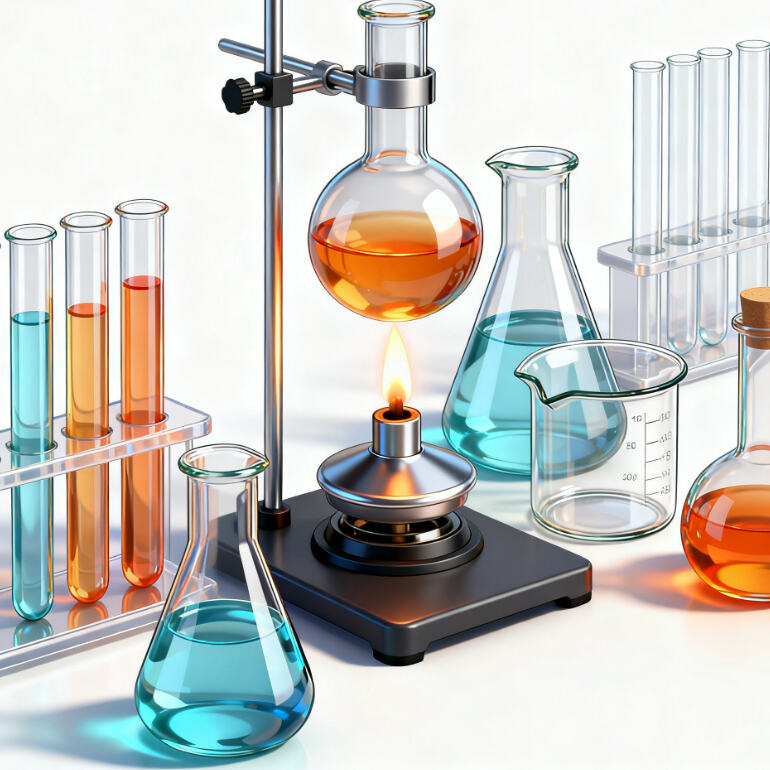
Modern educational institutions rely heavily on specialized laboratory equipment to provide students with hands-on learning experiences that bridge theoretical knowledge with practical application. The foundation of any successful science program begins with carefully selected, high-quality laboratory equipment that meets both safety standards and educational objectives. From basic measuring instruments to sophisticated analytical devices, the right laboratory equipment creates an environment where students can explore scientific principles safely and effectively.
Understanding which pieces of laboratory equipment are essential versus supplementary requires careful consideration of curriculum requirements, student safety protocols, and budget constraints. Educational administrators and science department heads must balance the need for comprehensive laboratory equipment with practical limitations while ensuring that students receive exposure to industry-standard tools and methodologies. This strategic approach to laboratory equipment selection ultimately determines the quality and effectiveness of scientific education programs.
Essential Safety Equipment for School Laboratories
Personal Protective Equipment Fundamentals
Safety goggles represent the most critical piece of laboratory equipment for protecting student eyesight during experiments involving chemicals, heat, or projectiles. Quality safety goggles must provide complete eye coverage with side shields and maintain clear visibility while resisting chemical splashes and impact damage. Laboratory equipment suppliers typically offer various goggle styles designed for different applications, from basic chemistry work to advanced physics demonstrations.
Laboratory coats and aprons serve as essential barriers between students and potentially hazardous materials or processes. These protective garments should be made from flame-resistant materials and provide adequate coverage for arms and torso areas. When selecting this type of laboratory equipment, schools must consider sizing ranges to accommodate diverse student populations and ensure proper fit for maximum protection effectiveness.
Heat-resistant gloves become indispensable laboratory equipment when students work with hot surfaces, heated liquids, or materials at elevated temperatures. Different glove materials offer varying levels of heat resistance, chemical compatibility, and dexterity requirements. Schools should maintain multiple glove types as part of their laboratory equipment inventory to address diverse experimental needs and safety requirements.
Emergency Response and Safety Systems
Emergency eyewash stations constitute mandatory laboratory equipment in facilities where chemical exposure risks exist. These systems must provide continuous water flow for at least fifteen minutes and be positioned within immediate reach of work areas. Regular testing and maintenance of eyewash station laboratory equipment ensures proper function when emergencies occur, making them non-negotiable components of laboratory safety infrastructure.
Fire extinguisher systems specifically designed for laboratory environments address unique fire hazards associated with chemicals, electrical equipment, and flammable materials. Different extinguisher types target specific fire classes, making proper selection crucial for effective emergency response. This specialized laboratory equipment requires regular inspection and maintenance to ensure readiness during critical situations.
Chemical spill kits provide immediate response capabilities for containing and neutralizing accidental chemical releases. These kits include absorbent materials, neutralizing agents, and cleanup tools specifically designed for laboratory environments. Having readily accessible spill response laboratory equipment enables quick containment of hazardous situations and prevents escalation of minor incidents into major safety concerns.
Fundamental Measurement and Analysis Tools
Precision Measuring Instruments
Analytical balances represent cornerstone laboratory equipment for accurate mass measurements essential in chemistry, biology, and physics experiments. Modern electronic balances offer precision to milligram or even sub-milligram levels, enabling students to understand the importance of precise measurements in scientific work. Schools should invest in quality balance laboratory equipment that provides consistent accuracy and includes features like draft shields and calibration capabilities.
Graduated cylinders, pipettes, and volumetric flasks form the foundation of liquid measurement laboratory equipment in educational settings. These tools teach students proper techniques for measuring and transferring liquids while emphasizing the relationship between measurement precision and experimental accuracy. Quality volumetric laboratory equipment features clear graduation markings and appropriate accuracy classifications for different measurement requirements.
Digital calipers and micrometers provide precise length and diameter measurements that traditional rulers cannot achieve. This laboratory equipment enables students to explore concepts of precision, accuracy, and measurement uncertainty while working with small objects or tight tolerances. Having reliable measuring laboratory equipment helps students develop proper measurement techniques and understand measurement limitations in scientific work.
Temperature Control and Monitoring
Thermometers in various ranges and formats serve essential functions across multiple science disciplines as fundamental laboratory equipment. Digital thermometers offer quick readings and often include data logging capabilities, while traditional mercury or alcohol thermometers provide visual representation of temperature concepts. Schools need diverse thermometer laboratory equipment to cover temperature ranges from sub-zero measurements to high-temperature applications.
Hot plates and heating mantles provide controlled heating capabilities essential for many chemistry and biology experiments. Modern laboratory equipment in this category includes digital temperature controls, safety features, and even magnetic stirring capabilities. Selecting appropriate heating laboratory equipment requires consideration of maximum temperature requirements, heating capacity, and safety features necessary for student use.
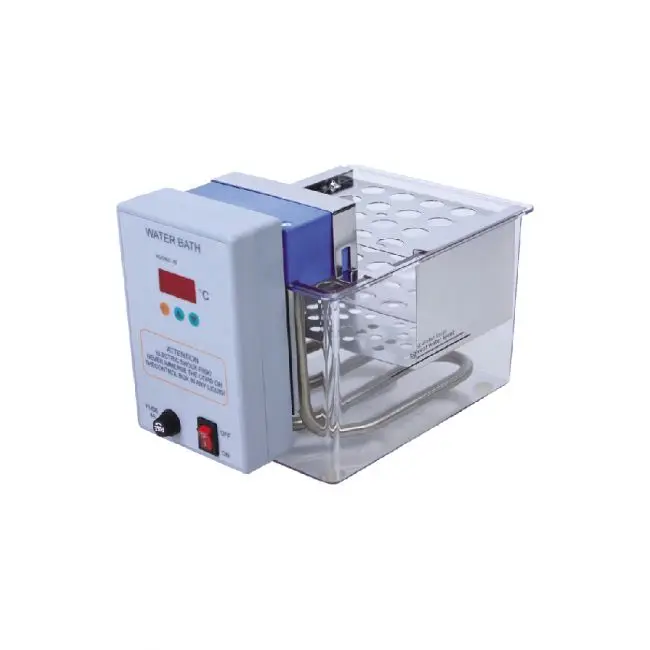
Water baths offer precise temperature control for experiments requiring gentle, uniform heating or temperature maintenance over extended periods. This laboratory equipment proves particularly valuable in biology and biochemistry applications where enzyme reactions, bacterial cultures, or other biological processes require specific temperature conditions. Quality water bath laboratory equipment includes accurate temperature control, uniform heating distribution, and adequate capacity for multiple samples.
Basic Glassware and Containers
Standard Laboratory Glassware
Beakers in various sizes constitute fundamental laboratory equipment for mixing, heating, and general solution preparation. Quality beakers feature clear volume markings, spill-resistant spouts, and thermal shock resistance necessary for heating applications. Schools should maintain beaker laboratory equipment inventories that include multiple sizes to accommodate different experimental volumes and student group requirements.
Erlenmeyer flasks provide specialized functionality for experiments requiring swirling, mixing, or titration procedures. The conical shape of this laboratory equipment reduces spillage risk while allowing vigorous mixing actions. Having adequate quantities of flask laboratory equipment in standard sizes ensures students can perform experiments requiring specific flask configurations without equipment shortages limiting learning opportunities.
Test tubes and test tube racks enable small-scale experiments and qualitative testing procedures common in chemistry and biology curricula. This laboratory equipment allows students to perform multiple simultaneous tests while using minimal reagent quantities. Quality test tube laboratory equipment resists thermal shock and chemical attack while providing clear visibility for observing reactions and color changes.
Specialized Containers and Storage
Reagent bottles with proper labeling and safety closures ensure safe storage and dispensing of chemicals used in educational laboratories. This laboratory equipment must meet specific chemical compatibility requirements while providing clear identification and hazard warnings. Proper reagent bottle laboratory equipment includes various sizes, appropriate closure types, and labeling systems that maintain chemical inventory organization and safety compliance.
Wash bottles provide convenient access to distilled water and other solvents needed for rinsing glassware and equipment during experiments. Quality wash bottle laboratory equipment features appropriate chemical resistance, controlled dispensing, and clear labeling to prevent cross-contamination. Having adequate wash bottle laboratory equipment reduces experiment interruptions and promotes proper cleaning techniques among students.
Desiccators and storage containers protect moisture-sensitive materials and provide controlled atmosphere storage for various laboratory equipment and reagents. These specialized storage solutions maintain sample integrity while teaching students about environmental factors affecting chemical stability. Proper desiccator laboratory equipment includes effective sealing mechanisms and appropriate desiccant materials for educational applications.
Power Sources and Electrical Equipment
Basic Electrical Components
DC power supplies provide controlled electrical power for electronics experiments and physics demonstrations involving electrical circuits and components. Modern power supply laboratory equipment offers variable voltage and current outputs with digital displays and safety features like overcurrent protection. Students learn fundamental electrical concepts while working with professional-grade power supply laboratory equipment that mirrors industrial applications.
Multimeters enable measurement of voltage, current, and resistance in electrical circuits, making them indispensable laboratory equipment for physics and engineering education. Digital multimeters provide accurate measurements with safety features appropriate for educational environments. Having sufficient multimeter laboratory equipment allows individual student access to measurement tools, promoting hands-on learning and measurement technique development.
Breadboards and connection components facilitate circuit construction and modification without permanent connections or soldering requirements. This laboratory equipment enables students to build and test circuits quickly while exploring electrical concepts through practical application. Quality breadboard laboratory equipment includes reliable connection points and clear layout markings that support systematic circuit construction and troubleshooting.
Monitoring and Control Systems
Oscilloscopes provide visual representation of electrical signals and waveforms, offering advanced laboratory equipment capabilities for upper-level physics and engineering courses. Modern digital oscilloscopes include user-friendly interfaces and automated measurement functions that make complex signal analysis accessible to students. Having oscilloscope laboratory equipment available exposes students to professional measurement techniques used in electronics and engineering fields.
Function generators create various electrical waveforms and signals needed for circuit testing and analysis experiments. This specialized laboratory equipment enables students to explore signal characteristics, frequency response, and circuit behavior under different input conditions. Quality function generator laboratory equipment provides multiple waveform options with precise frequency and amplitude control suitable for educational applications.
Data acquisition systems connect traditional laboratory equipment to computer-based analysis and recording capabilities. These systems enable real-time data collection and analysis while teaching students modern scientific instrumentation concepts. Implementing data acquisition laboratory equipment bridges traditional hands-on experimentation with digital analysis techniques used in contemporary scientific research and industrial applications.
Microscopy and Optical Equipment
Basic Microscopy Systems
Compound light microscopes serve as essential laboratory equipment for biology education, enabling students to observe cellular structures and microscopic organisms. Quality educational microscopes include multiple objective lenses, adjustable illumination, and mechanical stages for precise specimen positioning. Schools should invest in durable microscope laboratory equipment that withstands frequent student use while providing clear, high-contrast images necessary for effective biological education.
Stereo microscopes provide three-dimensional viewing capabilities ideal for dissection work and examination of larger specimens. This laboratory equipment offers lower magnification ranges with greater working distances than compound microscopes. Having stereo microscope laboratory equipment available supports biology and earth science curricula by enabling detailed examination of rocks, minerals, plant structures, and preserved specimens.
Digital microscopy systems integrate traditional optical microscopy with computer-based imaging and analysis capabilities. Modern digital microscope laboratory equipment enables image capture, measurement, and sharing while teaching students contemporary scientific documentation methods. These systems bridge traditional microscopy techniques with digital analysis tools used in modern biological and materials science research applications.
Optical Components and Accessories
Microscope slides and coverslips constitute basic consumable laboratory equipment necessary for specimen preparation and microscopy work. Quality slides provide flat, clear surfaces while coverslips protect specimens and objective lenses from contamination. Schools must maintain adequate inventories of slide laboratory equipment to support ongoing microscopy activities without limiting student access to hands-on observation opportunities.
Magnifying glasses and hand lenses serve as portable laboratory equipment for field studies and basic magnification needs. These tools enable students to examine specimens and materials when microscopes are unavailable or inappropriate for the application. Having portable magnification laboratory equipment supports outdoor learning activities and enables detailed observation of larger specimens during field work and nature studies.
Optical demonstration equipment including prisms, lenses, and light sources enables physics education covering optics, light behavior, and wave properties. This laboratory equipment allows students to explore refraction, reflection, and dispersion through hands-on experimentation. Quality optical laboratory equipment provides clear demonstrations of fundamental physics principles while enabling quantitative measurements of optical properties and behaviors.
FAQ
What laboratory equipment should schools prioritize when working with limited budgets
Schools with budget constraints should prioritize safety equipment first, including safety goggles, emergency eyewash stations, and fire safety systems. Basic measuring tools like balances, thermometers, and graduated cylinders provide essential functionality across multiple subjects. Quality microscopes and basic glassware sets offer the foundation for effective science education while serving multiple curriculum areas and grade levels.
How often should schools replace their laboratory equipment
Laboratory equipment replacement schedules depend on usage intensity, maintenance quality, and technological advancement. Safety equipment requires immediate replacement when damaged or expired, while precision instruments may need replacement every 5-10 years. Schools should establish regular inspection schedules and maintain replacement budgets to ensure laboratory equipment remains accurate, safe, and educationally effective.
What factors determine the quality of educational laboratory equipment
Quality laboratory equipment for educational use balances durability, accuracy, and ease of use while meeting safety standards appropriate for student environments. Educational laboratory equipment should withstand frequent handling, provide consistent performance, and include safety features that protect inexperienced users. Manufacturer reputation, warranty coverage, and availability of replacement parts also indicate quality levels in educational laboratory equipment selections.
How can schools ensure proper maintenance of their laboratory equipment
Effective laboratory equipment maintenance requires establishing regular cleaning schedules, calibration procedures, and inspection protocols. Staff training on proper equipment use and basic maintenance helps prevent damage while extending equipment life. Schools should maintain service contracts for complex laboratory equipment and establish relationships with qualified repair technicians to ensure minimal downtime and continued educational effectiveness.