
 EN
EN

Finding reliable OEM manufacturers for custom teaching instruments requires careful research, strategic planning, and thorough evaluation of potential partners. Educational institutions and distributors seeking specialized laboratory equipment, testing apparatus, and instructional tools must navigate a complex landscape of suppliers to identify manufacturers capable of delivering high-quality, customized solutions. The process involves understanding manufacturing capabilities, quality standards, certification requirements, and long-term partnership potential to ensure successful procurement of educational instruments.
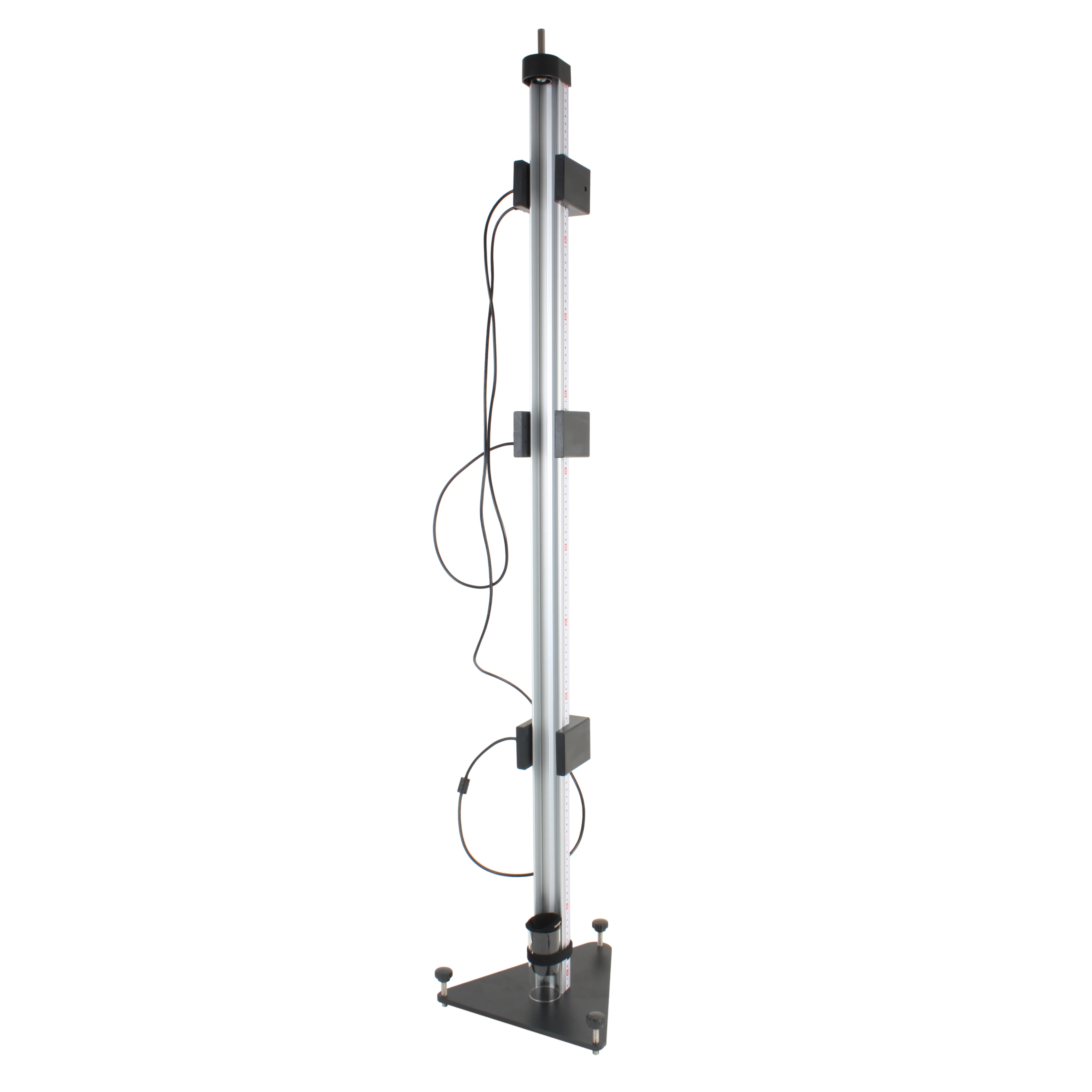
Understanding OEM Manufacturing in the Educational Sector
Defining Original Equipment Manufacturing for Teaching Tools
Original Equipment Manufacturing represents a business model where companies design and produce products according to another company's specifications and branding requirements. In the educational instruments sector, OEM manufacturers specialize in creating customized laboratory equipment, testing devices, and instructional apparatus tailored to specific academic curricula and institutional needs. These partnerships enable educational suppliers to offer branded products without investing in manufacturing infrastructure while maintaining control over design specifications and quality standards.
The educational equipment market demands precision-engineered instruments that meet stringent safety and accuracy requirements. OEM manufacturers in this sector must demonstrate expertise in materials science, mechanical engineering, and educational pedagogy to develop effective teaching tools. Successful partnerships require manufacturers who understand both technical specifications and educational objectives, ensuring that custom instruments enhance learning outcomes while maintaining operational reliability in classroom and laboratory environments.
Market Dynamics and Industry Trends
The global educational equipment market continues expanding as institutions modernize facilities and adopt technology-enhanced learning methodologies. This growth creates opportunities for OEM manufacturers to develop innovative teaching instruments that integrate digital capabilities with traditional mechanical systems. Market trends indicate increasing demand for modular, adaptable equipment that can serve multiple educational purposes while maintaining cost-effectiveness for budget-conscious institutions.
Sustainability considerations increasingly influence purchasing decisions, driving OEM manufacturers to adopt eco-friendly materials and energy-efficient designs. Educational institutions prioritize suppliers who demonstrate environmental responsibility while delivering high-performance teaching instruments. This trend requires manufacturers to balance sustainability goals with durability requirements, ensuring that custom instruments provide long service life while minimizing environmental impact throughout their operational lifecycle.
Research and Identification Strategies
Industry Database and Directory Utilization
Comprehensive research begins with accessing specialized industry databases that catalog OEM manufacturers by product category, geographic location, and manufacturing capabilities. Professional directories such as ThomasNet, Alibaba, and Made-in-China provide detailed supplier profiles, including production capacity, quality certifications, and customer reviews. These platforms enable systematic comparison of potential partners while filtering results based on specific requirements for educational instruments and teaching apparatus.
Trade association databases offer additional resources for identifying reputable OEM manufacturers within the educational equipment sector. Organizations such as the National Science Teachers Association and International Association of Physics Teachers maintain supplier directories featuring pre-vetted manufacturers with proven track records in educational instrument production. These specialized resources often provide more detailed information about manufacturers' educational expertise and compliance with academic standards.
Trade Show and Exhibition Participation
Industry exhibitions provide invaluable opportunities to meet OEM manufacturers face-to-face, evaluate product samples, and assess manufacturing capabilities firsthand. Major educational equipment trade shows feature hundreds of suppliers showcasing latest innovations in teaching instruments and laboratory equipment. These events facilitate direct communication with manufacturing representatives, enabling detailed discussions about customization capabilities, production timelines, and quality assurance procedures.
Virtual trade show platforms have expanded access to international OEM manufacturers without travel requirements, particularly beneficial when sourcing from overseas suppliers. Digital exhibitions often provide more comprehensive product catalogs and technical specifications than physical displays, allowing thorough evaluation of manufacturing capabilities before initiating formal business discussions. Follow-up communications through these platforms establish initial contact with potential manufacturing partners while building foundational relationships for future negotiations.
Evaluation and Assessment Criteria
Manufacturing Capability Assessment
Evaluating potential OEM manufacturers requires systematic assessment of production capabilities, including machinery specifications, manufacturing processes, and quality control systems. Site visits or virtual facility tours provide insights into production environments, workflow efficiency, and adherence to safety protocols. Manufacturers should demonstrate capability to handle complex customization requirements while maintaining consistent quality standards across production batches for educational instruments.
Technical expertise evaluation involves reviewing engineering capabilities, design software proficiency, and prototype development processes. Experienced OEM manufacturers should possess advanced CAD capabilities, materials testing equipment, and engineering teams familiar with educational instrument requirements. This technical foundation ensures successful translation of conceptual designs into functional teaching tools that meet performance specifications and safety standards required for academic environments.
Quality Assurance and Certification Verification
Quality management systems form the foundation of reliable manufacturing partnerships with OEM manufacturers specializing in educational equipment. ISO 9001 certification indicates established quality processes, while industry-specific certifications demonstrate compliance with educational safety standards. Manufacturers should provide documentation of quality control procedures, testing protocols, and continuous improvement initiatives that ensure consistent product quality throughout the manufacturing process.
Regulatory compliance verification requires confirming that OEM manufacturers understand and meet relevant safety standards for educational instruments, including electrical safety, mechanical stability, and material safety requirements. Manufacturers serving international markets should demonstrate familiarity with multiple regulatory frameworks, ensuring that custom teaching instruments meet certification requirements for target markets without requiring extensive modifications or additional testing procedures.
Communication and Negotiation Process
Initial Contact and Information Exchange
Establishing effective communication channels with potential OEM manufacturers begins with clear articulation of project requirements, including technical specifications, quantity projections, and timeline expectations. Initial inquiries should include detailed product descriptions, performance criteria, and any special requirements related to educational applications. This comprehensive approach enables manufacturers to provide accurate assessments of their capability to meet project requirements while identifying potential challenges early in the evaluation process.
Professional communication protocols facilitate productive relationships with international OEM manufacturers, particularly when working across different time zones and cultural contexts. Email correspondence should be structured and professional, with clear subject lines and organized information presentation. Follow-up communications should acknowledge receipt of information and provide specific feedback or additional questions, demonstrating serious interest while maintaining professional standards throughout the evaluation process.
Request for Proposal Development
Comprehensive Request for Proposal documents enable systematic comparison of offerings from multiple OEM manufacturers while ensuring all potential partners address identical requirements and evaluation criteria. RFPs should specify technical requirements, quality standards, delivery schedules, and commercial terms while requesting detailed responses about manufacturing processes, quality assurance procedures, and project management approaches for custom educational instrument development.
Evaluation criteria should be clearly defined within RFP documents to enable objective assessment of proposals from different OEM manufacturers. Scoring systems that weight technical capability, quality standards, pricing, and delivery performance help identify optimal partners while providing transparent evaluation processes. This structured approach facilitates informed decision-making while maintaining fairness throughout the supplier selection process for educational equipment procurement.
Due Diligence and Verification
Reference Checking and Customer Testimonials
Thorough reference checking provides crucial insights into the actual performance of potential OEM manufacturers beyond marketing claims and sales presentations. Contacting existing customers reveals important information about delivery performance, quality consistency, customer service responsiveness, and problem resolution capabilities. Educational institutions and distributors who have worked with manufacturers can provide honest assessments of partnership experiences, including challenges encountered and overall satisfaction levels.
Customer testimonials should be verified through direct communication rather than relying solely on written references provided by OEM manufacturers. Phone conversations or video calls with reference customers enable detailed discussions about specific aspects of the manufacturing relationship, including communication effectiveness, flexibility in addressing changes, and long-term reliability of products supplied. This verification process helps identify manufacturers with proven track records in educational equipment production.
Financial Stability and Business Verification
Financial due diligence protects against risks associated with partnering with financially unstable OEM manufacturers who may be unable to complete projects or provide ongoing support. Credit reports, financial statements, and bank references provide insights into business stability and operational sustainability. This verification becomes particularly important when considering long-term partnerships or placing substantial orders that require significant upfront investments from manufacturing partners.
Business registration verification ensures that potential OEM manufacturers operate as legitimate entities with proper licensing and regulatory compliance. This verification includes confirming business registrations, tax identification numbers, and any required industry-specific licenses for manufacturing educational equipment. International suppliers should provide additional documentation confirming export licensing and compliance with trade regulations affecting educational equipment shipments.
Contract Development and Risk Management
Intellectual Property Protection
Intellectual property agreements form critical components of contracts with OEM manufacturers, particularly when developing custom teaching instruments involving proprietary designs or innovative features. Non-disclosure agreements protect confidential information shared during development processes, while intellectual property clauses clarify ownership rights for custom designs, modifications, and improvements developed during the manufacturing relationship. These protections become essential when working with overseas manufacturers where intellectual property enforcement may be challenging.
Design ownership clauses should clearly specify rights and responsibilities regarding custom educational instrument designs developed through partnerships with OEM manufacturers. Agreements should address scenarios involving design modifications, improvements suggested by manufacturers, and rights to use designs with alternative suppliers. Clear intellectual property terms prevent disputes and protect investments in custom product development while enabling productive collaboration with manufacturing partners.
Quality Standards and Performance Guarantees
Performance specifications within manufacturing contracts establish clear expectations for OEM manufacturers regarding product quality, functionality, and reliability standards for educational instruments. Detailed specifications should include measurable performance criteria, testing protocols, and acceptance procedures that enable objective evaluation of delivered products. These standards protect buyers while providing manufacturers with clear targets for successful project completion and customer satisfaction.
Warranty terms and remedy procedures address potential quality issues that may arise after delivery of custom teaching instruments from OEM manufacturers. Comprehensive warranty coverage should include repair, replacement, and refund options based on the nature and severity of quality defects. Clear procedures for reporting issues, obtaining warranty service, and resolving disputes help maintain productive relationships while protecting investment in custom educational equipment procurement.
FAQ
What factors should be prioritized when selecting OEM manufacturers for educational instruments
Priority factors include technical capability to meet educational specifications, quality management systems with relevant certifications, proven experience in educational equipment production, and demonstrated ability to provide ongoing support. Financial stability, intellectual property protection capabilities, and communication effectiveness also rank as critical selection criteria for successful partnerships with OEM manufacturers in the education sector.
How can buyers verify the quality capabilities of potential OEM manufacturing partners
Quality verification involves reviewing certifications such as ISO 9001, conducting facility visits or virtual tours, examining sample products, and contacting reference customers for performance feedback. Request documentation of quality control procedures, testing equipment capabilities, and continuous improvement initiatives. OEM manufacturers should provide evidence of quality management systems specifically adapted for educational equipment production requirements.
What are common challenges when working with international OEM manufacturers
Common challenges include communication barriers, time zone differences, cultural misunderstandings, longer shipping times, and complex logistics coordination. Quality control becomes more difficult with distance, while intellectual property protection may face enforcement challenges. Currency fluctuations and international trade regulations add complexity to relationships with overseas OEM manufacturers, requiring careful planning and risk management strategies.
How should contracts address customization requirements for teaching instruments
Contracts should specify detailed technical requirements, performance standards, testing protocols, and acceptance criteria for custom educational instruments. Include provisions for design modifications, prototype approval processes, and intellectual property ownership. Address change order procedures, timeline adjustments, and cost implications for customization requests. Clear communication protocols ensure OEM manufacturers understand educational requirements while protecting buyer interests throughout the development process.
Table of Contents
- Understanding OEM Manufacturing in the Educational Sector
- Research and Identification Strategies
- Evaluation and Assessment Criteria
- Communication and Negotiation Process
- Due Diligence and Verification
- Contract Development and Risk Management
-
FAQ
- What factors should be prioritized when selecting OEM manufacturers for educational instruments
- How can buyers verify the quality capabilities of potential OEM manufacturing partners
- What are common challenges when working with international OEM manufacturers
- How should contracts address customization requirements for teaching instruments