
 EN
EN

Educational institutions worldwide rely on precision measurement tools to deliver effective science and mathematics instruction. Among these essential instruments, the student simple ruler scale stands as a fundamental component in developing spatial awareness, measurement skills, and mathematical concepts. Modern educational environments demand tools that combine accuracy, durability, and ease of use to support diverse learning objectives across multiple grade levels and subject areas.
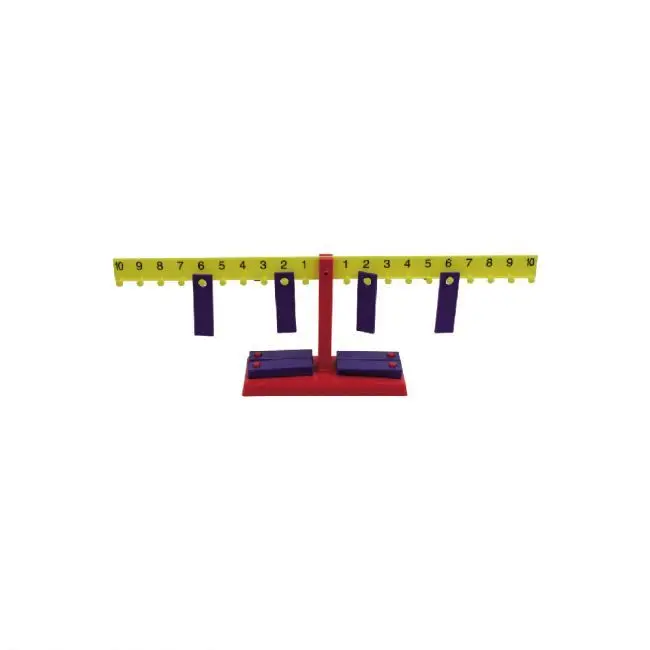
The selection process for measurement instruments requires careful consideration of material quality, graduated markings, and pedagogical applications. Teachers and administrators must evaluate various factors including measurement precision, visual clarity, and long-term durability when choosing appropriate tools for their classrooms. Understanding these requirements helps ensure that students receive consistent, accurate instruction while developing foundational skills that support advanced mathematical and scientific concepts.
Essential Features of Quality Measurement Tools
Material Construction and Durability Standards
Premium educational measurement tools utilize high-grade materials that withstand frequent classroom use while maintaining dimensional stability. The student simple ruler scale construction typically employs reinforced plastics or composite materials that resist warping, cracking, and wear patterns common in educational environments. These materials ensure consistent measurements over extended periods, providing reliable reference standards for student activities and demonstrations.
Quality construction extends beyond base materials to include graduated marking systems that resist fading, scratching, or wearing away through repeated handling. Professional-grade instruments feature laser-etched or molded graduations that maintain clarity and accuracy throughout the product lifecycle. This durability becomes particularly important when instruments undergo daily use across multiple classroom sessions and student interactions.
Precision and Accuracy Requirements
Educational measurement standards demand specific tolerance levels that support curriculum objectives while providing students with reliable measurement experiences. The student simple ruler scale must maintain precision within acceptable educational tolerances, typically ranging from 0.5mm to 1.0mm depending on grade level and application requirements. This precision level supports fundamental measurement concepts while accommodating the motor skills and visual acuity of student users.
Calibration consistency across production batches ensures that multiple instruments within a classroom provide identical measurement references, eliminating confusion and supporting collaborative learning activities. Quality manufacturers implement rigorous testing protocols that verify dimensional accuracy and marking placement precision before instruments reach educational markets.
Pedagogical Applications in Science Education
Physics and Engineering Measurements
Physics instruction relies heavily on precise linear measurements for experiments involving motion, force, and dimensional analysis. The student simple ruler scale serves as the foundation for teaching measurement concepts, unit conversions, and experimental data collection techniques. Students develop critical skills in reading graduated scales, estimating between markings, and understanding measurement uncertainty through hands-on activities with these fundamental tools.
Engineering and technology education programs utilize measurement tools to introduce concepts of precision, tolerance, and quality control. Students learn to apply measurement skills in practical contexts, developing understanding of how dimensional accuracy affects product functionality and manufacturing processes. These experiences provide essential preparation for advanced STEM coursework and career pathways.
Biological and Environmental Science Applications
Life science education incorporates measurement activities that help students understand organism characteristics, growth patterns, and environmental variables. The student simple ruler scale enables accurate recording of specimen dimensions, leaf measurements, and habitat assessment data. These activities connect mathematical skills with scientific observation, reinforcing the interdisciplinary nature of scientific inquiry.
Field studies and environmental monitoring projects depend on reliable measurement tools for data collection and analysis. Students develop proficiency in systematic data gathering while building understanding of scientific methodology and statistical analysis. Quality measurement instruments support these learning objectives by providing consistent, reliable data that students can confidently analyze and interpret.
Mathematics Curriculum Integration
Geometry and Spatial Reasoning Development
Mathematics education leverages measurement tools to develop geometric understanding and spatial reasoning abilities. The student simple ruler scale supports instruction in linear measurement, perimeter calculation, and scale drawing activities that reinforce geometric concepts. Students gain hands-on experience with mathematical relationships while developing practical measurement skills.
Advanced geometric concepts including similarity, proportion, and coordinate systems build upon fundamental measurement experiences provided through quality instruments. Students develop visual-spatial intelligence while learning to apply mathematical principles to real-world situations and problem-solving contexts.
Data Analysis and Statistical Applications
Statistical education incorporates measurement activities that generate authentic datasets for analysis and interpretation. The student simple ruler scale enables students to collect measurement data for statistical projects, developing understanding of data distribution, central tendency, and variability concepts. These activities connect abstract statistical concepts with concrete measurement experiences.
Quality measurement tools support advanced statistical concepts including sampling methods, measurement error analysis, and confidence intervals. Students learn to evaluate measurement reliability while developing critical thinking skills related to data quality and interpretation accuracy.
Selection Criteria for Educational Institutions
Age-Appropriate Design Considerations
Educational measurement tools must accommodate the developmental needs and physical capabilities of target student populations. Elementary applications require larger graduations and simplified marking systems that support beginning measurement concepts, while advanced programs demand finer precision and more sophisticated features. The student simple ruler scale design should reflect appropriate complexity levels for intended users.
Ergonomic considerations including handle design, weight distribution, and visual contrast affect student success and engagement with measurement activities. Quality instruments balance precision requirements with usability factors that support effective learning experiences across diverse student populations.
Maintenance and Longevity Factors
Educational budgets require measurement tools that provide excellent long-term value through extended service life and minimal maintenance requirements. The student simple ruler scale construction should withstand typical classroom conditions including temperature variations, humidity changes, and frequent handling by multiple users. Durable construction reduces replacement costs while ensuring consistent measurement standards over time.
Cleaning and sanitization requirements have become increasingly important in educational environments, necessitating materials and finishes that support routine disinfection protocols without degrading measurement accuracy or visual clarity. Quality instruments accommodate these operational requirements while maintaining dimensional stability and marking integrity.
Technology Integration and Modern Applications
Digital Measurement Systems and Traditional Tools
Contemporary education environments integrate digital measurement technologies with traditional instruments to provide comprehensive learning experiences. The student simple ruler scale remains essential for developing fundamental measurement concepts while digital tools extend capabilities for advanced applications and data analysis. This hybrid approach ensures students develop both foundational skills and technological proficiency.
Quality traditional instruments provide tactile learning experiences that digital alternatives cannot replicate, supporting kinesthetic learners and reinforcing spatial understanding through physical interaction. The combination of traditional and digital tools creates rich learning environments that accommodate diverse learning styles and preferences.
Innovation in Educational Measurement Tools
Emerging technologies continue to enhance traditional measurement instruments through improved materials, manufacturing processes, and design innovations. Modern student simple ruler scale products incorporate advanced polymers, precision manufacturing techniques, and enhanced marking systems that provide superior performance compared to previous generations.
Research-based design improvements focus on optimizing visual clarity, measurement accuracy, and user ergonomics to support effective learning outcomes. These innovations maintain the fundamental utility of traditional measurement tools while incorporating modern materials science and manufacturing capabilities.
Quality Assurance and Standards Compliance
Educational Standards and Certification Requirements
Professional educational measurement tools must comply with established standards that ensure consistency, accuracy, and safety across different manufacturers and product lines. The student simple ruler scale production follows specific guidelines that govern dimensional accuracy, material safety, and performance characteristics. These standards provide confidence for educators and administrators investing in measurement instrument programs.
International and national educational standards organizations establish criteria that support effective measurement instruction while ensuring student safety and educational effectiveness. Compliance with these standards demonstrates manufacturer commitment to educational excellence and product quality.
Testing and Validation Processes
Rigorous testing protocols verify that measurement instruments meet specified accuracy and durability requirements before reaching educational markets. The student simple ruler scale undergoes dimensional verification, stress testing, and environmental conditioning to ensure consistent performance across varied operating conditions. These testing procedures provide assurance that instruments will perform reliably in educational applications.
Ongoing quality monitoring throughout production cycles maintains consistency and identifies potential issues before products reach end users. Quality management systems ensure that each instrument meets established specifications while supporting continuous improvement initiatives.
Implementation Strategies for Educational Programs
Curriculum Alignment and Learning Objectives
Successful measurement instrument programs align tool selection with specific curriculum objectives and learning outcomes across multiple subject areas. The student simple ruler scale integration should support established educational goals while providing flexibility for creative instructional applications. Effective implementation requires coordination between subject area teachers to maximize instrument utilization and educational impact.
Professional development opportunities help educators understand optimal measurement tool applications while developing instructional strategies that leverage instrument capabilities. Training programs ensure that teachers can effectively integrate measurement activities into existing curriculum frameworks while meeting educational standards and assessment requirements.
Budget Planning and Resource Management
Educational measurement instrument programs require strategic planning that balances quality requirements with budget constraints and replacement scheduling. The student simple ruler scale investment should consider total cost of ownership including initial purchase, maintenance requirements, and expected service life. Long-term planning helps institutions maintain adequate instrument inventories while controlling costs.
Bulk purchasing strategies and vendor relationships can provide cost advantages while ensuring consistent product quality and availability. Effective procurement processes consider educational calendar requirements, delivery schedules, and inventory management needs to support uninterrupted instructional programs.
FAQ
What accuracy level should be expected from educational measurement tools
Educational measurement instruments typically maintain accuracy within 0.5mm to 1.0mm tolerances, depending on grade level and application requirements. The student simple ruler scale precision supports curriculum objectives while accommodating student developmental levels and motor skills. Quality instruments provide consistent measurements across multiple users and extended service periods.
How do material choices affect instrument durability and performance
High-grade polymers and composite materials offer superior durability compared to traditional materials while maintaining dimensional stability over time. The student simple ruler scale construction affects resistance to warping, marking clarity retention, and overall service life in educational environments. Quality materials support extended use while minimizing replacement costs and maintenance requirements.
What features distinguish professional educational instruments from consumer products
Professional educational measurement tools incorporate precision manufacturing, rigorous testing, and educational standards compliance that exceed consumer product requirements. The student simple ruler scale designed for educational use features enhanced durability, accuracy verification, and material safety certifications appropriate for institutional applications. These quality differences justify educational pricing while ensuring reliable performance.
How should measurement instruments be integrated across multiple subject areas
Effective integration requires coordination between science, mathematics, and technology educators to develop complementary activities that reinforce measurement concepts across disciplines. The student simple ruler scale applications should align with curriculum standards while providing authentic learning experiences that connect theoretical concepts with practical applications. Cross-curricular planning maximizes instrument utilization and educational impact.
Table of Contents
- Essential Features of Quality Measurement Tools
- Pedagogical Applications in Science Education
- Mathematics Curriculum Integration
- Selection Criteria for Educational Institutions
- Technology Integration and Modern Applications
- Quality Assurance and Standards Compliance
- Implementation Strategies for Educational Programs
-
FAQ
- What accuracy level should be expected from educational measurement tools
- How do material choices affect instrument durability and performance
- What features distinguish professional educational instruments from consumer products
- How should measurement instruments be integrated across multiple subject areas