
 EN
EN
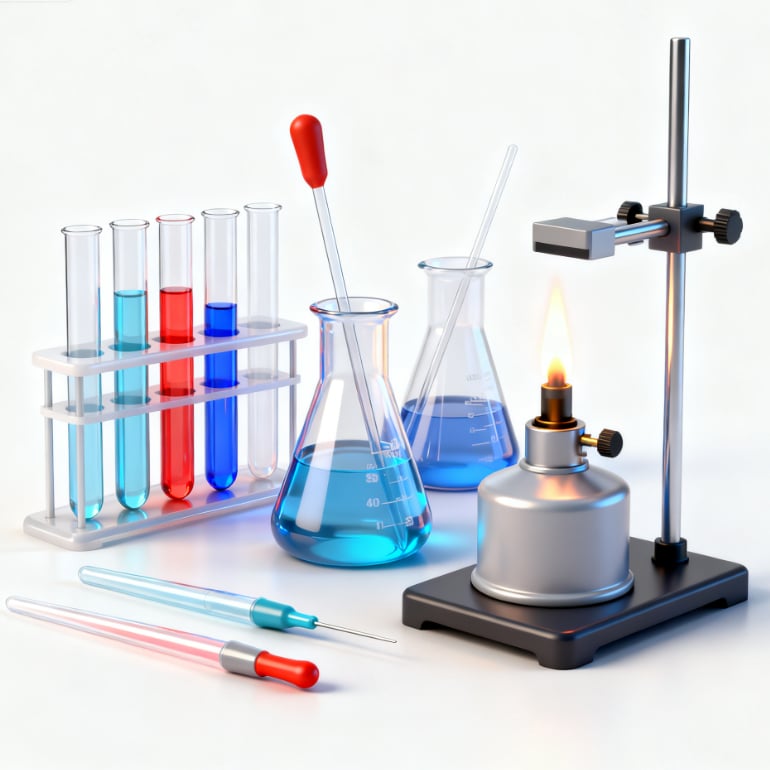
In modern education, the tools used inside a classroom shape the quality of learning far more than most curricula acknowledge. Science teaching instruments are not accessories to a lesson plan — they are the foundation of it. When students can observe, measure, and test physical principles with purpose-built tools, abstract theory becomes tangible knowledge. The right science teaching instruments transform passive listeners into active experimenters, and that shift defines genuine scientific literacy.
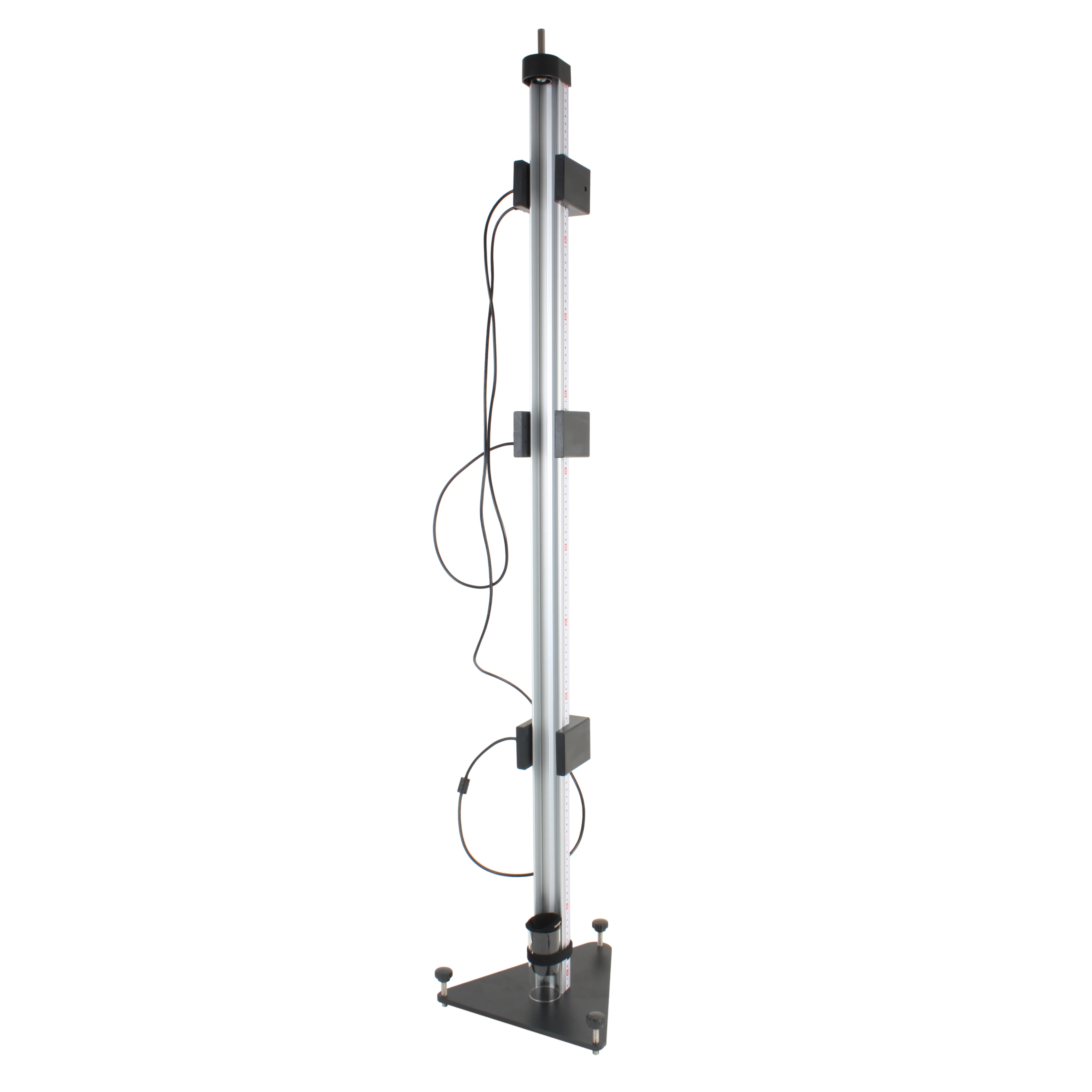
This guide focuses on specialized science teaching instruments — the category that goes beyond basic lab kits and generic demonstration sets. Specialized science teaching instruments are engineered to address specific physics, chemistry, or mechanics concepts with measurable precision. Whether your institution is evaluating free fall apparatus, impact testing devices, or motion analysis tools, understanding what separates general-purpose equipment from truly specialized science teaching instruments will help procurement teams and educators make better decisions for long-term instructional value.
What Defines Specialized Science Teaching Instruments
Design Precision Aligned to Curriculum Goals
Specialized science teaching instruments are defined first by their design intent. Unlike multipurpose lab tools, these instruments are built to demonstrate or measure a very specific physical phenomenon with minimal ambiguity. A free fall instrument, for example, is a category of science teaching instruments designed to let students observe gravitational acceleration directly, record time-distance data, and validate Newton's laws through hands-on measurement. The precision built into these science teaching instruments eliminates variables that would otherwise distort learning outcomes. When an instrument is designed around a single concept, it communicates that concept more clearly and more reliably than any improvised alternative.
Precision in science teaching instruments also means repeatable results. Students conducting the same experiment across multiple sessions must encounter consistent outcomes so that discrepancies reflect genuine experimental error rather than instrument inconsistency. Specialized science teaching instruments are manufactured to tight tolerances precisely because educational credibility depends on reproducibility. Schools and universities investing in science teaching instruments should always evaluate the repeatability of results as a primary specification.
Safety and Usability Standards for Educational Environments
Science teaching instruments used in school laboratories must meet safety standards that industrial instruments are not always subject to. Specialized science teaching instruments designed for classrooms incorporate protective housings, controlled release mechanisms, and clear operating guides that make them accessible to students at various competency levels. Impact dropping test apparatus, one of the more dynamic categories of science teaching instruments, typically features controlled drop heights and energy-absorbing components to ensure safe operation without sacrificing the quality of experimental data. Choosing science teaching instruments that balance safety with scientific validity is a critical step in equipping any teaching lab.
Key Categories of Science Teaching Instruments for Physics
Free Fall and Gravitational Motion Instruments
Free fall instruments represent one of the most foundational categories of science teaching instruments available for physics education. These science teaching instruments allow students to study the relationship between gravitational force, time, and distance in a controlled environment. By releasing objects from measurable heights and recording fall data, students can derive acceleration due to gravity empirically rather than simply accepting it as a textbook value. High-quality science teaching instruments in this category include precision timers, calibrated drop guides, and recording systems that capture data at millisecond resolution. When these science teaching instruments are paired with structured observation worksheets, they support inquiry-based learning at its most effective.
Impact dropping test apparatus extends the scope of free fall science teaching instruments by introducing energy transfer as a measurable variable. These science teaching instruments allow students to explore kinetic energy, impact force, and material response in a single experimental setup. The combination of gravitational mechanics and impact analysis makes this category of science teaching instruments particularly valuable for advanced secondary and introductory university physics programs. Procurement decisions for these science teaching instruments should weigh the range of configurable drop heights, the quality of the measurement interface, and the durability of the testing surface.
Motion Analysis and Mechanical Testing Instruments
Beyond free fall apparatus, a well-equipped physics laboratory will include science teaching instruments designed for broader motion analysis. These science teaching instruments cover concepts such as projectile motion, oscillation, friction, and inclined plane dynamics. Each of these science teaching instruments is built to isolate a specific mechanical principle so that students can build understanding systematically rather than encountering multiple interacting variables at once. The modular design common among quality science teaching instruments also allows educators to combine components and design more advanced experiments as student competency increases. Science teaching instruments with this level of flexibility offer significant long-term value to institutions managing diverse curriculum needs.
How to Evaluate Science Teaching Instruments for Your Institution
Matching Instruments to Learning Objectives
The most important criterion when selecting science teaching instruments is alignment between the instrument's function and the specific learning objective it is meant to support. Science teaching instruments that are visually impressive but conceptually ambiguous often generate confusion rather than clarity. Educators and procurement officers should begin by identifying the exact physics or science concept that needs demonstration, then evaluate which science teaching instruments have been specifically engineered to address that concept. Free fall instruments, for instance, are science teaching instruments best matched to kinematics and dynamics units, not general energy studies. That level of specificity in science teaching instruments selection leads to better experimental outcomes and stronger student comprehension.
Durability, Maintenance, and Long-Term Cost
Science teaching instruments represent a capital investment that must sustain frequent, sometimes rough, student use over many academic years. When evaluating science teaching instruments, institutions should assess the quality of materials used in key mechanical components, the availability of replacement parts, and whether the supplier provides clear maintenance documentation. Science teaching instruments built from robust materials with straightforward calibration procedures significantly reduce the total cost of ownership. The best science teaching instruments are those that continue delivering accurate results year after year without requiring specialized technicians for routine upkeep.
FAQ
What makes free fall instruments different from other science teaching instruments?
Free fall instruments are a subset of science teaching instruments specifically designed to measure gravitational acceleration and time-distance relationships during unimpeded vertical motion. Unlike general science teaching instruments, they are calibrated to minimize air resistance variables and provide millisecond-level timing accuracy, making them highly specialized for kinematics instruction.
How many science teaching instruments does a standard physics lab need?
A standard physics teaching lab typically requires science teaching instruments covering at minimum five to seven core concept areas, including motion, forces, energy, optics, and electricity. The exact number of science teaching instruments depends on class size, curriculum depth, and available budget, but prioritizing precision science teaching instruments for foundational mechanics concepts is always recommended first.
Are impact dropping test apparatus considered advanced science teaching instruments?
Impact dropping test apparatus are considered intermediate to advanced science teaching instruments suitable for upper secondary and introductory university programs. These science teaching instruments require students to apply both kinematics and energy principles simultaneously, making them more demanding than basic free fall science teaching instruments but highly effective for deepening applied physics understanding.