
 EN
EN

Selecting the right teaching instruments for physics and chemistry is one of the most consequential procurement decisions a school or training institution can make. Teaching instruments that are inaccurate, poorly constructed, or inadequately safety-tested can distort student understanding and create genuine hazards in the laboratory environment. Sourcing teams, lab coordinators, and academic purchasing managers must apply structured evaluation criteria to ensure that every set of teaching instruments entering a classroom meets both pedagogical and safety standards.
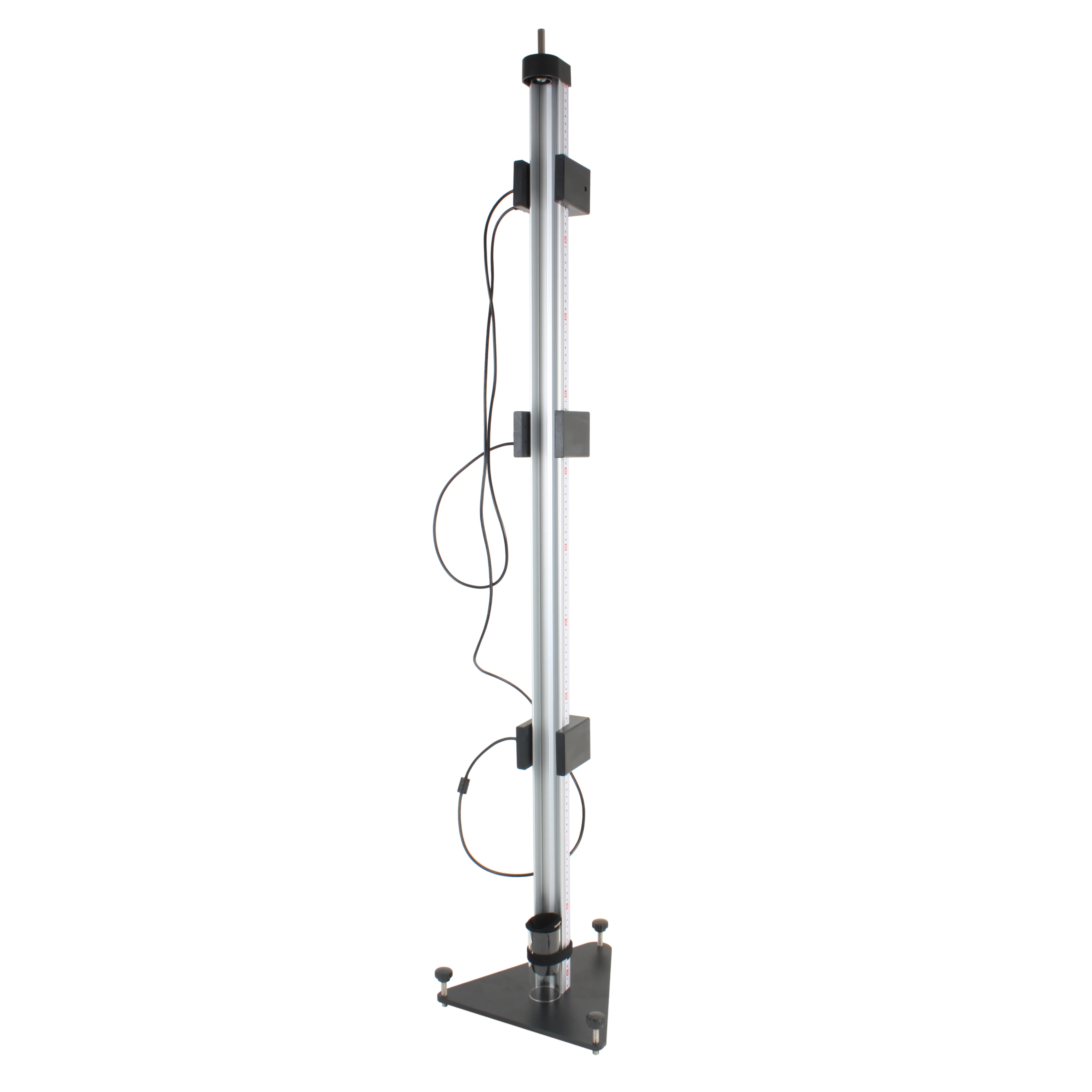
The global market for teaching instruments is broad and varied, ranging from simple measurement devices to complex apparatus designed to demonstrate principles of free fall, impact dynamics, thermodynamics, and chemical reaction behavior. With so many teaching instruments available across different price tiers and manufacturing standards, distinguishing reliable products from substandard ones requires deliberate and informed sourcing practice. This article outlines a practical framework for identifying, evaluating, and procuring teaching instruments that are both accurate and safe for active classroom and laboratory use.
Understanding What Makes Teaching Instruments Accurate
Precision and Calibration Standards
Accuracy is the foundational requirement for any set of teaching instruments used in physics or chemistry instruction. Teaching instruments that deliver inconsistent or incorrect readings undermine the entire purpose of hands-on scientific education. When students observe incorrect results due to faulty teaching instruments, they may form flawed conceptual models that persist throughout their academic development. Precision in teaching instruments means that repeated measurements under identical conditions produce consistent results, while calibration ensures those results align with accepted international standards.
Before approving any teaching instruments for procurement, sourcing professionals should request documentation of calibration procedures. Quality teaching instruments are typically calibrated against national or international measurement standards and come with traceable calibration certificates. For physics teaching instruments such as free-fall apparatus or impact drop test devices, timing accuracy and distance measurement tolerance are critical specifications. Chemistry teaching instruments, including volumetric glassware and analytical balances, must conform to tolerance grades defined by recognized standards bodies.
Material Quality and Construction of Teaching Instruments
The physical construction of teaching instruments directly affects both their accuracy and their longevity. Teaching instruments made from low-grade materials are prone to dimensional instability, which degrades measurement precision over time. For physics teaching instruments involving mechanical movement, such as pendulum systems or dropping apparatus, the rigidity and dimensional accuracy of structural components must be consistent across every unit. Chemistry teaching instruments must be constructed from chemically resistant materials to prevent contamination, corrosion, and physical degradation during normal use.
Sourcing teams should request material composition data for all critical components of the teaching instruments under evaluation. Reputable manufacturers of teaching instruments will readily supply material safety data sheets and component specifications. Evaluating the quality of seals, joints, fasteners, and measurement scales on teaching instruments at the sample review stage can prevent costly quality failures once a full order is deployed across multiple classrooms.
Evaluating Safety in Teaching Instruments for Lab Environments
Compliance With Safety Certifications
Safety is non-negotiable when sourcing teaching instruments intended for use by students, particularly in physics and chemistry environments where mechanical energy, electrical components, or chemical reagents may be involved. Teaching instruments should carry verifiable safety certifications relevant to the target market, such as CE marking for European institutions or equivalent national certifications for other regions. These certifications indicate that the teaching instruments have been tested against established safety requirements for educational use.
When evaluating safety documentation for teaching instruments, procurement teams should verify the authenticity of certificates rather than accepting copies at face value. Legitimate safety-certified teaching instruments will have traceable certification numbers that can be checked with the issuing body. Teaching instruments used in impact or dropping experiments carry additional mechanical hazard considerations, meaning structural integrity testing and maximum load ratings should be explicitly documented by the supplier.
Ergonomics and Age-Appropriate Design of Teaching Instruments
Safe teaching instruments are not only those that pass electrical or mechanical safety tests. They are also designed with the end user in mind. Teaching instruments intended for secondary school students must have ergonomic features appropriate for that age group, including comfortable grips, clearly legible scales, and intuitive operation sequences. Teaching instruments with overly complex assembly requirements or fragile exposed components increase the risk of misuse and injury in active classroom settings.
Suppliers of quality teaching instruments typically provide detailed instructional materials, including setup guides, operational manuals, and safety precautions specific to each product. When assessing teaching instruments from a new supplier, requesting sample units and conducting a structured hands-on evaluation with lab staff is a best practice. This approach allows procurement teams to verify that the teaching instruments perform as specified and that safety features function correctly under realistic conditions.
Practical Sourcing Strategies for Teaching Instruments
Supplier Qualification and Audit Processes
Sourcing reliable teaching instruments begins with qualifying the right suppliers. Established manufacturers of teaching instruments will maintain quality management systems aligned with standards such as ISO 9001. Requesting audit reports, factory inspection records, and third-party quality assessments allows procurement teams to evaluate whether a supplier's production environment is capable of consistently delivering teaching instruments to the required specification. Supplier qualification for teaching instruments should also include an assessment of after-sales support, warranty terms, and availability of replacement parts.
Sample Evaluation and Performance Testing
No sourcing process for teaching instruments is complete without hands-on sample evaluation. Teaching instruments should be tested under conditions that replicate actual classroom use, including repeated operation cycles, load testing for mechanical teaching instruments, and chemical compatibility checks for laboratory glassware and reagent-handling teaching instruments. Performance data gathered during sample evaluation should be compared against the supplier's stated specifications to identify any gaps before committing to a full purchase order.
For specialized teaching instruments such as free-fall experiment apparatus or impact drop test devices, functional testing should include verification of timing accuracy, repeatability of results, and structural durability under the maximum intended load. Documenting the evaluation results for each batch of teaching instruments creates a quality baseline that supports future procurement decisions and supplier performance reviews.
FAQ
What certifications should teaching instruments carry for school use?
Teaching instruments used in schools should carry safety certifications appropriate to the target region, such as CE marking in Europe. Quality teaching instruments for physics and chemistry labs should also include calibration certificates and, where applicable, material safety documentation to verify compliance with educational safety standards.
How can I verify the accuracy of teaching instruments before purchasing?
Request calibration certificates and sample units before finalizing any order for teaching instruments. Evaluate the teaching instruments against known reference standards under realistic operating conditions. For physics teaching instruments, test repeatability and timing precision. For chemistry teaching instruments, verify volumetric or mass measurement tolerances against accepted grades.
What is the best way to assess a new supplier of teaching instruments?
Assess new suppliers of teaching instruments by reviewing their quality management certifications, requesting factory audit reports, and ordering sample units for hands-on evaluation. Reliable suppliers of teaching instruments will provide transparent documentation, responsive technical support, and clearly defined warranty and replacement part policies to support long-term procurement relationships.