
 EN
EN

Designing an efficient and compliant school lab requires strategic planning that balances educational objectives, safety regulations, and operational workflow. The success of any school laboratory hinges on how thoughtfully the physical space accommodates equipment, student movement, and pedagogical activities. A well-executed school lab equipment layout not only enhances learning outcomes but also minimizes safety risks, optimizes resource utilization, and ensures regulatory compliance across diverse scientific disciplines. Whether establishing a new facility or renovating an existing space, understanding the fundamental principles of laboratory design empowers educators and administrators to create environments where scientific inquiry thrives within a framework of safety and efficiency.
The process of planning a school lab equipment layout demands comprehensive consideration of multiple interdependent factors including curriculum requirements, student capacity, equipment specifications, utility infrastructure, safety codes, accessibility standards, and future scalability. Unlike commercial or research laboratories, educational facilities must accommodate varying skill levels, frequent equipment turnover, and diverse teaching methodologies while maintaining stringent safety protocols suitable for younger users. This guide explores the systematic approach to designing laboratory spaces that fulfill educational mandates while adhering to compliance standards, providing practical frameworks for equipment placement, circulation planning, and functional zoning that transform theoretical spaces into dynamic learning environments.
Understanding Regulatory Frameworks and Safety Standards
Identifying Applicable Building and Safety Codes
Before initiating any school lab equipment layout design, educational institutions must identify and understand the complete regulatory landscape governing laboratory construction and operation. These regulations typically span multiple jurisdictions including national building codes, state educational facility standards, local fire safety ordinances, and specialized laboratory safety guidelines established by organizations such as the National Fire Protection Association and the American Chemical Society. Each regulatory framework imposes specific requirements regarding ventilation rates, emergency egress pathways, fire suppression systems, chemical storage protocols, and equipment clearances that directly impact spatial planning decisions. Compliance documentation should be compiled during the preliminary design phase to establish non-negotiable constraints that inform all subsequent layout decisions.
The interpretation of these codes requires collaboration between architects, laboratory consultants, and safety officers who can translate regulatory language into practical design parameters. For instance, prescriptive codes may mandate minimum aisle widths between laboratory benches, specific distances between fume hood locations and egress doors, or particular specifications for electrical panel accessibility. Understanding these requirements early prevents costly redesigns during construction and ensures that the school lab equipment layout achieves certification upon completion. Many jurisdictions also require plan reviews by fire marshals and building inspectors at multiple project stages, necessitating documentation that demonstrates code compliance through annotated drawings, equipment specifications, and calculated occupancy loads.
Implementing Age-Appropriate Safety Measures
School laboratories present unique safety challenges because users span wide age ranges with dramatically different physical capabilities, cognitive development levels, and risk assessment skills. The school lab equipment layout must therefore incorporate age-specific safety features that exceed standard laboratory requirements. For elementary and middle school facilities, this includes lower bench heights for ergonomic access, lockable chemical storage cabinets with restricted access controls, shielded electrical outlets positioned away from water sources, and emergency equipment scaled to student physiology such as appropriately sized eyewash stations and accessible emergency showers. Secondary school laboratories, while accommodating more advanced experimentation, still require safety features that account for incomplete supervision ratios and the potential for inexperienced judgment.
Safety integration within the layout extends beyond equipment placement to encompass visual supervision capabilities, emergency response pathways, and hazard isolation strategies. Teacher workstations should command sight lines across the entire laboratory space, enabling continuous monitoring during active experiments. Hazardous equipment such as centrifuges, autoclaves, or high-temperature devices should occupy dedicated zones with supplementary safety signage and physical barriers that prevent casual access. The school lab equipment layout should also designate clear emergency egress routes marked with contrasting floor treatments and unobstructed by movable furniture, ensuring that students can evacuate quickly during fire alarms, chemical spills, or other urgent situations. Regular safety audits of the implemented layout help identify emerging risks as curriculum and equipment evolve over time.
Establishing Functional Zones and Workflow Patterns
Defining Activity-Based Spatial Zones
Efficient school lab equipment layout begins with conceptual zoning that segregates the laboratory into distinct functional areas aligned with pedagogical activities and safety requirements. Typical zones include wet laboratory areas equipped with sinks and water-intensive apparatus, dry laboratory areas for instrumentation and electronics work, preparation and storage areas for reagent management, demonstration areas for instructor-led activities, and collaborative areas for group discussion and data analysis. Each zone should be dimensioned according to anticipated occupancy, equipment footprint, and circulation requirements, with clear boundaries established through flooring materials, ceiling treatments, or low partition walls that maintain visual connectivity while defining functional territories.
The spatial relationship between zones dramatically affects operational efficiency and safety outcomes. Wet laboratory areas should occupy perimeter locations with direct access to plumbing chases and exterior walls that simplify ventilation ductwork routing. Preparation rooms should adjoin teaching laboratories through pass-through windows or dual-access cabinets that enable material distribution without requiring instructors to navigate through student work areas. Chemical storage must be segregated from high-traffic circulation paths yet remain accessible for inventory management and emergency response, often achieved through dedicated storage rooms with fire-rated separations and spill containment thresholds. The school lab equipment layout should document these zonal relationships through color-coded floor plans that communicate functional intent to all stakeholders including administrators, teachers, maintenance staff, and safety inspectors.
Optimizing Student Circulation and Workstation Access
Student movement patterns within the laboratory directly influence both safety and instructional effectiveness, making circulation planning a critical component of school lab equipment layout design. Primary circulation aisles should maintain minimum widths of 1.5 to 2 meters to accommodate simultaneous two-directional traffic and emergency equipment deployment, while secondary aisles between workstations require at least 1.2 meters for comfortable access when students are seated or standing at benches. Circulation pathways must remain free of equipment protrusions, utility connections, and temporary storage that could create tripping hazards or obstruct emergency egress. Corner conditions require particular attention to prevent collisions when students carry glassware or transport materials between workstations.
Workstation arrangement significantly impacts the school lab equipment layout efficiency and should reflect the dominant teaching methodology employed in the space. Traditional row configurations with front-facing benches facilitate demonstration-based instruction but limit peer collaboration and instructor access to individual students. Peninsula or island bench arrangements enable circulating instruction where teachers can observe and assist from multiple angles while promoting group interaction, though they consume more floor area and complicate utility distribution. Perimeter bench layouts maximize central floor space for flexible activities but may reduce the total number of workstations achievable within a given room size. Hybrid configurations that combine fixed perimeter benches with movable central tables offer adaptability for diverse lesson formats, provided that utility connections and equipment storage accommodate reconfiguration without compromising safety or functionality.
Selecting and Positioning Laboratory Equipment
Matching Equipment Specifications to Curriculum Needs
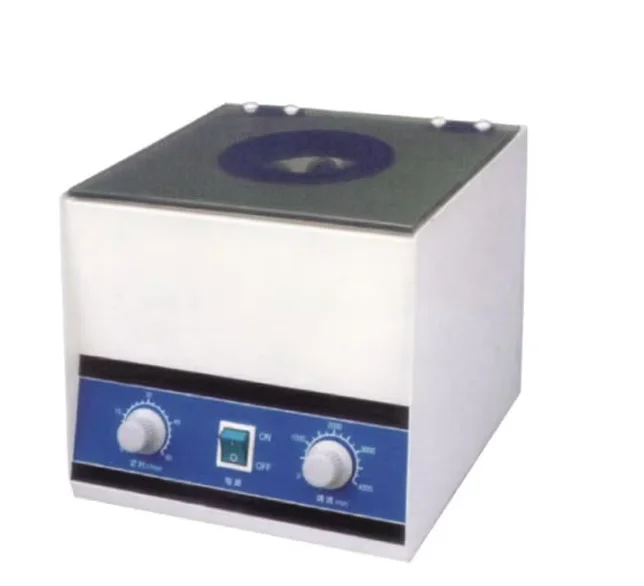
The foundation of effective school lab equipment layout lies in selecting apparatus that directly supports curriculum learning objectives while fitting within spatial, budgetary, and maintenance constraints. Equipment inventories should be developed collaboratively between science department chairs, individual instructors, and curriculum specialists who understand progression across grade levels and alignment with educational standards. Core equipment categories typically include basic glassware and consumables, measurement instruments such as balances and pH meters, heating and cooling apparatus, specialized devices like microscopes and spectrophotometers, and safety equipment including school lab equipment layout essentials such as centrifuges for biological preparations. Each category demands specific spatial provisions, utility connections, and storage solutions that must be incorporated into the overall layout strategy.
Equipment selection should prioritize durability, ease of maintenance, and instructional versatility over cutting-edge capabilities that exceed student comprehension levels or impose excessive operational complexity. Educational-grade equipment often features enhanced safety mechanisms, simplified interfaces, and robust construction suitable for frequent use by inexperienced operators, though performance specifications may be more modest than research-grade alternatives. The school lab equipment layout must accommodate not only active equipment installations but also storage for backup units, seasonal apparatus, and consumable supplies, requiring dedicated cabinetry with appropriate environmental controls. Inventory documentation including dimensional drawings, utility requirements, and maintenance schedules should inform spatial allocations and ensure that the layout can adapt as curriculum evolves and equipment is replaced over the facility's operational lifespan.
Integrating Utility Infrastructure and Service Distribution
Utility infrastructure represents one of the most complex and costly aspects of school lab equipment layout, demanding early coordination between designers, engineers, and equipment vendors to ensure adequate capacity and appropriate distribution. Electrical systems must deliver sufficient power for all installed equipment while incorporating ground fault circuit interrupters, isolated ground circuits for sensitive instrumentation, and emergency power connections for critical safety equipment such as ventilation controls and emergency lighting. Service panels should be located outside the main laboratory space to prevent student access while maintaining convenient reach for authorized maintenance personnel. Circuit layouts should anticipate future equipment additions by providing spare capacity and strategically positioned conduit pathways that enable modifications without major demolition.
Plumbing and drainage systems require thoughtful integration within the school lab equipment layout to support wet laboratory functions while preventing water damage and facilitating maintenance access. Water supply lines should be routed through accessible chases with shutoff valves located at regular intervals, enabling isolation of individual bench sections during repairs without disrupting the entire facility. Drainage systems must accommodate chemical-resistant piping materials, appropriate trap configurations to prevent sewer gas infiltration, and adequate slope to prevent standing water that could harbor bacterial growth. Specialized utility systems such as compressed air, vacuum, and gas distribution should be considered based on curriculum requirements, with centralized compressor installations preferred over individual bench-mounted units to reduce noise and simplify maintenance. All utility penetrations through laboratory surfaces should be sealed to maintain sanitation and pest control while providing removable access panels that enable future modifications as the school lab equipment layout evolves.
Designing Storage and Preparation Areas
Organizing Chemical Storage and Inventory Management
Proper chemical storage integration within the school lab equipment layout is essential for maintaining safety, regulatory compliance, and operational efficiency. Storage systems must segregate incompatible chemical classes according to National Fire Protection Association guidelines, separating oxidizers from flammable materials, acids from bases, and water-reactive substances from aqueous solutions. Dedicated chemical storage rooms should feature fire-rated construction, continuous mechanical ventilation with separate exhaust systems, spill containment flooring with sealed joints, and environmental monitoring for temperature and humidity conditions. Within these spaces, adjustable shelving constructed from corrosion-resistant materials should be anchored to structural walls with anti-tip brackets and lip guards that prevent container displacement during seismic events.
Storage capacity calculations should account for complete annual curriculum needs plus reasonable surplus for vendor ordering efficiencies and supply continuity, while avoiding excessive stockpiling that increases hazard exposure and complicates inventory rotation. The school lab equipment layout should position chemical storage adjacent to preparation areas to minimize transport distances and handling frequency, reducing spill risks and instructor workload. Inventory management systems employing barcode tracking or radio-frequency identification enable precise monitoring of chemical quantities, expiration dates, and usage patterns, supporting both safety protocols and budget optimization. Lockable storage cabinets should be specified for controlled substances and particularly hazardous materials, with access restricted through key control systems or electronic credentials that create audit trails documenting who accessed specific materials and when.
Configuring Preparation and Equipment Maintenance Spaces
Preparation areas serve as operational hubs where instructors assemble experiment materials, prepare reagents, calibrate equipment, and perform routine maintenance tasks that cannot be conducted within the active teaching laboratory. These spaces should be integrated into the school lab equipment layout with direct access to both storage areas and teaching laboratories, ideally through pass-through windows or Dutch doors that enable material transfer without full room entry. Preparation areas require more intensive utility provisions than standard laboratories, including multiple sinks with hot water supply, abundant electrical outlets on dedicated circuits, and generous counter space for simultaneous preparation of multiple class sections. Ventilated areas within preparation rooms accommodate procedures that generate fumes or require containment, such as weighing volatile powders or mixing concentrated acids.
Equipment maintenance provisions within the school lab equipment layout should include dedicated bench space with tool storage, parts inventory systems, and access to technical documentation either through physical manuals or networked computers displaying digital resources. Calibration records and maintenance logs should be maintained for all instrumentation, with the layout facilitating this documentation through integrated workstations where technicians can simultaneously service equipment and update tracking systems. Some institutions designate centralized equipment maintenance workshops that service multiple laboratories, while others distribute maintenance capabilities across individual preparation rooms depending on facility scale and staffing models. Regardless of configuration, the layout must provide adequate clearances for moving large equipment items between storage, maintenance, and teaching areas, with doorways, corridors, and elevators dimensioned to accommodate the largest anticipated apparatus on wheeled carts or lifting equipment.
Incorporating Flexibility and Future Adaptability
Designing for Curriculum Evolution and Technology Integration
Educational priorities and instructional technologies evolve continuously, requiring school lab equipment layout designs that anticipate change rather than assuming static configurations throughout the facility's operational life. Flexible design strategies include specifying movable casework on locking casters rather than fixed installations, installing overhead utility distribution systems with multiple drop points rather than dedicated bench connections, and providing raised access flooring in instrumentation areas to simplify future technology upgrades. Electrical and data infrastructure should be oversized relative to current needs, with empty conduit pathways and junction boxes positioned to enable future connections without exposing existing installations or requiring extensive demolition.
The school lab equipment layout should also accommodate emerging pedagogical approaches such as project-based learning, interdisciplinary investigations, and maker-space activities that blur traditional boundaries between science disciplines. This flexibility might be achieved through modular furniture systems that reconfigure between traditional benches, collaborative tables, and open floor areas, or through architectural planning that creates immediately adjacent spaces with different functional characteristics that can be allocated between disciplines as enrollment and curriculum emphasis shift. Technology integration provisions should extend beyond traditional laboratory instrumentation to include digital presentation systems, student device charging infrastructure, and collaborative display technologies that enable real-time data sharing and remote participation, ensuring that the physical laboratory environment supports both hands-on experimentation and digital learning modalities.
Planning for Phased Implementation and Budget Constraints
Many educational institutions face budgetary limitations that prevent complete laboratory renovations occurring simultaneously, necessitating phased implementation strategies within the overall school lab equipment layout vision. Phasing plans should prioritize safety-critical upgrades such as ventilation improvements, emergency equipment installations, and code compliance modifications, followed by equipment replacements that enhance instructional capabilities and finally aesthetic improvements that affect user experience but not fundamental functionality. Each phase should be designed to operate independently while maintaining compatibility with future phases, avoiding interim configurations that would require demolition of recently completed work when subsequent phases are funded.
Effective phasing within the school lab equipment layout requires comprehensive master planning documentation that establishes ultimate design intent while defining logical incremental steps aligned with budget availability and academic scheduling constraints. Temporary provisions may be necessary to maintain laboratory operations during construction phases, including swing space arrangements where classes relocate to alternate facilities or portable laboratory modules supplement permanent spaces during renovations. Contingency allowances should be incorporated into phasing budgets to address unforeseen conditions such as concealed infrastructure deficiencies, hazardous material remediation requirements, or code changes that occur during multi-year implementation timelines. Communication protocols should engage all stakeholders throughout the phasing process, ensuring that teachers, students, administrators, and maintenance staff understand both temporary disruptions and ultimate benefits of the systematic laboratory improvement program.
FAQ
What is the recommended minimum size for a school laboratory serving 24 students?
A school laboratory serving 24 students typically requires between 100 and 120 square meters of usable floor area, depending on the scientific discipline and instructional methodology. This calculation assumes 4 to 5 square meters per student to accommodate workstations, circulation aisles, equipment installations, and teacher demonstration areas. Biology laboratories may require additional space for specimen storage and preparation areas, while physics laboratories might allocate more area for demonstration apparatus and collaborative spaces. The school lab equipment layout should prioritize adequate circulation over maximum workstation density to ensure safety and instructional effectiveness.
How often should school laboratory layouts be reviewed and updated?
School lab equipment layout should undergo comprehensive review every five to seven years to assess alignment with current curriculum standards, evolving safety regulations, and emerging instructional technologies. Annual minor assessments should address equipment condition, storage adequacy, and immediate safety concerns that can be corrected through limited interventions. Major renovations typically occur on fifteen to twenty year cycles when mechanical systems, casework, and finishes reach the end of their functional lifespan. However, significant curriculum changes, enrollment shifts, or regulatory updates may necessitate earlier layout modifications to maintain educational quality and compliance.
What are the most critical safety features in school laboratory design?
Critical safety features in school lab equipment layout include adequate emergency egress with unobstructed pathways to exits located within 15 meters of any laboratory position, properly functioning ventilation systems maintaining minimum air change rates and negative pressure relative to corridors, accessible eyewash stations and emergency showers positioned within 10 seconds travel time from chemical handling areas, fire suppression systems with appropriately rated extinguishers and sprinkler coverage, and comprehensive chemical storage with segregation of incompatible materials. Safety equipment should be clearly marked with high-visibility signage and incorporated into regular training protocols for all laboratory users.
How can schools balance equipment quality with budget limitations?
Schools can optimize school lab equipment layout value by prioritizing durable, educational-grade equipment that provides adequate performance for curriculum objectives rather than pursuing premium research-grade specifications beyond instructional requirements. Strategic approaches include purchasing core equipment that supports multiple disciplines rather than highly specialized single-purpose devices, establishing equipment sharing protocols between departments or grade levels, considering refurbished or surplus instrumentation from university or industrial sources with remaining useful life, and phasing acquisitions to distribute costs across multiple budget cycles. Maintenance planning and proper training reduce premature equipment failure and extend operational lifespan, providing better return on investment than initial purchase price optimization alone.