
 EN
EN
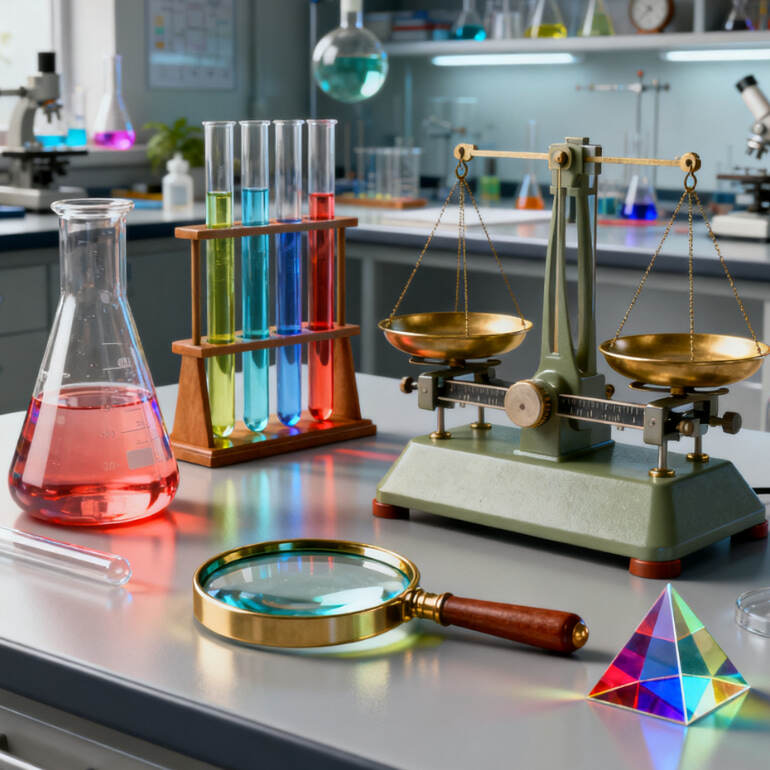
Modern educational institutions face critical decisions when designing science laboratories that serve distinct disciplinary needs. Understanding the fundamental differences between biology and chemistry school laboratory equipment enables administrators, educators, and procurement specialists to create learning environments that support accurate experimentation, student safety, and curriculum objectives. While both disciplines share certain foundational tools, the specialized nature of biological observation versus chemical manipulation requires distinctly different equipment configurations, safety protocols, and spatial arrangements that directly impact educational outcomes and long-term operational efficiency.
This comprehensive guide examines the essential distinctions between biology and chemistry laboratory equipment from a functional, safety, and pedagogical perspective. By clarifying which tools serve each discipline's unique investigative methods, educational institutions can optimize resource allocation, minimize cross-contamination risks, and ensure that students develop appropriate technical competencies for their chosen scientific pathway. The strategic selection of subject-specific school laboratory equipment forms the foundation for hands-on learning experiences that translate theoretical knowledge into practical scientific literacy, preparing students for advanced academic work and professional research environments.
Understanding the Fundamental Operational Differences Between Biology and Chemistry Laboratories
The Nature of Biological Investigation and Equipment Requirements
Biology laboratories center on the observation, cultivation, and analysis of living organisms and biological materials. This investigative focus demands school laboratory equipment designed for specimen preparation, microscopic examination, sterile technique maintenance, and environmental control. Biological work involves minimal chemical reactions but requires extensive optical magnification capabilities, temperature-regulated incubation systems, and contamination prevention protocols. The equipment must support activities ranging from cellular observation to dissection procedures, tissue staining, microorganism culture, and genetic material extraction.
The primary operational characteristic distinguishing biology laboratories is the emphasis on maintaining specimen viability and preventing cross-contamination between biological samples. School laboratory equipment in biology settings must facilitate sterile transfer techniques, provide appropriate growth conditions for cultures, and enable detailed morphological examination at various magnification levels. Unlike chemistry laboratories where substances undergo deliberate transformation, biology equipment preserves biological integrity while revealing structural and functional characteristics through non-destructive observation methods whenever possible.
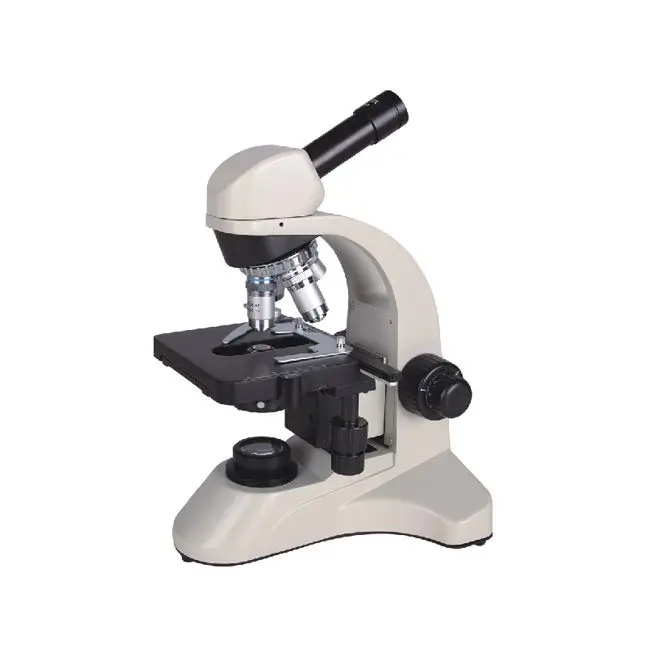
Modern biology education relies heavily on microscopy as the cornerstone investigative technique. Consequently, optical equipment represents the most critical category of school laboratory equipment for biological sciences. Students must develop proficiency in preparing slides, adjusting illumination systems, changing objective lenses, and interpreting magnified images. This skill set requires regular access to quality compound microscopes with multiple magnification levels, proper illumination systems, and mechanical stage controls that facilitate systematic specimen examination across the curriculum.
The Chemical Transformation Focus and Associated Equipment Needs
Chemistry laboratories emphasize controlled reactions, precise measurements, and substance transformation through mixing, heating, cooling, and catalysis. The school laboratory equipment required for chemistry reflects this focus on quantitative manipulation and reaction monitoring. Chemistry students work extensively with liquids and solutions, requiring glassware designed for accurate volumetric measurement, reaction containment, and substance separation. The equipment must withstand thermal stress, resist chemical corrosion, and provide visibility into reaction progress through transparent materials.
Safety considerations dominate chemistry laboratory design due to the inherent hazards of reactive substances, volatile compounds, and thermal processes. School laboratory equipment for chemistry includes specialized ventilation systems, flame sources, heating apparatus, and protective barriers that enable controlled experimentation while minimizing exposure risks. The equipment configuration must support both qualitative demonstrations and quantitative analyses, allowing students to observe reaction indicators like color changes, precipitate formation, and gas evolution while simultaneously developing skills in precise measurement and calculation.
The manipulative nature of chemistry work necessitates extensive glassware inventories and measurement devices. Unlike biology equipment that primarily facilitates observation, chemistry school laboratory equipment enables active substance transformation. Students regularly transfer liquids between containers, adjust solution concentrations, monitor temperature changes, and collect reaction products. This hands-on manipulation develops technical competencies in volumetric measurement, solution preparation, titration procedures, and distillation techniques that form the foundation of chemical analysis skills applicable across pharmaceutical, industrial, and environmental chemistry contexts.
Essential Biology Laboratory Equipment Categories and Their Specialized Functions
Microscopy Systems and Optical Enhancement Tools
The biological microscope represents the single most important piece of school laboratory equipment for life science education. Compound light microscopes with multiple objective lenses enable magnifications from 40x to 1000x, revealing cellular structures, tissue organization, and microorganism morphology invisible to unaided vision. Quality educational microscopes feature built-in illumination systems with adjustable intensity, mechanical stages for precise specimen positioning, and coaxial focusing mechanisms that prevent slide damage during high-magnification work. Students develop fundamental observational skills by examining prepared slides, creating wet mounts, and documenting microscopic observations through sketching or digital photography.
Beyond compound microscopes, biology programs benefit from stereo dissecting microscopes that provide lower magnification with greater working distance and three-dimensional viewing. These instruments support anatomy investigations, invertebrate studies, and botanical examinations where specimen manipulation under magnification enhances understanding of structural relationships. Stereo microscopes allow students to perform delicate dissections, sort small organisms, and examine surface features with both hands free for manipulation. This category of school laboratory equipment bridges macroscopic and microscopic observation, developing spatial reasoning and manual dexterity alongside biological knowledge.
Supporting optical equipment includes slide preparation materials, staining reagents, coverslips, and specimen preservation supplies. Students learn proper technique for creating temporary and permanent mounts, applying differential stains to enhance contrast, and maintaining specimen libraries for repeated examination. The integration of digital imaging systems with traditional microscopy expands documentation capabilities and enables collaborative analysis, though fundamental manual microscopy skills remain essential. Investment in durable, multi-user microscopy systems yields long-term educational returns as these instruments support curriculum objectives across multiple grade levels and biological subdisciplines.
Incubation, Sterilization, and Culture Maintenance Equipment
Microbiology and cell biology investigations require controlled environmental conditions that standard classroom settings cannot provide. Incubators maintain constant temperature and humidity levels necessary for bacterial culture growth, seed germination studies, and enzyme activity experiments. These specialized units of school laboratory equipment create reproducible conditions essential for valid experimental results, teaching students about organism-specific growth requirements and environmental variable control. Educational incubators range from simple heated chambers to sophisticated units with programmable temperature cycles and atmospheric composition control.
Sterilization equipment ensures that culture media, glassware, and instruments remain free from contaminating microorganisms that would invalidate experimental results. Autoclaves use pressurized steam to achieve sterilization temperatures, while dry heat sterilizers serve similar functions for materials damaged by moisture. Proper sterilization technique represents a fundamental competency in biological work, preventing false results and teaching aseptic practices applicable in medical, research, and industrial microbiology settings. Schools implementing microbiology curricula must prioritize this category of school laboratory equipment to ensure experimental validity and student safety.
Laminar flow hoods and biosafety cabinets provide sterile work environments for culture transfer, media preparation, and specimen handling procedures requiring contamination prevention. These ventilation systems filter incoming air and create positive pressure zones that exclude airborne microorganisms during critical manipulations. While representing significant investments, these units enable advanced microbiology curricula and demonstrate professional laboratory standards. Refrigeration units for reagent storage, water baths for temperature-controlled reactions, and pH meters for solution monitoring complete the environmental control equipment necessary for sophisticated biological investigations in educational settings.
Dissection Tools and Anatomical Study Materials
Comparative anatomy studies require specialized instruments designed for tissue manipulation and structural exposure. Dissection kits containing scalpels, scissors, forceps, probes, and pins enable students to systematically examine internal organ systems, vascular networks, and skeletal structures. Quality dissection instruments feature sharp, corrosion-resistant blades and ergonomic handles that facilitate precise cutting while minimizing hand fatigue. This hands-on school laboratory equipment develops manual dexterity, spatial reasoning, and anatomical knowledge through direct exploration of preserved specimens representing diverse taxonomic groups.
Dissection trays with wax or silicone surfaces provide appropriate working platforms that allow pin placement for tissue positioning and fluid containment during wet dissections. Magnifying lenses mounted on adjustable stands enhance visibility of small structures without requiring microscopic examination. Preserved specimens including earthworms, frogs, fetal pigs, and fish provide progressively complex anatomical systems for investigation across grade levels. The selection of appropriate specimens must balance educational value against ethical considerations, storage requirements, and disposal protocols established by institutional policies and regulatory guidelines.
Anatomical models supplement dissection activities by providing reusable, detailed representations of organ systems, skeletal structures, and physiological processes. Three-dimensional models with removable components enable repeated study without specimen consumption and accommodate various learning preferences. While models cannot replace direct specimen examination, they provide valuable reference materials and reduce pressure on biological specimen supplies. Combined model study and dissection experience creates comprehensive understanding of anatomical relationships, with each approach reinforcing concepts introduced through the other methodology within comprehensive biology curricula.
Essential Chemistry Laboratory Equipment Categories and Their Specialized Applications
Glassware Systems for Measurement and Reaction Containment
Volumetric glassware represents the foundation of quantitative chemistry work, enabling precise liquid measurement essential for solution preparation and stoichiometric calculations. Graduated cylinders, volumetric flasks, pipettes, and burettes each serve specific measurement functions with varying precision levels. Students learn to select appropriate school laboratory equipment based on required accuracy, with volumetric flasks providing highest precision for solution preparation while graduated cylinders offer convenience for approximate measurements. Understanding measurement uncertainty and significant figures begins with proper glassware selection and technique development through repeated use.
Reaction vessels including beakers, Erlenmeyer flasks, test tubes, and round-bottom flasks enable mixing, heating, and observation of chemical processes. Beakers provide wide openings convenient for stirring and rapid mixing but lack precise volume calibration. Erlenmeyer flasks feature conical shapes that allow swirling without spillage and narrow necks that accept stoppers for gas containment. Round-bottom flasks distribute heat evenly during reflux operations and connect to distillation apparatus for substance purification. Each vessel design reflects specific functional requirements, teaching students that equipment selection significantly impacts experimental success and result quality.
Specialized glassware including separatory funnels, condensers, distillation columns, and gas collection apparatus enables advanced separation techniques and product isolation procedures. These components connect into integrated systems for multi-step processes like extraction, distillation, and synthesis operations. While complex apparatus configurations challenge beginning students, they develop problem-solving skills and systematic thinking about process flow and substance transformation. Investment in durable borosilicate glassware ensures longevity despite thermal cycling and chemical exposure, making quality school laboratory equipment economically justified through multi-year service across numerous student cohorts.
Heating, Cooling, and Temperature Control Devices
Controlled thermal energy application drives most chemical reactions, making heating equipment essential school laboratory equipment in chemistry settings. Bunsen burners provide adjustable open flames for rapid heating, sterilization, and glass working, teaching students flame adjustment, heating technique, and fire safety protocols. Hot plates with magnetic stirrers combine heating capability with automated mixing, enabling temperature-controlled reactions with continuous agitation that improves reaction homogeneity and completion rates. Modern ceramic hot plates offer programmable temperature settings and safety features including automatic shutoff and overheat protection.
Water baths and heating mantles provide gentler, more uniform heating than direct flame contact, preventing thermal decomposition of sensitive compounds and reducing fire hazards. Sand baths and oil baths extend temperature ranges and improve heat distribution for specialized applications. Students learn that heating method selection depends on target temperature, substance thermal stability, and safety considerations. This equipment diversity teaches important lessons about energy transfer mechanisms and the relationship between heat source characteristics and experimental outcomes within chemistry investigations.
Cooling equipment including ice baths, cold water condensers, and refrigeration units enable endothermic reactions, gas condensation, product crystallization, and reagent preservation. Understanding that reaction rates and equilibrium positions respond to temperature changes represents a fundamental chemistry concept reinforced through practical manipulation of thermal conditions. Temperature measurement devices including thermometers, thermocouple probes, and infrared sensors provide quantitative data about thermal states, connecting abstract thermodynamic concepts to observable experimental conditions. Comprehensive thermal control capabilities distinguish well-equipped chemistry laboratories from minimal instructional spaces, directly impacting achievable curriculum depth.
Safety Equipment and Protective Systems
Chemistry laboratories require extensive safety infrastructure due to chemical reactivity hazards, toxic exposure risks, and fire potential. Fume hoods represent the single most critical safety feature, providing enclosed workspaces with forced ventilation that removes harmful vapors before they reach breathing zones. Proper fume hood usage technique including sash positioning, internal arrangement, and airflow verification forms essential training for chemistry students. While representing major capital investments, fume hoods enable curriculum activities involving volatile solvents, acid-base reactions producing noxious gases, and synthesis procedures generating potentially harmful byproducts that would otherwise be impossible in educational settings.
Emergency response equipment including eyewash stations, safety showers, fire extinguishers, and spill containment materials must be immediately accessible throughout chemistry laboratories. Students require training in emergency procedures and equipment location before beginning experimental work. Fire blankets, chemical spill kits with neutralizing agents, and first aid supplies address common laboratory accidents. The presence of comprehensive safety equipment demonstrates institutional commitment to student welfare while teaching that risk management forms an integral component of professional chemistry practice rather than an afterthought.
Personal protective equipment including safety goggles, lab coats, and chemical-resistant gloves represents the first defense against exposure hazards. Establishing non-negotiable policies requiring protective equipment usage instills safety consciousness that extends beyond academic settings into future professional environments. Material safety data sheets, hazard labeling systems, and chemical inventory management represent administrative safety components that complement physical protective equipment. Comprehensive safety culture surrounding school laboratory equipment usage teaches that scientific progress depends on risk awareness and appropriate precautionary measures, not reckless disregard for potential hazards.
Strategic Equipment Selection Considerations for Dual-Purpose School Laboratories
Shared Equipment Categories and Space Optimization Strategies
Budget constraints and space limitations often require schools to design multipurpose laboratories serving both biology and chemistry curricula. Certain school laboratory equipment categories function effectively across both disciplines, enabling resource optimization without compromising educational quality. Balances and scales serve measurement needs in both contexts, though chemistry applications demand higher precision. Glassware including beakers, graduated cylinders, and stirring rods support solution preparation for both chemical reactions and biological staining procedures. Basic measurement tools, timing devices, and documentation equipment transcend disciplinary boundaries, justifying shared procurement and storage systems.
Laboratory design strategies for dual-purpose spaces include modular furniture systems that accommodate different work configurations, dedicated storage areas preventing cross-contamination between biological and chemical materials, and flexible utility connections enabling equipment relocation based on instructional needs. Mobile carts housing discipline-specific school laboratory equipment enable rapid room reconfiguration between class periods. Clear labeling systems, separate chemical and biological storage cabinets, and established cleaning protocols prevent inadvertent mixing of incompatible materials. Thoughtful space planning maximizes facility utilization while maintaining the distinct operational requirements each discipline demands.
Technology integration including data collection interfaces, computer-connected sensors, and digital documentation systems serves both biological and chemical investigations. pH meters, temperature probes, and spectrophotometers with appropriate software enable quantitative data collection across experimental contexts. These multi-application instruments justify higher per-unit costs through broad curricular utility. However, certain equipment remains discipline-specific and cannot be reasonably shared. Microscopes serve exclusively biological purposes, while fume hoods address chemistry-specific safety needs. Realistic equipment planning acknowledges these constraints while maximizing shared resource opportunities where pedagogically and operationally appropriate.
Curriculum Alignment and Progressive Skill Development
Effective school laboratory equipment selection aligns with curriculum scope, sequence, and learning objectives across grade levels. Elementary science programs emphasize observation and basic measurement, requiring durable, simplified equipment versions. Middle school curricula introduce controlled experimentation and quantitative data collection, necessitating more precise measurement tools and expanded equipment diversity. High school programs develop advanced technical skills approaching professional standards, justifying investment in sophisticated instrumentation and specialized apparatus that prepare students for post-secondary science education or technical careers.
Progressive skill development models inform equipment purchasing decisions by identifying foundational competencies that prerequisite advanced techniques. Students must master basic microscopy before attempting advanced staining procedures or photomicrography. Similarly, volumetric measurement skills using graduated cylinders precede precise pipetting and burette operation. Equipment inventories should provide sufficient quantities of foundational tools ensuring all students achieve basic proficiency before introducing limited quantities of advanced instrumentation. This tiered approach maximizes educational impact per investment dollar while ensuring equitable access to essential learning experiences.
Emerging pedagogical approaches including inquiry-based learning, design thinking, and authentic research experiences influence school laboratory equipment requirements. Student-directed investigations require flexible equipment access rather than rigid procedure-specific setups. Open-ended problem-solving scenarios demand diverse material inventories enabling multiple solution approaches. Balancing structured skill development with exploratory learning opportunities requires thoughtful equipment selection supporting both guided instruction and independent investigation. Modern science education emphasizes conceptual understanding and process skills over rote procedure memorization, shifting equipment priorities toward versatile tools supporting diverse experimental approaches rather than single-purpose apparatus for standardized activities.
Maintenance, Longevity, and Life-Cycle Cost Considerations
Quality school laboratory equipment represents significant capital investment requiring multi-year budget planning and careful vendor selection. Durable construction, manufacturer reputation, and warranty coverage deserve careful evaluation beyond initial purchase price. Optical equipment including microscopes and spectrophotometers justify premium pricing through decades-long service lives when properly maintained. Conversely, consumable items including glassware, dissection specimens, and chemical reagents require ongoing replacement budgets often exceeding initial equipment costs over time. Comprehensive cost analysis includes acquisition price, maintenance requirements, consumable expenses, and eventual replacement or disposal costs.
Maintenance protocols significantly impact equipment longevity and performance consistency. Microscopes require regular cleaning, lamp replacement, and optical alignment. Analytical balances need periodic calibration verification. Heating equipment demands safety inspections and temperature accuracy checks. Establishing routine maintenance schedules, training responsible staff members, and maintaining service records optimizes equipment reliability while documenting regulatory compliance. Some maintenance tasks require specialized expertise beyond school staff capabilities, necessitating service contracts with qualified technicians. Factoring maintenance costs and logistical requirements into equipment selection decisions prevents premature failure and ensures sustained functionality throughout expected service lives.
Technological obsolescence affects electronic instrumentation more rapidly than basic mechanical equipment. Computer interfaces, data collection software, and digital connectivity features may become incompatible with updated operating systems or discontinued by manufacturers. Prioritizing equipment with open-standard data formats, vendor-independent software, and modular upgrade paths extends functional longevity despite rapid technology evolution. Conversely, fundamental tools including quality microscopes, precision balances, and standard glassware remain functionally relevant across decades regardless of technological advances. Strategic equipment portfolios balance cutting-edge instrumentation showcasing current technology with time-tested fundamental tools providing reliable core functionality, ensuring that school laboratory equipment investments deliver sustained educational value throughout extended service periods.
Procurement Planning and Resource Allocation Best Practices
Needs Assessment and Stakeholder Consultation Processes
Effective equipment procurement begins with comprehensive needs assessment involving science faculty, laboratory coordinators, curriculum directors, and safety officers. Teachers provide frontline perspectives on curriculum requirements, current equipment limitations, and student learning needs. Laboratory managers contribute technical expertise regarding equipment specifications, maintenance requirements, and vendor reliability. Administrators balance educational priorities against budget constraints and institutional strategic plans. Safety personnel ensure proposed equipment meets regulatory standards and institutional risk management policies. Collaborative planning processes prevent redundant purchases, identify shared needs, and establish consensus priorities maximizing resource allocation effectiveness.
Curriculum mapping exercises identify specific learning objectives requiring particular equipment types, quantify student enrollment projections determining necessary equipment quantities, and sequence procurement priorities supporting progressive skill development. Gap analysis comparing current equipment inventories against curriculum requirements reveals critical deficiencies demanding immediate attention versus aspirational enhancements providing marginal improvements. Realistic budget scenarios with tiered priority levels enable flexible implementation as funding becomes available. Documented needs assessments also strengthen grant applications and capital campaign justifications by demonstrating systematic planning rather than arbitrary equipment wish lists.
Site visits to exemplary laboratory facilities and consultations with peer institutions provide valuable insights into equipment performance, vendor reliability, and implementation challenges. Observing school laboratory equipment in operational contexts reveals practical considerations absent from product specifications. Peer recommendations based on direct experience guide vendor selection and alert potential purchasers to hidden costs, maintenance issues, or performance limitations. Professional networks including science teacher associations and laboratory manager organizations provide forums for sharing experiences and identifying best-value equipment options. Leveraging collective expertise across the educational community improves purchasing decisions and prevents costly mistakes resulting from incomplete information or misleading marketing claims.
Vendor Selection and Quality Assurance Criteria
Vendor evaluation extends beyond product pricing to encompass customer service quality, technical support availability, warranty terms, spare parts inventory, and long-term business stability. Established suppliers with education sector specialization understand school operational constraints, purchasing cycles, and curricular applications better than general scientific equipment distributors. Educational discounts, volume pricing, and coordinated regional purchasing cooperatives reduce acquisition costs. Vendors providing demonstration units, teacher training, and curriculum support materials add value beyond product supply. Building relationships with responsive, reliable vendors simplifies future purchases and ensures problems receive prompt resolution.
Quality assurance specifications prevent substandard equipment purchases that fail during initial use or provide inadequate performance. Microscope specifications should detail optical quality, mechanical precision, illumination characteristics, and objective lens specifications rather than accepting vague claims of educational suitability. Glassware should meet relevant tolerance standards for volumetric accuracy with clear documentation of measurement precision. Analytical instruments require calibration certificates, accuracy specifications, and detection limit documentation. Purchasing agreements should include acceptance testing provisions, return policies for defective equipment, and warranty coverage clearly defining manufacturer responsibilities. Documentation of equipment specifications provides accountability and prevents disputes regarding performance expectations.
Sustainable procurement practices consider equipment energy efficiency, material recyclability, and manufacturer environmental policies. LED illumination systems reduce microscope operating costs and lamp replacement frequency. Durable construction extends service life, reducing replacement frequency and disposal volumes. Manufacturers offering take-back programs and refurbishment services support circular economy principles. While environmental considerations may increase initial costs, they align with educational institutions' sustainability commitments and provide teaching opportunities regarding environmental responsibility. Comprehensive value assessment includes total cost of ownership, environmental impact, and alignment with institutional values beyond simple acquisition price comparisons.
Implementation Support and Professional Development Requirements
New school laboratory equipment requires comprehensive implementation support ensuring faculty develop operational proficiency and integrate equipment effectively into instruction. Vendor-provided training, detailed operation manuals, and instructional videos support initial familiarization. Ongoing professional development through workshops, conferences, and peer observation builds advanced skills and exposes educators to innovative applications. Teachers confident in equipment operation design more ambitious laboratory activities, increasing educational return on equipment investments. Conversely, inadequate training results in equipment underutilization as teachers avoid activities involving unfamiliar apparatus, wasting institutional resources.
Curriculum development time enables teachers to design laboratory activities, develop assessment rubrics, and create student guides integrating new equipment into instructional sequences. Simply placing equipment in laboratories without curricular integration plans produces minimal educational impact. Collaborative planning time allows teams to share activity designs, troubleshoot implementation challenges, and refine procedures based on student performance. Administrative support through release time, summer curriculum work, and instructional technology assistance demonstrates commitment to maximizing equipment utility. Investment in human capital through professional development and planning time multiplies physical equipment investments' educational returns.
Technical support infrastructure including equipment maintenance protocols, troubleshooting resources, and vendor contact procedures ensures sustained operational readiness. Designated laboratory coordinators with technical expertise, adequate time allocation, and appropriate compensation maintain equipment functionality and assist faculty with experimental setup. Spare parts inventories for common consumables and replacement components minimize downtime. Clear procedures for reporting equipment malfunctions and requesting repairs prevent extended outages disrupting instruction. Sustainable school laboratory equipment programs recognize that acquisition represents only initial investment, with ongoing operational support, maintenance, and professional development determining ultimate educational effectiveness and equipment longevity.
FAQ
What is the most important difference between biology and chemistry laboratory equipment?
The most important difference lies in their primary functions: biology laboratory equipment focuses on observation and preservation of living specimens, with microscopy systems being central, while chemistry laboratory equipment emphasizes measurement precision, reaction containment, and safety systems for handling reactive substances. Biology equipment enables students to examine existing biological structures without altering them, whereas chemistry equipment facilitates controlled substance transformation through mixing, heating, and separation processes. This fundamental operational distinction drives all other equipment differences between the disciplines.
Can the same laboratory space effectively serve both biology and chemistry classes?
Yes, the same laboratory space can serve both disciplines with proper planning, though some compromises become necessary. Successful dual-purpose laboratories require modular furniture allowing reconfiguration, separate storage systems preventing cross-contamination between biological and chemical materials, adequate ventilation addressing chemistry safety needs, and flexible utility connections accommodating different equipment types. Schools must invest in discipline-specific equipment that cannot be shared, such as microscopes for biology and fume hoods for chemistry, while maximizing shared resources like basic glassware, measurement tools, and workstation infrastructure. Clear scheduling, thorough cleaning protocols between classes, and organized storage systems enable effective multipurpose laboratory utilization.
How should schools prioritize equipment purchases when budget limitations exist?
Schools should prioritize equipment directly supporting core curriculum learning objectives and safety requirements first, followed by items enabling advanced investigations. Essential biology priorities include quality compound microscopes with sufficient quantity for individual or small-group use, basic dissection equipment, and specimen preservation supplies. Chemistry priorities include adequate glassware for volumetric measurement, appropriate heating equipment, and mandatory safety infrastructure including fume hoods, eyewash stations, and fire safety equipment. After addressing foundational needs, schools can consider specialized instrumentation for advanced courses, emerging technologies, or enrichment activities. Needs assessment involving faculty input, curriculum mapping, and multi-year planning ensures systematic resource allocation aligned with educational priorities rather than opportunistic purchasing.
What maintenance and safety training do teachers need for laboratory equipment?
Teachers require initial training on proper equipment operation, routine maintenance procedures, safety protocols, and emergency response procedures before using laboratory equipment with students. Specific training areas include microscope care and optical adjustment, proper glassware handling and cleaning, chemical storage and compatibility, fume hood operation verification, emergency equipment location and use, and spill response procedures. Ongoing professional development should address new equipment integration, updated safety standards, and advanced techniques expanding instructional capabilities. Many institutions require documented safety training and periodic refresher courses to maintain teaching authorization for laboratory-based courses. Comprehensive teacher preparation ensures equipment longevity, student safety, and effective instructional implementation maximizing educational value from equipment investments.
Table of Contents
- Understanding the Fundamental Operational Differences Between Biology and Chemistry Laboratories
- Essential Biology Laboratory Equipment Categories and Their Specialized Functions
- Essential Chemistry Laboratory Equipment Categories and Their Specialized Applications
- Strategic Equipment Selection Considerations for Dual-Purpose School Laboratories
- Procurement Planning and Resource Allocation Best Practices
-
FAQ
- What is the most important difference between biology and chemistry laboratory equipment?
- Can the same laboratory space effectively serve both biology and chemistry classes?
- How should schools prioritize equipment purchases when budget limitations exist?
- What maintenance and safety training do teachers need for laboratory equipment?