 EN
EN
Educational institutions face a complex challenge when introducing new school laboratory equipment into their teaching environments. The journey from initial procurement decisions to full integration into curriculum delivery involves multiple stakeholders, careful planning, and systematic execution. Unlike simple classroom furniture purchases, laboratory equipment requires comprehensive lifecycle management that addresses technical specifications, safety compliance, pedagogical alignment, installation logistics, and ongoing training requirements. Schools that approach this process without a structured plan often encounter delays, budget overruns, underutilized equipment, and safety risks that compromise both educational outcomes and institutional reputation.
A successful lifecycle plan for school laboratory equipment encompasses five critical phases: needs assessment and procurement planning, vendor selection and contract negotiation, equipment installation and commissioning, staff training and competency development, and ongoing maintenance with curriculum integration. Each phase builds upon the previous one, creating a seamless transition from acquisition to daily educational application. This comprehensive approach ensures that investments in laboratory infrastructure deliver maximum educational value while maintaining safety standards and operational efficiency. Educational administrators, science department heads, and procurement officers must collaborate throughout this lifecycle to align technical requirements with pedagogical goals and institutional resources.
Strategic Procurement Planning for Educational Laboratory Infrastructure
Conducting Comprehensive Needs Assessment
The procurement journey for school laboratory equipment begins with a thorough needs assessment that examines current curriculum requirements, student enrollment projections, and existing infrastructure gaps. Science department heads should conduct detailed consultations with teaching staff to identify specific experimental capabilities required for physics, chemistry, biology, and interdisciplinary courses. This assessment must consider not only current curriculum standards but also anticipated changes in educational frameworks and emerging scientific disciplines that students will encounter in higher education. Documentation of existing equipment condition, utilization rates, and replacement timelines provides essential baseline data for justifying new acquisitions.
Quantitative analysis of student-to-equipment ratios, laboratory session frequencies, and experimental complexity levels helps establish procurement priorities. Schools must evaluate whether equipment will support basic demonstration experiments, individual student investigations, or advanced research projects. This analysis should include space availability assessments, utility infrastructure capacity including electrical systems and water supply, and compatibility with existing laboratory furniture and storage solutions. Financial modeling must account for total cost of ownership including initial purchase price, installation expenses, consumables, maintenance contracts, and eventual disposal costs to ensure sustainable budget allocation.
Developing Technical Specifications and Compliance Requirements
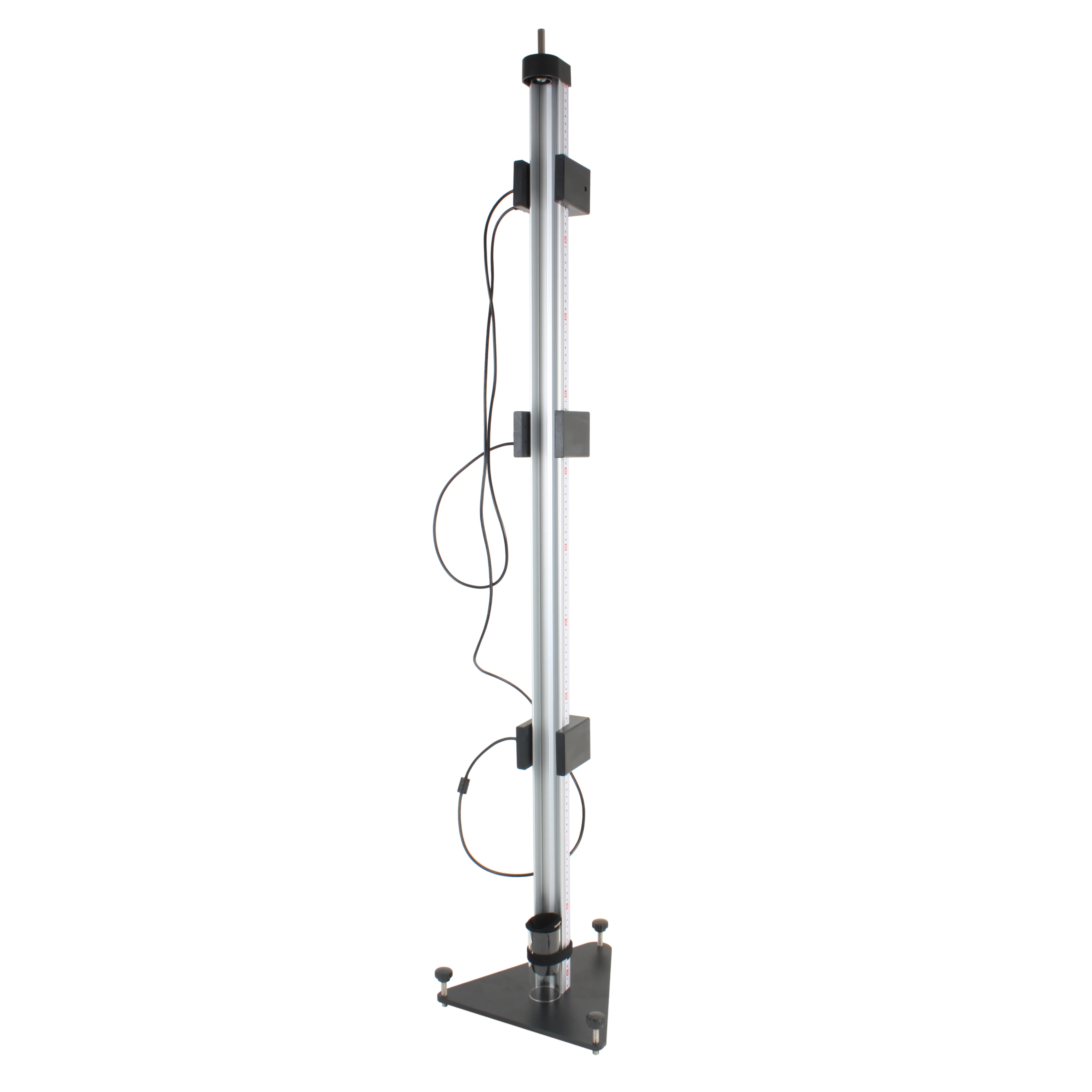
Creating precise technical specifications for school laboratory equipment requires balancing educational functionality with safety standards and durability expectations. Specifications must reference relevant national and international standards such as ISO educational equipment standards, electrical safety certifications, and material safety regulations. For specialized equipment like impact testing apparatus, free fall instruments, or precision measurement devices, specifications should detail measurement ranges, accuracy tolerances, calibration requirements, and data recording capabilities. Schools should avoid overly prescriptive specifications that limit competition while ensuring minimum quality thresholds that guarantee long-term reliability.
Safety compliance documentation forms a critical component of procurement specifications for school laboratory equipment. All equipment must meet applicable safety standards including protection against electrical hazards, mechanical risks, chemical exposure, and ergonomic concerns for student users of varying ages and physical capabilities. Specifications should mandate comprehensive user manuals in appropriate languages, clear safety labeling, emergency shutdown mechanisms, and compatibility with personal protective equipment. Environmental considerations including energy efficiency ratings, recyclable materials, and low-emission operations increasingly influence procurement decisions as schools pursue sustainability goals.
Budget Development and Funding Strategy
Developing a realistic budget for school laboratory equipment acquisition requires detailed cost breakdown across multiple categories. Beyond the equipment purchase price, schools must allocate funds for shipping and handling, customs duties for imported equipment, installation and commissioning services, initial consumables and spare parts, calibration and testing, and contingency reserves for unforeseen expenses. Many institutions underestimate hidden costs including facility modifications to accommodate new equipment, upgraded electrical or plumbing systems, and specialized storage or security requirements.
Funding strategies for significant school laboratory equipment investments often combine multiple sources including operational budgets, capital improvement funds, government grants for STEM education, partnerships with industry sponsors, and parent association contributions. Grant applications require compelling justifications linking equipment acquisitions to measurable improvements in student learning outcomes, enrollment growth in science disciplines, or community engagement initiatives. Phased procurement approaches allow schools to distribute costs across multiple budget cycles while gradually building laboratory capabilities, though this strategy must ensure equipment compatibility and avoid obsolescence of early purchases.
Vendor Selection and Contract Management Excellence
Evaluating Supplier Qualifications and Track Record
Selecting appropriate vendors for school laboratory equipment requires thorough evaluation of technical expertise, educational market experience, and long-term support capabilities. Schools should request detailed company profiles including years of operation, manufacturing certifications, quality management systems, and references from similar educational institutions. Vendor assessment criteria should emphasize experience supplying educational institutions with comparable equipment, understanding of academic calendar constraints, and demonstrated capability to provide comprehensive after-sales support including training, maintenance, and technical consultation.
Site visits to vendor facilities or demonstrations at reference institutions provide valuable insights into product quality and supplier reliability. Schools should evaluate whether vendors maintain adequate inventory of replacement parts, offer equipment upgrade paths as technology evolves, and demonstrate financial stability that ensures long-term business continuity. For international suppliers, additional considerations include established logistics networks for timely delivery, responsive communication across time zones, and clear warranty enforcement mechanisms. Vendor evaluation matrices scoring technical compliance, commercial terms, support services, and reputation help create objective supplier selection decisions.
Negotiating Comprehensive Service Agreements
Contract negotiations for school laboratory equipment should extend beyond price discussions to encompass comprehensive service level agreements that protect institutional interests. Warranty provisions must clearly define coverage periods, included services, response times for repairs, and exclusions or limitations. Schools should negotiate extended warranty options, preventive maintenance schedules, and priority service access during critical academic periods. Contracts should specify equipment performance guarantees with acceptance testing protocols and remedies for non-compliance including equipment replacement or financial penalties.
Training provisions represent a critical contract component often overlooked during initial negotiations. Agreements should mandate comprehensive on-site training for teaching staff and laboratory technicians, including initial orientation sessions, advanced operation workshops, and periodic refresher courses as staff turnover occurs. Contracts should specify trainer qualifications, training duration, maximum participant numbers, and provision of training materials in appropriate formats. Additional valuable contract terms include equipment upgrade rights at preferential pricing, trade-in allowances for obsolete equipment, and access to educational resources such as experiment guides or curriculum integration materials.
Managing International Procurement Logistics
International procurement of school laboratory equipment introduces additional complexity requiring specialized logistics management. Schools must navigate customs regulations, import duties, and compliance with national standards that may differ from equipment origin countries. Contracts should clearly assign responsibility for customs clearance, specify incoterms defining risk transfer points, and establish realistic delivery timelines accounting for shipping, customs processing, and potential delays. Documentation requirements including commercial invoices, packing lists, certificates of origin, and compliance declarations must be thoroughly specified to avoid customs holds.
Insurance coverage during international transit protects schools against equipment damage or loss during shipping. Contracts should mandate appropriate insurance levels and clarify claim procedures. Packaging specifications should ensure equipment arrives in pristine condition despite long-distance transport and multiple handling points. Schools should negotiate delivery schedules aligned with academic calendars, avoiding arrival during examination periods or holiday closures when staff are unavailable for receipt inspection and installation supervision. Clear communication protocols including shipment tracking, delivery notifications, and installation coordination meetings ensure smooth logistics execution.
Installation, Commissioning, and Safety Validation
Pre-Installation Site Preparation Requirements
Successful installation of school laboratory equipment requires meticulous site preparation coordinated well before equipment arrival. Facilities teams must verify that laboratory spaces meet dimensional requirements including adequate clearances for equipment operation, maintenance access, and emergency egress. Utility infrastructure including electrical circuits with appropriate voltage, amperage, and grounding must be installed and tested. Specialized requirements such as dedicated water supplies, drainage systems, compressed gas lines, or ventilation provisions demand coordination with licensed contractors and inspection by relevant authorities.
Environmental conditions in laboratory spaces must align with equipment specifications for school laboratory equipment. Temperature and humidity ranges, vibration isolation, electromagnetic interference shielding, and lighting levels all influence equipment performance and longevity. Flooring must provide adequate load-bearing capacity, chemical resistance, and stability for precision instruments. Storage facilities for consumables, spare parts, and safety equipment should be installed proximate to equipment locations. Site preparation checklists ensure systematic verification of all prerequisites before expensive equipment arrives, avoiding costly delays or temporary storage expenses.
Installation Oversight and Quality Verification
Professional installation supervision ensures school laboratory equipment achieves specified performance from initial deployment. Schools should designate qualified staff members to oversee installation processes, verify work against approved drawings and specifications, and document any deviations or concerns. Installation teams should follow manufacturer protocols including proper leveling, secure anchoring, correct utility connections, and systematic component assembly. Documentation of installation parameters such as calibration settings, configuration options, and initial test results creates valuable reference materials for future maintenance and troubleshooting.
Commissioning procedures validate that installed school laboratory equipment performs according to specifications under actual operating conditions. Systematic testing should verify all operational modes, safety interlocks, measurement accuracies, and data recording functions. Performance testing should replicate typical educational experiments to confirm equipment suitability for intended pedagogical applications. Any deficiencies discovered during commissioning must be documented with clear responsibility assignment for resolution. Final acceptance should occur only after successful completion of all commissioning tests and delivery of complete documentation including operation manuals, maintenance schedules, and as-built drawings.
Safety Compliance and Risk Assessment
Comprehensive safety validation forms an essential element of new school laboratory equipment deployment. Risk assessments should systematically identify potential hazards including mechanical dangers from moving parts, electrical risks, chemical exposures, ergonomic concerns, and emergency scenarios. Each identified risk requires documented control measures including engineering controls built into equipment design, administrative procedures governing equipment use, and personal protective equipment requirements. Safety assessments should consider diverse user populations including students of varying ages, abilities, and experience levels.
Safety documentation must include standard operating procedures detailing safe equipment operation, emergency shutdown procedures, accident response protocols, and reporting requirements. Visual safety signage, hazard labels, and operational instructions should be prominently displayed at equipment locations. Schools must verify that school laboratory equipment installations comply with building codes, fire safety regulations, and occupational health standards. Regular safety inspections and equipment-specific safety training create multiple layers of risk mitigation protecting students, staff, and institutional interests.
Comprehensive Training and Competency Development Programs
Developing Tiered Training Curricula
Effective training programs for school laboratory equipment employ tiered curricula addressing diverse user needs and competency levels. Initial orientation training introduces all potential users to basic equipment functions, safety protocols, and emergency procedures. This foundational training ensures that everyone entering laboratory spaces understands fundamental risks and appropriate responses. Intermediate training develops operational competency for teaching staff and laboratory technicians who will regularly use equipment for curriculum delivery, covering detailed operating procedures, routine maintenance tasks, and basic troubleshooting techniques.
Advanced training programs prepare designated staff members for complex operations including calibration procedures, advanced experimentation techniques, data analysis methods, and curriculum integration strategies. Specialized training may address specific equipment categories such as precision measurement instruments, automated systems, or equipment with complex software interfaces. Training programs should incorporate hands-on practice with actual equipment under supervised conditions, allowing participants to develop confidence and competency before independent operation. Assessment methods including practical demonstrations and written evaluations verify training effectiveness and identify individuals requiring additional support.
Creating Sustainable Knowledge Transfer Systems
Long-term success with school laboratory equipment requires sustainable knowledge transfer systems that transcend individual staff members. Comprehensive documentation including operation manuals, quick-reference guides, troubleshooting flowcharts, and maintenance logs should be centrally accessible in both physical and digital formats. Video tutorials demonstrating common procedures, experiment setups, and maintenance tasks provide valuable supplementary training resources accessible for self-paced learning or reference during actual operations. Schools should develop internal expertise among multiple staff members to ensure continuity when key personnel transition to new roles.
Peer training programs leverage experienced staff members to mentor colleagues, creating collaborative learning environments and distributing expertise across departments. Regular refresher sessions reinforce critical safety procedures and introduce new applications or experimental techniques. Documentation of lessons learned, common errors, and effective teaching strategies using new equipment builds institutional knowledge that improves outcomes over time. Schools should establish feedback mechanisms allowing teaching staff to communicate equipment performance issues, training gaps, or curriculum integration challenges to appropriate administrators for systematic resolution.
Integrating Equipment Training with Pedagogical Development
Training programs for school laboratory equipment should extend beyond technical operation to address pedagogical applications and curriculum integration strategies. Teachers need guidance on designing effective laboratory exercises that leverage new equipment capabilities while aligning with learning objectives and assessment frameworks. Training should demonstrate how equipment enhances student engagement, supports inquiry-based learning, and develops practical scientific skills. Curriculum mapping exercises help teachers identify optimal integration points for new equipment across various courses and grade levels.
Professional development workshops should explore differentiated instruction strategies using laboratory equipment to accommodate diverse student learning styles, abilities, and prior knowledge. Teachers benefit from exposure to assessment rubrics evaluating laboratory skills, methods for documenting student experimental work, and strategies for managing laboratory sessions with large class sizes or mixed-ability groups. Sharing exemplary lesson plans and student project examples from other institutions provides inspiration and practical models for effective equipment utilization. Ongoing pedagogical support ensures that significant investments in school laboratory equipment translate into measurable improvements in science education quality.
Maintenance, Lifecycle Management, and Educational Integration
Establishing Preventive Maintenance Protocols
Systematic preventive maintenance preserves school laboratory equipment performance and extends operational lifespans. Maintenance schedules should specify routine tasks including cleaning procedures, lubrication requirements, calibration frequencies, consumable replacement intervals, and safety inspection checklists. Responsibility assignment clarifies whether maintenance tasks fall to teaching staff, dedicated laboratory technicians, or external service providers. Maintenance logs documenting completed tasks, observed conditions, and corrective actions taken create valuable historical records supporting warranty claims and informing replacement decisions.
Schools should establish maintenance budgets covering routine servicing costs, replacement consumables, calibration services, and unexpected repairs. Inventory management systems ensure adequate stocks of frequently used consumables and critical spare parts without tying excessive capital in unused materials. Relationships with equipment vendors or authorized service providers ensure access to technical support when complex issues exceed internal capabilities. Preventive maintenance programs minimize disruptive equipment failures during critical academic periods, maintaining teaching schedule continuity and avoiding student disappointment with cancelled laboratory sessions.
Monitoring Equipment Utilization and Educational Impact
Effective lifecycle management for school laboratory equipment includes systematic monitoring of utilization rates and educational impact. Usage tracking systems recording equipment operation hours, user identities, and experimental applications provide insights into whether equipment meets anticipated utilization levels or remains underemployed. Low utilization may indicate training gaps, curriculum integration challenges, or mismatches between equipment capabilities and actual educational needs. Conversely, high utilization may justify additional equipment purchases or identify maintenance acceleration requirements.
Assessment of educational impact examines how school laboratory equipment influences student learning outcomes, engagement levels, and career interest development. Surveys of teaching staff can reveal whether equipment enhances curriculum delivery effectiveness, enables previously impossible experiments, or creates new teaching challenges. Student feedback provides perspectives on learning value, engagement quality, and practical skill development. Tracking metrics such as science course enrollment trends, student achievement in laboratory-based assessments, and progression to advanced science studies helps quantify return on equipment investments and justify future acquisitions.
Planning Technology Refresh and Replacement Cycles
Strategic planning for equipment replacement ensures continuous laboratory capability without disruptive gaps or obsolete technology accumulation. Replacement planning should consider multiple factors including equipment age, repair frequency and costs, availability of spare parts and technical support, alignment with current curriculum standards, and comparison with contemporary alternatives. Schools should track total cost of ownership over equipment lifespans, recognizing when aging equipment becomes economically disadvantageous compared to modern replacements offering improved reliability, safety, or educational capabilities.
Technology evolution necessitates periodic evaluation of whether existing school laboratory equipment remains pedagogically relevant or has been superseded by superior alternatives. Advances in digital instrumentation, data acquisition systems, and experimental automation may offer significant educational advantages justifying early replacement of functional but dated equipment. Refresh planning should align with budget cycles, grant opportunities, and curriculum revision timelines. Responsible disposal of replaced equipment through donations to schools with more limited resources, recycling programs, or proper hazardous material handling demonstrates environmental stewardship and social responsibility.
FAQ
What is the typical timeline from procurement approval to full operational status for new school laboratory equipment?
The complete lifecycle from procurement approval to full operational integration typically spans four to eight months for standard school laboratory equipment, though complex installations or international procurement may extend this timeline. Initial procurement planning and vendor selection generally require six to eight weeks, followed by two to four weeks for contract finalization. Equipment manufacturing and delivery timelines vary from four to twelve weeks depending on customization requirements and shipping distances. Installation and commissioning typically require one to three weeks, with staff training adding another two to four weeks. Schools should build additional buffer time for unforeseen delays, customs processing for international shipments, and coordination with academic schedules to avoid disruptive installations during examination periods.
How should schools balance between purchasing cutting-edge equipment versus proven, established technology?
Schools should adopt a balanced portfolio approach when procuring school laboratory equipment, allocating the majority of budgets to proven, reliable technologies with established educational applications while reserving smaller portions for innovative equipment offering unique pedagogical opportunities. Established equipment provides predictable performance, readily available training resources, extensive troubleshooting documentation, and assured long-term support. However, selective investment in emerging technologies exposes students to contemporary scientific methods, maintains curriculum relevance, and demonstrates institutional commitment to educational excellence. Risk mitigation strategies include purchasing innovative equipment from established manufacturers with strong support infrastructures, starting with single units for evaluation before broader deployment, and ensuring adequate training resources accompany new technology introductions.
What are the most common mistakes schools make when implementing new laboratory equipment?
The most frequent implementation mistakes include inadequate training investment leading to underutilization or unsafe operation, insufficient budget allocation for installation and ongoing maintenance costs beyond initial purchase prices, and poor coordination between procurement timelines and academic schedules resulting in equipment arriving when staff are unavailable for training. Schools often neglect comprehensive needs assessment, purchasing equipment misaligned with actual curriculum requirements or exceeding staff technical capabilities. Failure to plan for consumables, spare parts, and calibration services creates operational disruptions. Inadequate site preparation delays installations and increases costs. Finally, many institutions lack systematic monitoring of equipment utilization and educational impact, missing opportunities to optimize investments or identify training gaps requiring attention.
How can schools maximize the educational value of laboratory equipment investments over long operational lifespans?
Maximizing educational value from school laboratory equipment requires ongoing curriculum innovation, continuous staff development, and systematic utilization monitoring. Schools should regularly review curriculum content to identify new applications for existing equipment, developing fresh experimental protocols that maintain student engagement and align with evolving educational standards. Periodic advanced training workshops help experienced staff discover underutilized equipment capabilities and advanced experimental techniques. Creating shared experiment libraries where teachers document successful protocols and student projects encourages broader equipment utilization across departments. Schools should actively promote equipment capabilities to teaching staff through demonstration sessions showcasing diverse applications. Establishing partnerships with local industries or research institutions can introduce authentic scientific applications that enhance student motivation and career awareness while fully utilizing equipment capabilities throughout extended operational lifespans.
Table of Contents
- Strategic Procurement Planning for Educational Laboratory Infrastructure
- Vendor Selection and Contract Management Excellence
- Installation, Commissioning, and Safety Validation
- Comprehensive Training and Competency Development Programs
- Maintenance, Lifecycle Management, and Educational Integration
-
FAQ
- What is the typical timeline from procurement approval to full operational status for new school laboratory equipment?
- How should schools balance between purchasing cutting-edge equipment versus proven, established technology?
- What are the most common mistakes schools make when implementing new laboratory equipment?
- How can schools maximize the educational value of laboratory equipment investments over long operational lifespans?