teaching equipment
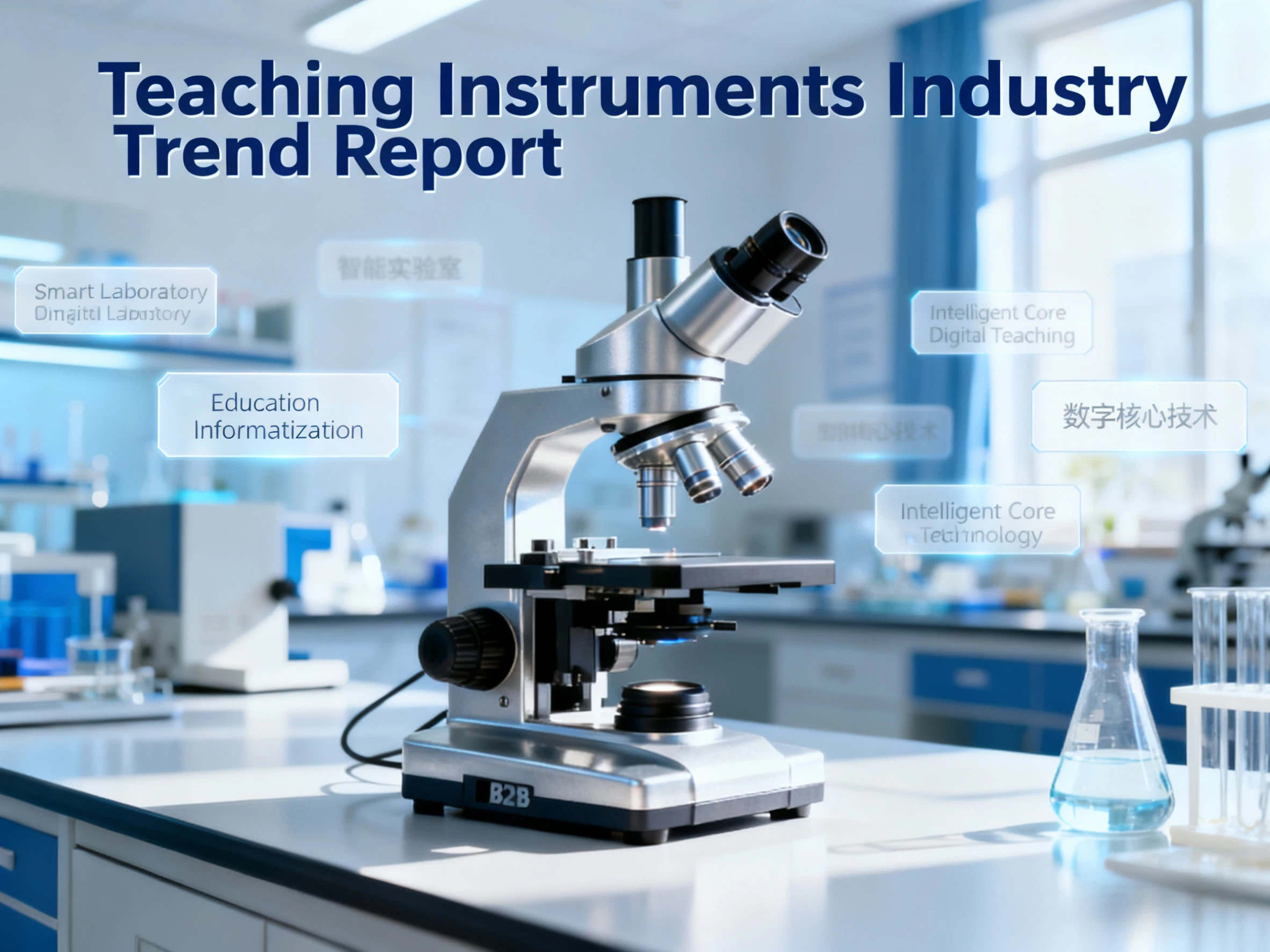
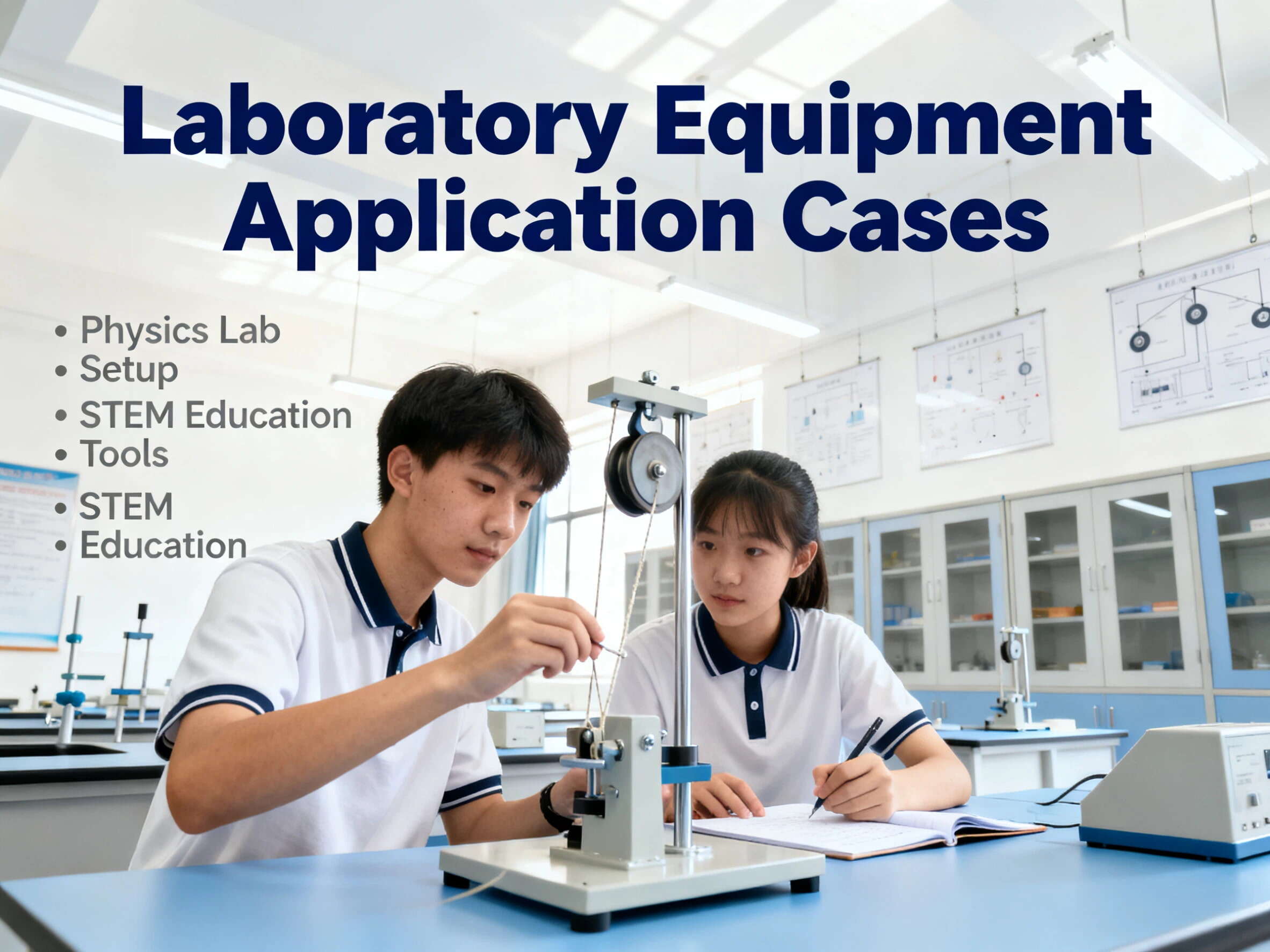
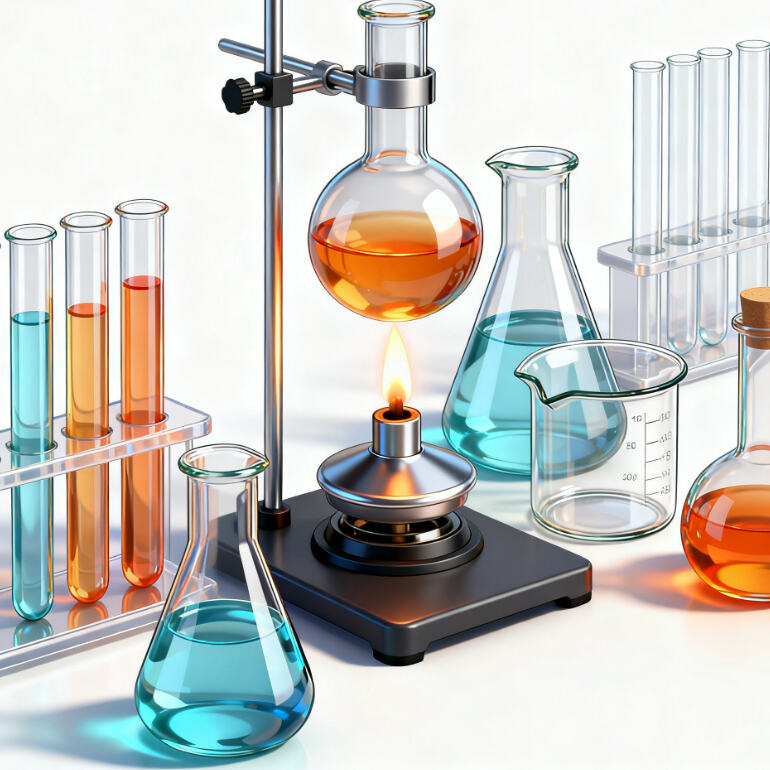
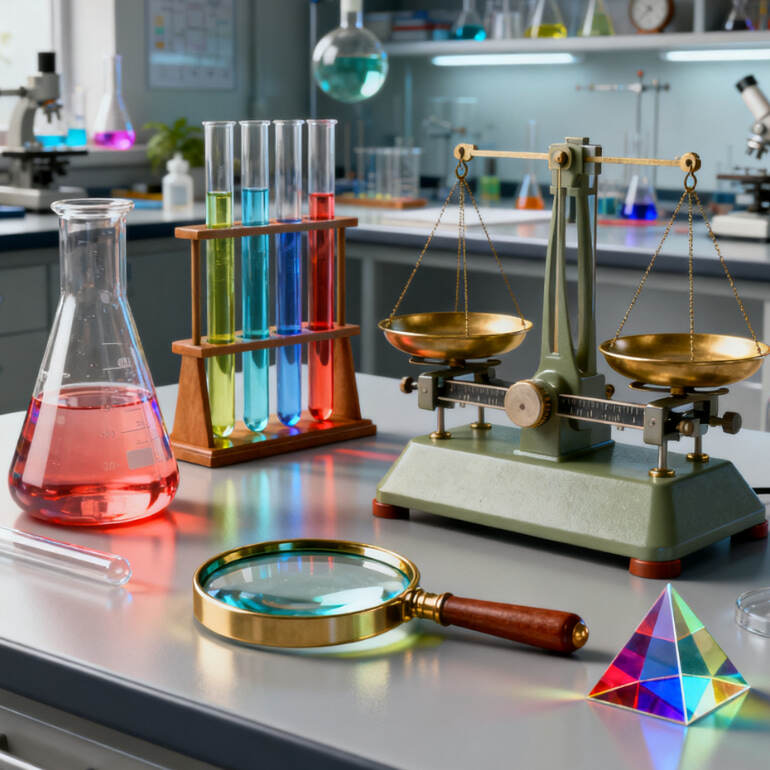
Teaching equipment represents a comprehensive collection of technological tools and educational resources designed to enhance learning experiences across various academic disciplines. Modern teaching equipment encompasses interactive whiteboards, digital projectors, student response systems, laboratory instruments, multimedia stations, and specialized software platforms that transform traditional classroom environments into dynamic learning spaces. These sophisticated educational tools integrate cutting-edge technology with pedagogical best practices to create engaging, interactive learning experiences that cater to diverse learning styles and educational objectives. The primary functions of contemporary teaching equipment include facilitating visual learning through high-resolution displays, enabling collaborative learning through networked systems, supporting hands-on experimentation through laboratory apparatus, and providing real-time assessment capabilities through digital feedback mechanisms. Technological features of modern teaching equipment incorporate touchscreen interfaces, wireless connectivity, cloud-based storage solutions, artificial intelligence integration, and multi-device compatibility that ensures seamless operation across various platforms and operating systems. Advanced teaching equipment utilizes sophisticated sensors, high-definition cameras, professional-grade audio systems, and ergonomic designs that maximize usability while minimizing technical barriers for educators and students alike. Applications of teaching equipment span across elementary education, secondary schooling, higher education institutions, professional training centers, and corporate learning environments where knowledge transfer and skill development are paramount. These versatile educational tools support STEM education through virtual laboratories, enhance language learning through immersive audio-visual experiences, facilitate arts education through digital creation platforms, and strengthen social sciences instruction through interactive simulations and data visualization capabilities. The integration of teaching equipment into educational curricula has revolutionized pedagogical approaches, enabling personalized learning pathways, real-time progress tracking, and adaptive content delivery that responds to individual student needs and learning preferences.
 EN
EN