Advanced Science Teaching Equipment - Interactive Laboratory Solutions for Modern Education

All Categories
Get a Quote

Get a Free Quote

Our representative will contact you soon.
Email
Name
Company Name
Message
0/1000

science teaching equipment

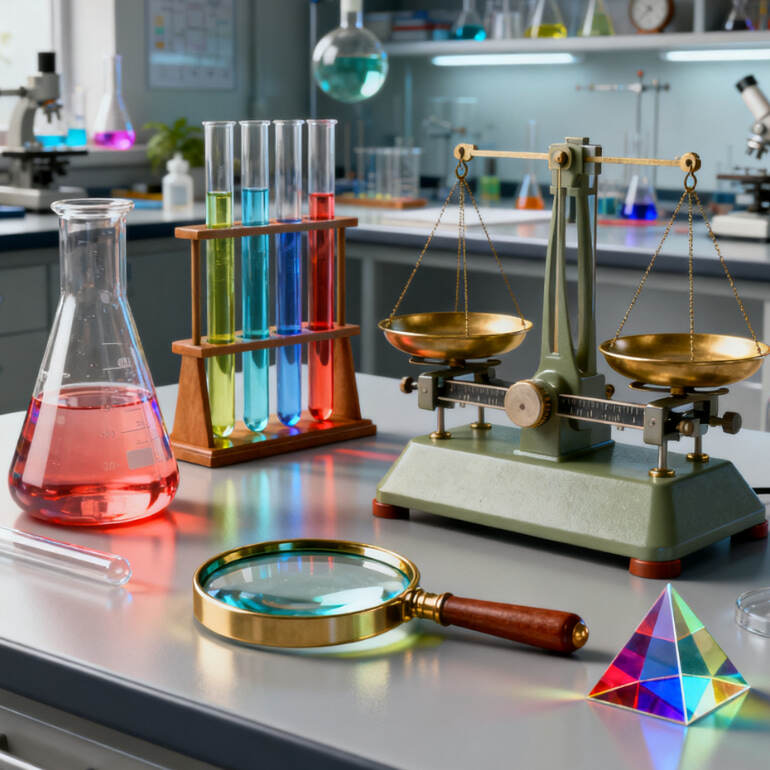
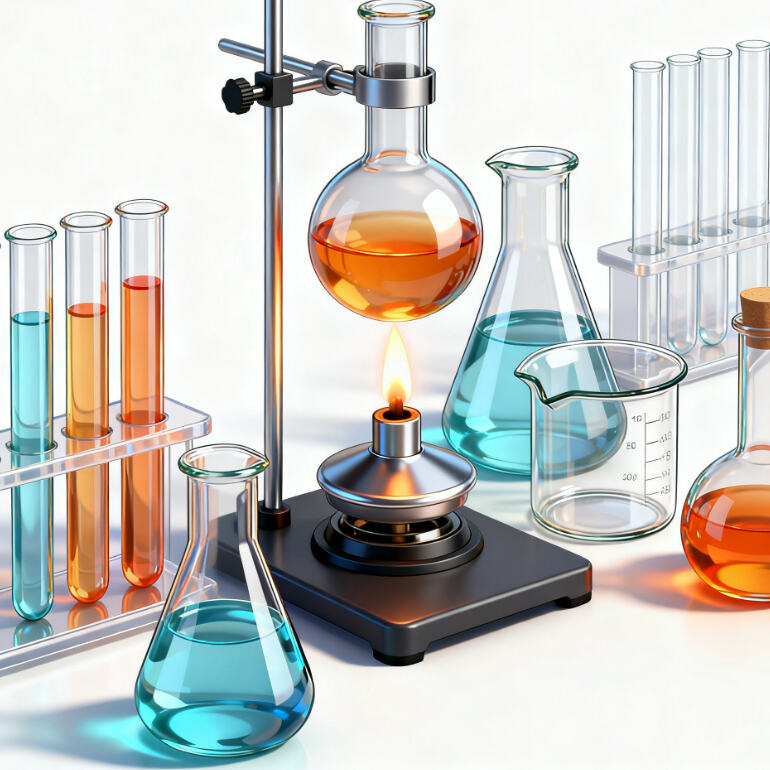
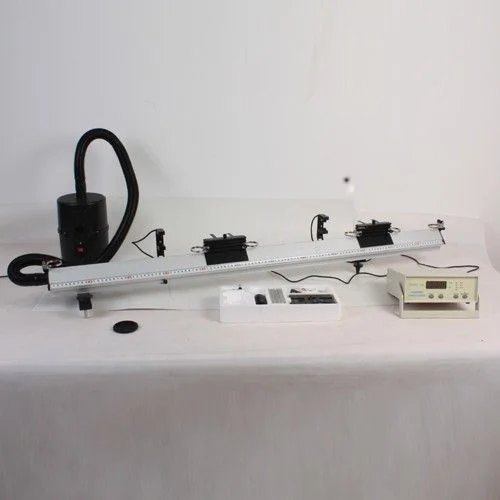
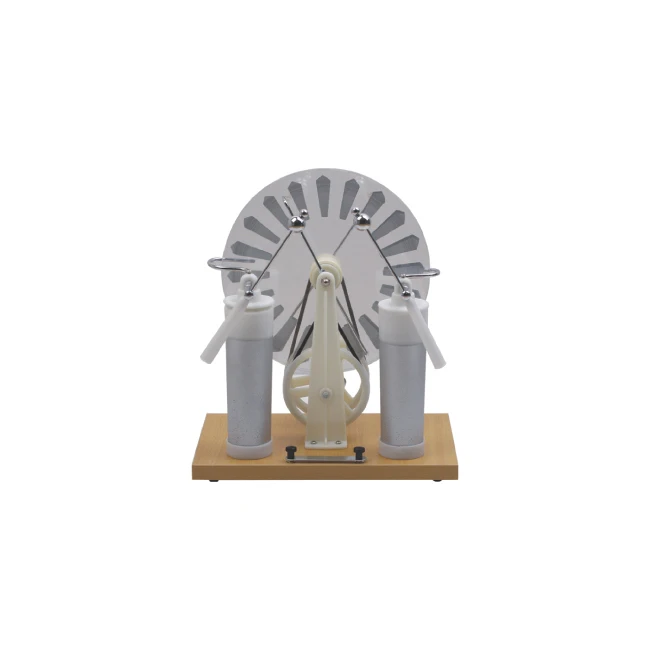
Science teaching equipment represents the cornerstone of modern educational methodology, transforming traditional learning environments into dynamic, interactive laboratories where students engage directly with scientific principles. This comprehensive category encompasses a vast array of instruments, tools, and technological solutions designed specifically to enhance the delivery and comprehension of scientific concepts across multiple disciplines including physics, chemistry, biology, earth sciences, and environmental studies. Modern science teaching equipment integrates cutting-edge technology with proven pedagogical approaches, creating immersive learning experiences that bridge theoretical knowledge with practical application. These sophisticated systems feature digital interfaces, real-time data collection capabilities, and interactive components that allow students to conduct experiments, observe phenomena, and analyze results with unprecedented precision. The technological backbone of contemporary science teaching equipment includes advanced sensors, microprocessors, wireless connectivity, and cloud-based data management systems that enable seamless integration with existing classroom infrastructure. Primary functions encompass demonstration of complex scientific phenomena, facilitation of hands-on experimentation, data collection and analysis, and provision of visual representations of abstract concepts through multimedia presentations and simulations. Applications span across elementary education through university-level instruction, supporting curriculum requirements while accommodating diverse learning styles and abilities. The equipment serves multiple educational objectives including developing critical thinking skills, fostering scientific inquiry methodologies, building practical laboratory competencies, and preparing students for advanced scientific pursuits. Technological features include intuitive user interfaces, safety-integrated designs, modular configurations that adapt to various classroom sizes, and comprehensive software packages that provide lesson plans, assessment tools, and progress tracking capabilities. These versatile systems support both individual and collaborative learning environments, enabling educators to customize instruction according to specific learning objectives and student needs.
New Product Recommendations

Science teaching equipment delivers transformative benefits that revolutionize educational outcomes and student engagement in scientific learning. Students experience dramatically improved comprehension rates when abstract concepts become tangible through hands-on manipulation and direct observation. This equipment eliminates the traditional barriers between theoretical knowledge and practical understanding, creating learning environments where students actively participate rather than passively receive information. Teachers gain powerful tools that simplify complex lesson delivery while maintaining high educational standards across diverse student populations. The interactive nature of modern science teaching equipment accommodates multiple learning styles simultaneously, ensuring visual, auditory, and kinesthetic learners all achieve optimal educational outcomes. Real-time data collection capabilities transform student experiments from simple observations into sophisticated scientific investigations that mirror professional research methodologies. Safety features built into contemporary science teaching equipment provide peace of mind for educators while enabling students to explore potentially hazardous concepts through secure, controlled environments. Cost-effectiveness emerges as a significant advantage, with durable construction and modular designs extending equipment lifespan while reducing long-term replacement expenses. Digital integration capabilities allow seamless incorporation into existing technology infrastructure, maximizing return on educational technology investments. Students develop essential 21st-century skills including data analysis, digital literacy, collaborative problem-solving, and scientific communication through regular interaction with advanced science teaching equipment. Assessment becomes more accurate and comprehensive as these systems provide detailed performance metrics and learning analytics that help educators identify knowledge gaps and adjust instruction accordingly. Professional development opportunities expand as teachers master new technologies and methodologies, enhancing career advancement prospects. Laboratory management becomes streamlined through automated calibration, maintenance alerts, and inventory tracking features that reduce administrative burden on educational staff. Environmental sustainability benefits emerge from energy-efficient designs and reduced consumption of disposable materials traditionally required for science demonstrations. Student motivation increases significantly as technology-enhanced learning experiences create excitement and curiosity that extends beyond classroom boundaries. Preparation for higher education and career success improves as students gain familiarity with equipment and methodologies commonly used in professional scientific settings.

Tips And Tricks

The Silent Revolution in Classrooms: How Advanced Teaching Instruments Are Reshaping Global STEM Education

08

Dec

The Silent Revolution in Classrooms: How Advanced Teaching Instruments Are Reshaping Global STEM Education

View More
Building the Lab of Tomorrow: The Key Role of Durable and Adaptive Teaching Apparatus

08

Dec

Building the Lab of Tomorrow: The Key Role of Durable and Adaptive Teaching Apparatus

View More

Get a Free Quote

Our representative will contact you soon.
Email
Name
Company Name
Message
0/1000

science teaching equipment

Advanced Digital Integration and Connectivity Solutions

Advanced Digital Integration and Connectivity Solutions

Modern science teaching equipment features sophisticated digital integration capabilities that seamlessly connect with existing classroom technology infrastructure, creating comprehensive learning ecosystems that enhance educational delivery. These advanced connectivity solutions utilize wireless protocols, cloud-based data management, and cross-platform compatibility to ensure educators can incorporate scientific instruments into their existing digital workflows without technical barriers. The integration extends beyond simple data transfer, encompassing real-time collaboration tools that allow students to share experimental results, compare findings, and engage in peer-to-peer learning activities that mirror professional scientific collaboration. Cloud connectivity enables remote access to experimental data, allowing students to continue analysis outside classroom hours while providing teachers with continuous monitoring capabilities that support differentiated instruction approaches. The digital framework incorporates comprehensive learning management system integration, automatically synchronizing student progress, assessment results, and experimental outcomes with existing gradebooks and academic tracking systems. This seamless connectivity eliminates administrative overhead while providing detailed analytics that inform instructional decisions and support evidence-based teaching methodologies. Advanced mobile applications complement the core equipment, providing students with supplementary resources, interactive simulations, and guided experiment protocols that extend learning opportunities beyond traditional classroom boundaries. The digital integration supports multiple device compatibility, ensuring students can engage with science teaching equipment using tablets, smartphones, laptops, or desktop computers without compatibility concerns. Professional-grade data visualization tools provide students with sophisticated analysis capabilities typically reserved for advanced research environments, preparing them for higher-level scientific pursuits while maintaining age-appropriate accessibility. Security features protect student data while enabling controlled sharing that supports collaborative learning initiatives and peer assessment activities that enhance critical thinking development.
Comprehensive Safety Systems and Risk Management Features

Comprehensive Safety Systems and Risk Management Features

Safety represents the paramount concern in science teaching equipment design, with comprehensive protection systems that enable students to explore potentially dangerous scientific concepts through controlled, secure environments that eliminate traditional laboratory risks. Advanced safety protocols integrate multiple layers of protection including automated shutdown mechanisms, real-time hazard detection, and fail-safe operations that prevent accidents while maintaining authentic experimental experiences. The equipment incorporates intelligent monitoring systems that continuously assess environmental conditions, student behavior patterns, and equipment status to proactively identify potential safety concerns before they develop into hazardous situations. Emergency response features provide immediate intervention capabilities, including automatic ventilation activation, chemical spill containment, and emergency communication systems that connect directly to school safety personnel. Ergonomic design principles ensure comfortable, safe operation across diverse age groups and physical abilities, with adjustable components, intuitive controls, and clear visual indicators that prevent operational errors. Chemical handling systems incorporate advanced containment technologies that eliminate direct student contact with hazardous materials while providing authentic experimental experiences that maintain educational integrity. Electrical safety features include ground-fault protection, low-voltage operations, and isolated circuits that prevent electrical hazards while supporting sophisticated electronic experimentation. Training modules embedded within the equipment software provide comprehensive safety instruction, ensuring students understand proper procedures before engaging with potentially hazardous materials or processes. Documentation systems maintain detailed safety logs, incident tracking, and compliance reporting that support institutional risk management requirements while providing valuable data for continuous safety improvement initiatives. Regular maintenance alerts and automated calibration systems ensure equipment operates within safe parameters, reducing the likelihood of equipment-related safety incidents. The safety systems extend beyond immediate physical protection to include data security measures that protect student privacy while supporting educational collaboration and assessment activities that enhance learning outcomes.
Modular Design and Scalable Implementation Framework

Modular Design and Scalable Implementation Framework

The modular architecture of contemporary science teaching equipment provides unprecedented flexibility and scalability that adapts to diverse educational environments, budget constraints, and curriculum requirements while supporting long-term institutional growth and technological advancement. This innovative design philosophy enables educational institutions to implement comprehensive scientific learning solutions through phased deployment strategies that align with available resources and evolving educational objectives. Individual modules function independently while maintaining seamless integration capabilities, allowing schools to start with basic configurations and expand functionality as needs develop and budgets permit. The scalable framework supports everything from single-classroom implementations to district-wide deployments, with centralized management systems that provide consistent user experiences across multiple locations. Interchangeable components enable customization for specific subject areas, grade levels, and learning objectives without requiring complete system replacement, maximizing investment value while maintaining technological currency. The modular approach facilitates easy maintenance and upgrades, with individual components replaceable without disrupting entire systems, ensuring minimal classroom downtime and reduced long-term ownership costs. Storage and transportation solutions accommodate the modular design, with compact, efficient arrangements that maximize laboratory space utilization while supporting mobile learning initiatives and shared resource programs. Expansion modules provide pathway for integrating emerging technologies and educational methodologies as they develop, protecting institutional investments while ensuring students receive cutting-edge scientific education. The framework supports collaborative sharing between educational institutions, with standardized interfaces that enable resource pooling and cooperative learning programs that enhance educational opportunities while reducing per-student costs. Professional development scaling accompanies the modular implementation, with training programs that align with deployment phases, ensuring educators receive appropriate instruction without overwhelming existing schedules. Configuration management tools simplify system administration, providing centralized control over multiple modules while maintaining local customization capabilities that support diverse teaching styles and curriculum requirements.

Get a Free Quote

Our representative will contact you soon.
Email
Name
Company Name
Message
0/1000