Professional Teaching Lab Equipment - Advanced Educational Laboratory Solutions

All Categories
Get a Quote

Get a Free Quote

Our representative will contact you soon.
Email
Name
Company Name
Message
0/1000

teaching lab equipment

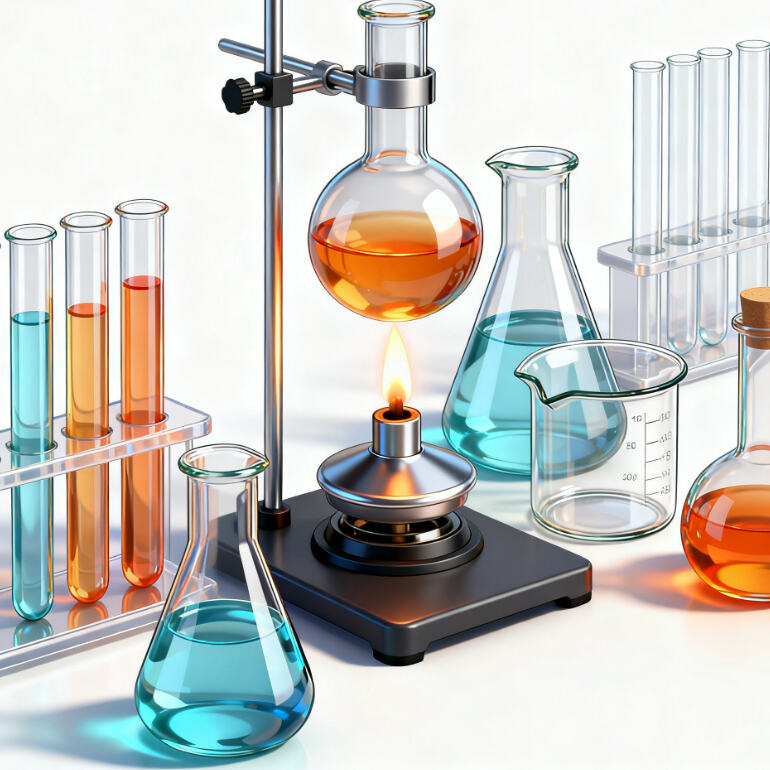
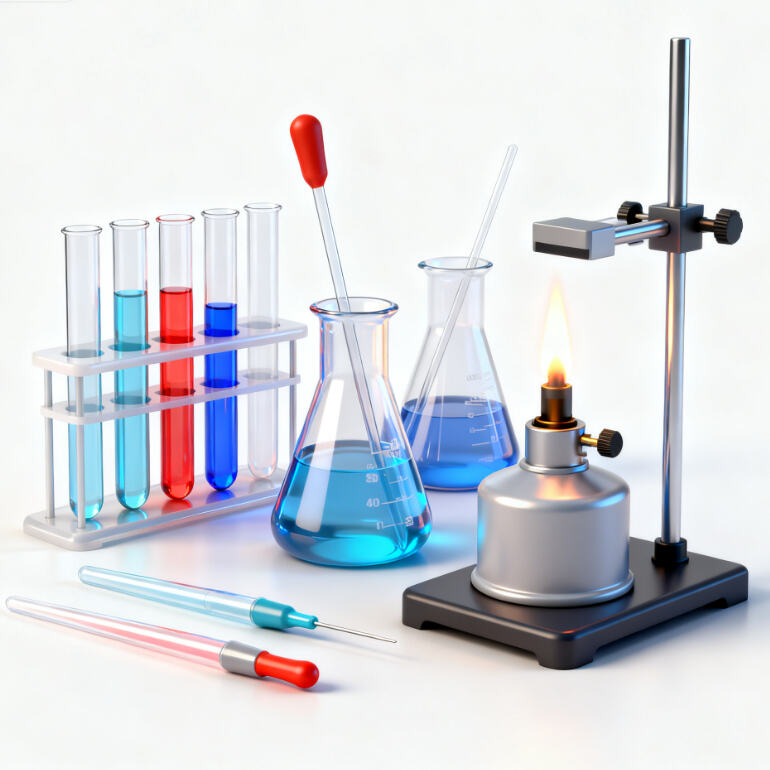
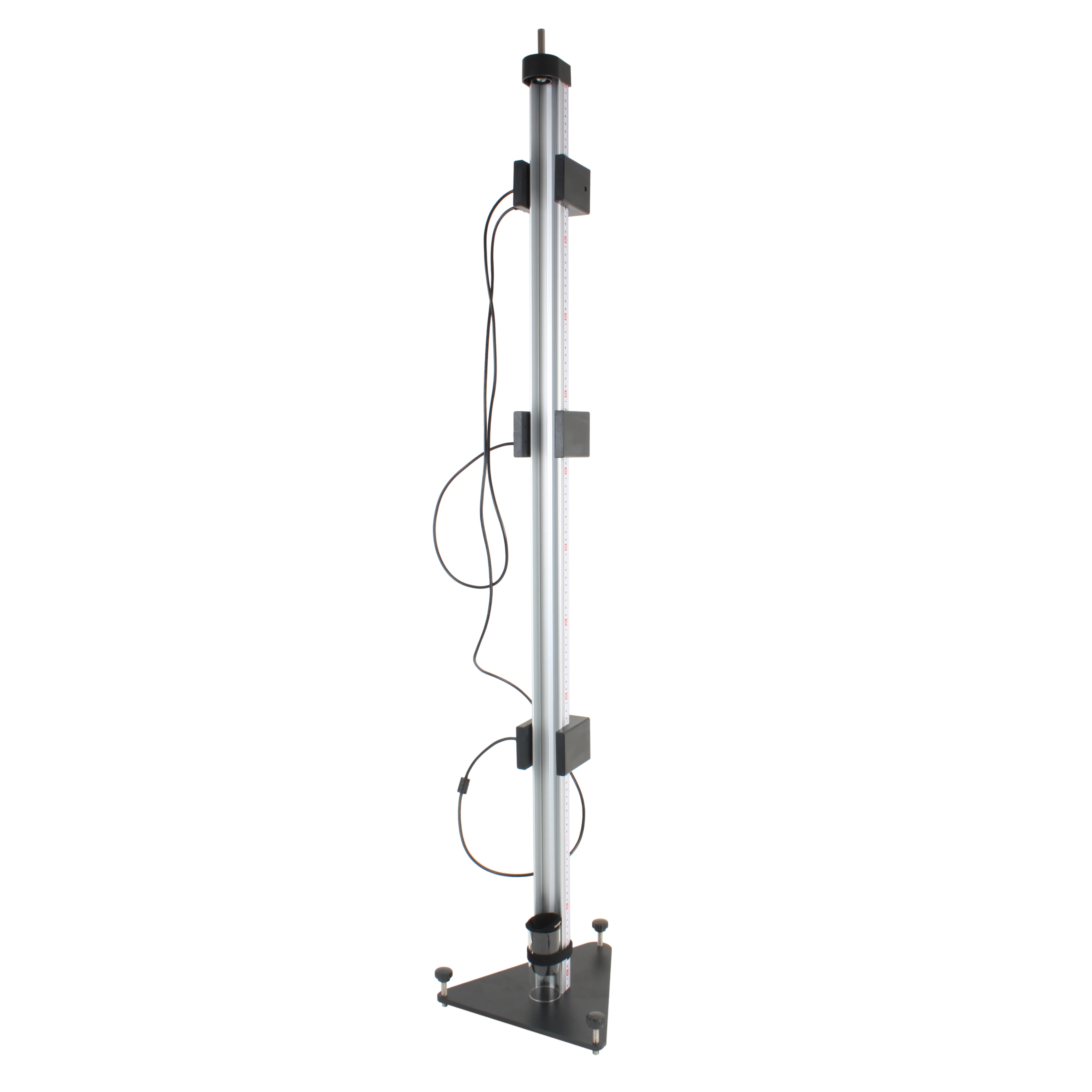
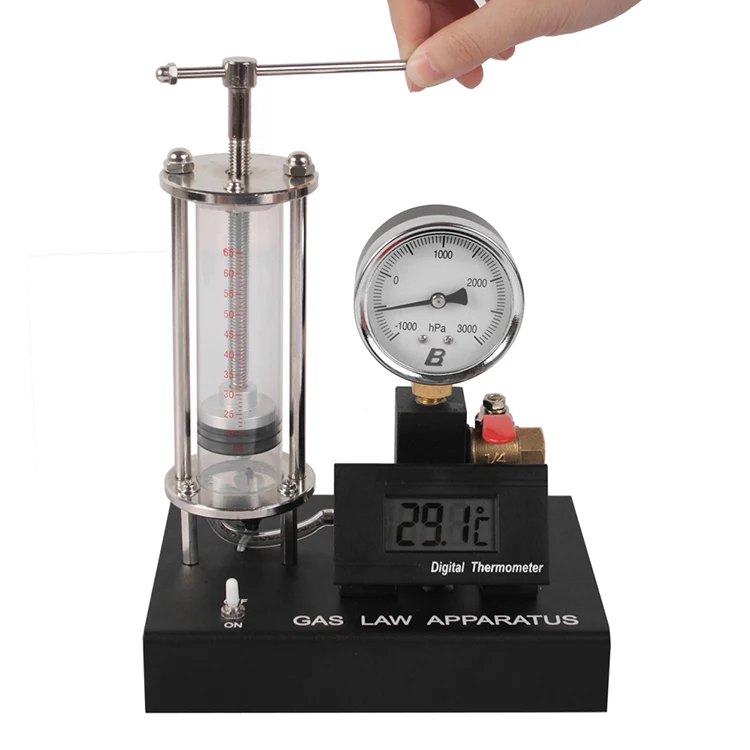
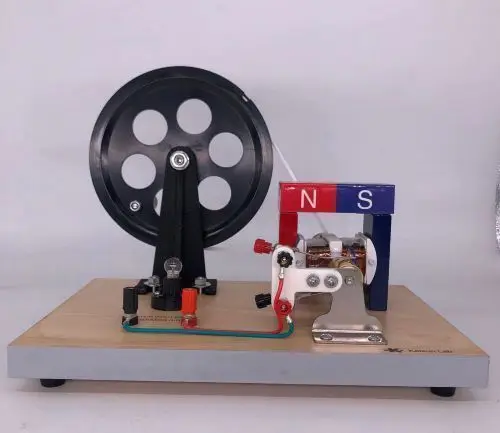
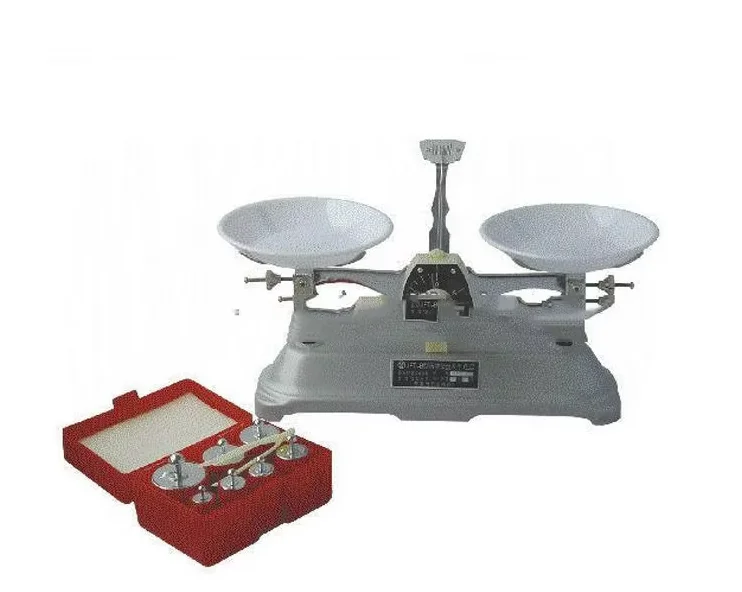
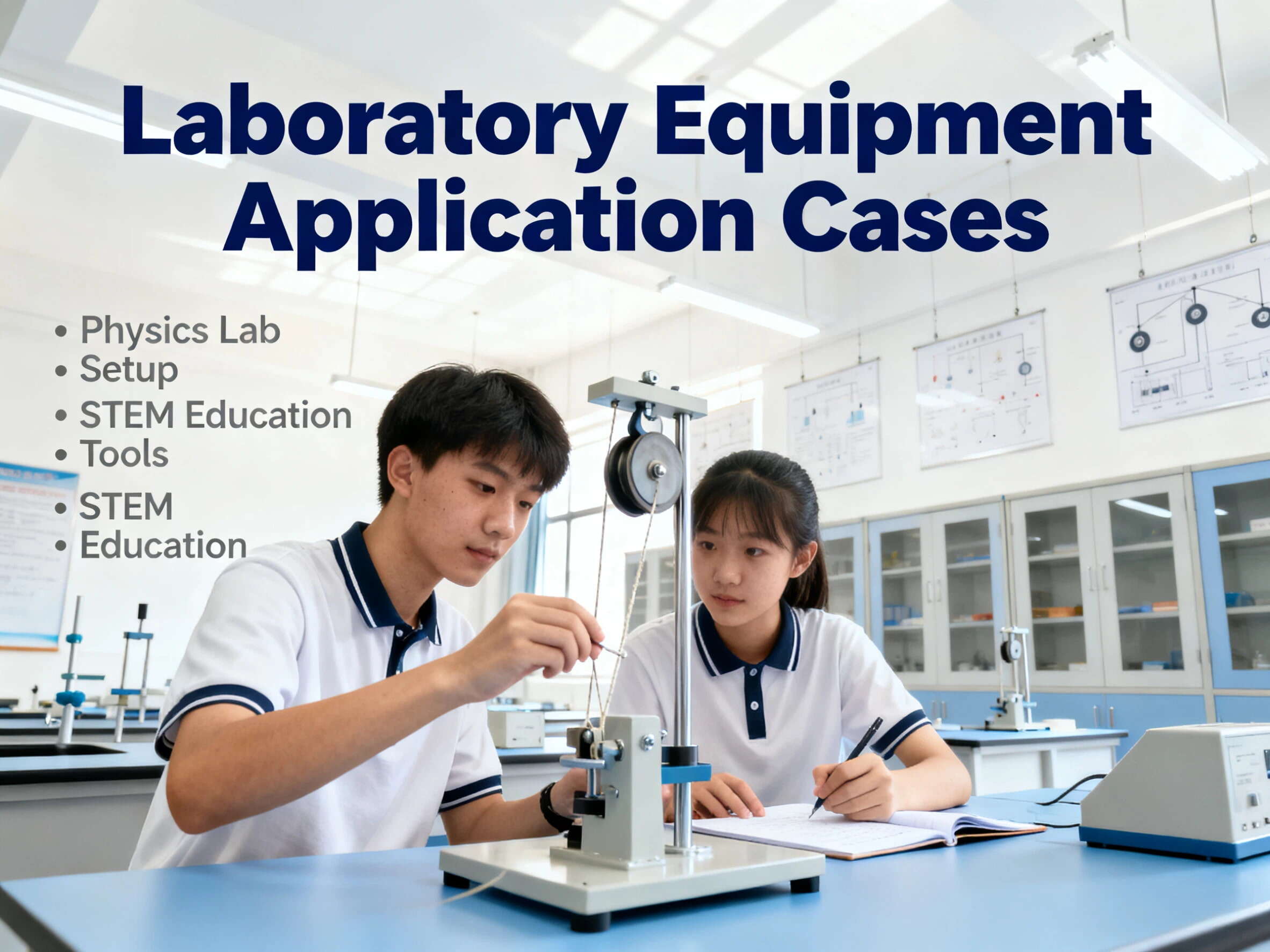
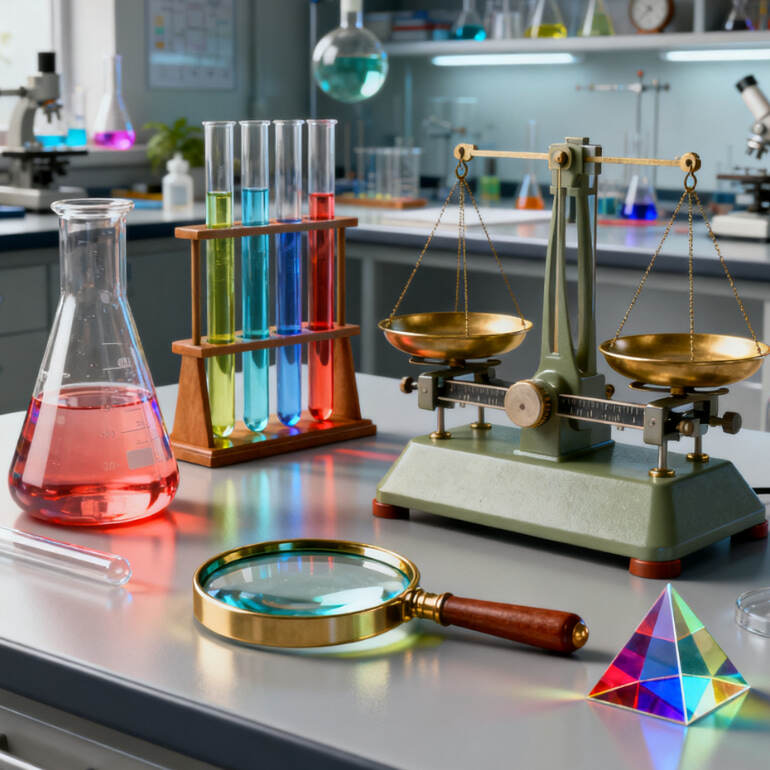
Teaching lab equipment represents the cornerstone of modern educational environments, delivering comprehensive solutions for hands-on learning experiences across multiple scientific disciplines. This specialized educational technology encompasses a vast array of instruments, apparatus, and systems designed specifically to facilitate practical learning in academic institutions. The primary function of teaching lab equipment centers on bridging the gap between theoretical knowledge and real-world application, enabling students to conduct experiments, analyze data, and develop critical thinking skills through direct interaction with scientific instruments. Modern teaching lab equipment incorporates advanced technological features that enhance the learning experience while maintaining safety standards essential for educational environments. These systems typically feature user-friendly interfaces, digital displays, automated data collection capabilities, and integrated software platforms that streamline the experimental process. The equipment often includes safety mechanisms, protective barriers, and emergency shut-off systems to ensure student welfare during practical sessions. Applications of teaching lab equipment span across numerous educational fields including chemistry, physics, biology, engineering, environmental science, and materials research. In chemistry laboratories, teaching lab equipment facilitates titration experiments, spectroscopic analysis, and synthesis procedures. Physics applications include mechanics demonstrations, electrical circuit analysis, and optical experiments. Biology-focused teaching lab equipment supports microscopy work, cell culture studies, and biochemical assays. The versatility of modern teaching lab equipment allows institutions to customize configurations based on curriculum requirements and student skill levels. Many systems offer modular designs that permit easy reconfiguration and expansion as educational needs evolve. Integration capabilities with existing laboratory infrastructure ensure seamless implementation without requiring extensive facility modifications. The technological advancement in teaching lab equipment has revolutionized educational methodologies, transforming traditional lecture-based approaches into interactive, experiment-driven learning experiences that significantly improve student engagement and knowledge retention rates.
New Product Releases

Teaching lab equipment delivers numerous practical benefits that directly enhance educational outcomes while providing exceptional value for academic institutions. The equipment significantly improves student engagement by transforming abstract concepts into tangible, hands-on experiences that students can observe and manipulate directly. This active learning approach increases retention rates substantially compared to traditional theoretical instruction methods. Students develop essential practical skills that prepare them for professional careers in scientific fields, gaining familiarity with industry-standard instruments and procedures they will encounter in their future work environments. The equipment provides immediate feedback mechanisms that allow students to observe cause-and-effect relationships in real-time, accelerating the learning process and promoting deeper understanding of scientific principles. Safety features integrated into modern teaching lab equipment protect students while they learn, incorporating automatic shutdown systems, protective enclosures, and warning indicators that prevent accidents and ensure compliance with educational safety standards. Cost-effectiveness represents another major advantage, as high-quality teaching lab equipment offers long-term durability and reliability that reduces maintenance expenses and replacement costs over time. Many systems feature modular designs that allow institutions to start with basic configurations and expand capabilities as budgets permit, providing flexibility in investment planning. The equipment supports diverse learning styles by accommodating visual, kinesthetic, and analytical learners through varied experimental approaches and data presentation methods. Standardization benefits emerge from using consistent equipment across multiple classes and semesters, ensuring that all students receive equivalent educational experiences regardless of when they complete their coursework. Digital integration capabilities allow teaching lab equipment to connect with learning management systems, enabling automatic data recording, progress tracking, and performance assessment. This connectivity streamlines administrative tasks for educators while providing detailed analytics on student performance and learning outcomes. Quality teaching lab equipment also enhances institutional reputation by demonstrating commitment to providing students with current, professional-grade learning tools that reflect industry standards. The equipment supports collaborative learning environments where students work together to solve problems, analyze results, and share discoveries, fostering teamwork skills essential for scientific careers. Maintenance support and training programs typically accompany quality teaching lab equipment purchases, ensuring that faculty members can maximize the educational value of their investments while maintaining equipment in optimal operating condition.

Latest News

The Silent Revolution in Classrooms: How Advanced Teaching Instruments Are Reshaping Global STEM Education

08

Dec

The Silent Revolution in Classrooms: How Advanced Teaching Instruments Are Reshaping Global STEM Education

View More
Building the Lab of Tomorrow: The Key Role of Durable and Adaptive Teaching Apparatus

08

Dec

Building the Lab of Tomorrow: The Key Role of Durable and Adaptive Teaching Apparatus

View More

Get a Free Quote

Our representative will contact you soon.
Email
Name
Company Name
Message
0/1000

teaching lab equipment

Advanced Digital Integration and Data Management Systems

Advanced Digital Integration and Data Management Systems

Modern teaching lab equipment features sophisticated digital integration capabilities that revolutionize how students collect, analyze, and interpret experimental data. These advanced systems incorporate built-in sensors, digital displays, and automated data logging functions that eliminate manual recording errors while providing precise, real-time measurements. The integration extends beyond basic data collection to include comprehensive software platforms that guide students through experimental procedures, provide interactive tutorials, and offer instant feedback on their progress. These digital management systems connect seamlessly with institutional learning management platforms, enabling automatic grade book updates and progress tracking that reduces administrative burden on educators. Students benefit from cloud-based data storage that allows them to access their experimental results from any location, facilitating continued analysis and report writing outside the laboratory environment. The software components often include simulation capabilities that allow students to predict experimental outcomes before conducting physical tests, promoting hypothesis formation and critical thinking skills. Advanced visualization tools within these systems help students understand complex relationships between variables through interactive graphs, charts, and three-dimensional models. The digital integration also supports remote monitoring capabilities, allowing instructors to oversee multiple laboratory sessions simultaneously while providing individual guidance when needed. Quality assurance features built into these systems validate experimental procedures and flag potential errors before they compromise results, ensuring that students develop proper scientific methodology. The comprehensive data management capabilities extend to long-term storage and retrieval functions that enable students to compare results across multiple experiments and track their skill development over time. These digital systems also facilitate collaborative projects where multiple students can contribute data to shared experiments, promoting teamwork and peer learning opportunities that mirror professional scientific environments.
Comprehensive Safety Features and Risk Management Protocols

Comprehensive Safety Features and Risk Management Protocols

Teaching lab equipment prioritizes student safety through comprehensive safety features and risk management protocols that create secure learning environments without compromising educational effectiveness. These systems incorporate multiple layers of protection including physical barriers, automatic shutdown mechanisms, and real-time monitoring systems that detect potentially hazardous conditions before they pose risks to students or equipment. Emergency stop buttons strategically placed throughout the equipment provide immediate cessation of all operations when activated, while warning systems use visual and audible alerts to notify users of changing conditions or approaching safety limits. The equipment design includes ergonomic considerations that reduce physical strain and fatigue during extended laboratory sessions, promoting proper posture and comfortable operation positions that prevent repetitive stress injuries. Chemical compatibility features ensure that teaching lab equipment materials resist corrosion and contamination from experimental substances, maintaining equipment integrity while preventing dangerous reactions between incompatible materials. Ventilation integration allows the equipment to connect with laboratory fume hood systems, providing adequate air circulation and contamination control during experiments involving volatile substances or chemical reactions. Training protocols accompany safety features to ensure that both students and instructors understand proper operating procedures, emergency responses, and maintenance requirements necessary for safe equipment operation. Documentation systems track safety incidents and equipment performance, enabling institutions to identify potential improvements and demonstrate compliance with educational safety regulations. The comprehensive approach to safety extends to environmental protection through spill containment systems, waste management protocols, and energy-efficient operations that minimize the ecological impact of laboratory activities. Regular safety audits and certification processes ensure that teaching lab equipment continues to meet evolving safety standards throughout its operational lifetime. These robust safety features provide peace of mind for administrators, educators, and parents while enabling students to focus on learning without safety concerns hindering their educational experience.
Modular Design and Scalable Configuration Options

Modular Design and Scalable Configuration Options

Teaching lab equipment offers exceptional flexibility through modular design and scalable configuration options that adapt to diverse educational needs and institutional growth patterns. This innovative approach allows schools and universities to start with basic equipment configurations that match their current budget constraints and curriculum requirements, then expand capabilities systematically as funding becomes available or program demands increase. The modular architecture enables institutions to customize their laboratory setups by selecting specific components that align with their unique teaching objectives and student population characteristics. Each module integrates seamlessly with existing components, ensuring compatibility and maintaining consistent performance standards across the entire system. This scalability proves particularly valuable for growing institutions that need to accommodate increasing enrollment numbers without completely replacing their existing teaching lab equipment investments. The modular design also facilitates easy maintenance and repair procedures, as individual components can be serviced or replaced without disrupting the entire system, minimizing downtime and reducing long-term operational costs. Educational institutions benefit from the ability to reconfigure equipment layouts to support different experimental procedures or accommodate various class sizes, maximizing utilization rates and return on investment. The flexibility extends to curriculum adaptation, allowing educators to modify experimental parameters and procedures as teaching methods evolve or new scientific discoveries emerge. Standardized interfaces between modules ensure that future additions will integrate properly with existing equipment, protecting long-term investment value and providing upgrade pathways that extend equipment lifetime. Storage and transportation benefits emerge from modular designs that can be partially disassembled for compact storage during non-use periods or relocated to different laboratory spaces as needed. Training requirements remain manageable because students and instructors learn fundamental operating principles that apply across all modules, reducing the learning curve associated with equipment expansions. Quality control measures ensure that each module meets identical performance standards, providing consistent educational experiences regardless of configuration complexity or institutional size. This modular approach ultimately delivers superior value by maximizing flexibility while minimizing waste and redundancy in teaching lab equipment investments.

Get a Free Quote

Our representative will contact you soon.
Email
Name
Company Name
Message
0/1000