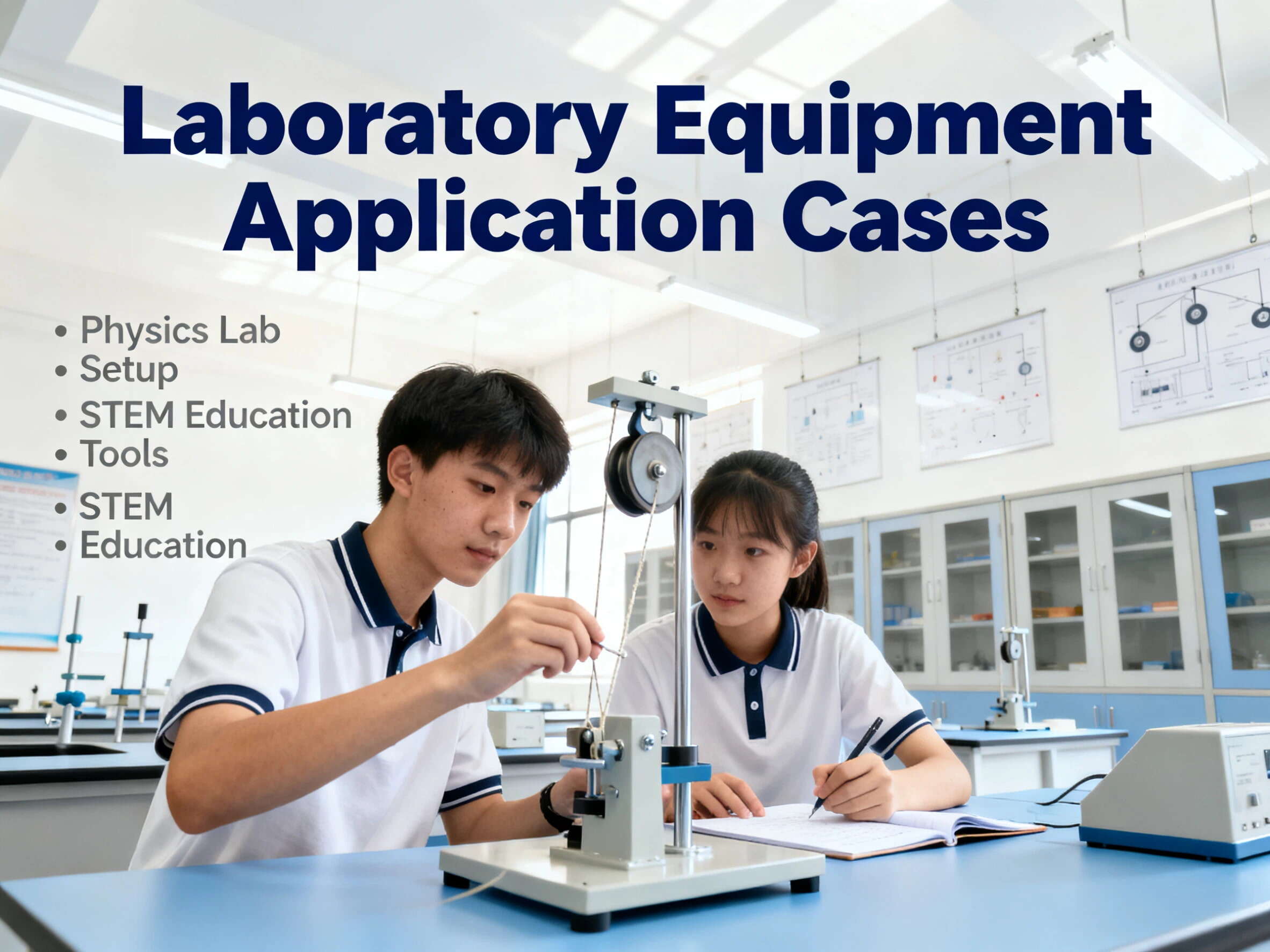
Advanced Hands-On Teaching Equipment: Interactive Learning Solutions for Modern Education

All Categories
Get a Quote

Get a Free Quote

Our representative will contact you soon.
Email
Name
Company Name
Message
0/1000

hands-on teaching equipment

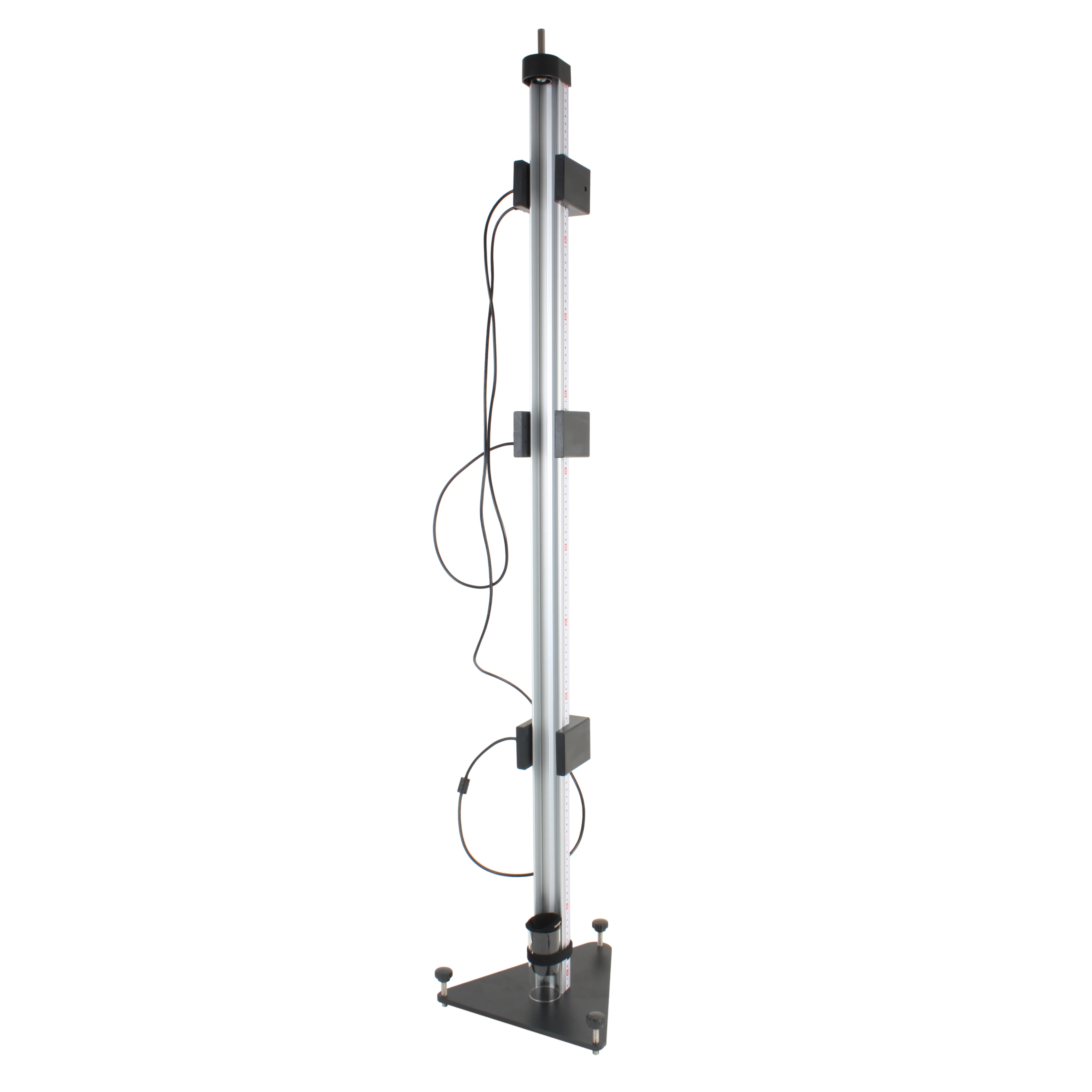
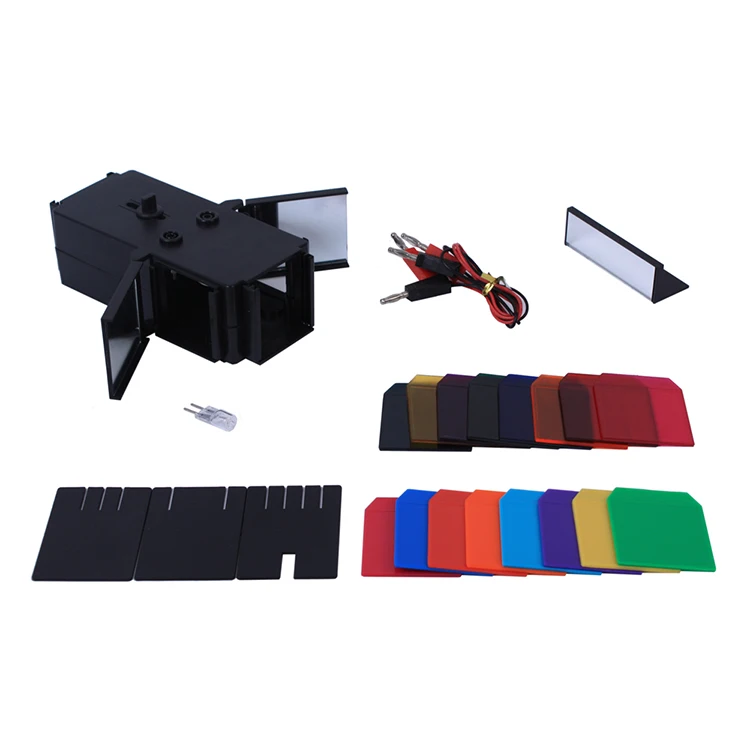
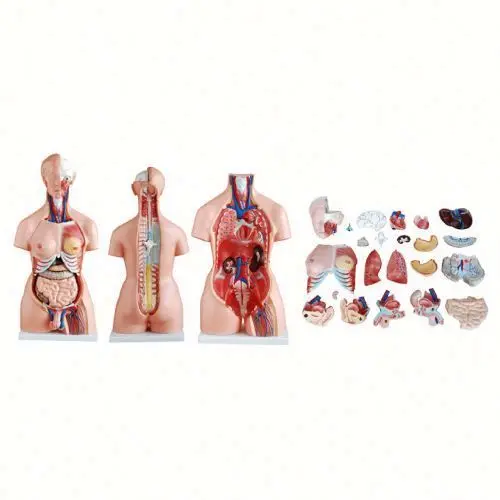
Hands-on teaching equipment represents a revolutionary approach to modern education, transforming traditional classroom environments into dynamic learning spaces where students actively engage with educational content. This comprehensive range of educational tools encompasses interactive whiteboards, digital microscopes, 3D printers, robotics kits, virtual reality headsets, laboratory simulation software, and manipulative learning materials designed to enhance student comprehension through direct experience. The main functions of hands-on teaching equipment center around facilitating experiential learning, where students can touch, manipulate, and experiment with concepts rather than simply observing demonstrations. These tools bridge the gap between theoretical knowledge and practical application, allowing educators to present complex subjects in tangible, understandable formats. Technological features of modern hands-on teaching equipment include wireless connectivity, cloud-based data storage, real-time collaboration capabilities, and adaptive learning algorithms that personalize educational experiences based on individual student progress. Many systems integrate seamlessly with existing school networks, supporting multiple devices simultaneously while maintaining secure data transmission protocols. Advanced hands-on teaching equipment often incorporates artificial intelligence to provide immediate feedback, track learning outcomes, and suggest customized learning paths for different skill levels. Applications span across numerous educational disciplines, from elementary science experiments using digital sensors to advanced engineering projects utilizing computer-aided design software. Mathematics classes benefit from geometric modeling tools and graphing calculators, while language arts programs leverage interactive storytelling platforms and digital publishing systems. Social studies curricula are enhanced through virtual field trips and historical simulation software, creating immersive experiences that transport students to different time periods and locations. The versatility of hands-on teaching equipment makes it suitable for various educational settings, including traditional classrooms, laboratory environments, maker spaces, and distance learning scenarios, ensuring consistent educational quality regardless of physical constraints.
New Products

The implementation of hands-on teaching equipment delivers substantial benefits that transform educational outcomes and student engagement levels across all academic disciplines. Students demonstrate significantly improved retention rates when learning through direct manipulation and experiential activities, as tactile and visual learning experiences create stronger neural pathways than passive listening alone. Research consistently shows that students who use hands-on teaching equipment score higher on standardized tests and exhibit greater enthusiasm for learning challenging subjects. The equipment enables educators to accommodate diverse learning styles simultaneously, ensuring that visual, auditory, and kinesthetic learners all receive optimal educational experiences within the same classroom environment. Teachers report reduced preparation time when using digital lesson planning tools integrated with hands-on teaching equipment, as pre-designed activities and assessment rubrics streamline curriculum delivery. The technology provides immediate feedback mechanisms that allow instructors to identify struggling students quickly and adjust teaching strategies in real-time, preventing learning gaps from developing into larger academic challenges. Cost-effectiveness emerges as a significant advantage, as digital simulations and virtual experiments reduce the need for expensive consumable materials while providing unlimited opportunities for repetitive practice. Schools can conduct advanced scientific experiments and engineering projects without purchasing costly specialized equipment or maintaining hazardous materials, making high-quality education accessible to institutions with limited budgets. Collaboration skills develop naturally as students work together on projects using shared hands-on teaching equipment, preparing them for modern workplace environments that emphasize teamwork and communication. The equipment facilitates differentiated instruction, allowing teachers to present the same concept at multiple complexity levels simultaneously, ensuring that advanced students remain challenged while struggling learners receive additional support. Data analytics capabilities built into modern hands-on teaching equipment provide administrators and teachers with detailed insights into student progress, enabling evidence-based decisions about curriculum modifications and individual student support needs. Professional development opportunities increase as educators learn to integrate new technologies, enhancing their teaching capabilities and career advancement prospects. The equipment supports inclusive education by providing accessibility features for students with disabilities, ensuring equal educational opportunities for all learners regardless of physical or cognitive limitations.

Tips And Tricks

The Silent Revolution in Classrooms: How Advanced Teaching Instruments Are Reshaping Global STEM Education

08

Dec

The Silent Revolution in Classrooms: How Advanced Teaching Instruments Are Reshaping Global STEM Education

View More
Building the Lab of Tomorrow: The Key Role of Durable and Adaptive Teaching Apparatus

08

Dec

Building the Lab of Tomorrow: The Key Role of Durable and Adaptive Teaching Apparatus

View More

Get a Free Quote

Our representative will contact you soon.
Email
Name
Company Name
Message
0/1000

hands-on teaching equipment

Interactive Learning Through Advanced Simulation Technology

Interactive Learning Through Advanced Simulation Technology

Advanced simulation technology represents the cornerstone of modern hands-on teaching equipment, revolutionizing how students interact with complex concepts across multiple academic disciplines. This sophisticated technology creates immersive virtual environments where students can conduct experiments, explore historical events, and manipulate three-dimensional models without the constraints of physical limitations or safety concerns. The simulation software integrates seamlessly with various input devices, including touch screens, motion sensors, and haptic feedback systems, providing multi-sensory learning experiences that engage students on multiple levels simultaneously. Students can perform virtual dissections in biology classes, conduct chemical reactions without handling dangerous substances, or explore molecular structures by manipulating atoms in three-dimensional space. Physics concepts become tangible through interactive simulations that allow students to adjust variables like gravity, friction, and electromagnetic forces while observing real-time changes in system behavior. The technology supports collaborative learning through multi-user environments where students can work together on shared projects, fostering communication skills and peer-to-peer learning opportunities. Advanced analytics track student interactions within simulations, providing teachers with detailed data about learning progress, areas of difficulty, and optimal intervention strategies. The simulation technology adapts to individual learning paces, presenting additional challenges for advanced students while providing extra support and alternative explanations for those who need more time to grasp concepts. Regular software updates ensure that curriculum content remains current with scientific discoveries and technological advances, maintaining educational relevance throughout the equipment's lifespan. Cloud-based storage allows students to access their work from any location, supporting flexible learning schedules and remote education initiatives. The technology's scalability means that schools can start with basic simulation packages and gradually expand capabilities as budgets allow, making advanced educational technology accessible to institutions of all sizes. Professional development programs help teachers maximize the potential of simulation technology, ensuring effective implementation and optimal student outcomes.
Real-Time Assessment and Adaptive Learning Capabilities

Real-Time Assessment and Adaptive Learning Capabilities

Real-time assessment and adaptive learning capabilities distinguish modern hands-on teaching equipment as transformative educational tools that personalize learning experiences for each individual student. These sophisticated systems continuously monitor student interactions, analyze performance patterns, and automatically adjust content difficulty and presentation methods to optimize learning outcomes. The technology employs machine learning algorithms that identify knowledge gaps immediately, providing targeted interventions before misconceptions become entrenched. Students receive instant feedback on their work, allowing them to correct mistakes and reinforce correct understanding without waiting for traditional grading cycles. The adaptive learning system recognizes different learning preferences and automatically modifies content presentation to match individual student needs, whether they learn best through visual diagrams, audio explanations, or hands-on manipulation. Progress tracking occurs seamlessly in the background, creating comprehensive learning profiles that help teachers understand each student's strengths, challenges, and optimal learning pathways. The system generates detailed reports for parents, administrators, and students themselves, promoting transparency and encouraging active participation in the learning process. Predictive analytics identify students at risk of falling behind, enabling proactive support measures that prevent academic difficulties from escalating. The technology supports competency-based learning by allowing students to advance upon mastering concepts rather than following rigid time-based schedules. Differentiated assignments automatically generate based on student performance data, ensuring that each learner receives appropriately challenging work that promotes growth without causing frustration. The assessment tools evaluate not only correct answers but also problem-solving processes, critical thinking skills, and creative approaches to challenges. Integration with learning management systems ensures that assessment data contributes to overall grade calculations and curriculum planning decisions. The adaptive learning capabilities extend beyond individual students to analyze classroom trends, helping teachers identify concepts that require additional attention or alternative teaching approaches. Continuous improvement occurs as the system learns from student interactions across multiple schools and educational contexts, refining its effectiveness over time.
Collaborative Project-Based Learning Integration

Collaborative Project-Based Learning Integration

Collaborative project-based learning integration represents a fundamental strength of hands-on teaching equipment, fostering essential 21st-century skills while delivering deep content understanding through meaningful, real-world applications. This comprehensive approach transforms classrooms into dynamic environments where students work together to solve complex problems, conduct research investigations, and create innovative solutions using professional-grade tools and technologies. The equipment supports seamless collaboration through shared workspaces, simultaneous multi-user access, and real-time synchronization across multiple devices, enabling students to contribute to projects regardless of their physical location. Project management features built into the hands-on teaching equipment help students develop organizational skills, time management abilities, and accountability as they track progress, assign responsibilities, and meet deadlines. Cross-curricular integration occurs naturally as projects incorporate elements from multiple academic disciplines, demonstrating the interconnected nature of knowledge and preparing students for real-world challenges that require diverse skill sets. The technology facilitates authentic assessment through portfolio development, peer evaluation systems, and presentation tools that showcase student learning to authentic audiences beyond the classroom. Communication skills develop organically as students must articulate ideas, negotiate solutions, and present findings to classmates, teachers, and community members. The equipment provides access to professional-grade design software, data analysis tools, and multimedia creation platforms that prepare students for career environments while producing high-quality academic work. Mentorship opportunities emerge as students with different strengths support each other's learning, creating a collaborative culture that values diverse perspectives and contributions. The project-based approach increases student motivation and engagement by connecting learning to personal interests and community needs, making education relevant and meaningful. Documentation tools capture the entire project process, allowing students to reflect on their learning journey and teachers to assess both final products and developmental progress. Global collaboration becomes possible through video conferencing capabilities and shared online workspaces, connecting students with peers, experts, and mentors worldwide. The hands-on teaching equipment supports various project formats, from scientific research investigations to artistic installations, ensuring that all students can find meaningful ways to demonstrate their learning and contribute to collaborative efforts.

Get a Free Quote

Our representative will contact you soon.
Email
Name
Company Name
Message
0/1000