Premium Educational Demonstration Models - Interactive Learning Tools for Enhanced STEM Education

All Categories
Get a Quote

Get a Free Quote

Our representative will contact you soon.
Email
Name
Company Name
Message
0/1000

educational demonstration models

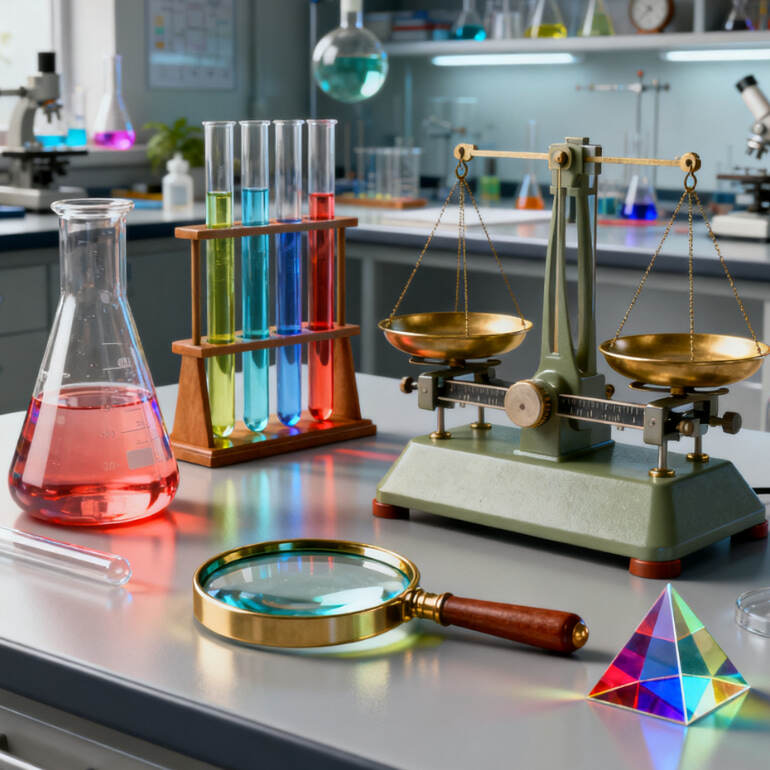
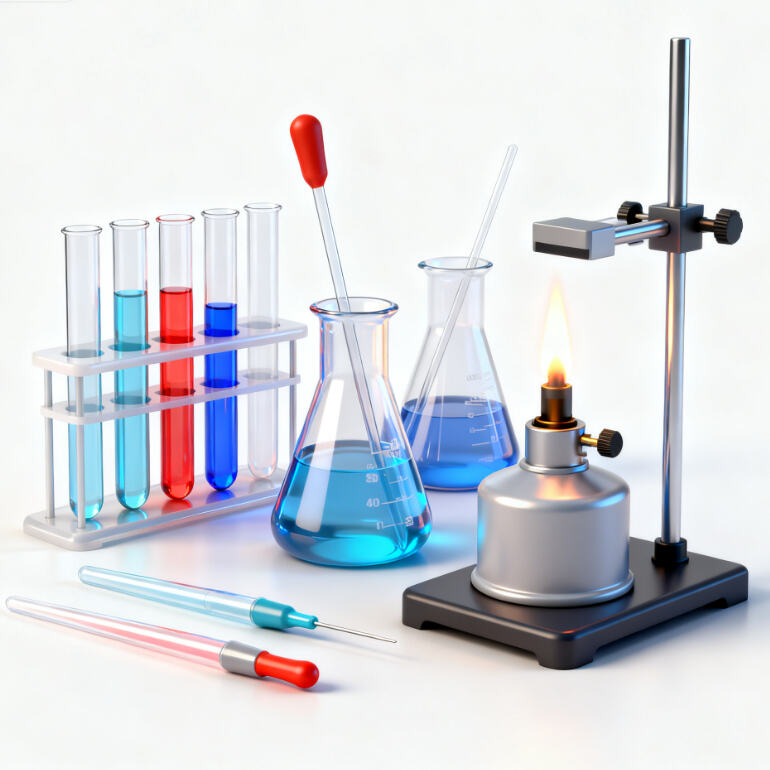
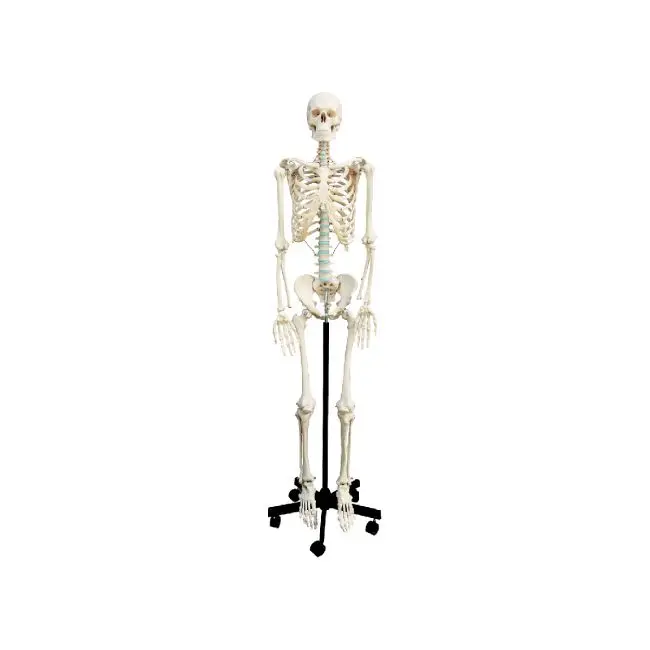
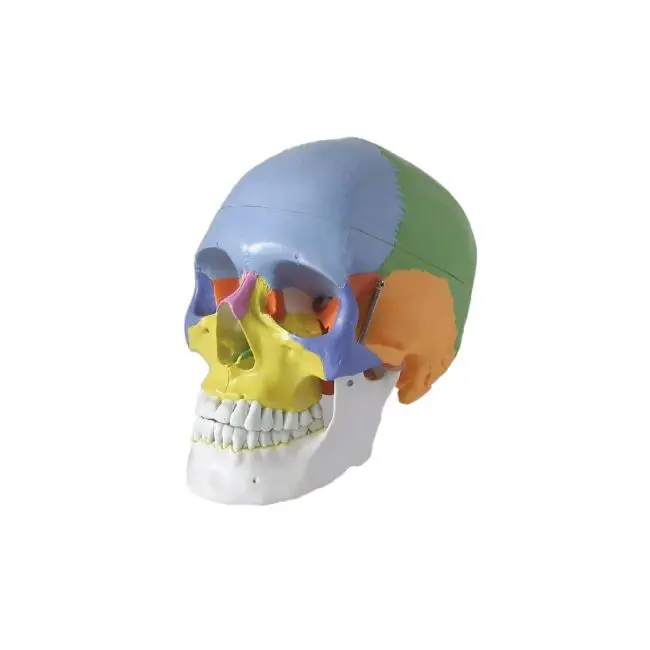
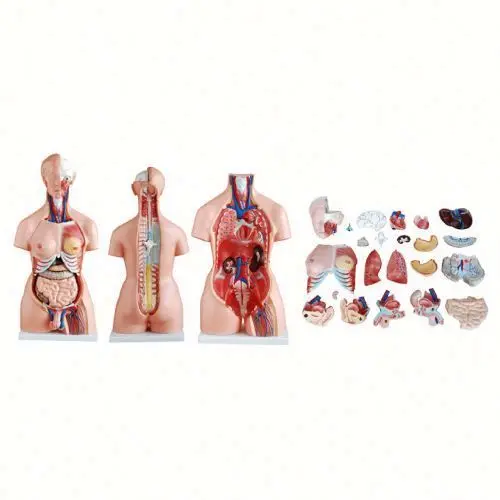
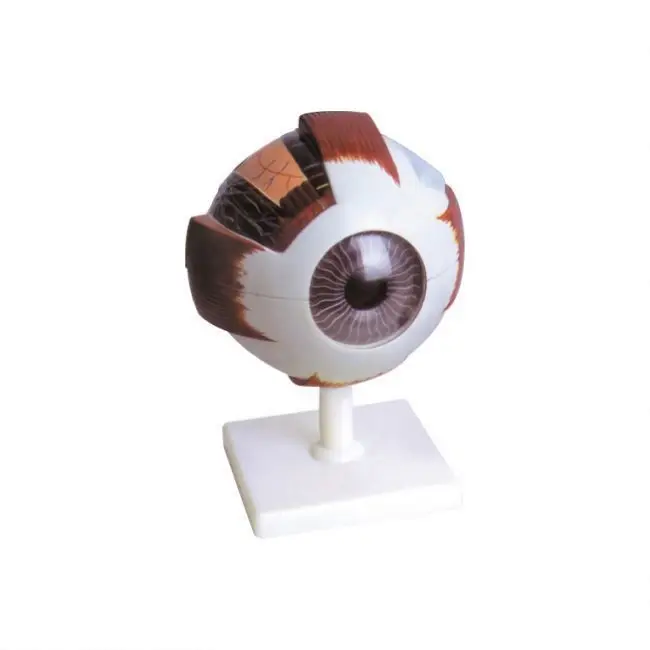
Educational demonstration models represent sophisticated learning tools designed to transform abstract concepts into tangible, interactive experiences for students across various academic disciplines. These three-dimensional representations serve as bridges between theoretical knowledge and practical understanding, enabling educators to present complex ideas through visual and tactile engagement. Modern educational demonstration models incorporate cutting-edge materials and manufacturing techniques to ensure durability, accuracy, and pedagogical effectiveness. These models span numerous subjects including anatomy, physics, chemistry, engineering, geography, and environmental science, providing comprehensive learning solutions for institutions ranging from elementary schools to universities. The technological features of educational demonstration models include precision-engineered components that accurately represent real-world structures and processes. Many models feature modular designs allowing for detailed examination of individual parts and their relationships within larger systems. Advanced models integrate digital components such as LED displays, interactive sensors, and augmented reality capabilities that enhance the learning experience through multimedia integration. Some models incorporate motion mechanisms that demonstrate dynamic processes, while others feature transparent sections revealing internal structures and mechanisms. The materials used in construction typically include high-grade plastics, metals, and composite materials chosen for their educational value and longevity. Applications of educational demonstration models extend across multiple educational settings and purposes. In science classrooms, anatomical models help students understand human body systems, while molecular models illustrate chemical bonding and reactions. Physics models demonstrate principles such as wave propagation, electromagnetic fields, and mechanical systems. Geography models showcase topographical features, climate patterns, and geological formations. Engineering programs utilize structural models to teach design principles and material properties. These educational tools prove invaluable during lectures, laboratory sessions, group discussions, and individual study periods, accommodating diverse learning styles and preferences while promoting deeper comprehension of complex subject matter through hands-on exploration and visual representation.
New Products

Educational demonstration models offer numerous practical benefits that significantly enhance the learning experience for students and teaching effectiveness for educators. These tools provide immediate visual clarity that transforms abstract concepts into concrete understanding, making complex subjects more accessible to learners of all ages and abilities. Students can physically manipulate these models, engaging multiple senses simultaneously and creating stronger memory connections than traditional textbook-based learning alone. This multi-sensory approach accommodates different learning styles, ensuring that visual, kinesthetic, and auditory learners all benefit from enhanced comprehension and retention rates. The durability of modern educational demonstration models ensures long-term value for educational institutions. High-quality construction materials and robust engineering mean these tools withstand repeated use across multiple academic years and student groups. This longevity translates to cost-effectiveness, as institutions can rely on these models for extended periods without frequent replacements or repairs. The initial investment provides ongoing educational value that benefits countless students over time. Interactive features built into many educational demonstration models promote active learning and student engagement. Rather than passive observation, students participate directly in the learning process through hands-on exploration and manipulation. This active involvement increases attention spans, improves focus, and creates memorable learning experiences that students retain long after classroom sessions end. Teachers report higher levels of student participation and enthusiasm when incorporating these models into their curricula. Flexibility represents another significant advantage of educational demonstration models. These tools adapt to various teaching methodologies and classroom environments, supporting both individual and group learning activities. Educators can use models for introductory presentations, detailed examinations, review sessions, and assessment activities. The versatility allows for creative lesson planning and helps maintain student interest throughout different phases of the learning process. Many models feature removable components or adjustable settings that enable progressive learning, where complexity can be gradually introduced as student understanding develops. Professional development benefits extend to educators who use educational demonstration models in their teaching practice. These tools provide opportunities for innovative teaching approaches and help teachers stay current with modern educational methodologies. The visual and interactive nature of model-based instruction often leads to improved student outcomes, which enhances teacher satisfaction and professional confidence. Additionally, the ability to demonstrate concepts clearly and effectively reduces preparation time for lessons while increasing their impact and effectiveness.

Tips And Tricks

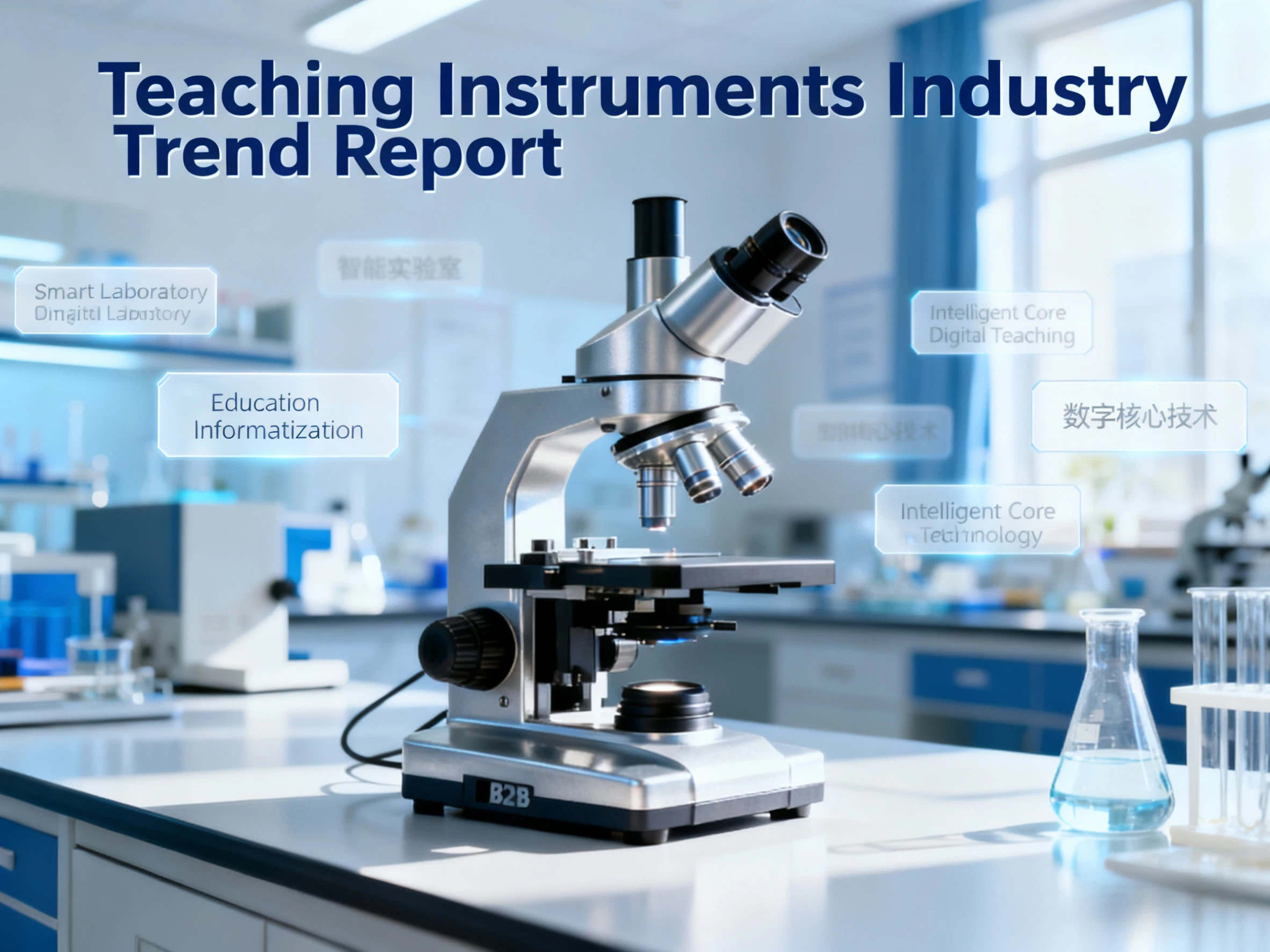
The Silent Revolution in Classrooms: How Advanced Teaching Instruments Are Reshaping Global STEM Education

08

Dec

The Silent Revolution in Classrooms: How Advanced Teaching Instruments Are Reshaping Global STEM Education

View More
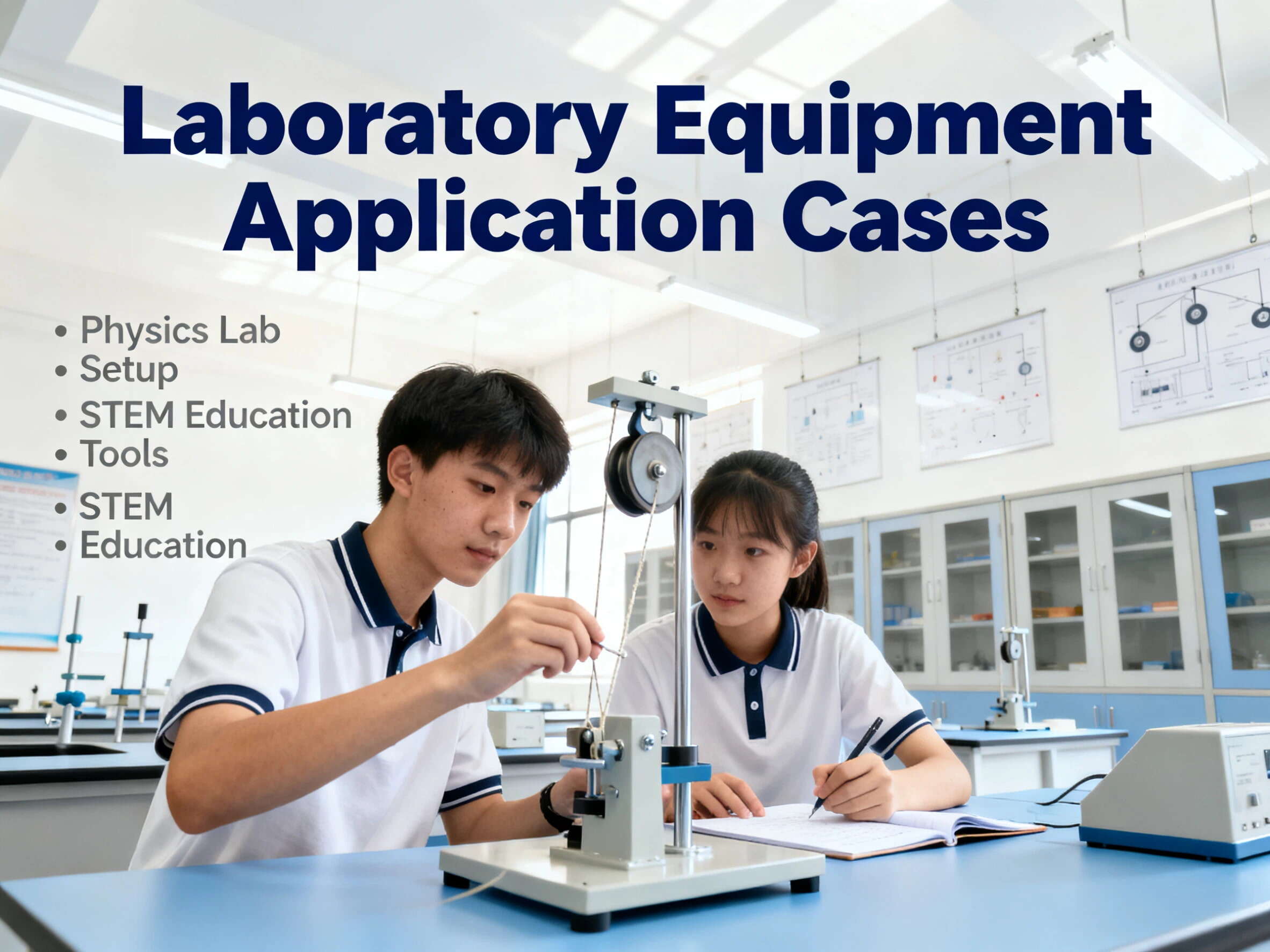
Building the Lab of Tomorrow: The Key Role of Durable and Adaptive Teaching Apparatus

08

Dec

Building the Lab of Tomorrow: The Key Role of Durable and Adaptive Teaching Apparatus

View More

Get a Free Quote

Our representative will contact you soon.
Email
Name
Company Name
Message
0/1000

educational demonstration models

Advanced Interactive Technology Integration

Advanced Interactive Technology Integration

Modern educational demonstration models revolutionize traditional learning through sophisticated technological integration that creates immersive and engaging educational experiences. These advanced models incorporate cutting-edge features such as augmented reality compatibility, interactive touchscreens, wireless connectivity, and programmable LED lighting systems that respond to user interactions. The integration of digital technology allows students to access supplementary information, animations, and detailed explanations through connected devices, creating a seamless blend of physical and digital learning environments. Smart sensors embedded within the models detect student interactions and provide immediate feedback, guiding learners through complex procedures and ensuring proper understanding of demonstrated concepts. Voice-activated features enable hands-free operation, allowing students to request specific information or demonstrations while maintaining focus on the physical model. Bluetooth and Wi-Fi connectivity enable real-time data collection and analysis, allowing educators to track student engagement levels and comprehension progress. These technological enhancements transform static educational tools into dynamic learning platforms that adapt to individual student needs and learning paces. The interactive technology also supports remote learning initiatives by enabling virtual demonstrations and collaborative sessions between distant learners. High-resolution cameras and projection systems integrated into some models allow for detailed close-up views of intricate components, ensuring that every student in the classroom can observe fine details regardless of seating position. Motion-sensing capabilities enable gesture-controlled interactions, making the learning experience more intuitive and engaging for digital-native students. Database connectivity allows models to access updated information and current research findings, ensuring that educational content remains accurate and relevant to contemporary scientific understanding. The technological integration also supports assessment capabilities, with built-in quiz functions and progress tracking that help educators evaluate student comprehension and identify areas requiring additional attention.
Exceptional Educational Versatility and Adaptability

Exceptional Educational Versatility and Adaptability

Educational demonstration models excel in their remarkable versatility and adaptability across diverse academic disciplines, age groups, and learning environments, making them invaluable investments for educational institutions seeking comprehensive teaching solutions. This versatility manifests through modular designs that allow educators to customize demonstrations according to specific curriculum requirements and student skill levels. Components can be assembled and disassembled to focus on particular aspects of complex systems, enabling progressive learning approaches that build understanding systematically. The adaptability extends to interdisciplinary applications, where single models can support multiple subject areas simultaneously, maximizing educational value and resource utilization. For instance, anatomical models serve biology classes while also supporting health education, physical education, and even art programs studying human form and proportion. Physics models demonstrate principles applicable to engineering, mathematics, and technology courses, creating cross-curricular learning opportunities that enhance student understanding of subject interconnections. Scale variations within model collections accommodate different age groups and complexity levels, from elementary school introductions to advanced university research applications. This scalability ensures that educational institutions can maintain consistent learning tools throughout student progression, providing familiarity while increasing sophistication. Language-neutral designs make these models particularly valuable in multicultural educational environments and international schools, where visual learning transcends linguistic barriers. The adaptability also extends to various teaching methodologies, supporting traditional lecture formats, collaborative group work, individual exploration, and project-based learning approaches. Seasonal and thematic adaptations allow models to support special events, science fairs, and public demonstrations, extending their utility beyond regular classroom instruction. Storage and transportation features enable models to move between classrooms, laboratories, and off-site educational events, maximizing accessibility and usage opportunities. Quick-setup mechanisms ensure that valuable class time is devoted to learning rather than equipment preparation, while intuitive operation allows students to work independently with minimal supervision once basic procedures are established.
Superior Quality Construction and Long-Term Durability

Superior Quality Construction and Long-Term Durability

Educational demonstration models distinguish themselves through exceptional construction quality and engineering excellence that ensures reliable performance throughout years of intensive educational use. Premium materials selection prioritizes both educational effectiveness and long-term durability, with manufacturers utilizing high-grade plastics, corrosion-resistant metals, and specialized composites chosen specifically for their ability to withstand repeated handling by students of all ages. Precision manufacturing processes ensure accurate representations that maintain scientific and educational integrity while incorporating safety features that protect users during hands-on exploration. Rigorous quality control standards guarantee that each model meets exacting specifications for dimensional accuracy, color consistency, and mechanical reliability. Reinforced connection points and stress-resistant designs accommodate the demanding requirements of classroom environments where models experience frequent assembly, disassembly, and transportation. Protective coatings and surface treatments resist wear, staining, and fading, maintaining visual appeal and educational effectiveness even after extensive use. The robust construction also includes safety considerations such as rounded edges, non-toxic materials, and secure fastening systems that prevent accidental injury during student interactions. Weatherproof options enable outdoor educational activities and field studies, expanding learning opportunities beyond traditional classroom boundaries. Maintenance requirements remain minimal due to thoughtful design choices that prioritize ease of cleaning and routine care, reducing operational costs and ensuring models remain hygienic for shared use among multiple student groups. Standardized replacement parts availability ensures that minor wear items can be easily replaced without requiring complete model replacement, further extending service life and protecting institutional investments. Warranty programs and manufacturer support services provide additional assurance of long-term value and performance reliability. The superior construction quality also contributes to accurate educational representation, with precise tolerances and attention to detail ensuring that students learn correct concepts and relationships rather than distorted or simplified versions that might impede proper understanding of complex subjects and systems.

Get a Free Quote

Our representative will contact you soon.
Email
Name
Company Name
Message
0/1000