Advanced School Laboratory Equipment: Revolutionary Educational Technology for Modern STEM Programs

All Categories
Get a Quote

Get a Free Quote

Our representative will contact you soon.
Email
Name
Company Name
Message
0/1000

advanced school laboratory equipment

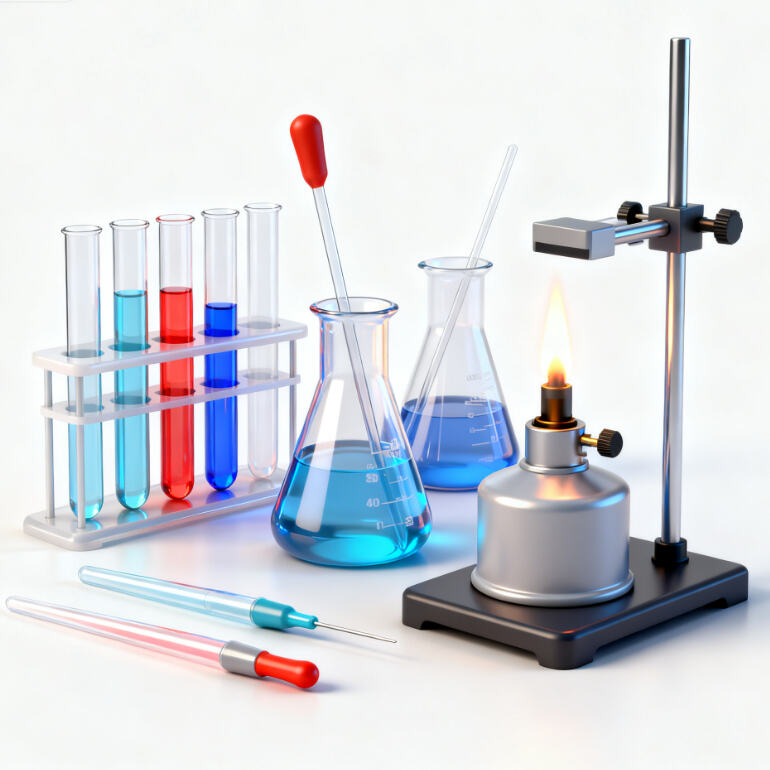
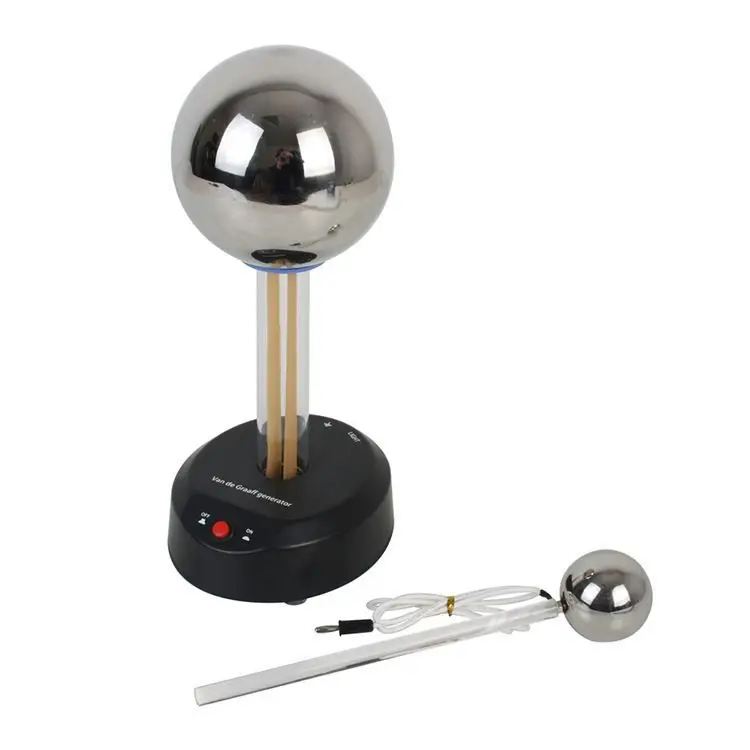
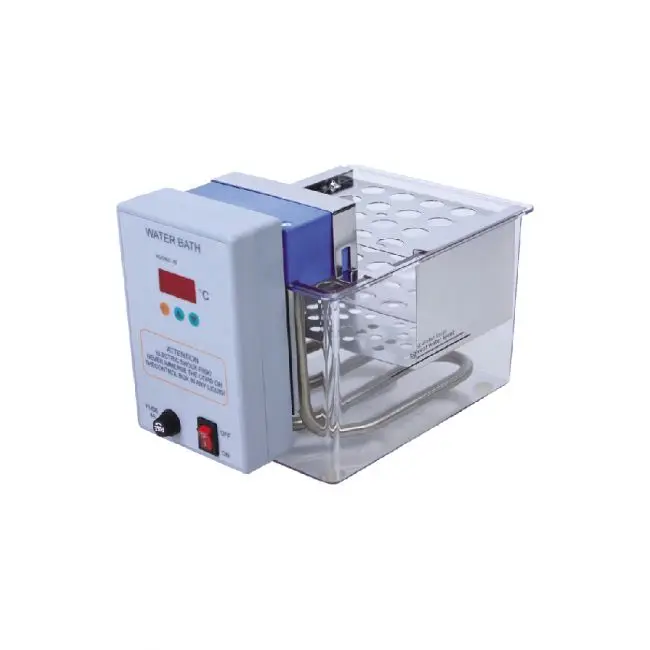
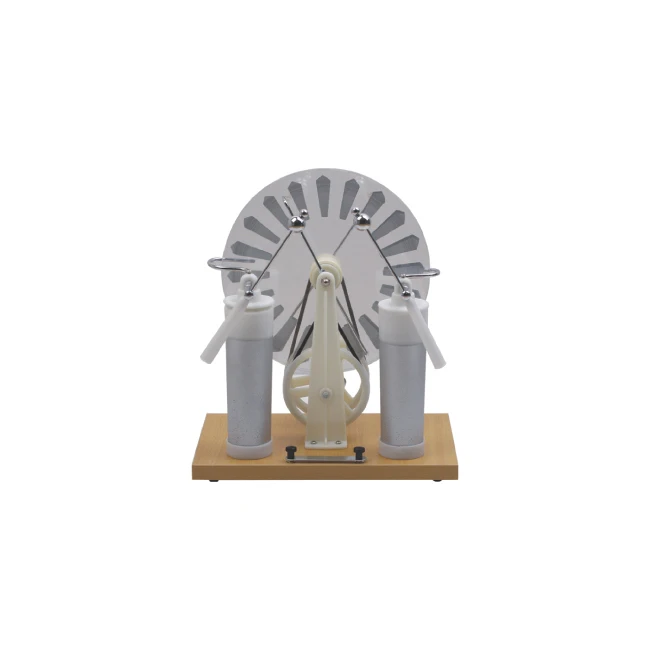
Advanced school laboratory equipment represents a revolutionary approach to modern educational environments, transforming traditional learning spaces into dynamic hubs of scientific discovery and hands-on experimentation. These sophisticated instruments encompass a comprehensive range of cutting-edge technologies designed specifically for educational institutions seeking to enhance their science programs and provide students with authentic laboratory experiences. The main functions of advanced school laboratory equipment include precision measurement, data collection, sample analysis, and real-time monitoring across multiple scientific disciplines including chemistry, biology, physics, and environmental science. These systems integrate seamlessly with digital platforms, enabling students to conduct complex experiments while developing critical thinking skills and scientific methodology. Technological features of advanced school laboratory equipment include touch-screen interfaces, wireless connectivity, automated calibration systems, and cloud-based data storage capabilities. Many units incorporate artificial intelligence algorithms that assist students in interpreting results and identifying patterns within their experimental data. The equipment often features modular designs that allow educators to customize configurations based on specific curriculum requirements and available laboratory space. Safety mechanisms are built into every component, including automatic shut-off systems, contamination alerts, and user authentication protocols that ensure secure operation. Applications of advanced school laboratory equipment span across various educational levels, from middle school introductory courses to advanced placement programs and university-level research projects. Students can perform sophisticated analyses such as spectrophotometry, chromatography, microscopy, and environmental monitoring using professional-grade instruments adapted for educational settings. These tools enable institutions to offer comprehensive STEM programs that prepare students for careers in science, technology, engineering, and mathematics while fostering innovation and scientific literacy throughout their academic journey.

New Product Recommendations

Advanced school laboratory equipment delivers numerous practical benefits that transform educational outcomes and enhance institutional value. Schools investing in these sophisticated systems experience immediate improvements in student engagement levels, as hands-on learning experiences capture attention more effectively than traditional textbook-based instruction. Students develop deeper understanding of scientific concepts through direct interaction with professional-grade instruments, bridging the gap between theoretical knowledge and practical application. The equipment enables educators to demonstrate complex phenomena in real-time, making abstract concepts tangible and accessible to diverse learning styles. Cost-effectiveness emerges as a significant advantage, as modern advanced school laboratory equipment reduces long-term operational expenses through durable construction, minimal maintenance requirements, and energy-efficient designs. Schools eliminate recurring costs associated with consumable materials and frequent equipment replacements, while automated features reduce the need for extensive technical support. The versatility of advanced school laboratory equipment allows institutions to maximize their investment by serving multiple disciplines and grade levels simultaneously. A single sophisticated instrument can support chemistry experiments in the morning, biology research in the afternoon, and physics demonstrations in the evening, optimizing resource utilization across departments. Safety improvements represent another crucial advantage, as advanced school laboratory equipment incorporates comprehensive protection systems that minimize risks to students and staff. Automated monitoring prevents dangerous chemical reactions, while built-in ventilation systems maintain air quality during experiments. Digital interfaces eliminate direct contact with hazardous substances, reducing exposure risks significantly. Data management capabilities streamline administrative tasks, automatically generating reports and tracking student progress through integrated software platforms. Teachers can monitor multiple experiments simultaneously, identify learning gaps quickly, and adjust instruction based on real-time performance metrics. Professional preparation becomes more effective when students work with industry-standard equipment, developing skills directly applicable to future careers in scientific fields. The familiarity gained through educational use translates seamlessly to professional environments, giving graduates competitive advantages in job markets and higher education programs.

Latest News

The Silent Revolution in Classrooms: How Advanced Teaching Instruments Are Reshaping Global STEM Education

08

Dec

The Silent Revolution in Classrooms: How Advanced Teaching Instruments Are Reshaping Global STEM Education

View More
Building the Lab of Tomorrow: The Key Role of Durable and Adaptive Teaching Apparatus

08

Dec

Building the Lab of Tomorrow: The Key Role of Durable and Adaptive Teaching Apparatus

View More

Get a Free Quote

Our representative will contact you soon.
Email
Name
Company Name
Message
0/1000

advanced school laboratory equipment

Intelligent Data Integration and Analysis Systems

Intelligent Data Integration and Analysis Systems

The intelligent data integration and analysis systems built into advanced school laboratory equipment revolutionize how students interact with scientific information and develop analytical thinking skills. These sophisticated systems automatically collect experimental data through multiple sensors and measurement devices, eliminating human error while ensuring precision and consistency across all laboratory activities. Students benefit from real-time data visualization that transforms raw numbers into meaningful graphs, charts, and interactive displays, making complex relationships visible and understandable. The integration capabilities extend beyond basic data collection to include comprehensive analysis tools that guide students through statistical evaluation, trend identification, and hypothesis testing procedures. Machine learning algorithms embedded within the advanced school laboratory equipment help students recognize patterns that might otherwise go unnoticed, fostering deeper scientific understanding and critical thinking development. The cloud-based storage systems ensure that student work remains accessible from any location, enabling collaborative projects and remote learning opportunities that extend beyond traditional classroom boundaries. Teachers can monitor student progress in real-time, identifying areas where additional support may be needed and adjusting instruction accordingly. The data integration systems also facilitate longitudinal studies, allowing students to track changes over extended periods and develop understanding of scientific processes that unfold over time. Advanced school laboratory equipment with these intelligent systems prepares students for modern scientific careers where data analysis skills are essential for success. The seamless integration between hardware and software components creates an intuitive user experience that encourages exploration and experimentation while maintaining rigorous scientific standards. Quality assurance features automatically validate measurements and alert users to potential errors, teaching students the importance of accuracy and precision in scientific work. These systems transform traditional laboratory exercises into engaging, interactive learning experiences that develop both technical skills and scientific reasoning abilities that serve students throughout their academic and professional careers.
Modular Design Flexibility and Scalability

Modular Design Flexibility and Scalability

The modular design flexibility inherent in advanced school laboratory equipment provides educational institutions with unprecedented adaptability to meet evolving curriculum needs and space constraints while maximizing return on investment. This innovative approach allows schools to configure their laboratory setups according to specific educational objectives, student enrollment numbers, and available physical space, ensuring optimal utilization of resources. The modular architecture enables seamless expansion as programs grow, with additional components integrating effortlessly into existing systems without requiring complete equipment overhauls or extensive downtime. Schools can start with basic configurations and gradually add specialized modules as budgets allow and program requirements expand, creating a sustainable approach to laboratory modernization. The flexibility extends to interdisciplinary applications, where the same modular advanced school laboratory equipment can support chemistry experiments during first period, biology investigations during second period, and physics demonstrations during third period, maximizing utilization across multiple departments. Maintenance becomes significantly simplified through the modular design, as individual components can be serviced or replaced without affecting the entire system, reducing downtime and associated costs. The standardized interfaces between modules ensure compatibility across different equipment generations, protecting schools' investments while enabling future upgrades and expansions. Storage efficiency improves dramatically with modular systems, as components can be compactly organized when not in use, freeing valuable laboratory space for other activities. The modularity also supports differentiated instruction approaches, allowing teachers to configure equipment differently for various skill levels and learning objectives within the same classroom. Advanced school laboratory equipment with modular design accommodates rapid curriculum changes and emerging scientific fields, ensuring that educational programs remain current and relevant. The scalability features enable schools to respond quickly to enrollment fluctuations and program modifications without major capital expenditures. Training requirements decrease with modular systems, as staff members need to learn fewer distinct operating procedures, and new modules typically integrate intuitive interfaces consistent with existing components. This design philosophy represents a fundamental shift toward sustainable, adaptable educational infrastructure that evolves with institutional needs rather than requiring periodic wholesale replacements.
Enhanced Safety Protocols and Automated Monitoring

Enhanced Safety Protocols and Automated Monitoring

Enhanced safety protocols and automated monitoring systems integrated into advanced school laboratory equipment establish comprehensive protection frameworks that prioritize student and staff wellbeing while enabling authentic scientific exploration. These sophisticated safety systems continuously monitor environmental conditions, chemical concentrations, and equipment status, providing immediate alerts when parameters exceed safe operating ranges. The automated monitoring capabilities detect potential hazards before they become dangerous, triggering protective responses such as automatic ventilation activation, emergency shutdowns, or containment procedures without requiring human intervention. Advanced school laboratory equipment incorporates multiple redundant safety systems that function independently, ensuring protection even if primary systems experience failures or malfunctions. Biometric access controls and user authentication protocols prevent unauthorized equipment use while maintaining detailed logs of all laboratory activities for accountability and educational assessment purposes. The intelligent monitoring systems learn from usage patterns and environmental conditions, continuously optimizing safety parameters and operational efficiency based on actual laboratory conditions rather than generic factory settings. Emergency response integration connects advanced school laboratory equipment directly to institutional safety systems, automatically notifying security personnel, administrators, and emergency services when serious incidents occur. Chemical inventory management features track hazardous material usage and storage, ensuring compliance with regulatory requirements while preventing dangerous accumulations or incompatible combinations. The automated documentation systems generate comprehensive safety reports that support institutional accreditation processes and demonstrate compliance with educational and environmental regulations. Real-time air quality monitoring protects respiratory health by detecting volatile compounds, particulates, and chemical vapors that could pose risks to laboratory occupants. Advanced school laboratory equipment with these safety features enables schools to offer authentic scientific experiences previously available only in professional research facilities while maintaining the protective environment appropriate for educational settings. The predictive maintenance capabilities identify potential equipment failures before they occur, scheduling maintenance activities during non-instructional periods to minimize disruption while ensuring optimal safety performance. Training modules integrated into the safety systems educate users about proper procedures and emergency protocols, creating a culture of safety awareness that extends beyond the laboratory environment. These comprehensive safety enhancements allow educators to focus on instruction and learning rather than risk management, creating more productive and engaging educational experiences.

Get a Free Quote

Our representative will contact you soon.
Email
Name
Company Name
Message
0/1000