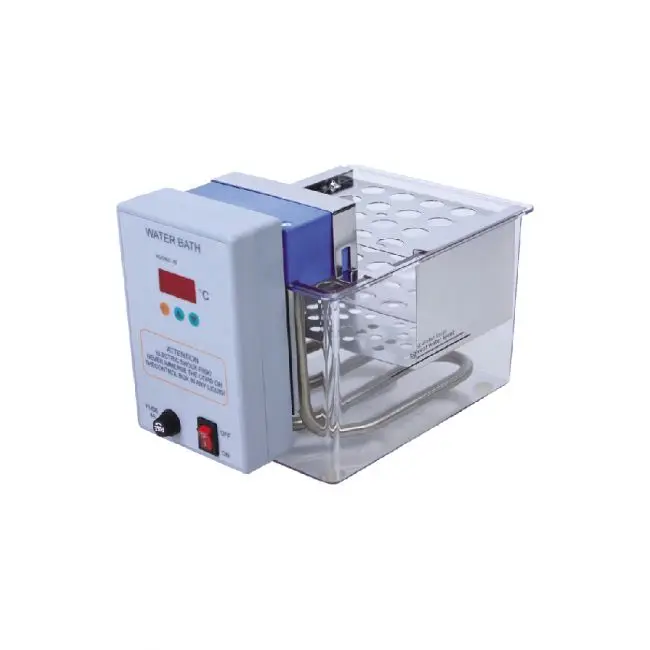
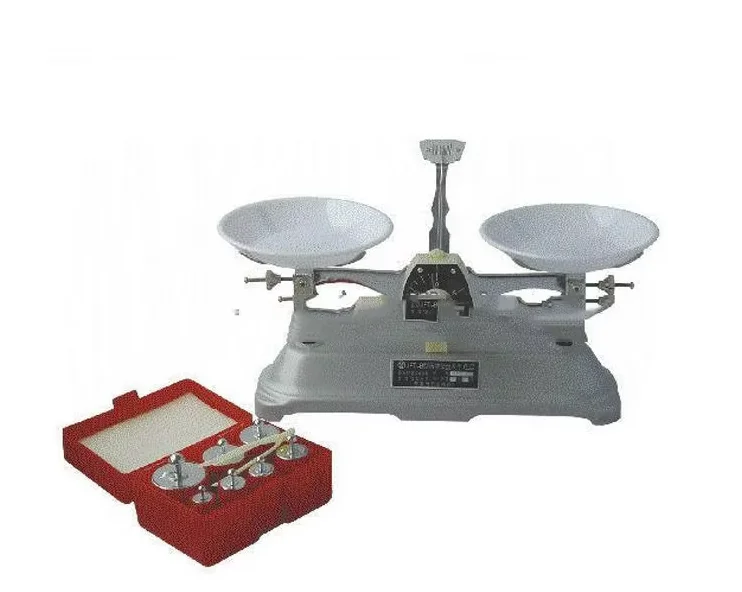
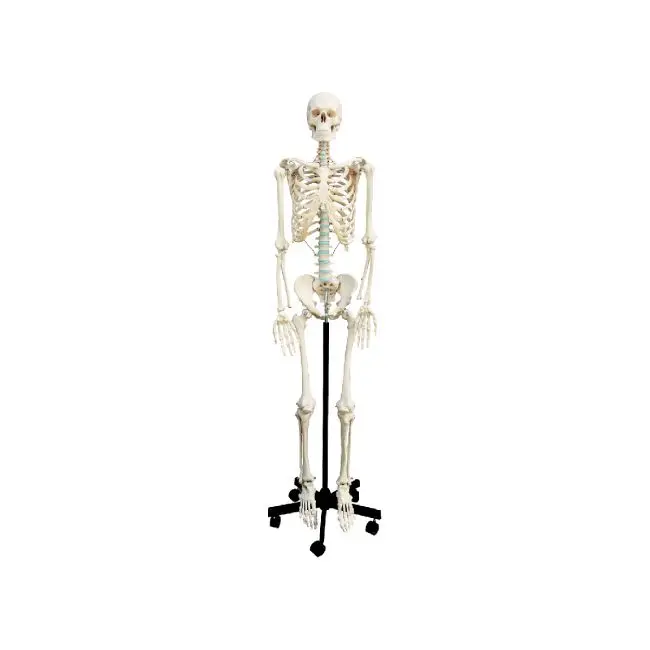
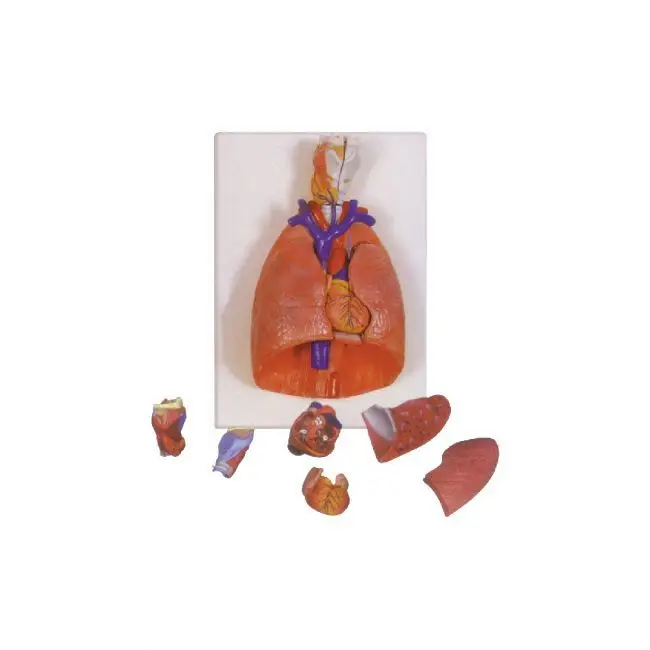
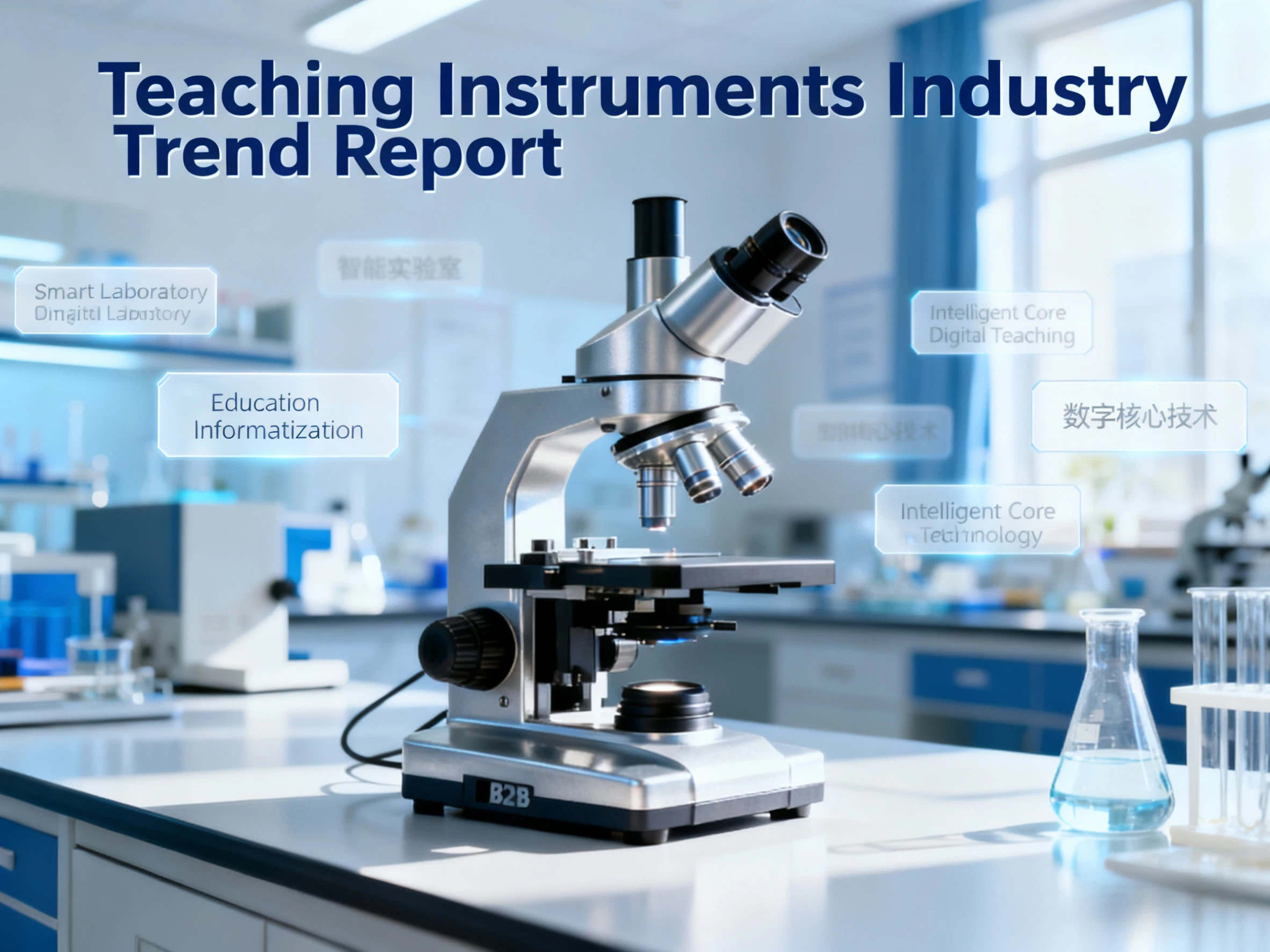
classroom lab instruments
Classroom lab instruments represent essential educational equipment designed to enhance hands-on learning experiences across various scientific disciplines. These sophisticated tools bridge the gap between theoretical knowledge and practical application, enabling students to conduct experiments, analyze data, and develop critical thinking skills. Modern classroom lab instruments encompass a wide range of devices, from basic measurement tools to advanced analytical equipment, all tailored for educational environments. The primary functions of classroom lab instruments include precise measurement, data collection, sample analysis, and experimental verification. These instruments facilitate interactive learning by allowing students to observe phenomena firsthand, manipulate variables, and record observations systematically. Key technological features include digital displays for accurate readings, user-friendly interfaces designed for student operation, robust construction to withstand frequent use, and safety mechanisms to protect young learners. Many contemporary classroom lab instruments integrate wireless connectivity, enabling seamless data transfer to computers and mobile devices for further analysis. The applications of classroom lab instruments span multiple educational levels and subjects, including chemistry, physics, biology, earth sciences, and engineering. In chemistry classes, spectrophotometers and pH meters help students understand molecular structures and chemical reactions. Physics laboratories utilize oscilloscopes, function generators, and motion sensors to demonstrate wave properties and mechanical principles. Biology education benefits from microscopes, centrifuges, and incubators that reveal cellular structures and biological processes. These instruments support various pedagogical approaches, from guided experiments to independent research projects, fostering scientific literacy and preparing students for advanced studies or careers in STEM fields.

 EN
EN