school lab teaching instruments
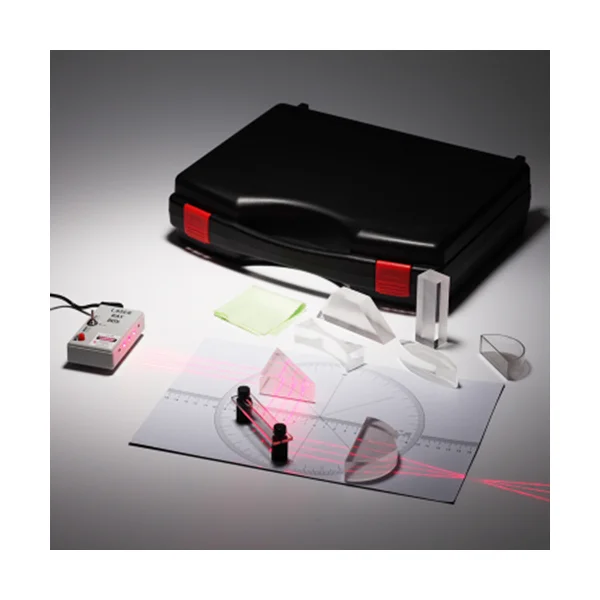
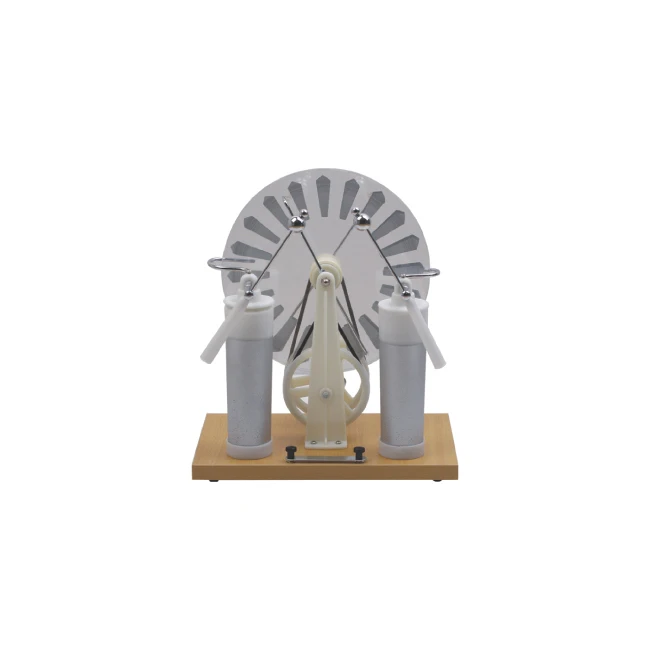
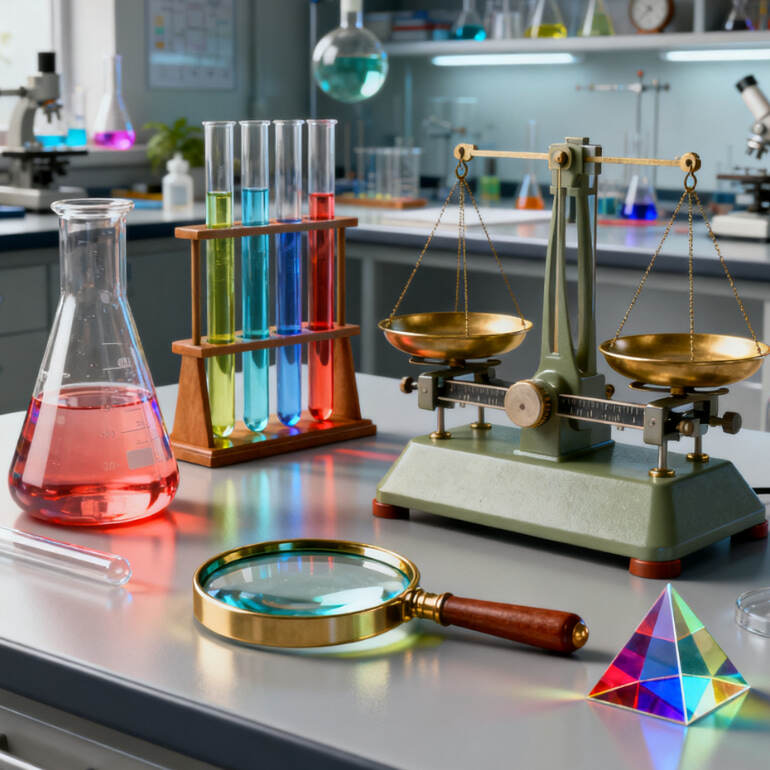
School lab teaching instruments represent essential educational tools that transform theoretical learning into practical, hands-on experiences for students across various scientific disciplines. These sophisticated yet user-friendly devices serve as the cornerstone of modern science education, bridging the gap between classroom theory and real-world applications. The primary function of school lab teaching instruments encompasses facilitating experimental learning, enabling precise measurements, and providing visual demonstrations of scientific principles. These instruments range from basic microscopes and pH meters to advanced spectrophotometers and digital oscilloscopes, each designed to meet specific educational objectives while maintaining safety standards appropriate for student use. The technological features of modern school lab teaching instruments incorporate digital interfaces, automated calibration systems, and wireless connectivity options that enhance the learning experience. Many instruments now feature touchscreen displays, data logging capabilities, and smartphone integration, making them more accessible and engaging for tech-savvy students. Safety mechanisms built into these instruments include protective barriers, automatic shut-off functions, and clear warning systems to prevent accidents during experiments. The applications of school lab teaching instruments span across multiple scientific fields including biology, chemistry, physics, and environmental science. In biology classes, students use microscopes to observe cellular structures, while chemistry students employ analytical balances and titration equipment to understand molecular interactions. Physics students benefit from oscilloscopes and function generators to explore wave properties and electrical phenomena. These instruments also support interdisciplinary learning by allowing students to conduct experiments that combine multiple scientific concepts, fostering a comprehensive understanding of how different fields of science interconnect and influence each other in practical applications.



 EN
EN