
 EN
EN
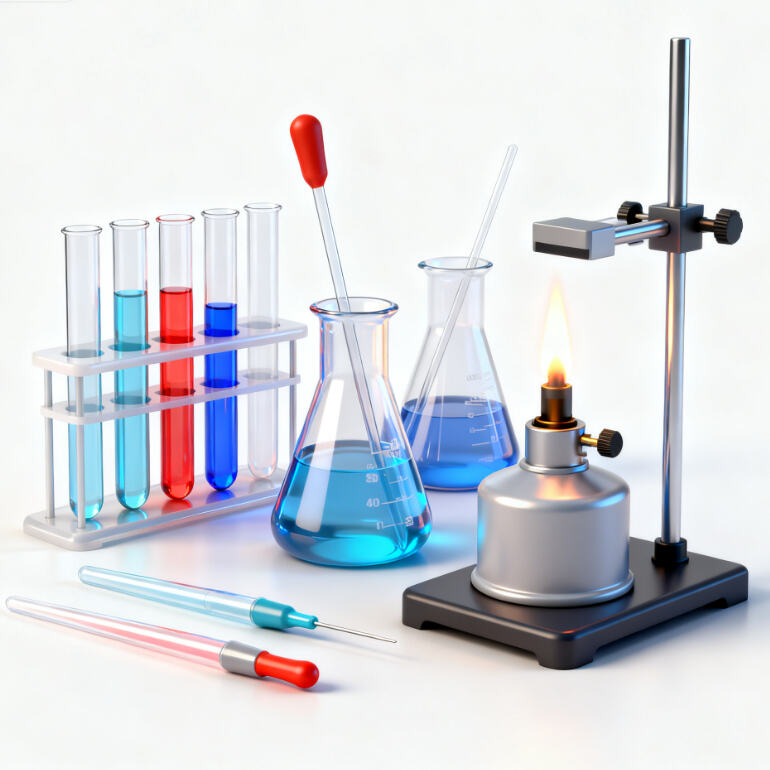
Modern education faces a fundamental challenge: bridging the gap between theoretical knowledge and practical understanding. In science classrooms worldwide, educators struggle to make abstract concepts tangible for students who learn best through hands-on experience. Innovative school laboratory equipment has emerged as the solution to this educational dilemma, transforming how students interact with complex scientific principles and making abstract theories accessible through direct experimentation and observation.
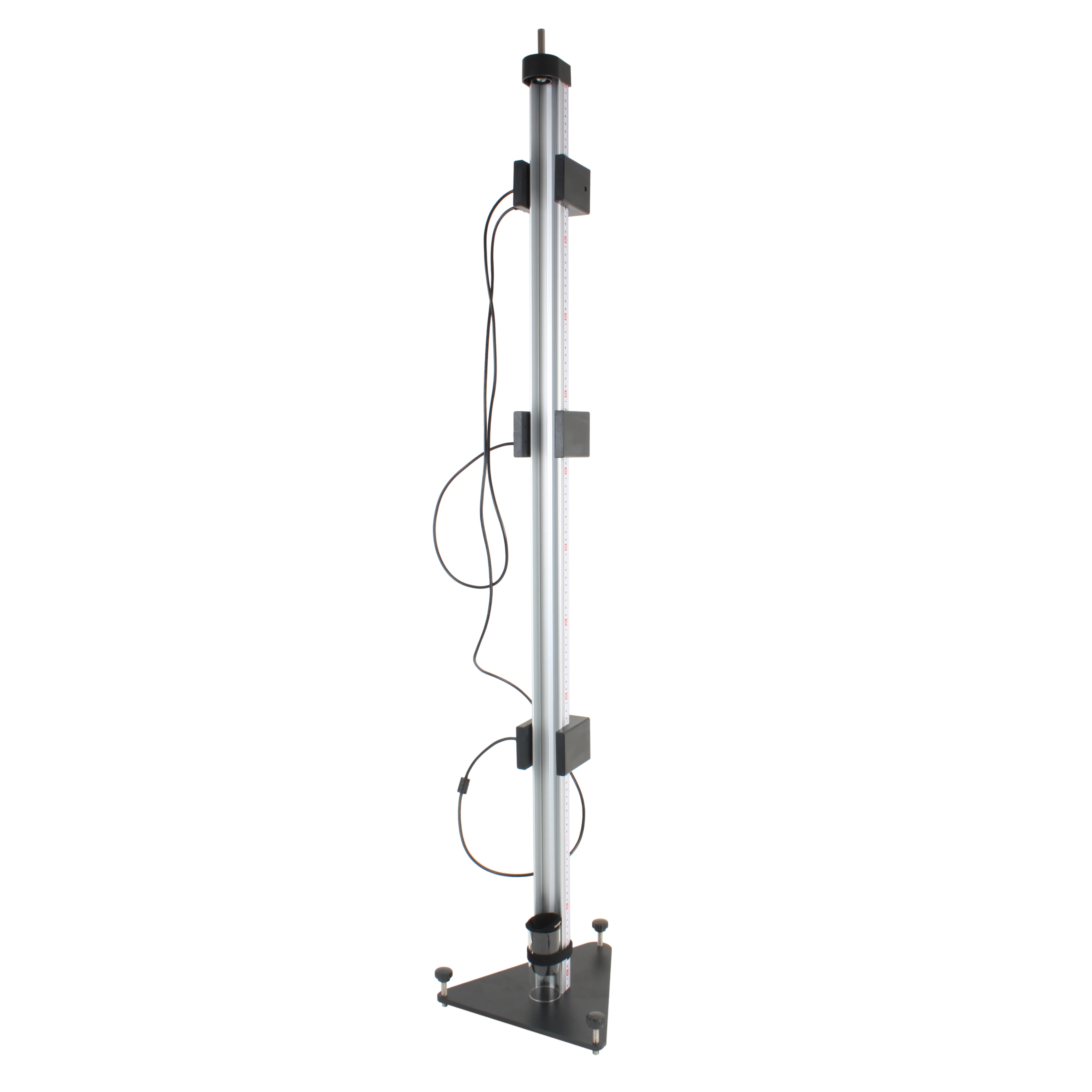
The evolution of school laboratory equipment reflects a deeper understanding of how students learn most effectively. Today's innovative instruments go beyond traditional tools by incorporating interactive features, visual feedback systems, and multi-sensory learning approaches that cater to diverse learning styles. These advanced educational tools enable students to witness scientific phenomena firsthand, conduct meaningful experiments, and develop critical thinking skills that form the foundation of scientific literacy in the 21st century.
The Science Behind Enhanced Learning Through Laboratory Equipment
Cognitive Benefits of Hands-On Scientific Learning
Research in educational psychology consistently demonstrates that students retain information more effectively when they engage multiple senses during the learning process. Innovative school laboratory equipment capitalizes on this principle by providing tactile, visual, and auditory learning experiences that reinforce theoretical concepts. When students manipulate physical apparatus, observe real-time results, and document experimental outcomes, they create neural pathways that strengthen long-term memory retention and conceptual understanding.
The kinesthetic learning component offered by modern school laboratory equipment addresses the needs of students who struggle with traditional lecture-based instruction. These learners benefit significantly from the opportunity to physically interact with scientific instruments, adjust variables, and observe immediate consequences of their actions. This direct engagement transforms abstract formulas and theories into concrete experiences that students can relate to and remember throughout their academic careers.
Building Critical Thinking Skills Through Experimentation
Contemporary school laboratory equipment is designed to encourage inquiry-based learning, where students formulate hypotheses, design experiments, and analyze results independently. This approach develops essential critical thinking skills that extend far beyond the science classroom. Students learn to question assumptions, evaluate evidence, and draw logical conclusions based on empirical data rather than memorized facts.
The iterative nature of laboratory work with innovative equipment teaches students that scientific understanding evolves through repeated observation and refinement of ideas. This process mirrors real-world scientific methodology and prepares students for advanced studies in STEM fields. Modern school laboratory equipment often includes data logging capabilities and digital interfaces that help students track their experimental progress and identify patterns in their results.
Key Features That Make Modern Equipment More Effective
Interactive Digital Integration
Today's innovative school laboratory equipment seamlessly integrates digital technology to enhance the learning experience without overwhelming students with unnecessary complexity. Smart sensors, digital displays, and computer connectivity allow students to collect precise measurements, generate real-time graphs, and analyze data using professional-grade tools. This integration prepares students for the technology-rich environments they will encounter in higher education and professional careers.
The digital components of modern school laboratory equipment also enable remote learning possibilities, allowing students to access experimental data and conduct virtual investigations when physical presence in the laboratory is not possible. This flexibility has become increasingly valuable in contemporary education, providing continuity of learning regardless of external circumstances while maintaining the hands-on approach that makes laboratory education so effective.
Safety Enhancements and User-Friendly Design
Safety considerations have driven significant innovations in school laboratory equipment design, with manufacturers developing instruments that maintain educational effectiveness while minimizing risk to students and instructors. Modern equipment incorporates automatic shut-off features, protective barriers, and clear visual indicators that help students understand proper operating procedures and recognize potential hazards before they become dangerous.
The user-friendly design of contemporary school laboratory equipment reduces the learning curve for both students and teachers, allowing more time to focus on scientific concepts rather than equipment operation. Intuitive controls, clear labeling, and simplified setup procedures enable students to work more independently, fostering confidence and encouraging deeper exploration of scientific phenomena without constant instructor supervision.
Transforming Abstract Concepts Into Tangible Experiences
Physics Concepts Made Visible
Physics education particularly benefits from innovative school laboratory equipment that demonstrates invisible forces and abstract principles through observable phenomena. Equipment designed for mechanics experiments allows students to witness the effects of gravity, friction, and momentum in controlled conditions where variables can be isolated and measured precisely. School laboratory equipment for impact and motion studies enables students to explore concepts like kinetic energy transfer and collision dynamics through direct observation and measurement.
Modern physics apparatus incorporates visual feedback systems that make abstract concepts like wave interference, electromagnetic fields, and thermal dynamics visible to students. These innovations transform theoretical discussions into engaging demonstrations where students can manipulate variables and observe immediate changes in system behavior. This direct cause-and-effect relationship helps students develop intuitive understanding of physical principles that often seem counterintuitive when presented only through mathematical equations.
Chemistry Visualization and Safe Experimentation
Chemistry education has been revolutionized by school laboratory equipment that allows students to observe molecular interactions, reaction kinetics, and chemical equilibrium in real-time. Advanced spectrophotometers, pH monitoring systems, and reaction vessels with transparent components enable students to witness chemical changes as they occur, rather than simply observing end products and inferring what happened during the reaction process.
The safety enhancements built into modern chemistry school laboratory equipment allow students to explore potentially dangerous reactions through simulation and controlled micro-scale experiments. This approach maintains the educational value of hands-on chemistry learning while protecting students from hazardous materials and dangerous reaction conditions. Students gain authentic laboratory experience without compromising safety standards or limiting their exposure to important chemical principles.
Impact on Student Engagement and Academic Performance
Increased Participation and Interest in STEM Fields
Schools that invest in innovative school laboratory equipment consistently report higher levels of student engagement in science courses and increased enrollment in advanced STEM classes. The hands-on nature of modern laboratory work appeals to students who might otherwise find science courses abstract or irrelevant to their interests. When students can manipulate variables, observe results, and draw their own conclusions, they develop a sense of ownership over their learning that translates into sustained interest in scientific inquiry.
The problem-solving aspects inherent in laboratory work with advanced school laboratory equipment help students develop confidence in their analytical abilities. This confidence often extends beyond science courses, as students apply critical thinking skills learned in the laboratory to other academic subjects and real-world challenges. Teachers report that students who regularly engage with hands-on laboratory equipment demonstrate improved performance not only in science courses but across their entire academic program.
Preparation for Advanced Studies and Career Readiness
Students who learn with modern school laboratory equipment enter higher education with practical experience using scientific instruments and analytical techniques. This preparation gives them significant advantages in college-level courses where laboratory skills are assumed rather than taught from the beginning. Universities increasingly recognize the value of students who arrive with hands-on experience using professional-grade scientific equipment.
The technical skills developed through interaction with innovative school laboratory equipment directly translate to career readiness in STEM fields. Students learn to troubleshoot equipment problems, calibrate instruments, and maintain experimental apparatus—skills that are highly valued in research, manufacturing, and quality control positions. This practical preparation bridges the gap between academic learning and professional application, making graduates more competitive in the job market.
Implementation Strategies for Maximum Educational Impact
Teacher Training and Professional Development
The effectiveness of innovative school laboratory equipment depends heavily on proper teacher preparation and ongoing professional development. Educators must understand not only how to operate new instruments but also how to integrate them effectively into existing curriculum structures. Professional development programs that combine technical training with pedagogical best practices ensure that teachers can maximize the educational potential of their laboratory investments.
Successful implementation of advanced school laboratory equipment requires teachers who can adapt their instructional methods to take advantage of new capabilities while maintaining clear learning objectives. Training programs should emphasize inquiry-based teaching methods that encourage student exploration while providing appropriate guidance and structure. Teachers also need support in developing assessment strategies that evaluate both conceptual understanding and practical laboratory skills.
Curriculum Integration and Cross-Disciplinary Applications
Modern school laboratory equipment offers opportunities for cross-disciplinary learning that extends beyond traditional science boundaries. Mathematics concepts become more concrete when students use laboratory instruments to collect data, create graphs, and analyze statistical relationships. Engineering design principles emerge naturally when students modify experimental setups to test different hypotheses or optimize measurement procedures.
The versatility of contemporary school laboratory equipment enables teachers to design projects that span multiple academic disciplines while maintaining rigorous scientific standards. Students might explore the physics of sound waves while studying musical instruments in arts classes, or investigate chemical processes that relate to environmental science and social studies topics. This integrated approach helps students understand the interconnected nature of knowledge and develops their ability to apply scientific thinking to diverse situations.
FAQ
How does innovative school laboratory equipment improve student comprehension compared to traditional teaching methods?
Innovative school laboratory equipment improves student comprehension by engaging multiple learning modalities simultaneously, allowing students to see, touch, and manipulate the scientific concepts they are studying. This multi-sensory approach creates stronger neural pathways for memory formation and helps students develop intuitive understanding of abstract principles. Research shows that students retain up to 90% of information when they actively participate in hands-on learning experiences, compared to only 10% retention from passive listening to lectures.
What safety features should schools look for when selecting modern laboratory equipment?
Modern school laboratory equipment should include automatic shut-off mechanisms, protective barriers or enclosures, clear visual and auditory warning systems, and fail-safe designs that prevent dangerous misuse. Look for equipment with intuitive controls that minimize the risk of operator error, materials that are non-toxic and environmentally safe, and instruments that meet or exceed international safety standards. The best equipment also includes comprehensive safety documentation and training materials to ensure proper use by both teachers and students.
How can schools maximize their investment in new laboratory equipment while working within budget constraints?
Schools can maximize their laboratory equipment investment by choosing versatile instruments that support multiple curriculum areas and grade levels, prioritizing equipment that offers the greatest educational impact per dollar spent, and developing phased implementation plans that spread costs over several budget cycles. Consider equipment that can grow with student capabilities, offers upgrade possibilities, and includes comprehensive training and support packages. Partnering with other schools for bulk purchasing or sharing expensive specialized equipment can also reduce individual costs while providing access to advanced tools.
What role does digital integration play in making laboratory equipment more educationally effective?
Digital integration in school laboratory equipment enhances educational effectiveness by providing real-time data collection and analysis capabilities, enabling students to visualize abstract concepts through graphs and digital displays, and offering connectivity that supports collaborative learning and data sharing. Digital features also allow for remote monitoring and virtual experimentation possibilities, making laboratory learning more accessible and flexible. However, the digital components should enhance rather than replace hands-on manipulation and direct observation of physical phenomena.
Table of Contents
- The Science Behind Enhanced Learning Through Laboratory Equipment
- Key Features That Make Modern Equipment More Effective
- Transforming Abstract Concepts Into Tangible Experiences
- Impact on Student Engagement and Academic Performance
- Implementation Strategies for Maximum Educational Impact
-
FAQ
- How does innovative school laboratory equipment improve student comprehension compared to traditional teaching methods?
- What safety features should schools look for when selecting modern laboratory equipment?
- How can schools maximize their investment in new laboratory equipment while working within budget constraints?
- What role does digital integration play in making laboratory equipment more educationally effective?