
 EN
EN
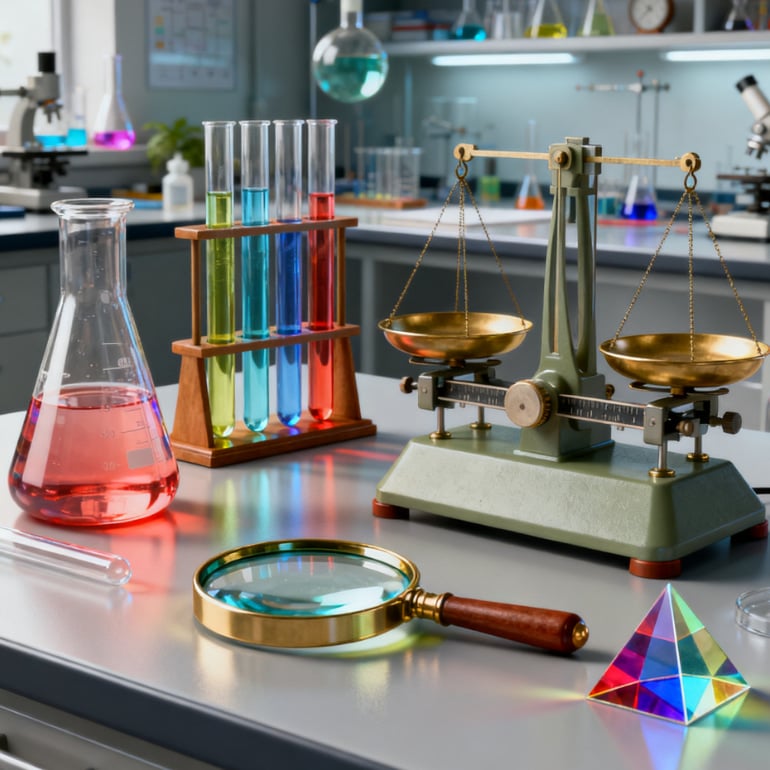
Science equipment forms the backbone of every successful experiment, educational demonstration, and research initiative. Whether you work in a high school laboratory, university research facility, or industrial testing center, understanding the purpose and function of key science equipment is essential for accurate results and student learning outcomes. The right science equipment enables precise measurements, controlled conditions, and repeatable findings that drive scientific discovery forward.
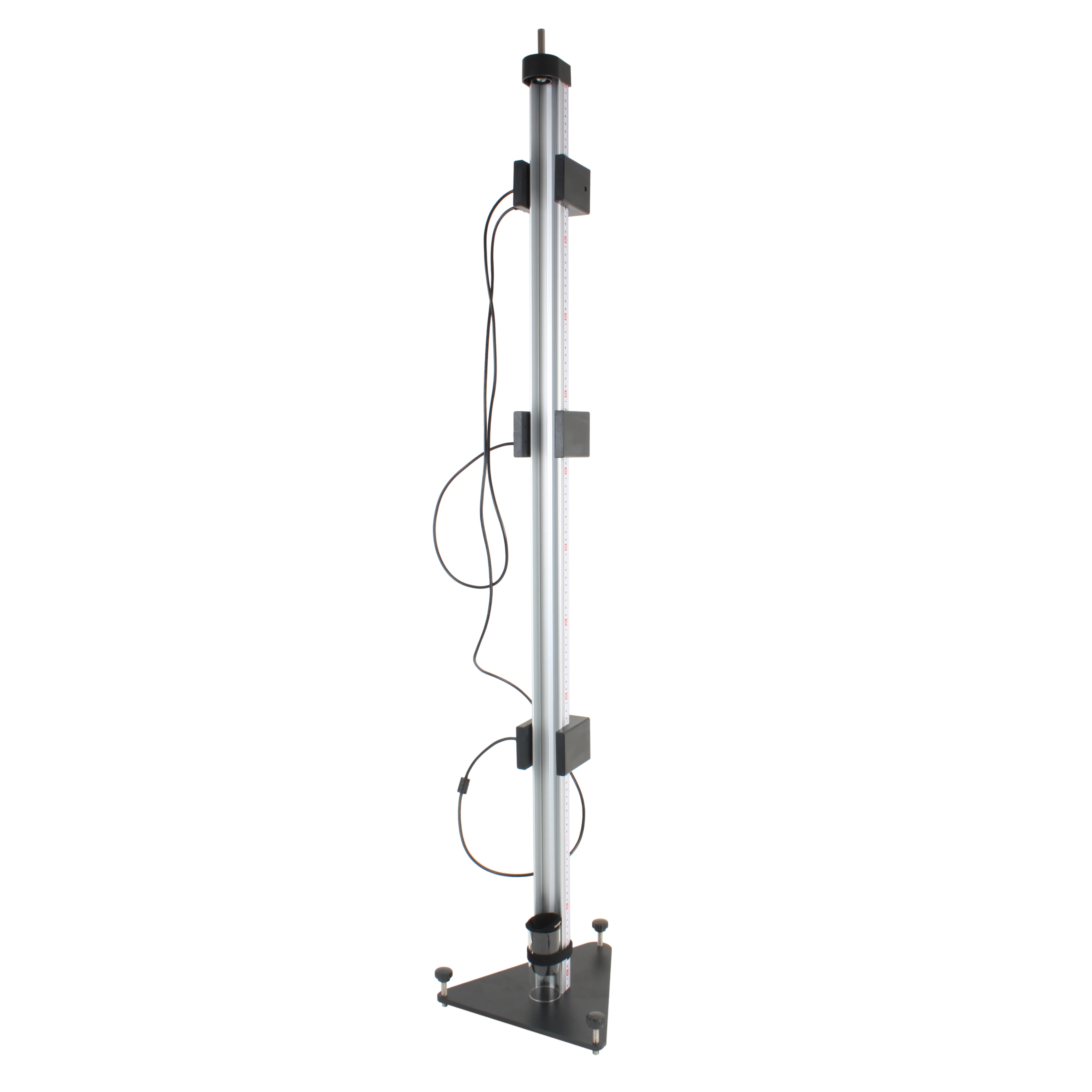
Properly selected science equipment ensures that experiments produce reliable data while maintaining safety standards for all participants. From microscopes to spectrometers, each type of science equipment serves a distinct function in advancing knowledge and building practical skills among students and professionals alike. This guide explores ten fundamental categories of science equipment and explains how each contributes to experimental success across diverse scientific disciplines.
Microscopes and Magnification Equipment
Optical Microscopes in Detail
Optical microscopes represent one of the most recognizable forms of science equipment in educational and research settings. These instruments magnify specimens using visible light and a series of precisely ground glass lenses to reveal cellular structures, microorganisms, and tissue samples invisible to the naked eye. Quality science equipment like optical microscopes typically offers magnification ranging from 40x to 1000x, allowing researchers to observe bacterial colonies, plant cells, and mineral structures with extraordinary clarity. The design of this science equipment includes eyepieces, objective lenses, a stage, and illumination systems that work together to produce clear, focused images for detailed analysis and documentation.
Specialized Magnification Science Equipment
Beyond traditional optical setups, electron microscopes represent advanced science equipment that uses electron beams instead of light to achieve magnification levels exceeding 100,000x. This type of science equipment enables scientists to visualize molecular structures, viruses, and cellular components at scales previously impossible to observe. Stereomicroscopes function as another critical category of science equipment, offering three-dimensional viewing of larger specimens like insects, minerals, or electronic components. Each variant of this science equipment addresses specific research needs while maintaining precision and reliability essential for experimental accuracy.
Measurement and Analysis Science Equipment
Spectrophotometers and Analytical Tools
Spectrophotometers exemplify sophisticated science equipment designed to measure light absorption and transmission through samples across various wavelengths. This science equipment proves invaluable in chemistry, biology, and materials science, where quantifying chemical concentrations, analyzing protein content, or assessing pigment properties requires precise optical measurement. The internal design of this science equipment includes light sources, wavelength selectors, sample holders, and sensitive detectors that convert light signals into measurable data. Proper calibration and maintenance of this science equipment ensure accuracy and reproducibility across multiple experiments and laboratory sessions.
pH Meters and Environmental Measurement Equipment
pH meters represent essential science equipment for any laboratory performing chemical reactions, biological studies, or water quality assessments. This portable science equipment rapidly measures acidity or alkalinity through electrochemical sensors, providing instant readings that guide experimental protocols and quality control procedures. Beyond pH measurement, science equipment in this category includes dissolved oxygen sensors, conductivity meters, and temperature probes that characterize solution properties. Modern science equipment integrates digital displays and data-logging capabilities, allowing researchers to document measurements automatically and track changes over extended experimental periods.
Preparation and Containment Science Equipment
Centrifuges and Separation Technology
Centrifuges exemplify science equipment that separates components based on density differences through high-speed rotation. This science equipment serves critical functions in molecular biology, where DNA extraction, cell separation, and protein purification depend on reliable centrifugation. Laboratory-grade science equipment in this category ranges from tabletop models suitable for educational settings to industrial-scale instruments handling large sample volumes. The rotor design, speed control, and temperature regulation features of this science equipment directly impact separation efficiency and sample integrity throughout extended processing periods.
Sterilization and Safety Containment Equipment
Autoclaves represent indispensable science equipment for sterilizing laboratory instruments, media, and waste materials through high-pressure steam exposure. This science equipment maintains strict temperature and pressure parameters to eliminate microorganisms and ensure consistent sterilization across all processed materials. Biosafety cabinets function as another category of protective science equipment, containing hazardous biological materials while shielding laboratory personnel from potential exposure. Fume hoods and laminar flow benches similarly constitute critical science equipment that controls air flow patterns to protect both samples and operators during chemical or biological work. Each type of this science equipment incorporates specific design features addressing safety, sterility, and experimental integrity requirements.
Temperature Control and Precision Apparatus
Incubators and Growth Equipment
Incubators exemplify specialized science equipment that maintains precise temperature, humidity, and atmospheric conditions for cultivating microorganisms, cell cultures, and biological samples. Educational-grade science equipment in this category provides temperature stability essential for bacterial growth studies, fermentation experiments, and developmental biology research. Advanced science equipment incorporates programmable controls, carbon dioxide systems, and humidity management to replicate specific environmental conditions required by different organisms. The reliability and consistency of this science equipment directly influence experimental success rates and reproducibility across multiple cultivation cycles.
Heating and Cooling Apparatus
Hot plates, water baths, and temperature-controlled magnetic stirrers represent versatile science equipment supporting countless chemical reactions and analytical procedures. This science equipment enables controlled heating of solutions while maintaining safety parameters and preventing thermal damage to heat-sensitive samples or equipment. Cryogenic freezers and ultra-low temperature storage units constitute another category of this science equipment, preserving biological specimens, enzymes, and reagents for extended periods without degradation. Proper selection and maintenance of temperature-control science equipment ensures accuracy in experimental procedures while extending the useful life of expensive laboratory samples and reagents.
FAQ
Why do laboratories invest in multiple types of science equipment?
Laboratories invest in diverse science equipment because different experiments require distinct measurement, control, and analysis capabilities. A single piece of science equipment cannot simultaneously magnify specimens, measure chemical concentrations, separate components, and maintain specific environmental conditions. By maintaining comprehensive collections of specialized science equipment, laboratories maximize experimental flexibility while ensuring researchers have appropriate tools for diverse scientific questions. This investment in varied science equipment ultimately increases throughput, improves data quality, and reduces errors from using inappropriate or makeshift measurement approaches.
How does proper maintenance extend science equipment lifespan?
Regular maintenance of science equipment prevents mechanical wear, calibration drift, and component degradation that compromise experimental accuracy and accelerate equipment failure. Cleaning optics in microscopes, verifying calibration of measuring science equipment, and replacing worn seals in centrifuges collectively extend equipment functionality and maintain precision. Documented maintenance schedules and adherence to manufacturer guidelines for science equipment usage significantly reduce unexpected downtime and repair costs. Laboratory managers who prioritize maintenance of their science equipment realize improved cost-effectiveness, more reliable experimental results, and extended equipment life compared to facilities with reactive maintenance approaches.
What training should users receive before operating laboratory science equipment?
Users operating specialized science equipment should receive comprehensive training covering safety protocols, proper usage procedures, calibration verification, and troubleshooting common issues. Effective training in science equipment operation prevents accidents, reduces sample waste from incorrect procedures, and improves consistency of experimental results across different users. Organizations should provide written documentation specific to each piece of science equipment along with hands-on supervised practice before independent operation. Investment in thorough science equipment training reduces operational errors, minimizes equipment damage, and ensures compliance with institutional safety policies and regulatory requirements.