
 EN
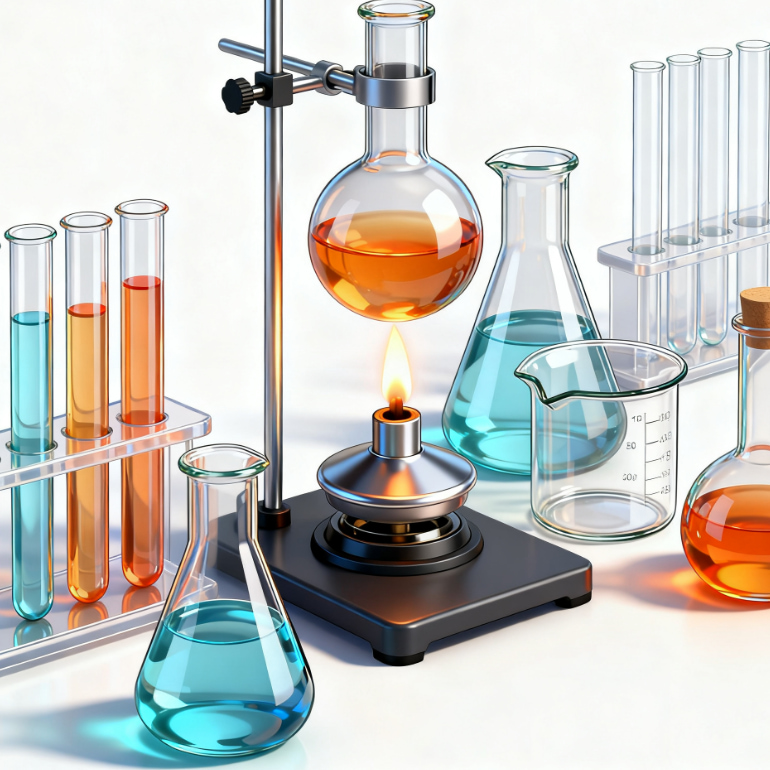
The foundation of any productive laboratory rests on the quality and appropriateness of science equipment available to researchers and educators. Modern science depends not just on methodology and theory, but on the instruments that measure, observe, and quantify the natural world. Without proper science equipment, even the most brilliant research questions cannot be adequately addressed, and educational goals remain elusive. The right collection of science equipment transforms a space into a functional hub of discovery where experiments succeed and knowledge advances.
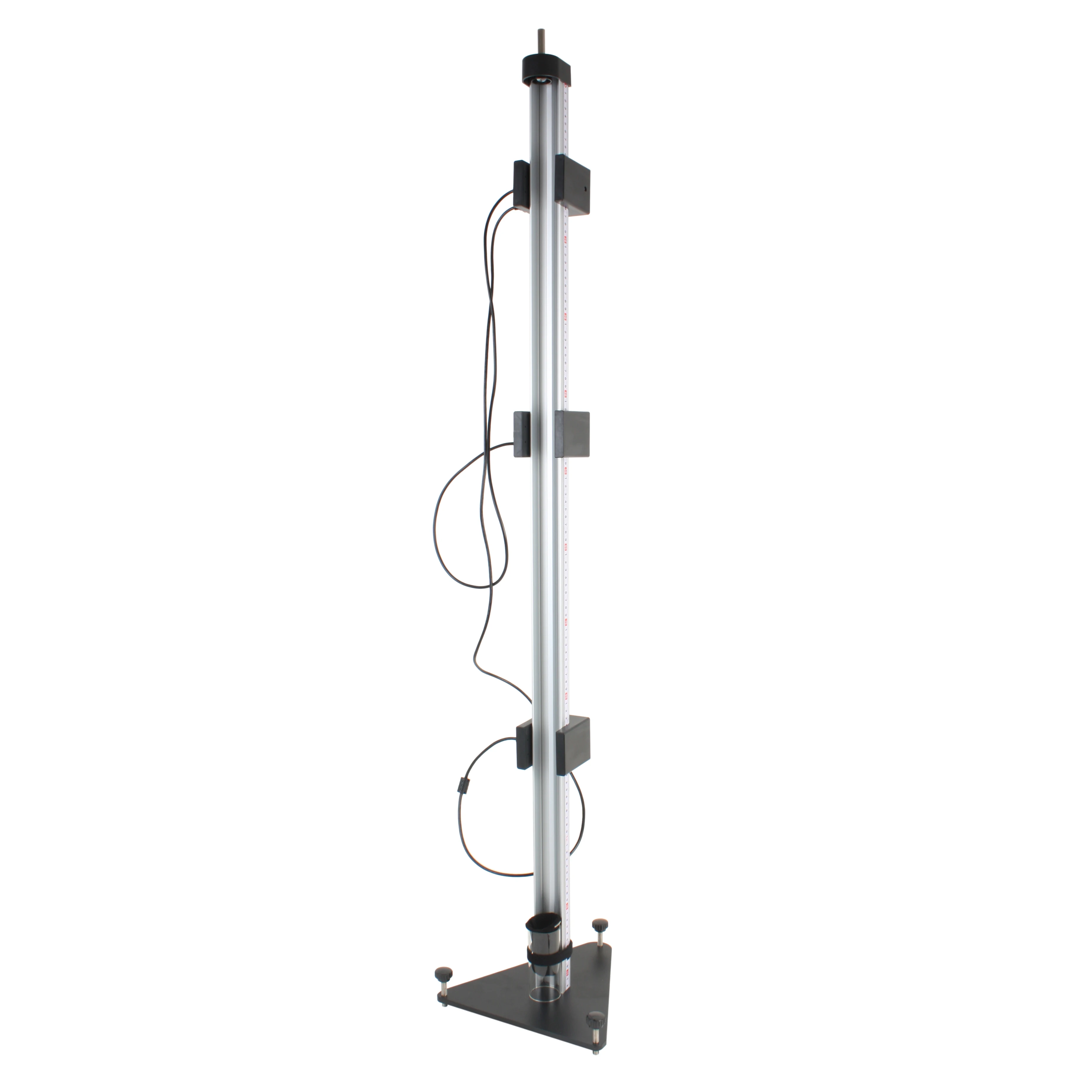
Every laboratory, whether focused on physics, chemistry, biology, or materials science, requires a carefully curated inventory of science equipment to support its mission. The challenge lies in identifying which science equipment pieces are truly essential versus which are supplementary, and how to balance budget constraints with functional requirements. Understanding the backbone of laboratory capability means recognizing that science equipment selection directly influences research quality, safety standards, and educational effectiveness. This guide explores the critical science equipment every serious lab must have to enable consistent, reliable discovery and learning.
Core Measurement and Observation Science Equipment
Precision Instruments for Quantitative Analysis
At the heart of scientific inquiry lies the need for precise measurement, making analytical science equipment absolutely fundamental. Balances, spectrometers, pH meters, and microscopes represent core science equipment categories that deliver the quantitative data upon which conclusions rest. Without reliable science equipment for measurement, researchers cannot validate hypotheses or establish reproducible results. Each category of science equipment serves a specific function in translating observations into actionable data, whether measuring mass, detecting wavelengths, assessing acidity, or visualizing microscopic structures.
Analytical science equipment must meet strict accuracy and calibration standards to ensure data integrity. Modern laboratories invest heavily in science equipment that provides both sensitivity and repeatability, as a single faulty measurement can compromise months of research. Educational institutions similarly prioritize science equipment that demonstrates fundamental principles clearly while maintaining sufficient precision to teach proper technique. The durability and maintenance requirements of science equipment also factor into decisions, as instruments that fail frequently or require excessive recalibration waste time and resources.
Supporting Observation and Detection Equipment
Beyond primary measurement instruments, supplementary science equipment enables observation at different scales and sensory modalities. Thermometers, pressure gauges, chromatography apparatus, and various sensors represent science equipment that extends the laboratory's diagnostic capabilities. When integrated thoughtfully, diverse science equipment creates a networked system where findings from one instrument inform the use of another. This interconnected approach to science equipment selection ensures comprehensive data collection and reduces blind spots in experimental design.
Preparation, Containment, and Safety Science Equipment
Essential Preparation and Reaction Vessels
Laboratory work requires extensive science equipment dedicated to sample preparation, mixing, and controlled reactions. Beakers, flasks, graduated cylinders, pipettes, and burettes comprise fundamental science equipment categories that support countless experimental protocols. The choice of science equipment materials—glass versus plastic, borosilicate versus standard—directly impacts experiment success and safety. Quality science equipment withstands temperature extremes, chemical exposure, and repeated sterilization without degrading, making durability a key selection criterion.
Proper science equipment for preparation ensures accurate sample volumes, controlled mixing, and appropriate containment of reactive materials. Educational labs particularly benefit from science equipment that clearly shows volume markings and allows students to observe reactions safely. Professional research facilities depend on science equipment that minimizes cross-contamination and maintains consistency across batches. The investment in quality preparation science equipment reduces experimental variability and strengthens confidence in results across repeated trials.
Safety and Protective Science Equipment
Safety-focused science equipment protects personnel and maintains experimental integrity simultaneously. Fume hoods, eyewash stations, safety goggles, glove boxes, and fire suppression systems represent critical science equipment that no laboratory should operate without. Modern science equipment standards integrate safety features directly into instrument design rather than treating protection as an afterthought. Compliance with regulatory requirements mandates specific science equipment for hazardous material handling, making safety science equipment both an ethical and legal necessity.
Specialized Application and Analysis Science Equipment
Advanced Testing and Analysis Science Equipment
Research laboratories pursuing specialized investigations require sophisticated science equipment tailored to their discipline's demands. Materials testing equipment, environmental chambers, spectroscopic instruments, and science equipment for mechanical testing exemplify advanced capabilities. Each discipline's science equipment reflects decades of technological development and refinement to address specific analytical challenges. Selecting appropriate science equipment for specialized applications requires deep understanding of both the science and the technical specifications that matter most.
Investment in specialized science equipment often represents a significant laboratory expense, making careful evaluation essential before purchase decisions. Organizations must assess whether science equipment capabilities genuinely align with current and projected research needs, or whether alternative approaches might prove more cost-effective. Maintenance and training requirements for sophisticated science equipment demand institutional resources beyond the initial purchase price. Strategic planning around science equipment acquisition ensures labs develop capabilities that compound value over time rather than acquiring underutilized instruments.
Data Collection and Documentation Science Equipment
Modern scientific discovery increasingly relies on science equipment that captures, stores, and processes data automatically rather than requiring manual recording. Digital multimeters, data loggers, automated imaging systems, and computer-interfaced science equipment enhance both accuracy and efficiency in research workflows. The integration of science equipment with laboratory information management systems (LIMS) enables seamless data flow from instrument to analysis platform. Contemporary labs that neglect science equipment for data documentation miss opportunities for improved reproducibility and traceability.
FAQ
What makes certain science equipment considered essential versus optional for a lab?
Essential science equipment directly supports the core research or educational mission and cannot be bypassed without compromising results. Optional science equipment enhances efficiency or capabilities but offers workarounds if unavailable. The distinction depends on specific laboratory discipline, budget constraints, and institutional goals. A chemistry lab's essential science equipment differs from a biology lab's priorities, though foundational items like balances and microscopes appear universally necessary.
How should laboratories prioritize science equipment purchases with limited budgets?
Budget-conscious labs should prioritize science equipment that enables their highest-value research questions first, then expand into supporting instruments as resources allow. Rental or shared access to expensive science equipment offers alternatives to ownership for specialized tools used infrequently. Used or refurbished science equipment can extend purchasing power if thoroughly tested for accuracy and safety compliance. Building relationships with suppliers who offer flexible payment terms or leasing options makes strategic science equipment acquisition more manageable for resource-constrained institutions.
How frequently should science equipment be maintained, calibrated, and replaced?
Maintenance schedules for science equipment vary by instrument type and manufacturer specifications but typically range from monthly to annual intervals. Calibration of measurement science equipment should occur whenever accuracy becomes critical for decisions or at intervals specified by regulatory standards. Some science equipment reaches end-of-life through degradation, technological obsolescence, or inability to meet newer standards rather than catastrophic failure. Developing preventive maintenance protocols for all science equipment maximizes instrument lifespan, ensures data reliability, and ultimately reduces long-term costs through fewer urgent replacements.