Professional Science Glass Equipment - Laboratory Glassware for Precision Research and Analysis

All Categories
Get a Quote

Get a Free Quote

Our representative will contact you soon.
Email
Name
Company Name
Message
0/1000

science glass equipment

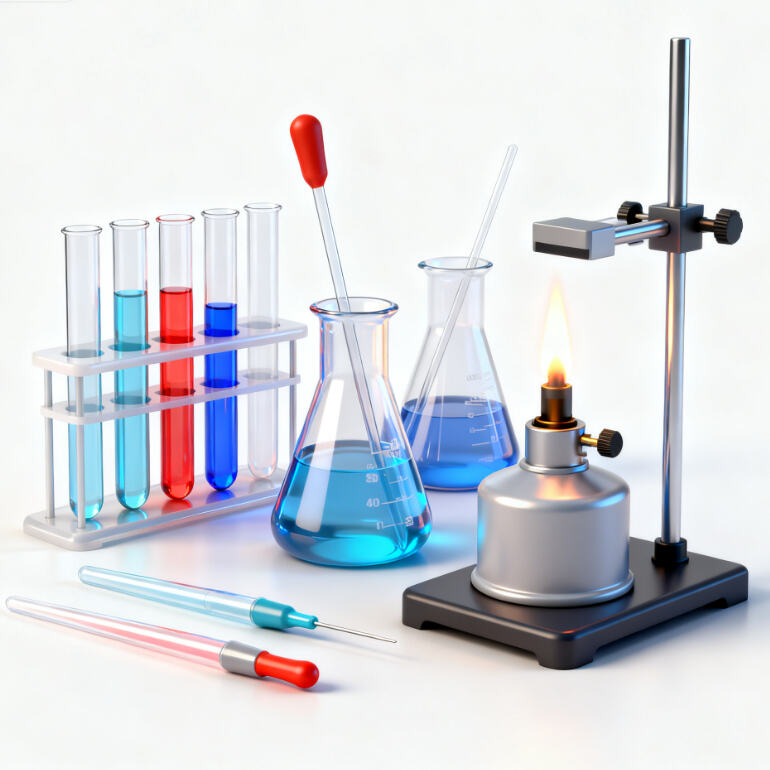
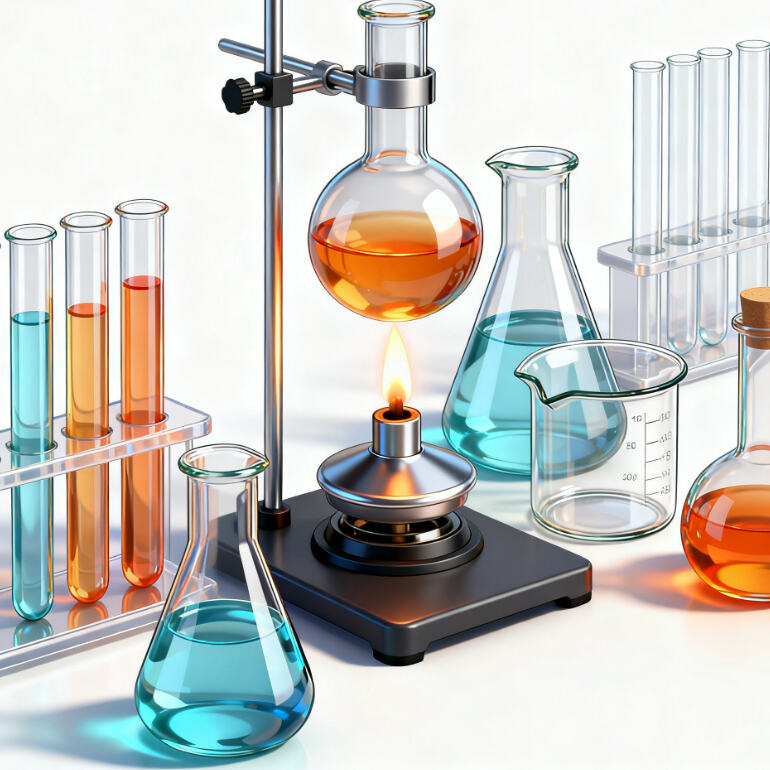
Science glass equipment represents the cornerstone of modern laboratory operations, providing researchers, educators, and industry professionals with essential tools for conducting precise experiments and analysis. This specialized glassware encompasses a comprehensive range of instruments including beakers, flasks, test tubes, pipettes, burettes, condensers, distillation apparatus, and complex reaction vessels. The fundamental purpose of science glass equipment centers on facilitating accurate measurements, safe chemical reactions, and reliable data collection across diverse scientific disciplines. These instruments enable users to handle corrosive substances, perform high-temperature reactions, and execute delicate procedures that demand exceptional clarity and chemical resistance. The technological sophistication of modern science glass equipment incorporates advanced borosilicate glass compositions that deliver superior thermal shock resistance and dimensional stability. Manufacturing processes utilize precision molding and annealing techniques to ensure consistent wall thickness, accurate volumetric calibrations, and smooth surfaces that minimize contamination risks. Many pieces feature graduated markings with exceptional accuracy, allowing for precise volume measurements essential in quantitative analysis. The applications of science glass equipment span numerous fields including analytical chemistry, organic synthesis, pharmaceutical development, environmental testing, food science, and educational laboratories. Research institutions rely on these tools for developing new materials, conducting quality control procedures, and performing complex analytical protocols. The versatility of science glass equipment makes it indispensable for both routine laboratory work and cutting-edge research initiatives, supporting everything from basic educational demonstrations to sophisticated industrial processes that require the highest levels of precision and reliability.

New Products

Science glass equipment offers numerous compelling benefits that make it the preferred choice for laboratory professionals worldwide. The primary advantage lies in its exceptional chemical inertness, which means these instruments resist reaction with most acids, bases, and organic solvents, ensuring that experimental results remain uncontaminated and accurate. This chemical stability allows researchers to work with aggressive substances without worrying about equipment degradation or unwanted chemical interactions that could compromise their work. The transparency of science glass equipment provides another significant benefit, enabling users to observe reactions in real-time and monitor color changes, precipitation formation, and other visual indicators crucial for experimental success. This visual accessibility proves invaluable for educational purposes, allowing students to witness chemical processes firsthand and develop a deeper understanding of scientific principles. The thermal properties of modern science glass equipment deliver outstanding performance across extreme temperature ranges. These instruments withstand rapid heating and cooling cycles without cracking or losing structural integrity, making them perfect for distillation procedures, reflux reactions, and other temperature-sensitive applications. The low thermal expansion coefficient prevents dimensional changes during heating, maintaining accurate volume measurements even under thermal stress. Durability represents another key advantage of science glass equipment. When properly handled and maintained, these instruments provide years of reliable service, offering excellent return on investment compared to alternative materials. The smooth, non-porous surface of glass prevents bacterial growth and facilitates thorough cleaning, ensuring consistent hygiene standards essential for accurate analytical work. Precision manufacturing guarantees that volumetric science glass equipment meets strict accuracy standards, with many pieces certified to deliver measurements within narrow tolerance ranges. This precision proves critical for quantitative analysis where small measurement errors can significantly impact results. The ease of sterilization through autoclaving or chemical disinfection makes science glass equipment ideal for microbiological applications and pharmaceutical research where contamination control is paramount. Environmental sustainability adds another dimension to the advantages of science glass equipment, as glass is fully recyclable and produces no harmful byproducts during disposal, supporting laboratory sustainability initiatives while maintaining scientific excellence.

Practical Tips

The Silent Revolution in Classrooms: How Advanced Teaching Instruments Are Reshaping Global STEM Education

08

Dec

The Silent Revolution in Classrooms: How Advanced Teaching Instruments Are Reshaping Global STEM Education

View More
Building the Lab of Tomorrow: The Key Role of Durable and Adaptive Teaching Apparatus

08

Dec

Building the Lab of Tomorrow: The Key Role of Durable and Adaptive Teaching Apparatus

View More

Get a Free Quote

Our representative will contact you soon.
Email
Name
Company Name
Message
0/1000

science glass equipment

Superior Chemical Resistance and Inertness

Superior Chemical Resistance and Inertness

The exceptional chemical resistance of science glass equipment stands as its most crucial feature, providing laboratories with unparalleled reliability when working with corrosive and reactive substances. This remarkable property stems from the unique molecular structure of borosilicate glass, which creates a dense, non-reactive surface that maintains its integrity even when exposed to strong acids, caustic bases, and aggressive organic solvents. Unlike plastic alternatives that may leach chemicals or metal equipment that can catalyze unwanted reactions, science glass equipment ensures complete chemical inertness, preserving the purity of samples and preventing contamination that could invalidate experimental results. This chemical stability proves particularly valuable in analytical chemistry applications where trace contamination can significantly affect outcomes. Pharmaceutical researchers rely on this property when developing new drug formulations, as any interaction between the container and the active compounds could alter therapeutic efficacy or create harmful byproducts. The non-reactive nature of science glass equipment also extends its operational lifespan, as repeated exposure to harsh chemicals does not degrade the material or compromise its performance over time. Environmental testing laboratories benefit enormously from this chemical resistance when analyzing water samples, soil extracts, and industrial effluents that may contain unknown contaminants or extreme pH levels. The ability to maintain sample integrity throughout the analytical process ensures accurate results that regulatory agencies and environmental scientists can trust. Research institutions conducting cutting-edge materials science experiments appreciate how science glass equipment allows them to work with exotic reagents and novel compounds without worrying about unexpected chemical interactions that could derail their research programs. This chemical inertness also facilitates easier cleaning and decontamination procedures, as residual chemicals cannot bond permanently with the glass surface, allowing for complete removal through appropriate washing protocols and ensuring that subsequent experiments start with pristine, uncontaminated equipment.
Exceptional Thermal Stability and Temperature Resistance

Exceptional Thermal Stability and Temperature Resistance

The outstanding thermal stability of science glass equipment represents a technological achievement that enables researchers to conduct experiments across extreme temperature ranges with complete confidence in their equipment's performance. Modern borosilicate glass formulations exhibit remarkably low thermal expansion coefficients, meaning these instruments maintain their dimensional accuracy and structural integrity even when subjected to rapid temperature fluctuations that would shatter ordinary glass. This thermal resilience allows science glass equipment to transition seamlessly from cryogenic conditions to high-temperature applications, supporting diverse experimental protocols that require precise temperature control. Distillation procedures particularly benefit from this thermal stability, as the equipment can withstand the repeated heating and cooling cycles necessary for separating complex mixtures while maintaining the precise dimensional tolerances required for accurate fractionation. The ability to perform flame heating directly on science glass equipment opens up numerous synthetic chemistry possibilities, enabling researchers to conduct reactions under controlled high-temperature conditions that would be impossible with temperature-sensitive materials. Laboratory professionals appreciate how this thermal stability eliminates the need for specialized heating equipment in many applications, reducing both equipment costs and experimental complexity. The thermal shock resistance of science glass equipment proves invaluable in emergency situations where rapid cooling may be necessary to stop runaway reactions or when samples must be quickly transferred between different temperature environments. Quality control laboratories in manufacturing industries rely on this thermal stability when conducting routine testing procedures that involve high-temperature digestion, ashing, or thermal analysis of materials. Research facilities studying thermal properties of materials depend on science glass equipment to provide stable, non-interfering containers that won't contribute their own thermal signatures to experimental measurements. The consistent thermal behavior of these instruments ensures reproducible results across multiple experimental runs, supporting the rigorous data quality requirements of peer-reviewed research and regulatory compliance testing that forms the backbone of scientific progress.
Precision Manufacturing and Volumetric Accuracy

Precision Manufacturing and Volumetric Accuracy

The precision manufacturing standards applied to science glass equipment deliver volumetric accuracy that meets or exceeds the most stringent analytical requirements, making these instruments indispensable for quantitative analysis and research applications where measurement precision directly impacts result validity. Advanced production techniques employ computer-controlled molding processes and automated quality inspection systems that ensure each piece of science glass equipment conforms to exact specifications, with volumetric tolerances typically maintained within fractions of a percent of stated capacity. This manufacturing precision extends beyond simple volume measurements to include graduated markings that provide accurate intermediate readings, enabling researchers to perform precise dilutions, titrations, and sample preparations essential for analytical chemistry protocols. The consistency of wall thickness achieved through modern manufacturing processes ensures uniform heat distribution during thermal applications and prevents weak points that could compromise equipment integrity under stress. Calibration certificates accompanying precision science glass equipment provide documented traceability to national measurement standards, supporting laboratory accreditation requirements and regulatory compliance mandates that govern industries such as pharmaceuticals, food safety, and environmental monitoring. The smooth, uniform interior surfaces produced by precision manufacturing techniques minimize measurement errors caused by meniscus distortion and liquid adhesion, ensuring that volume readings remain accurate across different liquid types and viscosities. Research laboratories conducting trace analysis appreciate how the precision manufacturing of science glass equipment eliminates variability between individual pieces, allowing for direct comparison of results obtained using different instruments without correction factors or calibration adjustments. Quality assurance departments in manufacturing facilities depend on this volumetric precision when conducting batch testing and release testing procedures that determine whether products meet specification requirements and safety standards. The dimensional stability maintained during the manufacturing process ensures that science glass equipment retains its accuracy over extended periods of use, providing consistent performance that supports long-term research studies and monitoring programs requiring reliable baseline measurements. Educational institutions benefit from this precision manufacturing as it enables students to obtain meaningful results from laboratory exercises, building confidence in scientific methodology and reinforcing theoretical concepts through hands-on experimentation with professional-grade equipment.

Get a Free Quote

Our representative will contact you soon.
Email
Name
Company Name
Message
0/1000