school laboratory supplies
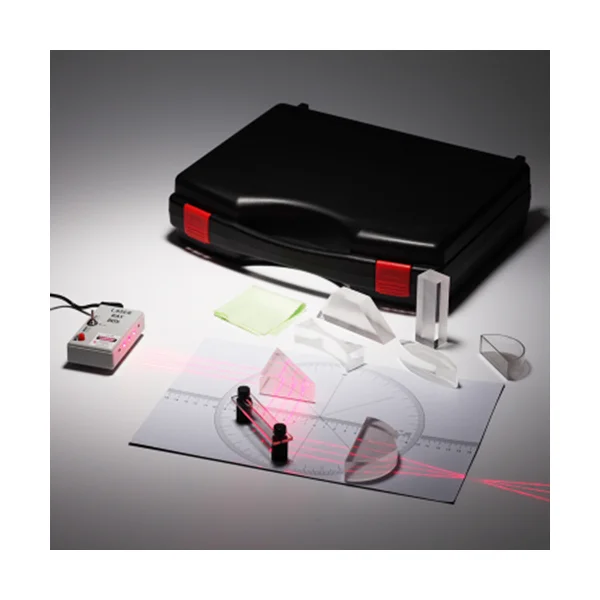
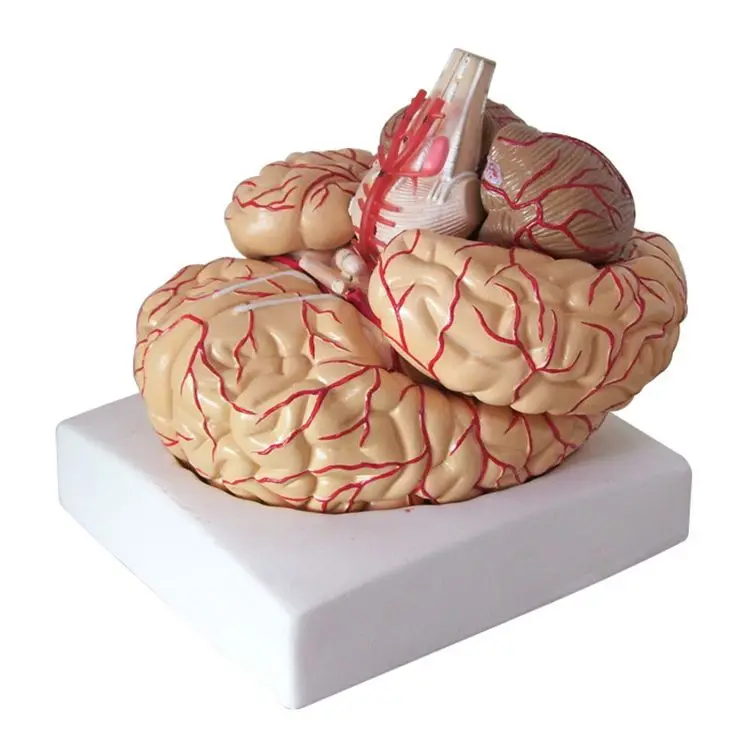
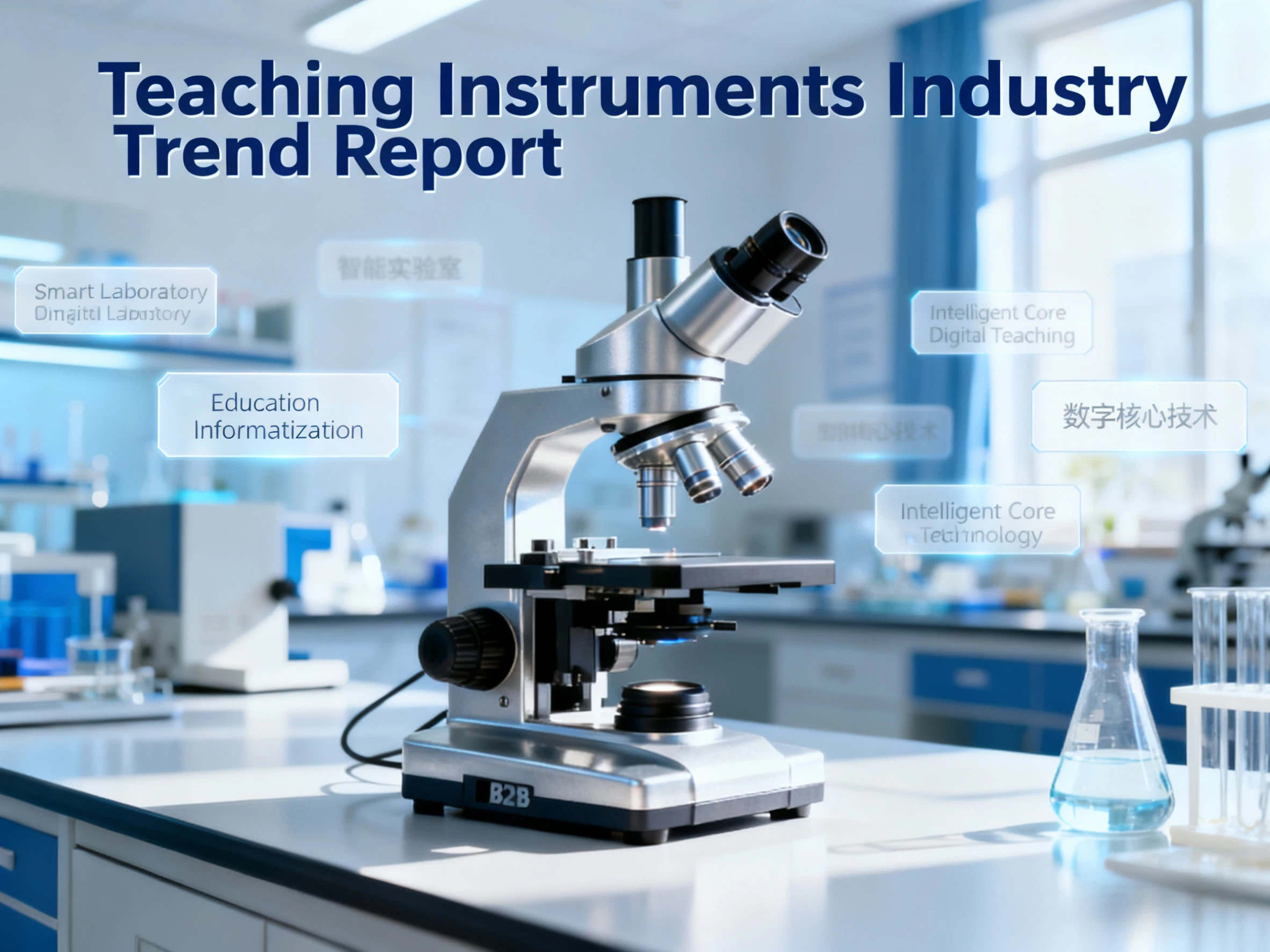
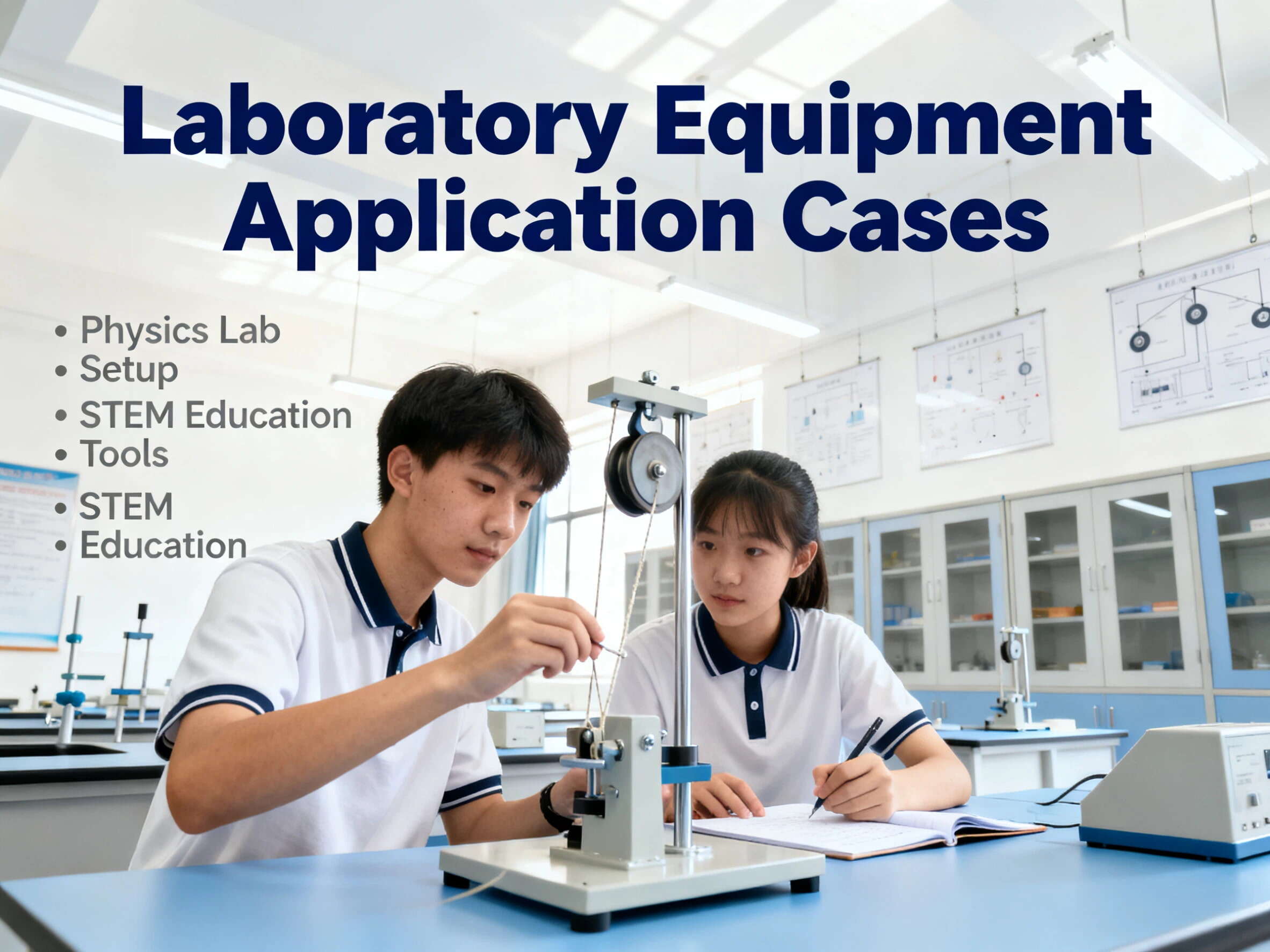
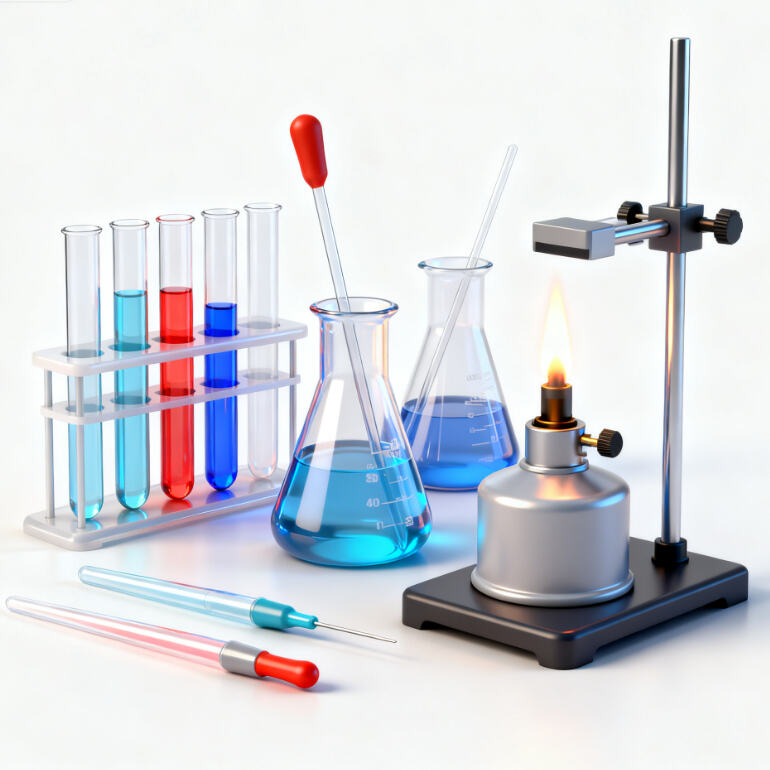
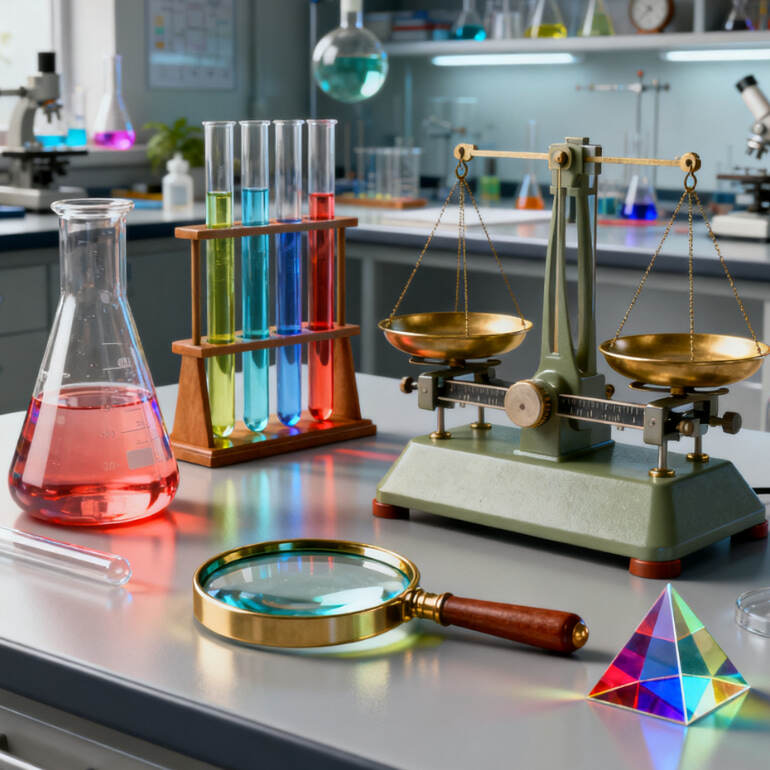
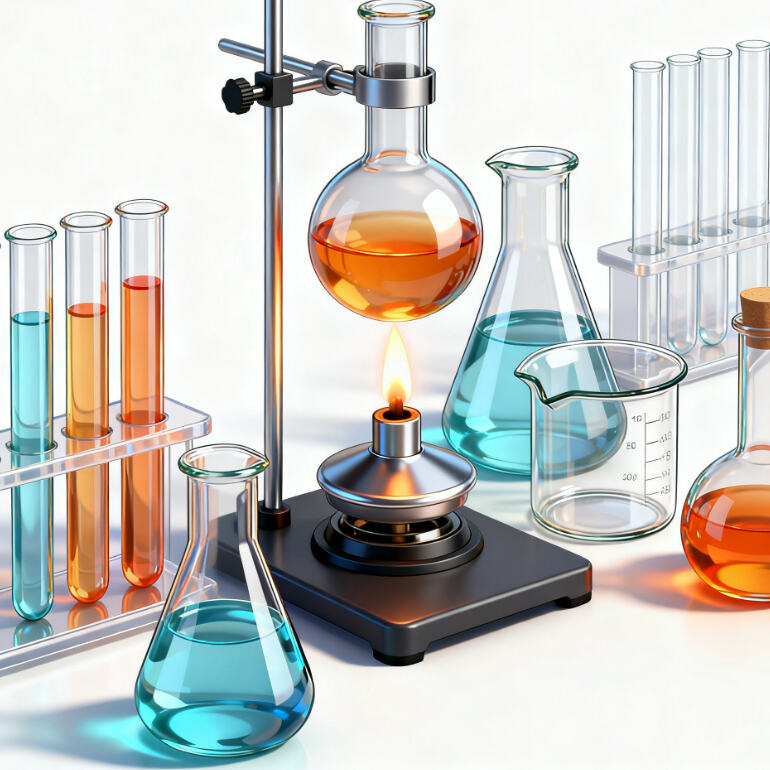
School laboratory supplies represent the fundamental cornerstone of hands-on scientific education, providing students with essential tools and materials necessary for conducting meaningful experiments and developing critical thinking skills. These comprehensive educational resources encompass a vast array of equipment ranging from basic glassware and measuring instruments to sophisticated analytical devices and safety apparatus. Modern school laboratory supplies are specifically designed to meet the unique demands of educational environments, combining durability, safety, and pedagogical effectiveness to create optimal learning experiences. The primary function of school laboratory supplies extends beyond mere experimentation; they serve as bridges between theoretical knowledge and practical application, enabling students to witness scientific principles in action while developing crucial laboratory skills that will benefit them throughout their academic and professional careers. These supplies include fundamental items such as beakers, test tubes, microscopes, pH meters, Bunsen burners, and graduated cylinders, each engineered with educational specifications that prioritize student safety without compromising scientific accuracy. Technological features of contemporary school laboratory supplies incorporate advanced materials science, featuring borosilicate glass that resists thermal shock, corrosion-resistant metals, and precision-engineered instruments calibrated for educational use. Many supplies now integrate digital components, including electronic balances with data logging capabilities, digital thermometers with Bluetooth connectivity, and USB-compatible microscopes that allow real-time image sharing and documentation. The applications of school laboratory supplies span multiple scientific disciplines, from basic chemistry experiments involving acid-base titrations and crystallization processes to biology investigations examining cellular structures and ecological systems. Physics applications include mechanics demonstrations, electrical circuit construction, and thermodynamics experiments, while earth science applications encompass mineral identification, soil analysis, and atmospheric pressure measurements. These versatile tools support inquiry-based learning methodologies, enabling students to formulate hypotheses, design controlled experiments, collect empirical data, and draw evidence-based conclusions that reinforce scientific methodology and critical analysis skills essential for future scientific endeavors.

 EN
EN