Professional School Laboratory Instruments - Advanced Educational Equipment for STEM Learning

All Categories
Get a Quote

Get a Free Quote

Our representative will contact you soon.
Email
Name
Company Name
Message
0/1000

school laboratory instruments

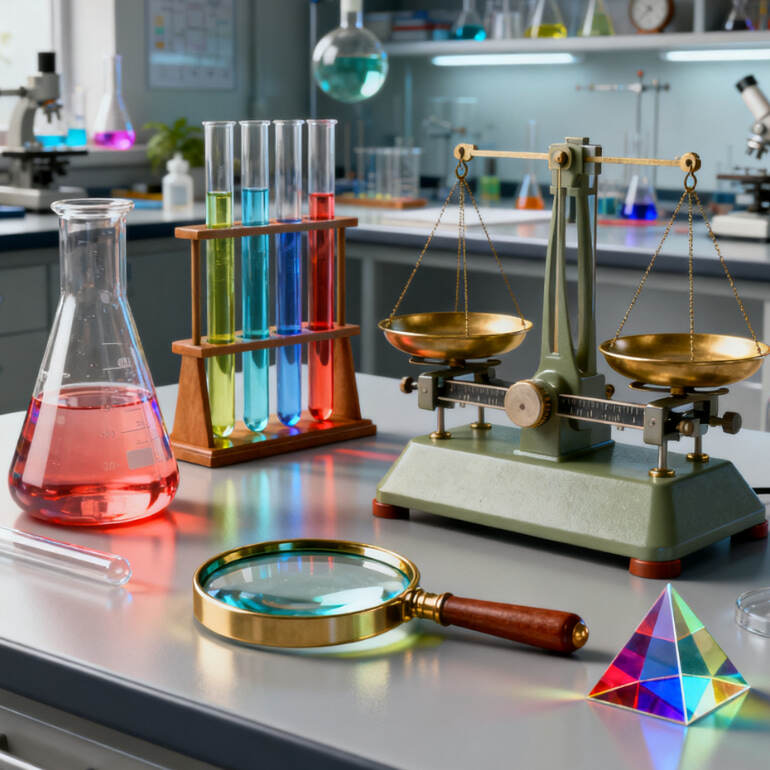
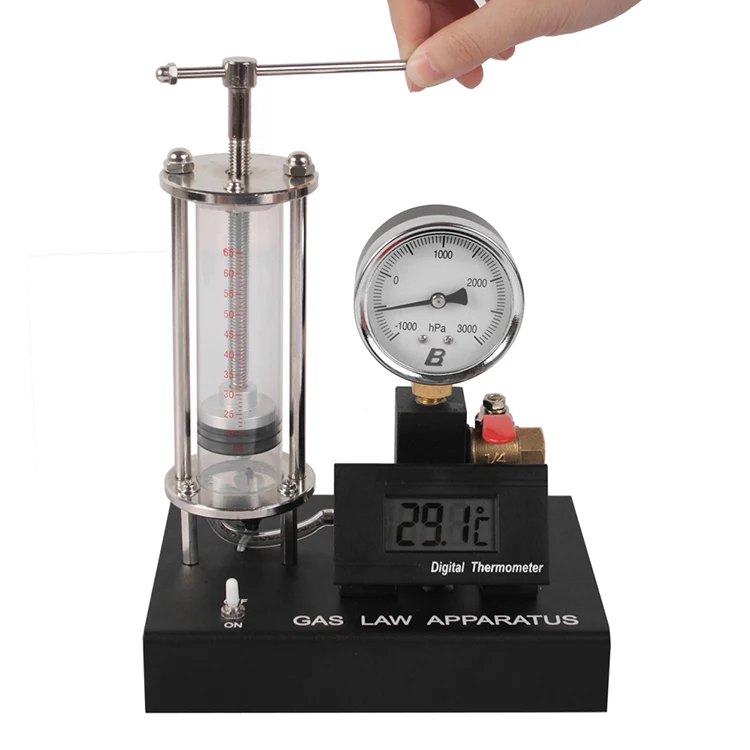
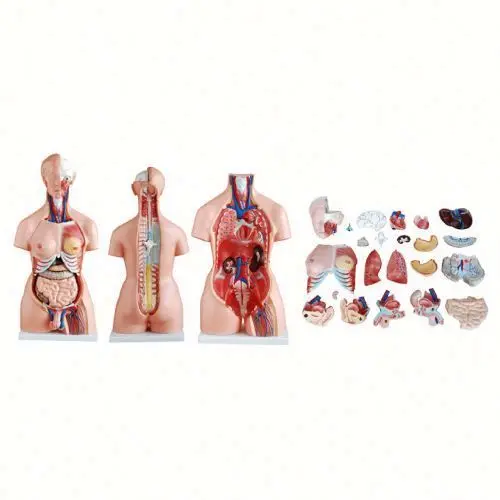
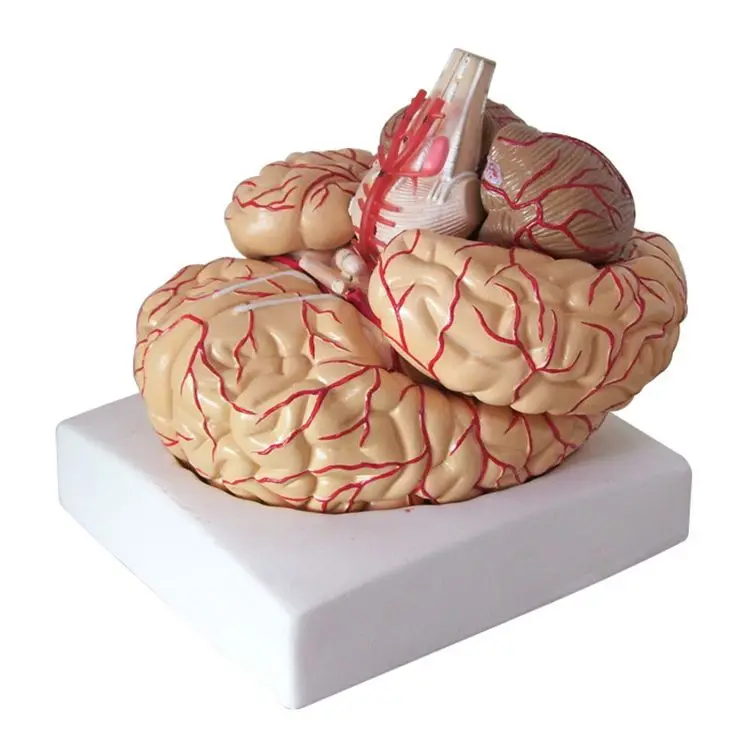
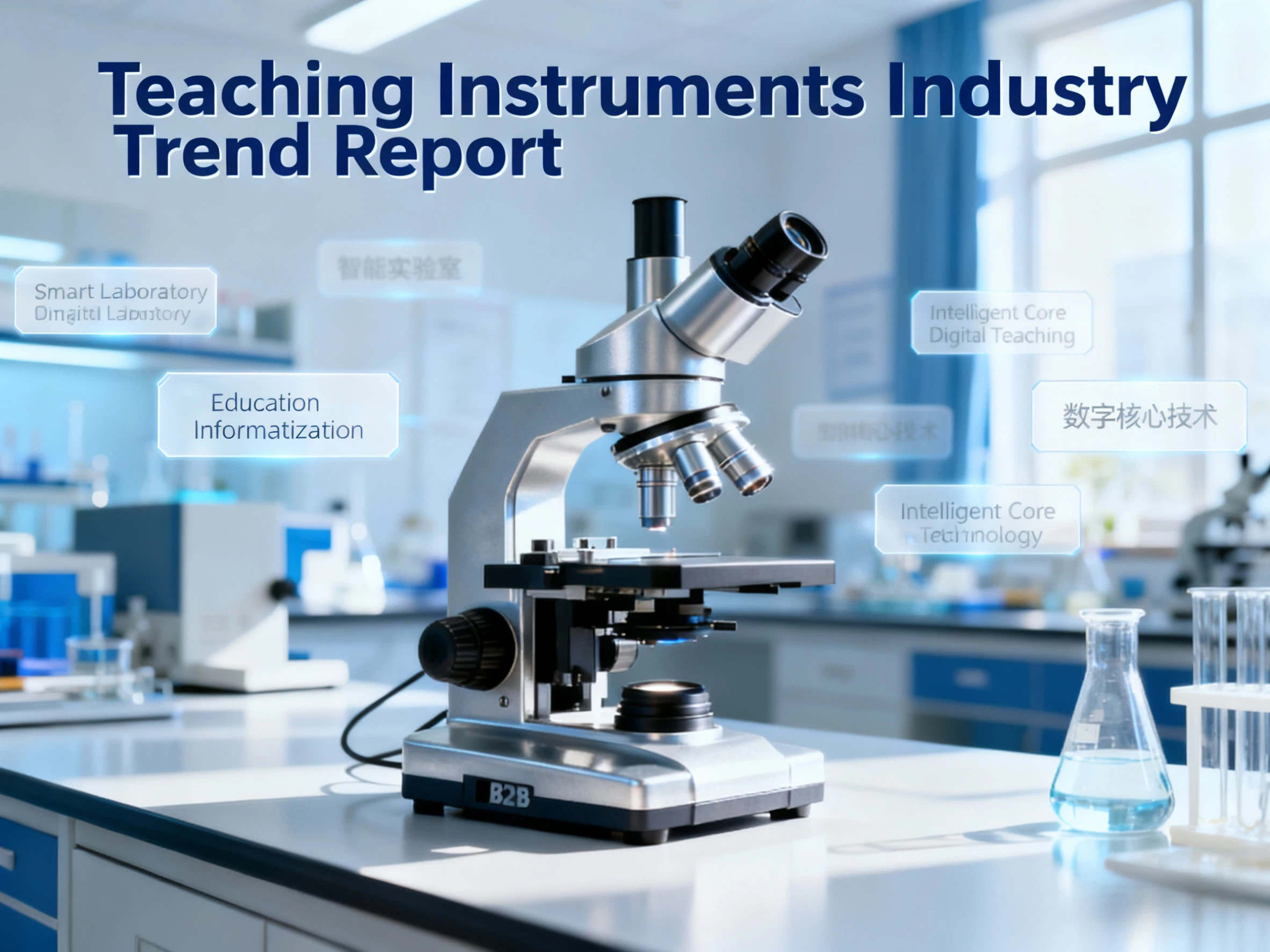
School laboratory instruments represent essential educational tools that form the backbone of scientific learning in academic institutions worldwide. These specialized devices enable students to conduct hands-on experiments, observe scientific phenomena, and develop critical analytical skills through practical application. Modern school laboratory instruments encompass a wide range of equipment designed specifically for educational environments, including microscopes for biological studies, spectrophotometers for chemical analysis, pH meters for measuring acidity levels, and digital balances for precise measurements. The technological features of contemporary school laboratory instruments focus on user-friendly interfaces, enhanced safety protocols, and robust construction suitable for frequent use by students of varying skill levels. Many instruments now incorporate digital displays, automated calibration systems, and wireless connectivity options that allow seamless data collection and sharing. Advanced models feature touchscreen controls, built-in tutorials, and step-by-step guidance systems that help students navigate complex procedures independently. The applications of school laboratory instruments span multiple scientific disciplines, from basic physics experiments measuring force and motion to sophisticated chemistry analyses involving molecular identification. Biology classes utilize these tools for cellular observation, genetic studies, and environmental monitoring, while physics courses employ them for exploring electromagnetic properties, thermal dynamics, and optical phenomena. The versatility of modern school laboratory instruments allows educators to design comprehensive curricula that bridge theoretical concepts with practical experimentation. These devices support inquiry-based learning methodologies, encouraging students to formulate hypotheses, collect empirical data, and draw evidence-based conclusions. The integration of school laboratory instruments into educational programs significantly enhances student engagement, improves comprehension of complex scientific principles, and prepares learners for advanced studies in STEM fields.

Popular Products

School laboratory instruments offer numerous practical benefits that directly impact educational outcomes and student development. First, these instruments enhance learning retention by providing tangible, hands-on experiences that reinforce theoretical concepts taught in classrooms. Students who interact with physical equipment demonstrate significantly higher comprehension rates compared to those relying solely on textbook learning. The tactile nature of operating school laboratory instruments creates memorable experiences that solidify understanding of scientific principles and methodologies. Second, modern instruments feature intuitive designs that accommodate diverse learning styles and skill levels. Manufacturers prioritize user-friendly interfaces with clear visual indicators, simplified controls, and comprehensive safety features that protect students during experimental procedures. These design considerations reduce the learning curve associated with complex scientific equipment, allowing educators to focus on curriculum delivery rather than equipment operation training. Third, school laboratory instruments promote collaborative learning environments where students work together to conduct experiments, analyze results, and solve problems collectively. This collaborative approach develops essential teamwork skills, communication abilities, and peer-to-peer knowledge transfer that extends beyond scientific education. Fourth, the durability and reliability of quality school laboratory instruments ensure consistent performance across multiple academic years, providing excellent return on investment for educational institutions. Robust construction materials and precision engineering minimize maintenance requirements and reduce operational costs over time. Fifth, many contemporary instruments offer digital connectivity features that enable real-time data sharing, remote monitoring capabilities, and integration with educational management systems. These technological advantages streamline administrative tasks, facilitate progress tracking, and support distance learning initiatives. Sixth, standardized calibration procedures and quality assurance protocols ensure measurement accuracy and experimental reproducibility, teaching students the importance of scientific rigor and methodological precision. Seventh, the versatility of multi-purpose instruments allows institutions to maximize equipment utilization across different courses and grade levels, optimizing budget allocation and space efficiency. Finally, exposure to professional-grade school laboratory instruments prepares students for advanced academic pursuits and potential careers in scientific fields, providing valuable early experience with industry-standard methodologies and practices.

Latest News

The Silent Revolution in Classrooms: How Advanced Teaching Instruments Are Reshaping Global STEM Education

08

Dec

The Silent Revolution in Classrooms: How Advanced Teaching Instruments Are Reshaping Global STEM Education

View More
Building the Lab of Tomorrow: The Key Role of Durable and Adaptive Teaching Apparatus

08

Dec

Building the Lab of Tomorrow: The Key Role of Durable and Adaptive Teaching Apparatus

View More

Get a Free Quote

Our representative will contact you soon.
Email
Name
Company Name
Message
0/1000

school laboratory instruments

Advanced Digital Integration and Connectivity Features

Advanced Digital Integration and Connectivity Features

Modern school laboratory instruments incorporate cutting-edge digital integration capabilities that revolutionize the educational experience by bridging traditional hands-on learning with contemporary technological advancement. These sophisticated connectivity features enable seamless data collection, real-time analysis, and comprehensive documentation of experimental procedures through wireless protocols, USB interfaces, and cloud-based storage systems. Students can instantly transfer measurement data to tablets, computers, or smartphones, eliminating manual transcription errors and enabling immediate statistical analysis using specialized software applications. The integration extends beyond simple data transfer, encompassing interactive dashboards that display live readings, historical trends, and comparative analyses across multiple experimental sessions. Advanced instruments feature built-in memory storage capabilities that automatically record experimental parameters, environmental conditions, and procedural steps, creating comprehensive digital laboratory notebooks that enhance learning documentation and assessment capabilities. These digital features support remote learning initiatives by enabling students to access virtual laboratory experiences, participate in online collaborative experiments, and receive real-time feedback from instructors regardless of physical location. The connectivity also facilitates seamless integration with learning management systems, allowing automatic grade book updates, progress tracking, and personalized learning path recommendations based on individual student performance patterns. Furthermore, the digital integration supports advanced analytical capabilities such as curve fitting, regression analysis, and statistical modeling that would be challenging to perform manually. Quality assurance features include automatic calibration verification, measurement uncertainty calculations, and compliance reporting that ensure experimental validity and teach students about scientific accuracy standards. The user-friendly interfaces feature customizable displays, multi-language support, and accessibility options that accommodate diverse learning needs and preferences. These technological advantages position school laboratory instruments as essential tools for preparing students for digital-age scientific careers while maintaining the fundamental importance of hands-on experimental learning.
Comprehensive Safety Systems and Risk Management

Comprehensive Safety Systems and Risk Management

School laboratory instruments prioritize student safety through comprehensive protection systems designed specifically for educational environments where users may have limited experience with scientific equipment. These advanced safety features include multiple layers of protection mechanisms, automatic shutdown procedures, and real-time hazard monitoring that significantly reduce the risk of accidents during experimental procedures. Emergency stop functions are strategically positioned for immediate access, while automatic safety interlocks prevent operation when protective barriers are removed or safety protocols are not properly followed. Temperature monitoring systems continuously track operational parameters and automatically adjust heating or cooling elements to prevent overheating, thermal damage, or dangerous temperature fluctuations that could harm students or compromise experimental integrity. Chemical exposure protection includes sealed reaction chambers, fume extraction systems, and automatic ventilation controls that minimize harmful vapor concentration and ensure adequate air circulation throughout laboratory spaces. Electrical safety features encompass ground fault circuit interrupters, surge protection systems, and isolated power supplies that protect against electrical hazards while maintaining measurement accuracy and equipment longevity. Visual and audible warning systems alert users to potential hazards, operational status changes, and maintenance requirements through clear indicator lights, alarm sounds, and display messages that promote safe operating practices. Ergonomic design considerations include adjustable working heights, non-slip surfaces, and comfortable grip handles that reduce physical strain and prevent repetitive stress injuries during extended use periods. User authentication systems ensure that only authorized personnel can access advanced functions or modify critical settings, while providing different access levels appropriate for various skill levels and educational objectives. Regular safety diagnostic routines automatically test protection systems, calibrate sensors, and verify proper operation of all safety mechanisms to maintain optimal protection standards. Comprehensive documentation includes detailed safety protocols, emergency procedures, and maintenance schedules that support institutional safety compliance and risk management requirements. Training resources integrate safety education directly into equipment operation tutorials, ensuring students understand proper procedures, recognize potential hazards, and develop safe laboratory practices that will serve them throughout their scientific careers.
Multi-Disciplinary Versatility and Curriculum Integration

Multi-Disciplinary Versatility and Curriculum Integration

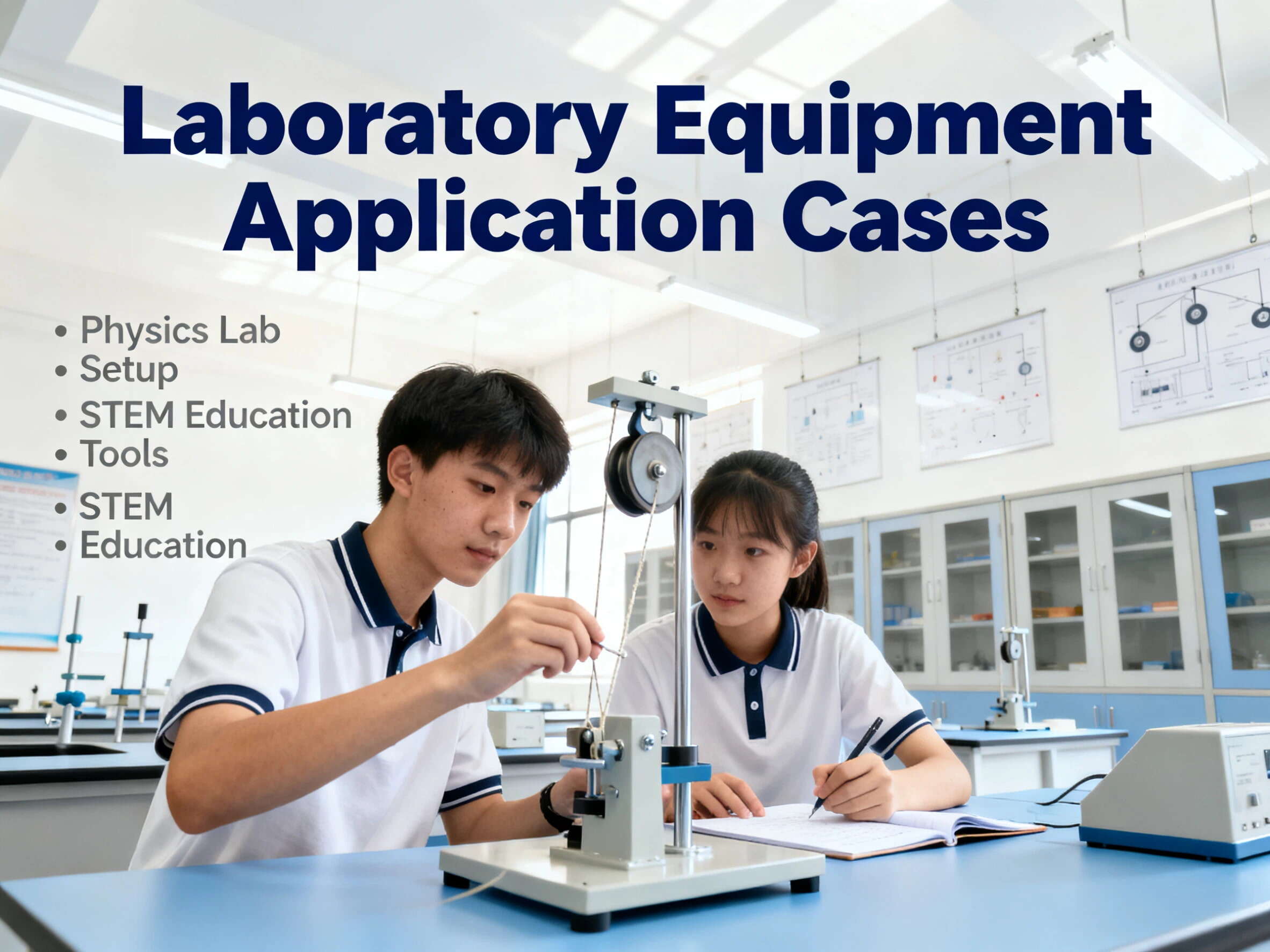
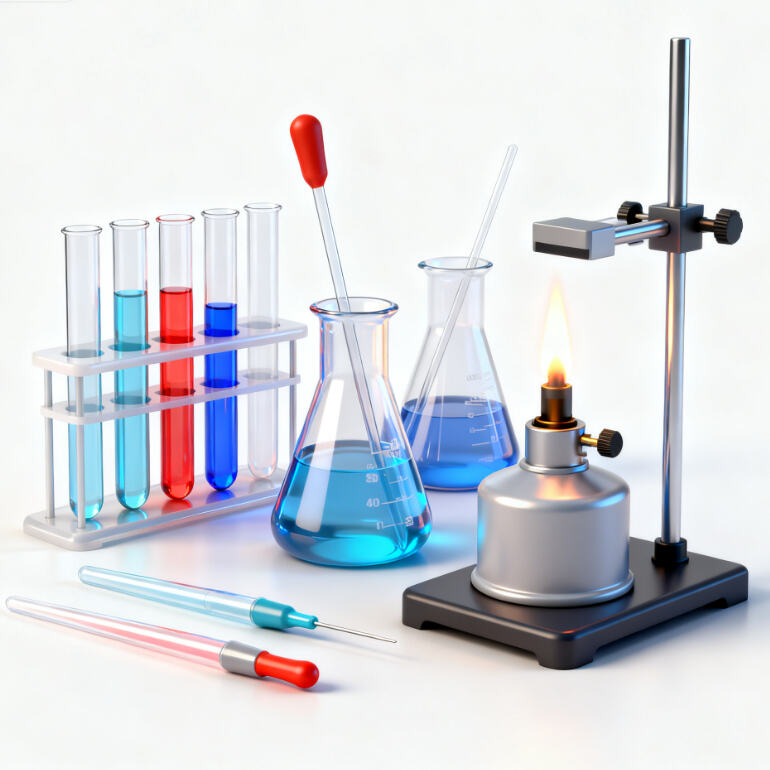
School laboratory instruments demonstrate exceptional versatility by supporting multiple scientific disciplines and seamlessly integrating with diverse curriculum requirements across various educational levels and subject areas. This adaptability allows institutions to maximize equipment investment while providing comprehensive experimental capabilities that span physics, chemistry, biology, environmental science, and interdisciplinary STEM programs. The modular design architecture enables configuration customization through interchangeable components, specialized attachments, and expandable sensor arrays that transform basic instruments into sophisticated analytical systems capable of addressing complex experimental requirements. Physics applications include precision measurements of mechanical properties, electromagnetic phenomena, thermal dynamics, and optical characteristics through specialized probe arrays, force sensors, and electromagnetic field detectors that provide quantitative data for theoretical validation and hypothesis testing. Chemistry functionality encompasses pH analysis, spectroscopic examination, titration procedures, and molecular identification through integrated sensors, sample chambers, and analytical software that support both qualitative and quantitative chemical analysis procedures. Biology applications utilize microscopic imaging capabilities, environmental monitoring sensors, and physiological measurement tools that enable cellular observation, ecosystem studies, and biological process documentation across multiple organizational levels from molecular to ecological scales. Environmental science integration includes air quality monitoring, water analysis capabilities, and pollution detection systems that connect laboratory learning with real-world environmental challenges and sustainability education initiatives. The curriculum integration extends beyond single-subject applications through interdisciplinary project capabilities that demonstrate connections between scientific fields, mathematical modeling, and practical problem-solving approaches. Flexible software platforms support age-appropriate interfaces ranging from elementary visual programming environments to advanced data analysis tools suitable for advanced placement and college-level courses. Progressive complexity features allow the same instrument to serve multiple grade levels through scalable functionality that grows with student capabilities and curriculum advancement. Professional development resources include comprehensive training materials, curriculum guides, and pedagogical best practices that help educators maximize educational impact while maintaining appropriate academic rigor. Assessment integration tools provide automated data collection, progress tracking, and performance analytics that support evidence-based evaluation of student learning outcomes and curriculum effectiveness across diverse educational contexts and learning objectives.

Get a Free Quote

Our representative will contact you soon.
Email
Name
Company Name
Message
0/1000