Premium School Equipments - Advanced Educational Technology Solutions for Modern Learning Environments

All Categories
Get a Quote

Get a Free Quote

Our representative will contact you soon.
Email
Name
Company Name
Message
0/1000

school equipments

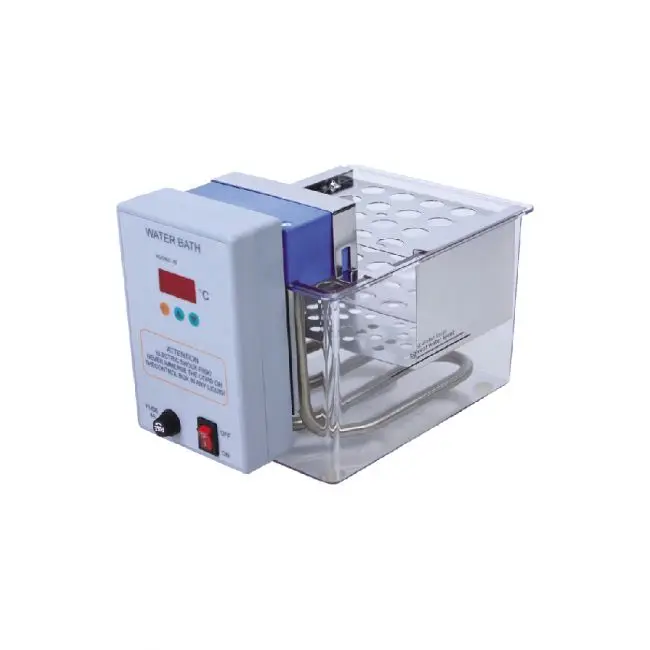
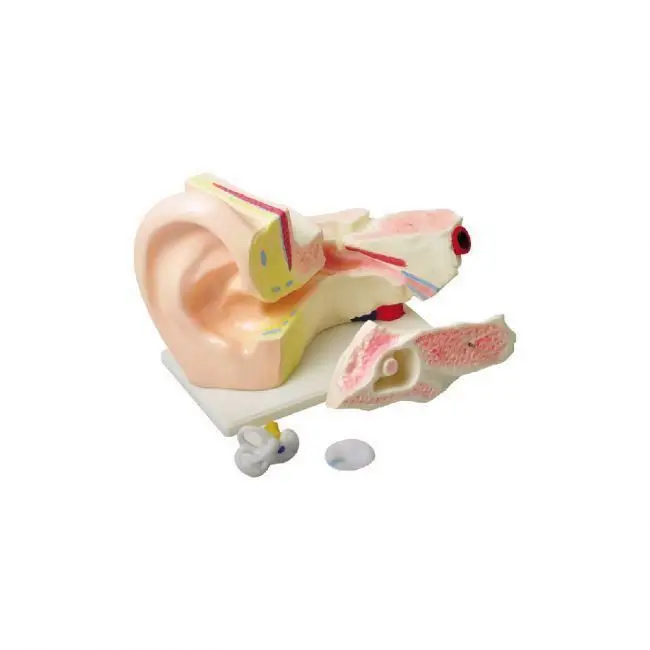
School equipments represent the backbone of modern educational institutions, encompassing a comprehensive range of tools and technologies designed to enhance learning experiences and administrative efficiency. These essential resources include interactive whiteboards, computer systems, laboratory instruments, audiovisual equipment, furniture, and specialized teaching aids that collectively transform traditional classrooms into dynamic learning environments. The main functions of school equipments revolve around facilitating effective knowledge transfer, promoting student engagement, and supporting diverse learning styles through multimedia presentations and hands-on activities. Interactive whiteboards serve as central communication hubs, allowing educators to display content, annotate materials, and encourage collaborative participation. Computer systems provide access to digital resources, research capabilities, and skill development opportunities essential for preparing students for the digital age. Laboratory equipments enable practical experimentation and scientific inquiry, bridging theoretical concepts with real-world applications. Technological features of modern school equipments include touch-sensitive displays, wireless connectivity, cloud integration, and user-friendly interfaces that simplify operation for both teachers and students. Many devices incorporate artificial intelligence and adaptive learning algorithms that personalize educational content based on individual student progress and preferences. Voice recognition systems, gesture controls, and mobile device compatibility further enhance accessibility and usability. Applications of school equipments span across multiple educational domains, from primary education through higher learning institutions. These tools support STEM education through specialized software and hardware, facilitate language learning through multimedia resources, and enhance creative arts programs with digital design platforms. Administrative applications include student information systems, attendance tracking, and communication platforms that streamline school operations and parent engagement.

Popular Products

School equipments deliver transformative benefits that revolutionize educational experiences and outcomes for students, teachers, and administrators alike. These innovative tools significantly enhance student engagement by providing interactive and immersive learning opportunities that capture attention and maintain focus throughout lessons. Students actively participate in their education through touchscreen interfaces, collaborative projects, and multimedia presentations that cater to visual, auditory, and kinesthetic learning preferences. Teachers experience improved instructional efficiency as school equipments streamline lesson planning, content delivery, and assessment processes. Digital resources eliminate the need for extensive physical materials while providing instant access to updated curriculum content and teaching resources. Real-time feedback systems enable educators to monitor student progress continuously and adjust teaching strategies accordingly. Cost-effectiveness emerges as a major advantage when institutions invest in quality school equipments that reduce long-term operational expenses. Digital textbooks and online resources minimize printing costs while providing unlimited access to current information. Energy-efficient devices lower utility bills and support environmental sustainability initiatives. Maintenance requirements decrease with modern equipment designed for durability and reliability in educational settings. Flexibility represents another crucial benefit as school equipments adapt to various teaching methodologies and curriculum changes. Modular systems allow schools to customize configurations based on specific needs and budget constraints. Software updates ensure continuous improvement without requiring complete hardware replacements. Remote learning capabilities proved invaluable during recent global challenges, demonstrating the resilience and adaptability of well-equipped educational institutions. Data analytics capabilities embedded in school equipments provide valuable insights into student performance patterns, learning preferences, and areas requiring additional support. This information empowers educators to make informed decisions about instructional approaches and resource allocation. Standardized testing preparation becomes more effective through practice platforms and assessment tools integrated into school equipments. Collaboration features foster teamwork skills and prepare students for modern workplace environments where digital communication and project management are essential competencies.

Tips And Tricks

The Silent Revolution in Classrooms: How Advanced Teaching Instruments Are Reshaping Global STEM Education

08

Dec

The Silent Revolution in Classrooms: How Advanced Teaching Instruments Are Reshaping Global STEM Education

View More
Building the Lab of Tomorrow: The Key Role of Durable and Adaptive Teaching Apparatus

08

Dec

Building the Lab of Tomorrow: The Key Role of Durable and Adaptive Teaching Apparatus

View More

Get a Free Quote

Our representative will contact you soon.
Email
Name
Company Name
Message
0/1000

school equipments

Advanced Interactive Learning Technologies

Advanced Interactive Learning Technologies

Modern school equipments incorporate cutting-edge interactive technologies that fundamentally transform how students engage with educational content and develop essential skills for the digital era. Interactive whiteboards equipped with multi-touch capabilities allow multiple students to collaborate simultaneously on projects, solve problems collectively, and present ideas in dynamic visual formats. These systems support gesture recognition, handwriting conversion, and real-time annotation features that make learning more intuitive and engaging. Augmented reality integration brings abstract concepts to life through three-dimensional visualizations and immersive experiences that enhance comprehension and retention. Students can explore historical events, examine molecular structures, or travel through space without leaving the classroom. Virtual reality components provide safe environments for conducting dangerous experiments, practicing medical procedures, or experiencing cultural exchanges with students from around the world. Artificial intelligence algorithms embedded in school equipments personalize learning experiences by analyzing individual student performance patterns and adapting content difficulty levels accordingly. Smart tutoring systems provide immediate feedback and guidance, helping students overcome challenges and build confidence. Voice recognition technology enables hands-free operation and supports students with physical limitations or learning disabilities. Cloud connectivity ensures seamless integration across devices and platforms, allowing students to access their work from any location and continue learning beyond traditional classroom boundaries. These technological advances prepare students for future careers in increasingly digital workplaces while developing critical thinking, problem-solving, and collaboration skills essential for success in the modern economy.
Comprehensive Safety and Durability Standards

Comprehensive Safety and Durability Standards

School equipments undergo rigorous testing and certification processes to ensure maximum safety and durability in educational environments where reliable performance is absolutely critical. Manufacturing standards comply with international safety regulations and educational institution requirements, incorporating non-toxic materials, rounded edges, and tamper-resistant designs that protect students and staff from potential hazards. Anti-bacterial coatings and easy-to-clean surfaces promote hygiene and reduce the spread of illnesses in shared learning spaces. Electrical components feature multiple safety mechanisms including surge protection, automatic shutoff systems, and low-voltage operation to prevent accidents and equipment damage. Durability testing involves subjecting equipment to thousands of operation cycles, temperature variations, and impact scenarios that simulate years of intensive classroom use. Reinforced housings and shock-absorbing materials protect sensitive internal components from drops, bumps, and daily wear associated with active learning environments. Warranty programs and service agreements provide long-term protection for educational investments while ensuring minimal disruption to teaching schedules. Quality control processes include batch testing, individual unit inspection, and continuous monitoring of manufacturing standards to maintain consistent performance across all products. Environmental considerations encompass energy efficiency ratings, recyclable materials, and sustainable manufacturing practices that align with institutional sustainability goals. Ergonomic designs reduce strain and fatigue for both students and teachers during extended use periods. Accessibility features ensure compliance with disability accommodation requirements and promote inclusive learning environments. Regular software updates and security patches protect against cyber threats while maintaining optimal functionality. These comprehensive safety and durability standards provide peace of mind for educators and administrators while delivering reliable performance that maximizes educational investment returns.
Seamless Integration and Scalability Solutions

Seamless Integration and Scalability Solutions

School equipments feature sophisticated integration capabilities that seamlessly connect with existing educational infrastructure and scale efficiently to accommodate growing institutional needs and evolving technological requirements. Compatibility protocols ensure smooth operation across diverse hardware platforms, operating systems, and software applications commonly used in educational settings. Plug-and-play functionality eliminates complex installation procedures and reduces technical support requirements, allowing teachers to focus on instruction rather than troubleshooting equipment issues. Centralized management systems enable IT administrators to monitor, update, and maintain multiple devices simultaneously from a single control panel, significantly reducing administrative overhead and ensuring consistent performance across all school equipments. Network integration supports both wired and wireless connectivity options, accommodating various infrastructure configurations and budget constraints. Bandwidth optimization features ensure stable performance even during peak usage periods when multiple devices access network resources concurrently. Scalability architectures allow institutions to start with basic configurations and gradually expand capabilities as needs evolve and budgets permit. Modular designs enable selective upgrades of specific components without replacing entire systems, maximizing return on investment while maintaining cutting-edge functionality. Cloud-based storage and processing solutions provide virtually unlimited capacity for growing data requirements and user populations. API compatibility facilitates integration with third-party educational software and learning management systems already in use. Data migration tools ensure smooth transitions when upgrading or replacing older equipment. Professional development resources and training programs help staff maximize the benefits of school equipments through proper utilization techniques and best practices. Technical support services provide ongoing assistance and guidance to maintain optimal performance and address any operational challenges that may arise during daily use.

Get a Free Quote

Our representative will contact you soon.
Email
Name
Company Name
Message
0/1000