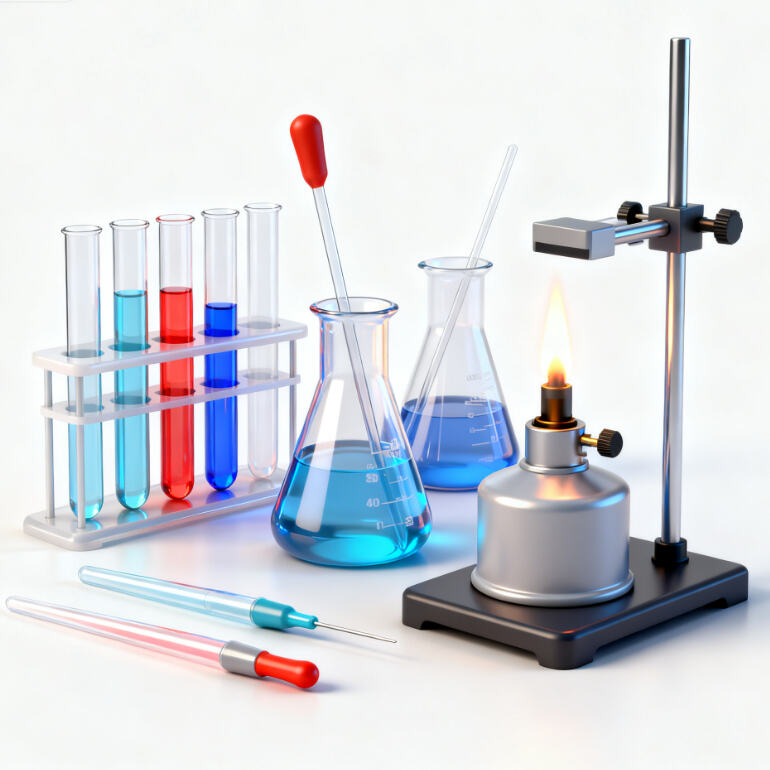
school laboratory equipment
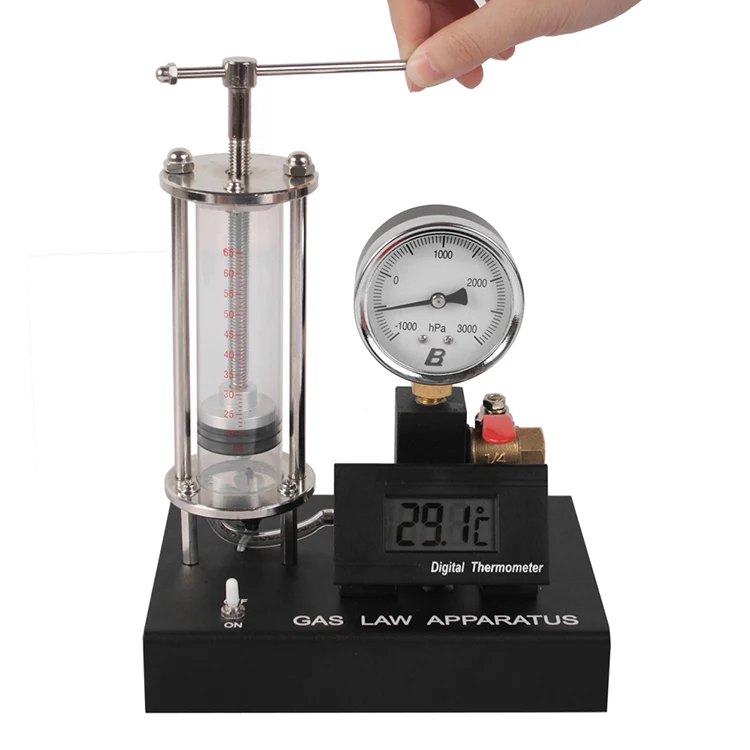
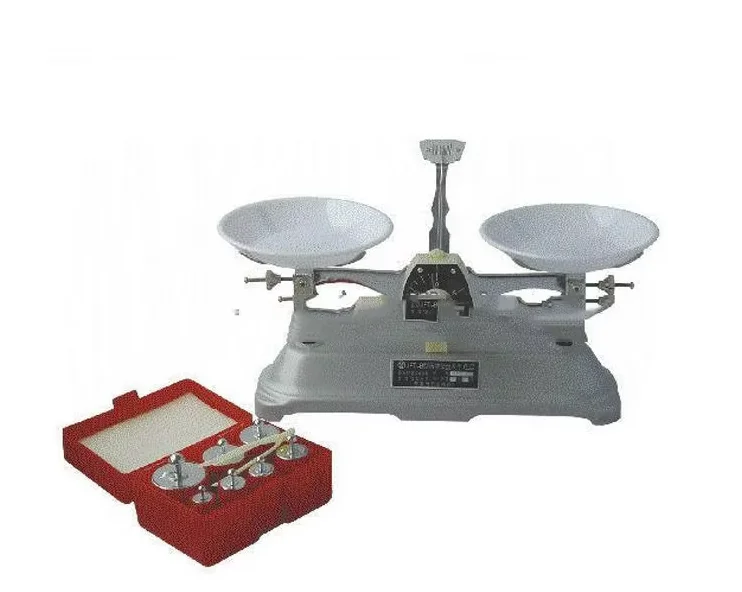
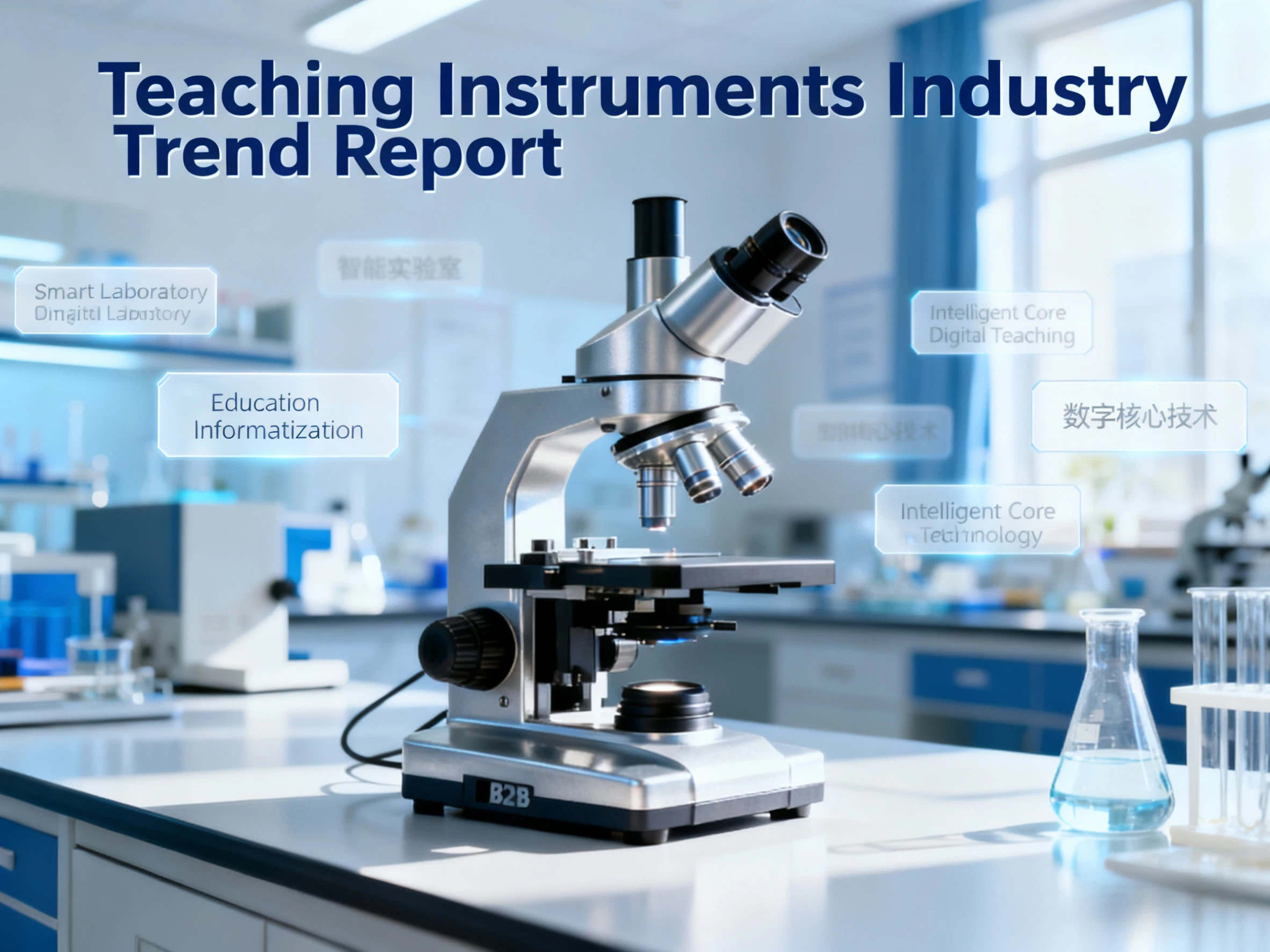
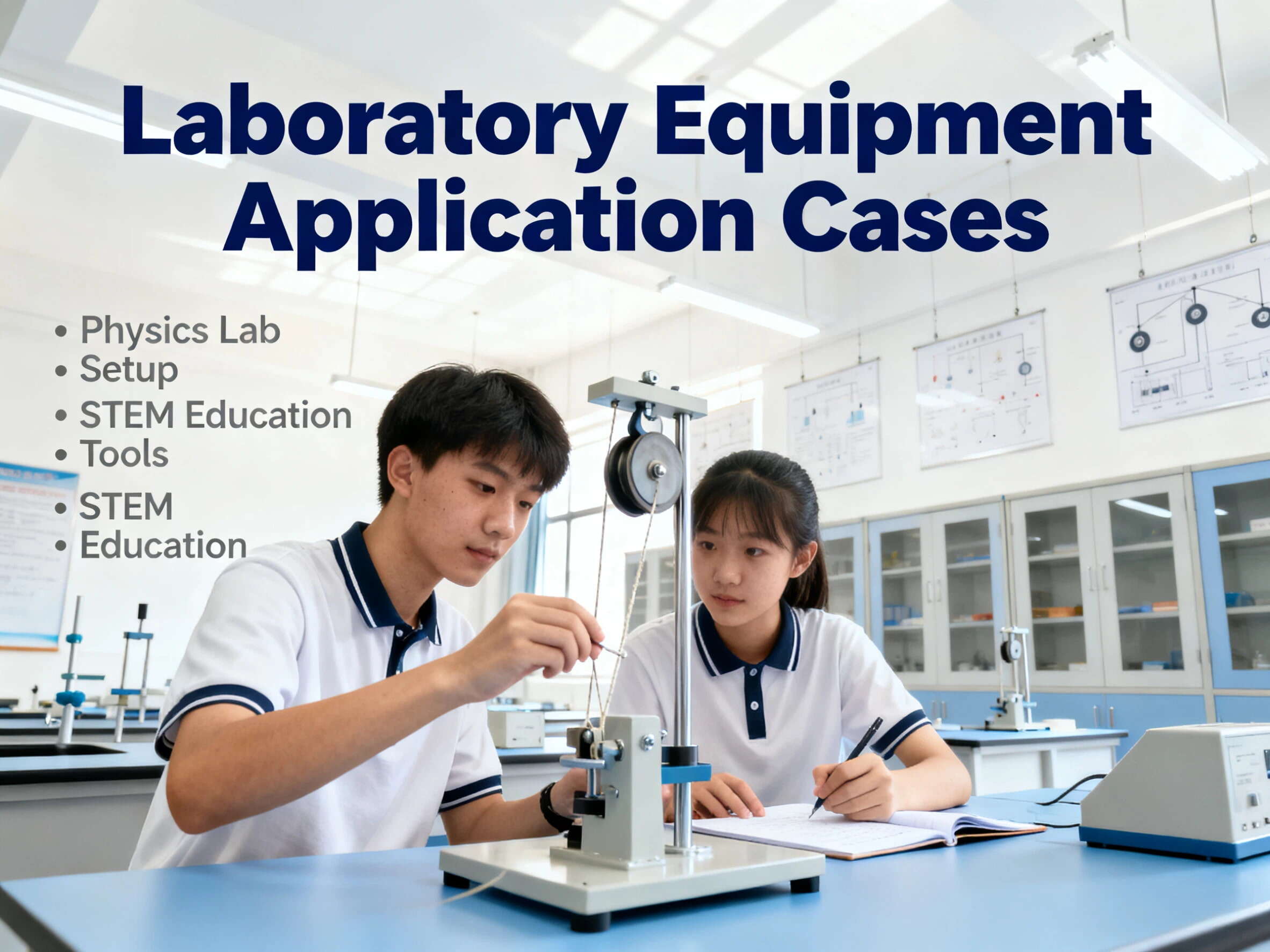
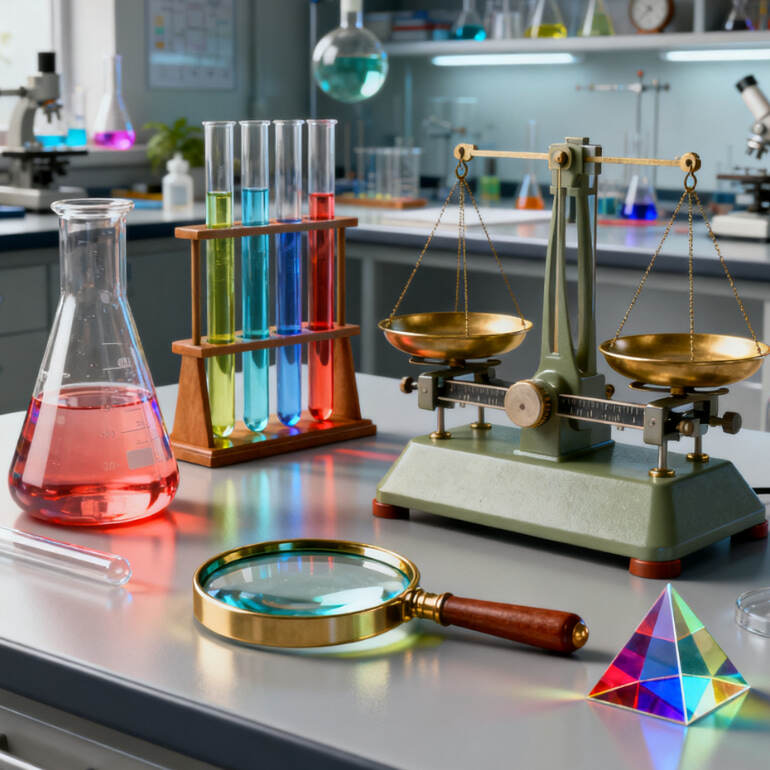
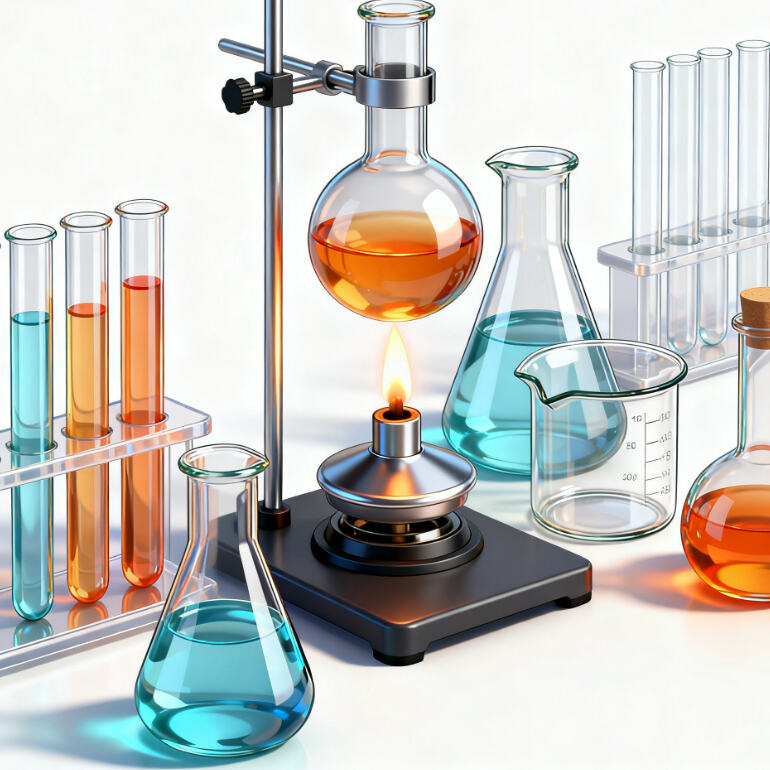
School laboratory equipment represents the foundation of quality scientific education, providing students with essential tools for hands-on learning and experimentation. Modern school laboratory equipment encompasses a comprehensive range of instruments designed specifically for educational environments, ensuring both safety and effectiveness in teaching various scientific disciplines. These specialized tools include microscopes, centrifuges, pH meters, analytical balances, spectrophotometers, incubators, and various measuring instruments that facilitate practical learning experiences. The technological features of contemporary school laboratory equipment emphasize user-friendly interfaces, enhanced safety mechanisms, and durability to withstand frequent use by students at different skill levels. Digital displays and automated functions simplify complex procedures, allowing educators to focus on teaching concepts rather than managing equipment complications. Many devices incorporate wireless connectivity and data logging capabilities, enabling seamless integration with classroom management systems and digital learning platforms. The applications of school laboratory equipment span multiple scientific disciplines, including biology, chemistry, physics, and environmental science. In biology classes, students utilize microscopes to examine cellular structures, incubators to culture microorganisms, and pH meters to study biological processes. Chemistry applications involve precise measurements using analytical balances, temperature monitoring with digital thermometers, and solution preparation using various glassware and measuring tools. Physics experiments benefit from specialized equipment for measuring force, motion, electricity, and magnetism. Environmental science studies incorporate water quality testing equipment, soil analysis tools, and atmospheric monitoring devices. The versatility of modern school laboratory equipment supports interdisciplinary learning approaches, encouraging students to explore connections between different scientific fields while developing critical thinking and analytical skills essential for future academic and professional success.

 EN
EN