Professional Educational Science Supplies - Advanced Laboratory Equipment for Schools

All Categories
Get a Quote

Get a Free Quote

Our representative will contact you soon.
Email
Name
Company Name
Message
0/1000

educational science supplies

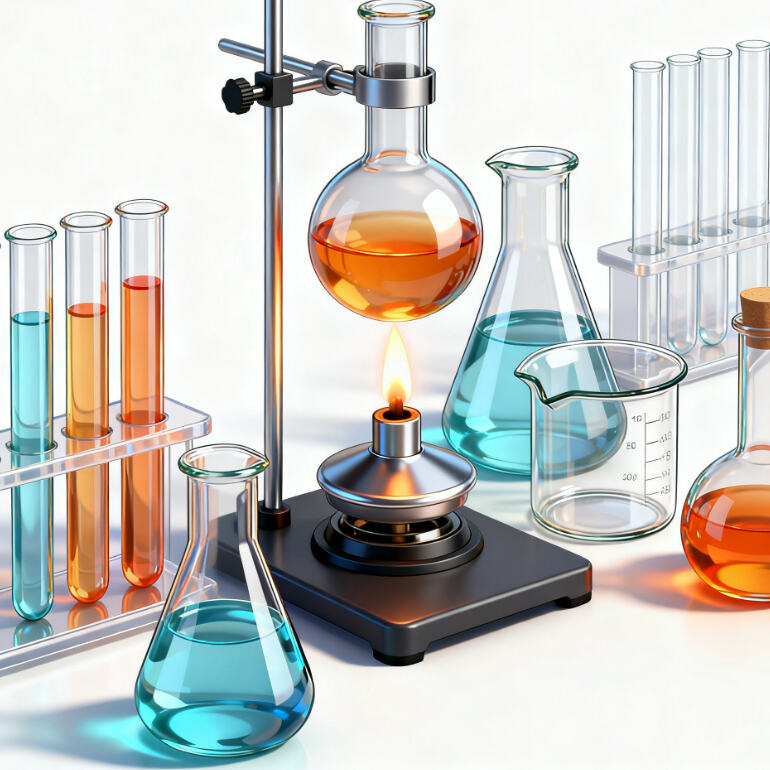
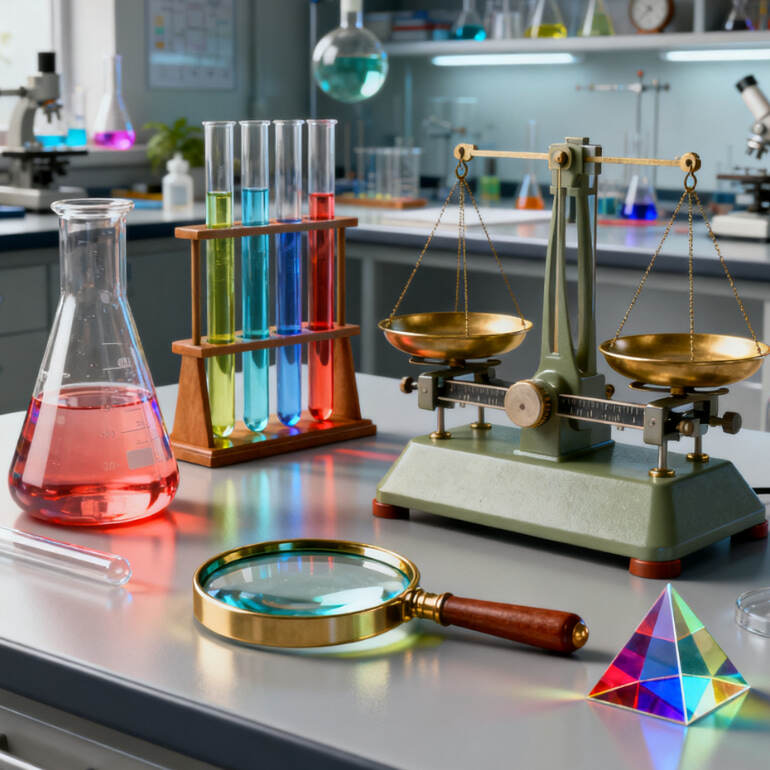
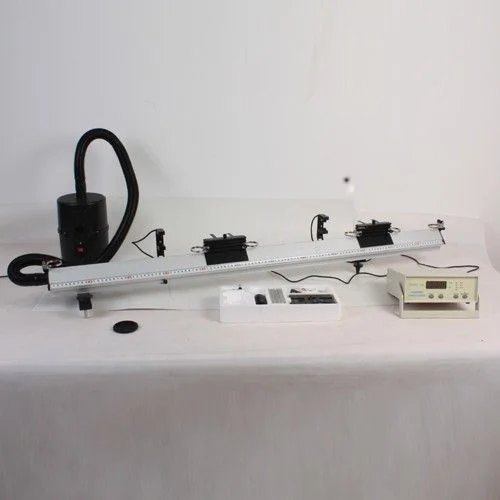
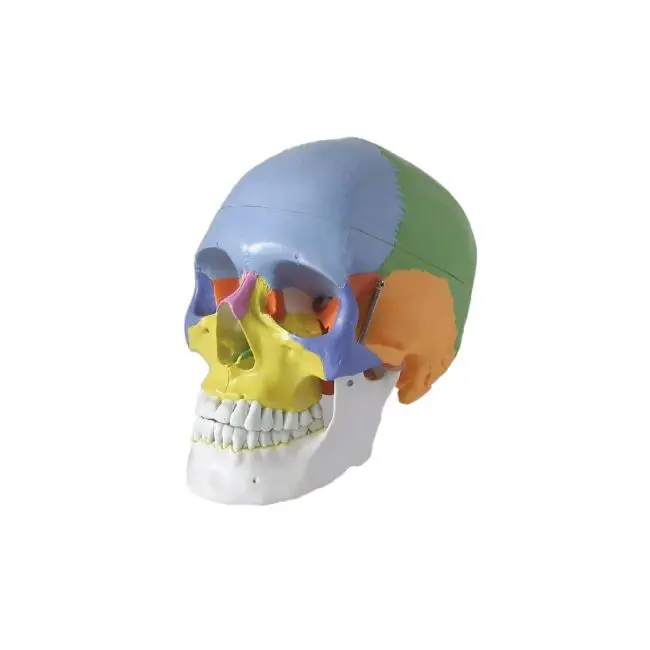
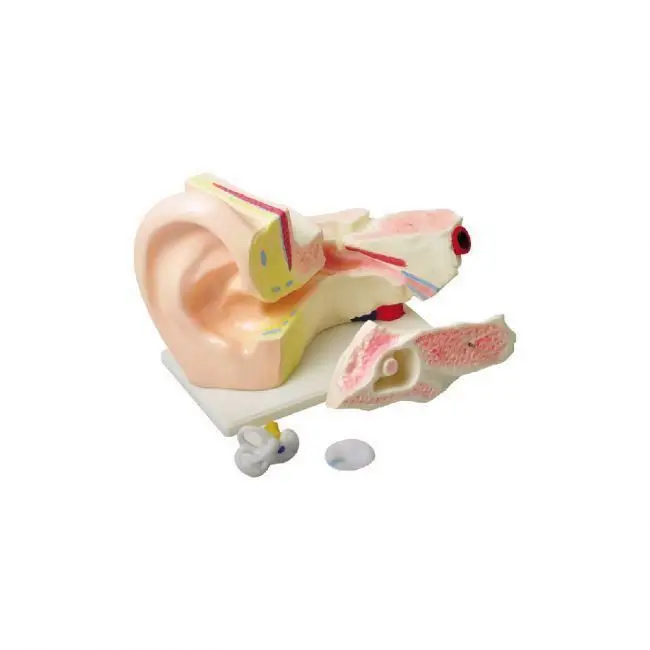
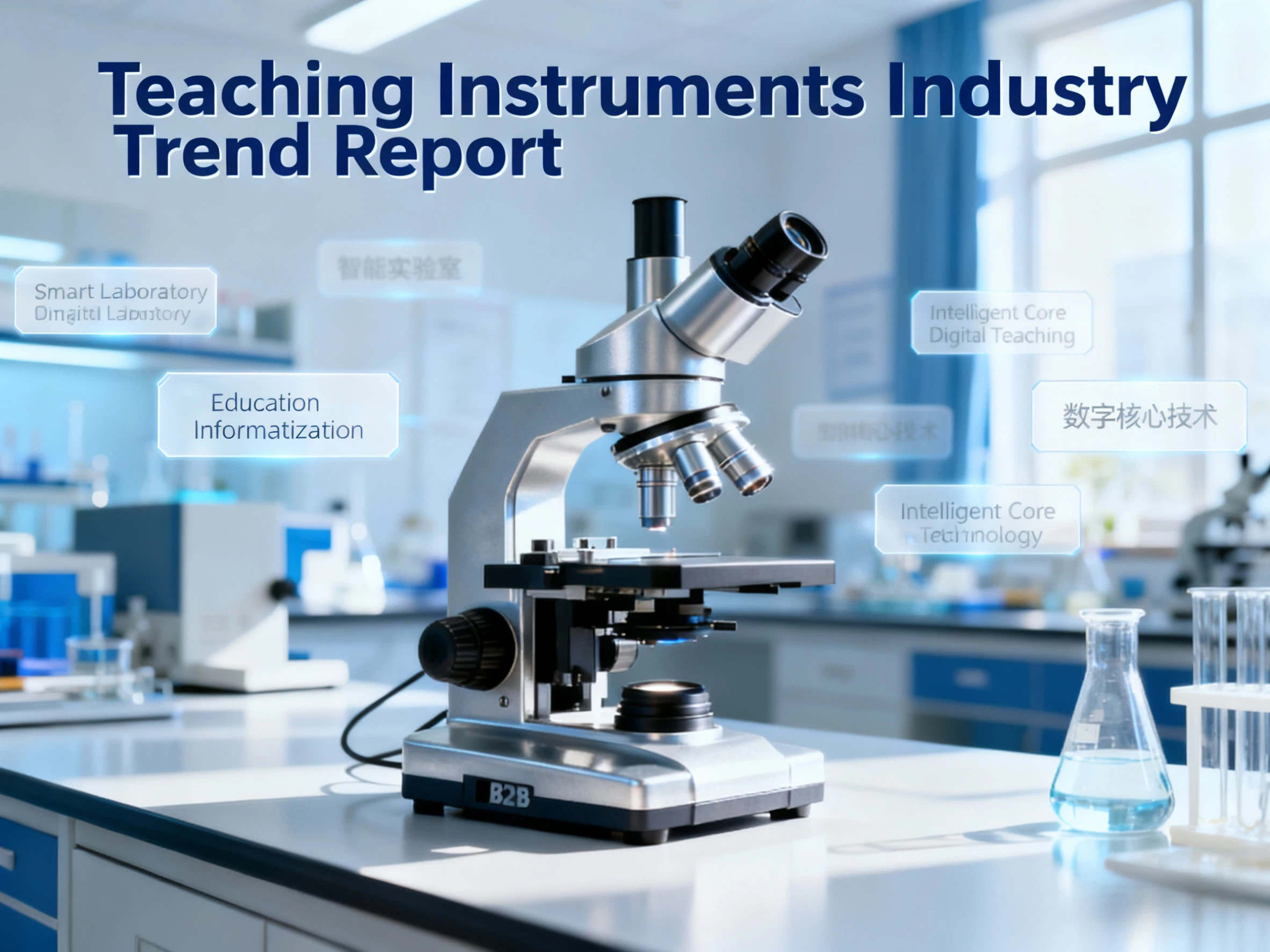
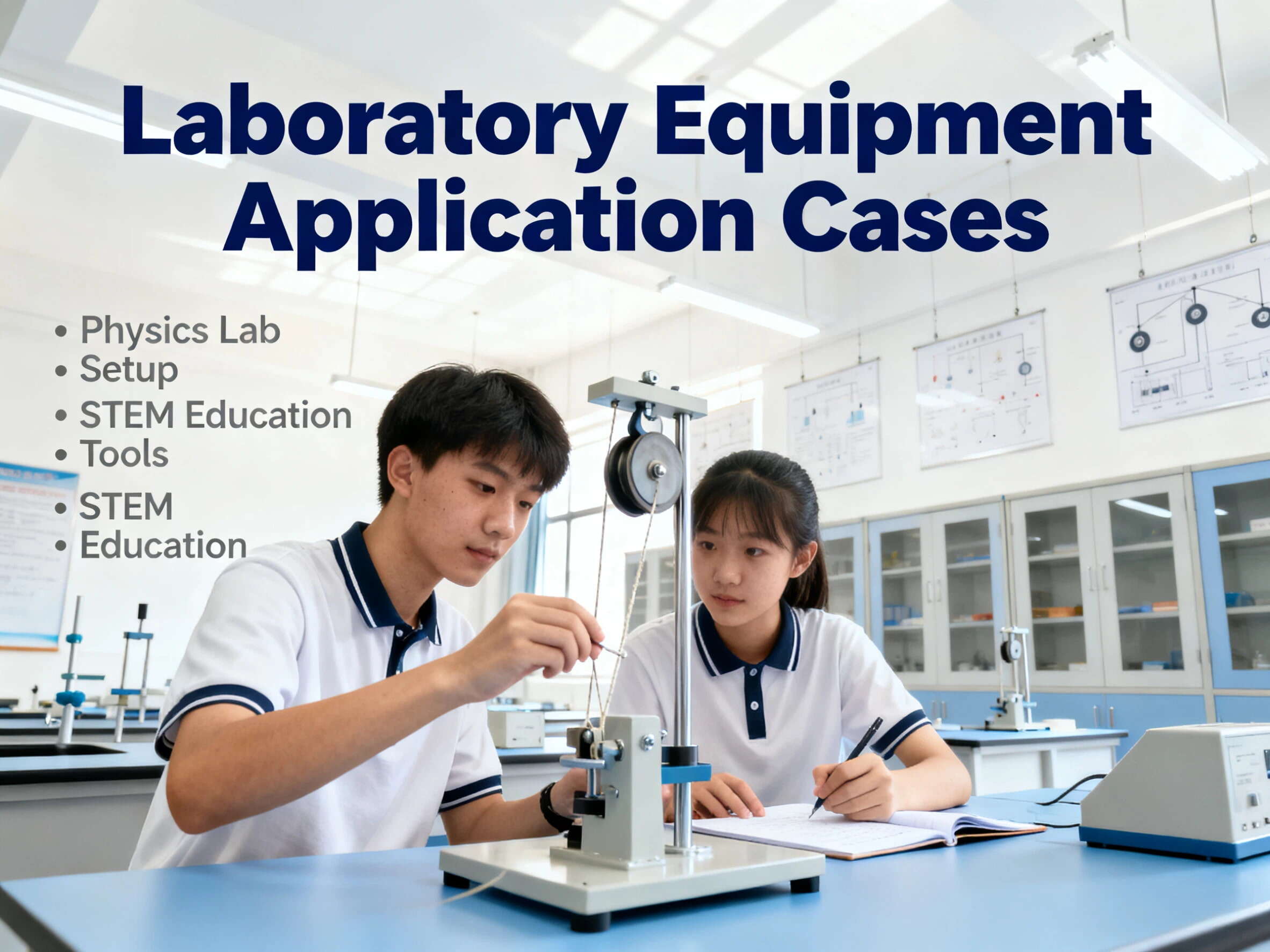
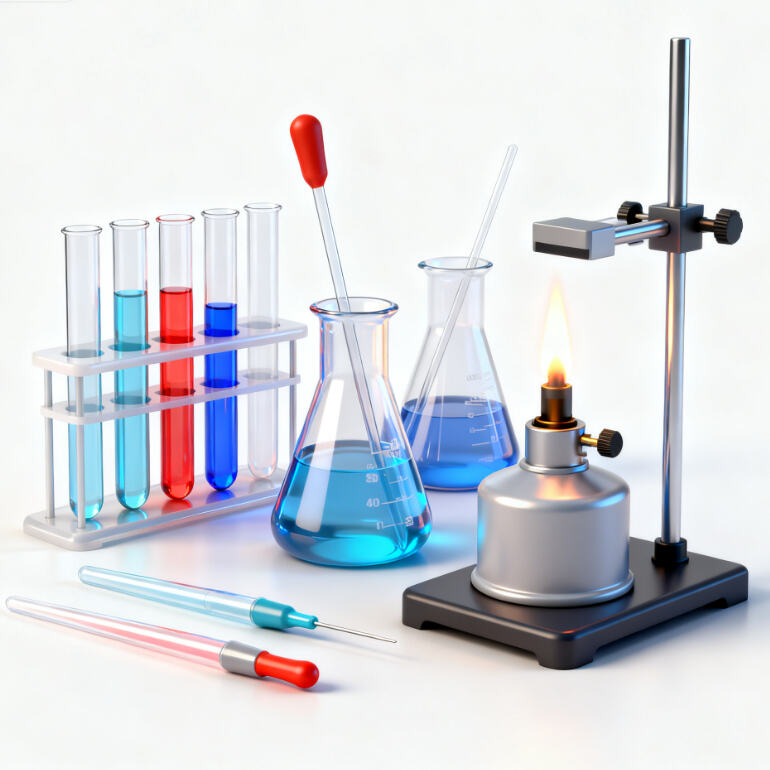
Educational science supplies represent a comprehensive collection of specialized tools, instruments, and materials designed to enhance learning experiences across various scientific disciplines. These supplies encompass laboratory equipment, measurement devices, experimental kits, safety gear, and digital technologies that facilitate hands-on exploration of scientific concepts. Modern educational science supplies integrate traditional laboratory instruments with cutting-edge technology, creating immersive learning environments that bridge theoretical knowledge with practical application. The primary function of these supplies centers on enabling students to conduct controlled experiments, make accurate observations, and develop critical thinking skills through direct interaction with scientific phenomena. These tools range from basic microscopes and pH meters to sophisticated data logging systems and virtual reality platforms that simulate complex scientific processes. Technological features of contemporary educational science supplies include wireless connectivity, real-time data collection, cloud-based analysis platforms, and user-friendly interfaces designed specifically for educational settings. Many supplies now incorporate sensors that automatically record measurements, reducing human error while allowing students to focus on analysis and interpretation rather than manual data collection. Applications of educational science supplies span multiple educational levels, from elementary schools introducing basic scientific concepts to university research facilities conducting advanced experiments. In chemistry classrooms, these supplies enable safe handling of reagents and precise measurement of reactions. Biology courses utilize microscopes, specimen preparation tools, and molecular modeling kits to explore life sciences. Physics education benefits from motion sensors, force meters, and electromagnetic demonstration equipment that make abstract concepts tangible. Earth science programs employ geological samples, weather monitoring instruments, and mapping tools to study environmental systems. The integration of educational science supplies into curriculum design promotes inquiry-based learning methodologies that encourage students to formulate hypotheses, design experiments, and draw evidence-based conclusions, thereby developing essential scientific literacy skills necessary for future academic and professional success.
New Product Releases

Educational science supplies deliver substantial benefits that transform traditional teaching methods into dynamic, engaging learning experiences. Students gain immediate access to professional-grade equipment that mirrors real-world scientific practices, creating authentic laboratory environments where theoretical concepts become tangible realities. This direct exposure builds confidence in scientific procedures and develops technical skills that transfer seamlessly to future academic pursuits and career opportunities. The hands-on nature of these supplies promotes active learning, where students manipulate variables, observe outcomes, and analyze results firsthand rather than passively consuming information from textbooks or lectures. This experiential approach significantly improves retention rates and deepens understanding of complex scientific principles. Teachers benefit from standardized equipment that ensures consistent results across multiple classroom sessions, eliminating variables that might confuse students or compromise experimental outcomes. The reliability of modern educational science supplies allows educators to focus on instruction and facilitation rather than troubleshooting equipment failures or inconsistent performance. Safety features integrated into contemporary supplies protect students while maintaining authentic scientific experiences, incorporating fail-safes, automatic shut-offs, and ergonomic designs that minimize risks without sacrificing educational value. Digital integration capabilities enable seamless data collection and analysis, allowing students to generate professional reports and presentations that showcase their findings. This technology integration prepares students for modern scientific careers where digital literacy is essential. Cost-effectiveness emerges through durable construction and multi-purpose functionality, as quality educational science supplies serve multiple experiments across various topics and grade levels, maximizing investment returns for educational institutions. The modular design of many supply systems allows for easy expansion and customization based on specific curriculum requirements and budget constraints. Furthermore, these supplies accommodate diverse learning styles by providing visual, kinesthetic, and analytical approaches to scientific concepts. Students who struggle with abstract thinking can physically manipulate materials to understand molecular structures, while analytically-minded learners can focus on data interpretation and statistical analysis. The collaborative nature of many experiments using educational science supplies encourages teamwork and communication skills, preparing students for professional scientific environments where cooperation and clear communication are vital for success.

Tips And Tricks

The Silent Revolution in Classrooms: How Advanced Teaching Instruments Are Reshaping Global STEM Education

08

Dec

The Silent Revolution in Classrooms: How Advanced Teaching Instruments Are Reshaping Global STEM Education

View More
Building the Lab of Tomorrow: The Key Role of Durable and Adaptive Teaching Apparatus

08

Dec

Building the Lab of Tomorrow: The Key Role of Durable and Adaptive Teaching Apparatus

View More

Get a Free Quote

Our representative will contact you soon.
Email
Name
Company Name
Message
0/1000

educational science supplies

Advanced Digital Integration and Real-Time Data Analysis

Advanced Digital Integration and Real-Time Data Analysis

Modern educational science supplies feature sophisticated digital integration capabilities that revolutionize how students collect, analyze, and interpret scientific data. These advanced systems incorporate wireless sensors, cloud-based platforms, and intuitive software interfaces that transform traditional laboratory work into seamless digital experiences. Students can connect multiple sensors simultaneously to capture temperature, pH, motion, pressure, and electromagnetic readings in real-time, creating comprehensive datasets that would be impossible to gather manually. The wireless connectivity eliminates cumbersome cables and allows for greater flexibility in experimental design, enabling students to conduct experiments in various locations while maintaining data integrity. Cloud-based analysis platforms provide immediate access to powerful computational tools that can process large datasets, generate statistical analyses, and create professional visualizations without requiring expensive software installations on individual devices. This digital integration extends beyond simple data collection to include predictive modeling capabilities, where students can input variables and observe projected outcomes before conducting physical experiments. The educational value multiplies as students learn both scientific concepts and digital literacy skills that are increasingly essential in modern careers. Real-time feedback allows for immediate course corrections during experiments, teaching students to adapt their methodologies based on emerging data rather than waiting until completion to identify issues. These systems also facilitate remote collaboration, where students can share data with peers in different locations or work together on complex projects that require multiple perspectives. The professional-grade software interfaces mirror industry-standard tools, providing students with authentic experiences that prepare them for advanced studies and scientific careers. Additionally, the automated data logging features reduce human error while allowing students to focus on higher-order thinking skills such as hypothesis formation, experimental design, and result interpretation. The integration of artificial intelligence components in some educational science supplies can provide personalized learning recommendations, suggesting additional experiments or resources based on individual student performance and interests, creating customized educational pathways that maximize learning potential for each student.
Comprehensive Safety Systems with Authentic Laboratory Experience

Comprehensive Safety Systems with Authentic Laboratory Experience

Educational science supplies incorporate sophisticated safety systems that protect students while maintaining authentic laboratory experiences essential for proper scientific education. These comprehensive safety features include automatic shut-off mechanisms, chemical spill containment systems, emergency stop buttons, and protective barriers that activate when potentially dangerous conditions are detected. The design philosophy balances safety requirements with educational authenticity, ensuring students learn proper laboratory procedures and safety protocols that mirror professional scientific environments. Advanced ventilation systems integrated into fume hoods and chemical storage units automatically activate when volatile substances are detected, maintaining safe air quality while allowing students to work with genuine chemicals and reagents necessary for meaningful experiments. Personal protective equipment designed specifically for educational settings combines full protection with comfort and ease of use, encouraging consistent safety practices without hindering learning activities. Emergency shower and eyewash stations feature low-pressure designs appropriate for younger students while meeting professional safety standards, providing immediate response capabilities for chemical exposure incidents. The safety training components integrated into these supplies include interactive tutorials, safety quizzes, and procedure demonstrations that must be completed before equipment operation, ensuring students understand potential hazards and proper response protocols. Color-coded systems and clear labeling eliminate confusion about chemical compatibility and storage requirements, teaching students organizational skills that transfer to professional laboratory settings. Automated monitoring systems continuously track environmental conditions such as temperature, humidity, and chemical concentrations, alerting instructors to potentially unsafe conditions before they become hazardous. The fail-safe design philosophy means equipment defaults to safe modes during power outages or system failures, preventing accidents during unexpected circumstances. Safety documentation systems automatically log all activities, creating detailed records that help identify trends and improve safety protocols over time. These comprehensive safety measures enable schools to conduct authentic scientific experiments that would otherwise be prohibited due to liability concerns, expanding educational opportunities while maintaining the highest safety standards.
Modular Design and Multi-Disciplinary Applications

Modular Design and Multi-Disciplinary Applications

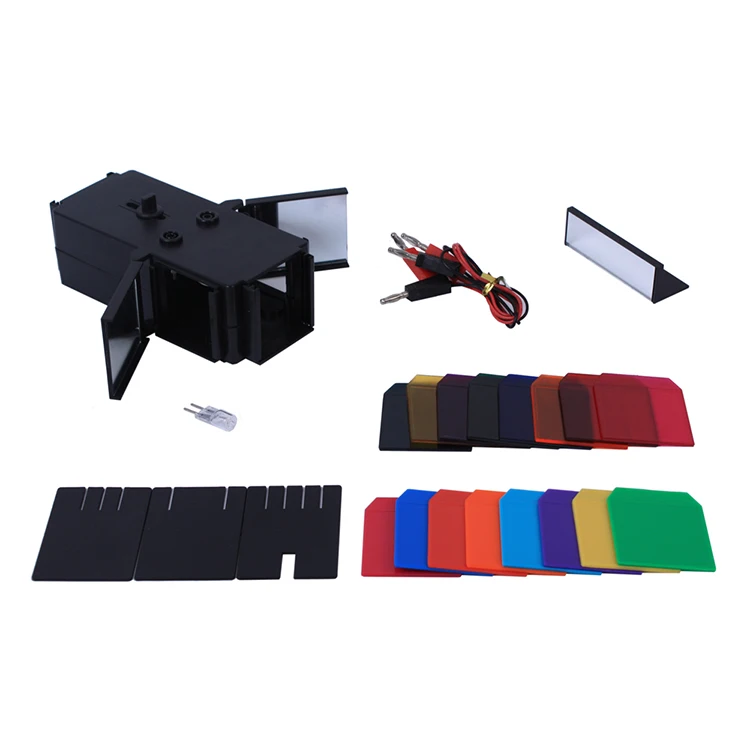
Educational science supplies feature innovative modular design systems that maximize versatility and cost-effectiveness while supporting multi-disciplinary learning approaches across various scientific fields. This modular architecture allows individual components to be reconfigured for different experiments, grade levels, and subject areas, creating a single investment that serves multiple educational purposes throughout its lifespan. Base units can accommodate specialized attachments for chemistry, biology, physics, and earth science applications, eliminating the need for separate equipment purchases for each discipline. The interchangeable components system enables schools to start with basic configurations and gradually expand capabilities as budgets allow, making advanced scientific education accessible to institutions with limited resources. Cross-curricular integration becomes natural when supplies can seamlessly transition between subjects, allowing students to explore connections between different scientific disciplines and understand how various fields complement each other in real-world applications. The modular approach also facilitates differentiated instruction, where teachers can adjust complexity levels by adding or removing components based on student readiness and learning objectives. Storage efficiency improves dramatically as modular components nest together compactly, requiring less space than traditional fixed-function equipment while providing greater functionality. Maintenance becomes simplified when individual modules can be serviced or replaced without affecting the entire system, reducing downtime and repair costs while extending overall equipment lifespan. The standardized connection systems ensure compatibility between components from different manufacturers, providing flexibility in equipment selection and preventing vendor lock-in situations that can limit future expansion options. Professional development becomes more efficient as teachers need to learn one modular system rather than multiple separate pieces of equipment, accelerating implementation and improving instructional quality. The modular design philosophy extends to software integration, where data from multiple modules can be combined in single analysis sessions, teaching students to synthesize information from various sources and measurement types. This approach mirrors modern scientific research practices where interdisciplinary collaboration and multi-method data collection are standard procedures. Sustainability benefits emerge as older modules can be upgraded with newer technology while retaining functional base units, reducing electronic waste and extending equipment lifecycle. The flexibility of modular educational science supplies enables innovative teaching approaches where students can design custom experimental setups, encouraging creativity and problem-solving skills while maintaining safety and accuracy standards essential for meaningful scientific learning experiences.

Get a Free Quote

Our representative will contact you soon.
Email
Name
Company Name
Message
0/1000